Lubbock, Texas Isn’t on Anyone’s Travel List. That’s Exactly Why I Went
We may earn money or products from the companies mentioned in this post. This means if you click on the link and purchase the item, I will receive a small commission at no extra cost to you ... you're just helping re-supply our family's travel fund.
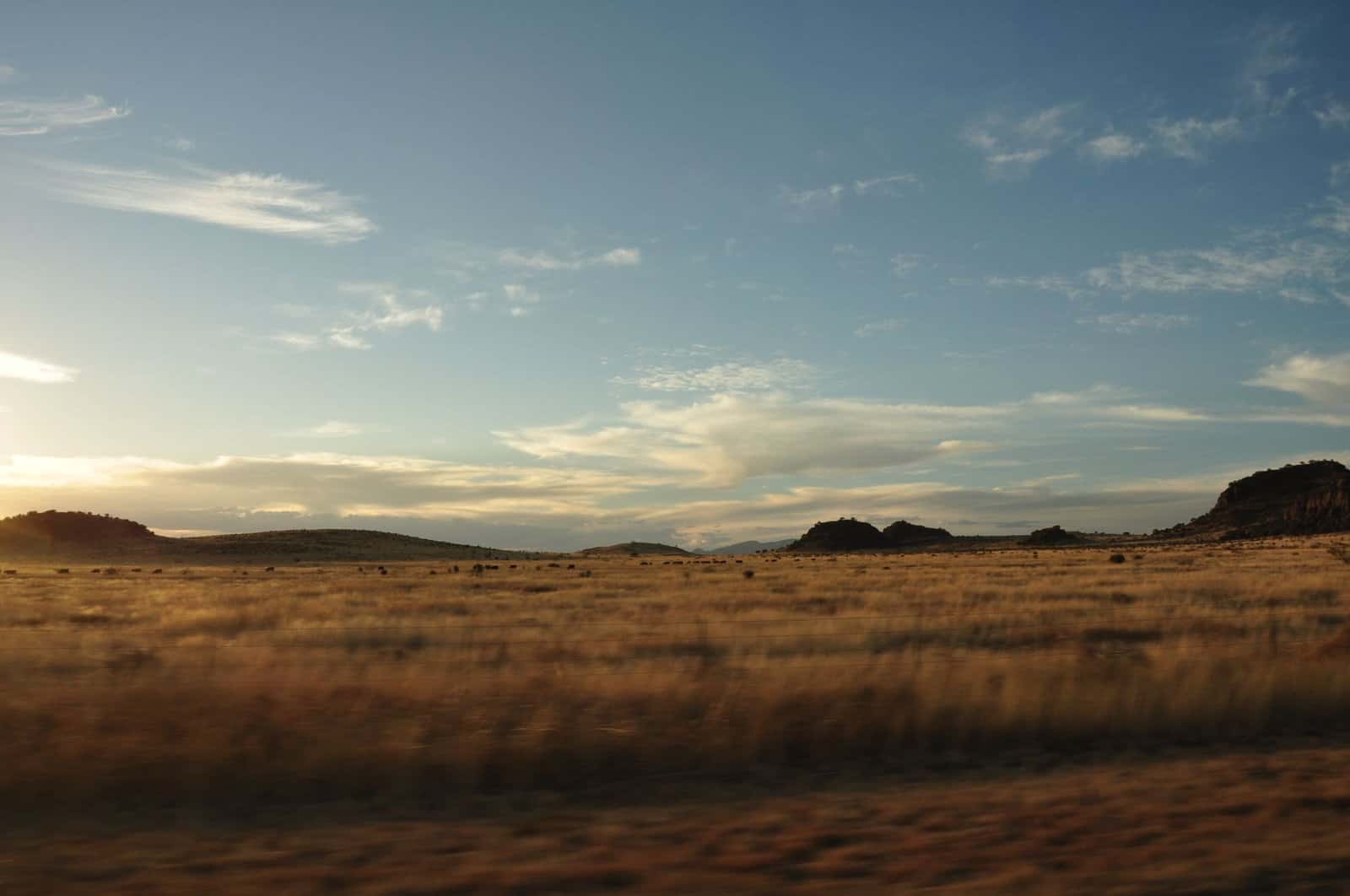
When I told people I was spending four days in Lubbock, Texas, the most common response was some version of: why? Lubbock is flat, they said. Lubbock is hot and dusty, they said. There’s nothing to do there. The city sits on the Llano Estacado — the Staked Plains — at 3,200 feet elevation, surrounded by cotton fields, wind turbines, and a horizon that seems to extend indefinitely in every direction. It was, without question, one of the most interesting four days I spent in Texas.
What Lubbock Actually Is
Lubbock is a city of about 260,000 people that functions around Texas Tech University, a major regional healthcare hub, and the West Texas agricultural economy. It is the hometown of Buddy Holly, who was born here in 1936 and died in 1959 at 22 in a plane crash that Don McLean called “the day the music died.” It is at the center of one of the fastest-growing wine regions in the United States, with over 50 wineries within an hour’s drive. And it has a West Texas character — direct, unpretentious, genuinely welcoming to strangers in a way that cities more accustomed to tourism sometimes aren’t.
The Buddy Holly Center
The Buddy Holly Center on 19th Street is a small but extraordinary museum — the kind of place that would attract national attention if it were in Nashville or Memphis. Holly’s influence on rock and roll was foundational: the Beatles covered his songs, Bob Dylan cited him as a primary influence, and the Crickets’ instrumentation of two guitars, bass, and drums became the template that nearly every rock band followed. The museum has his original Stratocaster, his glasses (found in a snowfield in Iowa months after the crash), and enough recording history to occupy a music obsessive for most of a day.
The Texas Wine Region Nobody Knows
The High Plains AVA around Lubbock produces more wine grapes than any other wine region in Texas. The combination of elevation (which moderates summer heat), mineral-rich soil, and low humidity creates growing conditions that have drawn serious winemakers. Llano Estacado Winery, founded in 1976, was one of the first to prove the region could produce competition-quality wine. The wine trail through Lubbock and surrounding communities — through Slaton, Post, and Crosbyton — is a legitimate wine tourism destination that exists almost entirely below the national radar.
The Flatness Is the Point
Lubbock’s landscape is genuinely unlike anywhere else in Texas. The Llano Estacado — the Staked Plains — is a giant elevated mesa that drops off dramatically at its edges in a geological formation called the Caprock Escarpment. Caprock Canyons State Park, 100 miles northeast of Lubbock, contains one of the most dramatic canyon systems in Texas, completely unknown outside the region. The official state bison herd lives there. The Big Draw mountain biking trail is considered among the best singletrack in Texas. Most Texans have never heard of it.
I went to Lubbock because it wasn’t on anyone’s list. I came back having eaten at a family-run West Texas restaurant where the chicken fried steak was the platonic ideal, toured a winery that was producing genuinely excellent tempranillo, spent two hours in a music museum that deserved five, and driven to the edge of the Caprock Escarpment at sunset as it turned the canyon walls a color I didn’t have a name for. The places that nobody is visiting are often the places that are exactly what they are — no performance, no curation. Just the thing itself.