7 National Parks That Are More Crowded Than Yellowstone — and the Parks Right Next Door With No Lines
We may earn money or products from the companies mentioned in this post. This means if you click on the link and purchase the item, I will receive a small commission at no extra cost to you ... you're just helping re-supply our family's travel fund.
Yellowstone received 4.8 million visitors in 2023 and is commonly cited as the symbol of national park overcrowding. But several other national parks are now more crowded relative to their size and infrastructure capacity than Yellowstone. The parks on this list are experiencing parking lot waits of 2–4 hours, reservation systems that sell out months in advance, and wildlife viewing experiences degraded by sheer volume. Each of them has a nearby alternative that offers comparable experiences with a fraction of the crowds.
Overcrowded Parks and Their Lesser-Known Neighbors
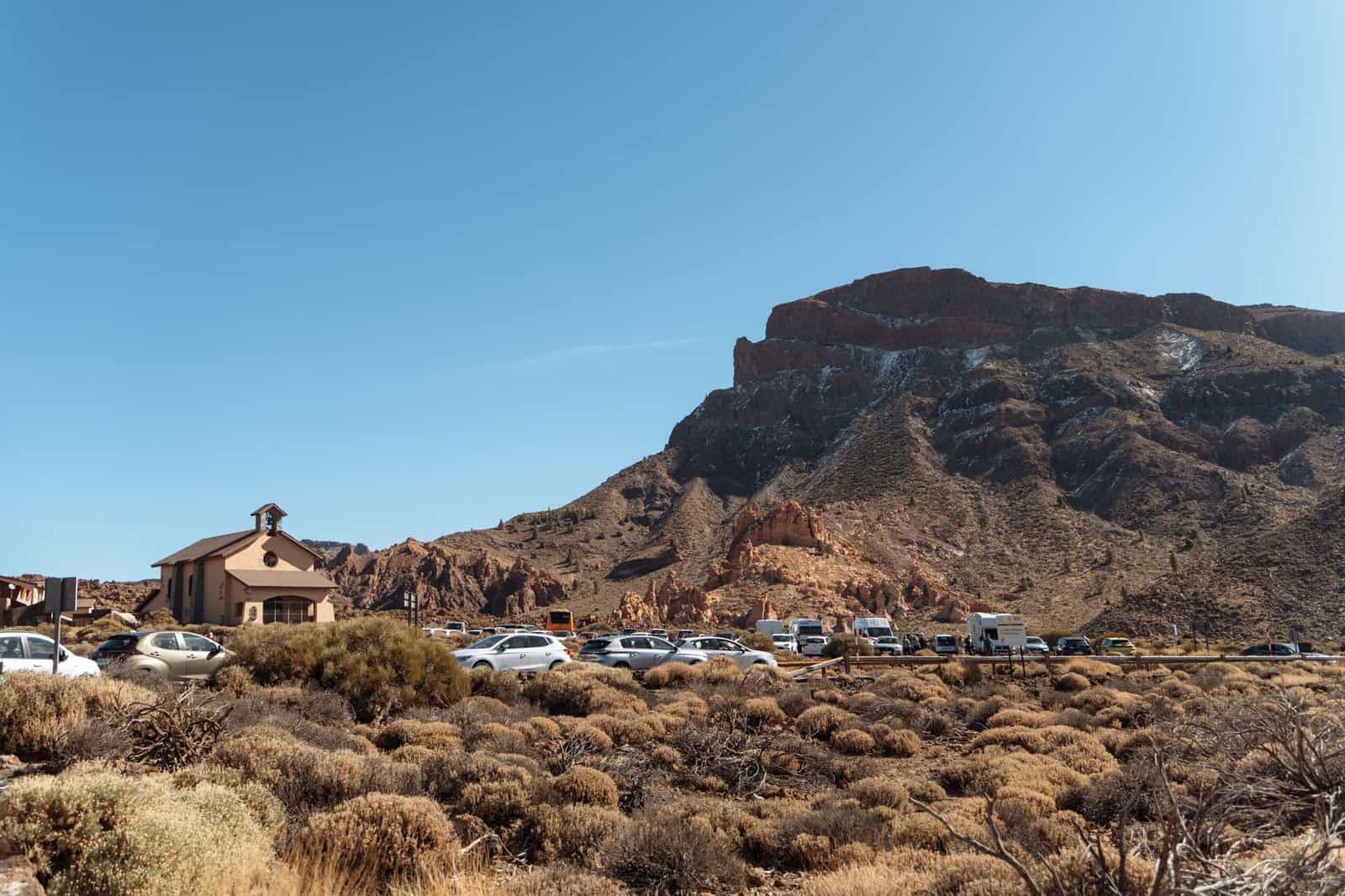
1. Zion National Park → Cedar Breaks National Monument
Zion’s shuttle system — mandatory in peak season — has waits of 90 minutes or more at the visitor center. The Angel’s Landing permit system has helped somewhat, but the canyon trails on summer weekends are wall-to-wall people. Cedar Breaks National Monument, 60 miles east, has a similar canyon and amphitheater geology at 10,000 feet elevation, dramatically more dramatic wildflower displays in July, and almost no crowds. Entry fee is the same as Zion. Average wait time: none.
2. Arches National Park → Canyonlands National Park
Arches now requires timed entry reservations from April through October, and the reservations sell out within minutes of release. Canyonlands, 25 miles southwest, receives one-third the visitors despite being significantly larger and, many argue, more geologically dramatic. The Island in the Sky district provides mesa-top views over the Colorado and Green River confluence that rival anything in Arches for grandeur. No reservation required.
3. Grand Canyon South Rim → Grand Canyon North Rim
The South Rim receives 5.9 million visitors annually. The North Rim, accessible only May through October and requiring a significantly longer drive, receives about 500,000. The views from the North Rim are often described by frequent Canyon visitors as more interesting than the South — the elevation is higher, the perspective different, the canyon more intimate-feeling in places. The North Rim lodge has limited rooms (book a year ahead), but the rim walk and the viewpoints are uncrowded by South Rim standards.
4. Great Smoky Mountains → New River Gorge National Park
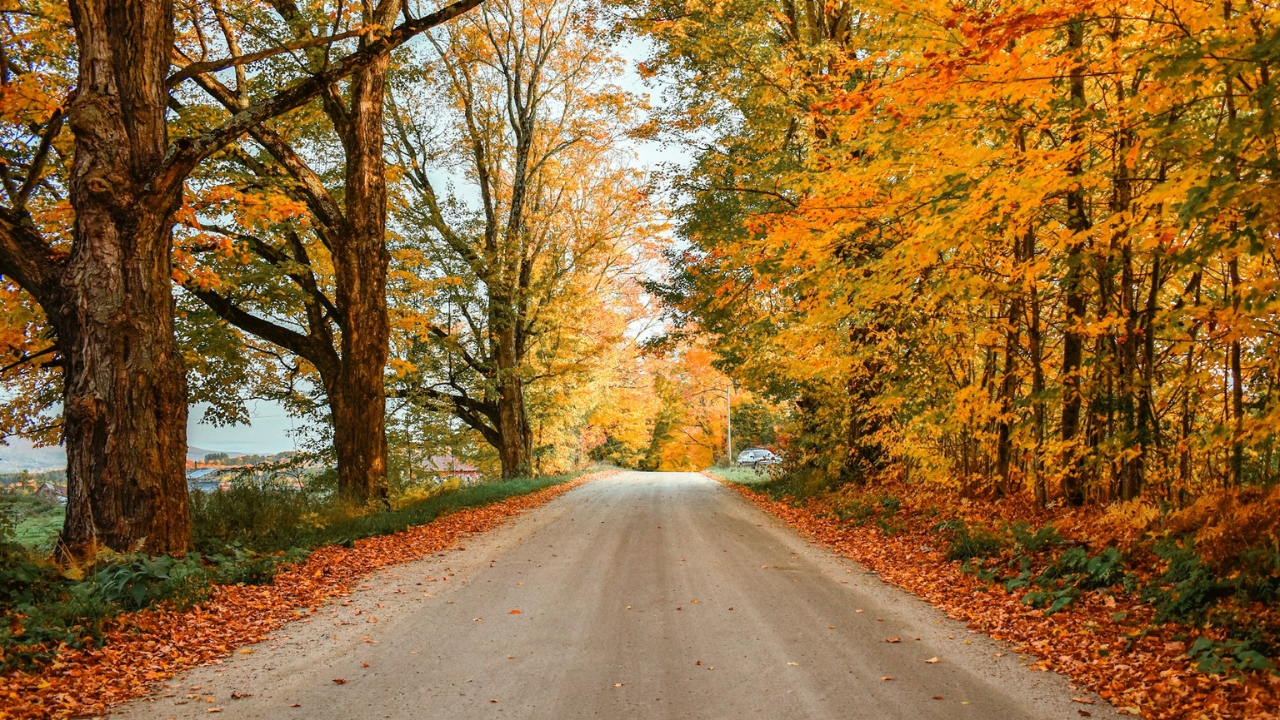
Great Smoky Mountains is the most visited national park in the US — over 12 million visitors annually — primarily because it sits within a day’s drive of a third of the American population and charges no entry fee. The traffic backups on Newfound Gap Road during fall foliage are legendary. New River Gorge in West Virginia, designated a national park in 2020, offers comparable fall foliage with dramatically fewer visitors. The whitewater is among the best in the eastern US, and the historic mining communities in the gorge add a human history layer that the Smokies lack.
5. Joshua Tree → Mojave National Preserve
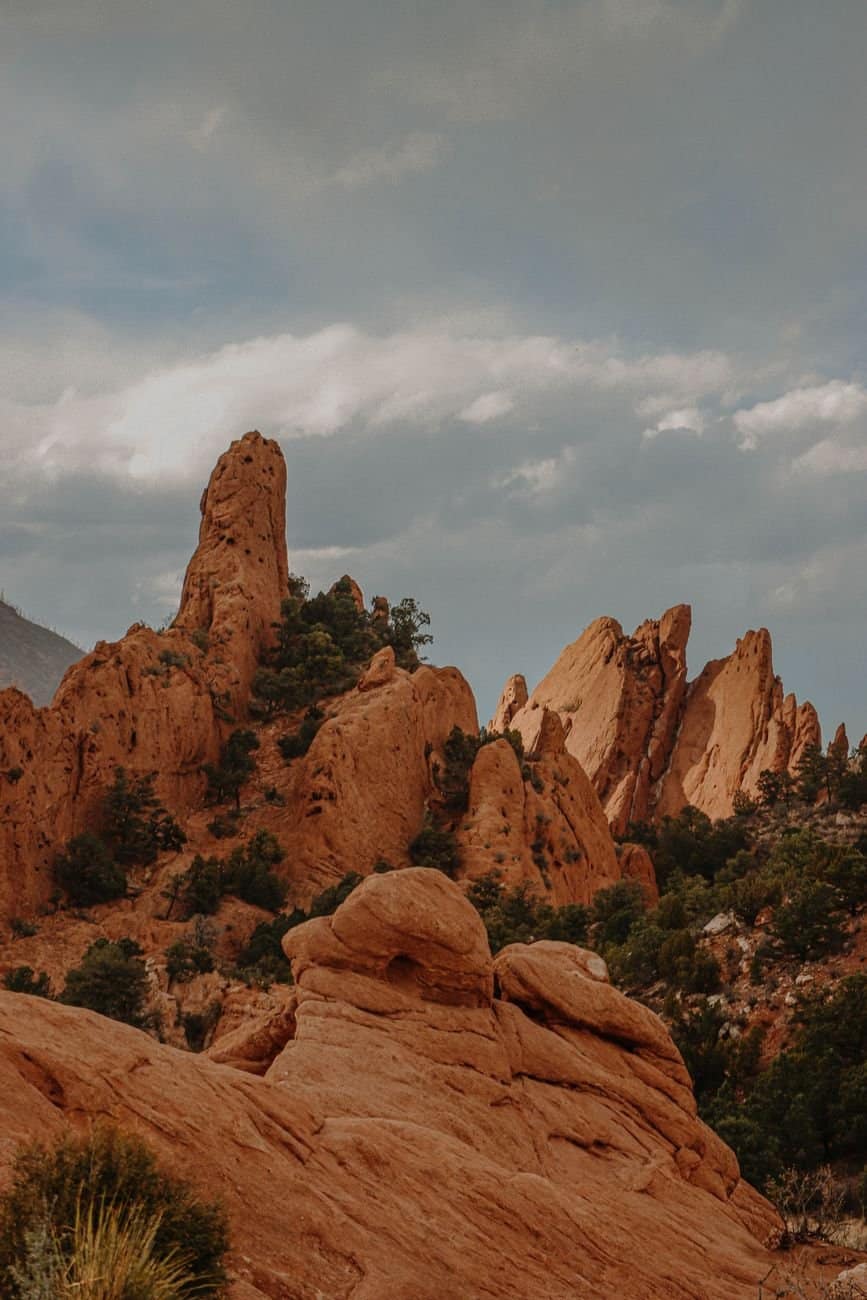
Joshua Tree’s proximity to Los Angeles (2.5 hours) makes it a magnet for weekend visitors — and the park is genuinely showing the pressure. Mojave National Preserve, just to the east, is one of the most undervisited units in the National Park System. The Kelso Dunes are the third-tallest dune field in the United States, the Hole-in-the-Wall rock formation is extraordinary, and the entire preserve feels like what Joshua Tree did 20 years ago. Almost no entrance fees (it’s a preserve, not a park). Very few visitors.
6. Glacier National Park → Waterton Lakes National Park, Canada
Glacier’s Going-to-the-Sun Road timed entry has helped with the worst of the congestion, but the park remains intensely popular. Waterton Lakes National Park directly across the Canadian border is part of the same Waterton-Glacier International Peace Park and offers comparable mountain and lake scenery. The Prince of Wales Hotel on a promontory above Waterton Lake is one of the most dramatic hotel settings in North America. Crowds are a fraction of Glacier’s.
7. Acadia National Park → Baxter State Park, Maine
Acadia on Mount Desert Island receives 4 million visitors annually and parking is impossible without the reservation system. Baxter State Park in northern Maine — surrounding Mt. Katahdin, the northern terminus of the Appalachian Trail — limits daily visitors by design and has a wild, unmanaged character that Acadia’s relative accessibility can’t replicate. Reaching Katahdin’s summit on a clear fall day is among the most extraordinary hikes in the eastern United States. The 5-hour drive from Bar Harbor is the filter that keeps it genuinely uncrowded.
The most visited national parks in America are worth visiting — but not on a summer weekend, and not when an equally spectacular alternative sits 50–100 miles away. The national park system has 423 units. The crowds concentrate in fewer than 20 of them. That math is the opportunity.