Bend, Oregon Was Affordable in 2015. Then Portland Workers Did the Math on the Drive
We may earn money or products from the companies mentioned in this post. This means if you click on the link and purchase the item, I will receive a small commission at no extra cost to you ... you're just helping re-supply our family's travel fund.
In 2015, Bend, Oregon had median home prices around $250,000. By 2025, they had crossed $700,000. In ten years, a mid-size mountain city with 100,000 people became one of the most expensive places to live in Oregon — a state that already has Portland and Eugene competing for that title. The mechanism was predictable, the speed was not.
How Bend Went From Oregon’s Best-Kept Secret to Oregon’s Affordability Problem
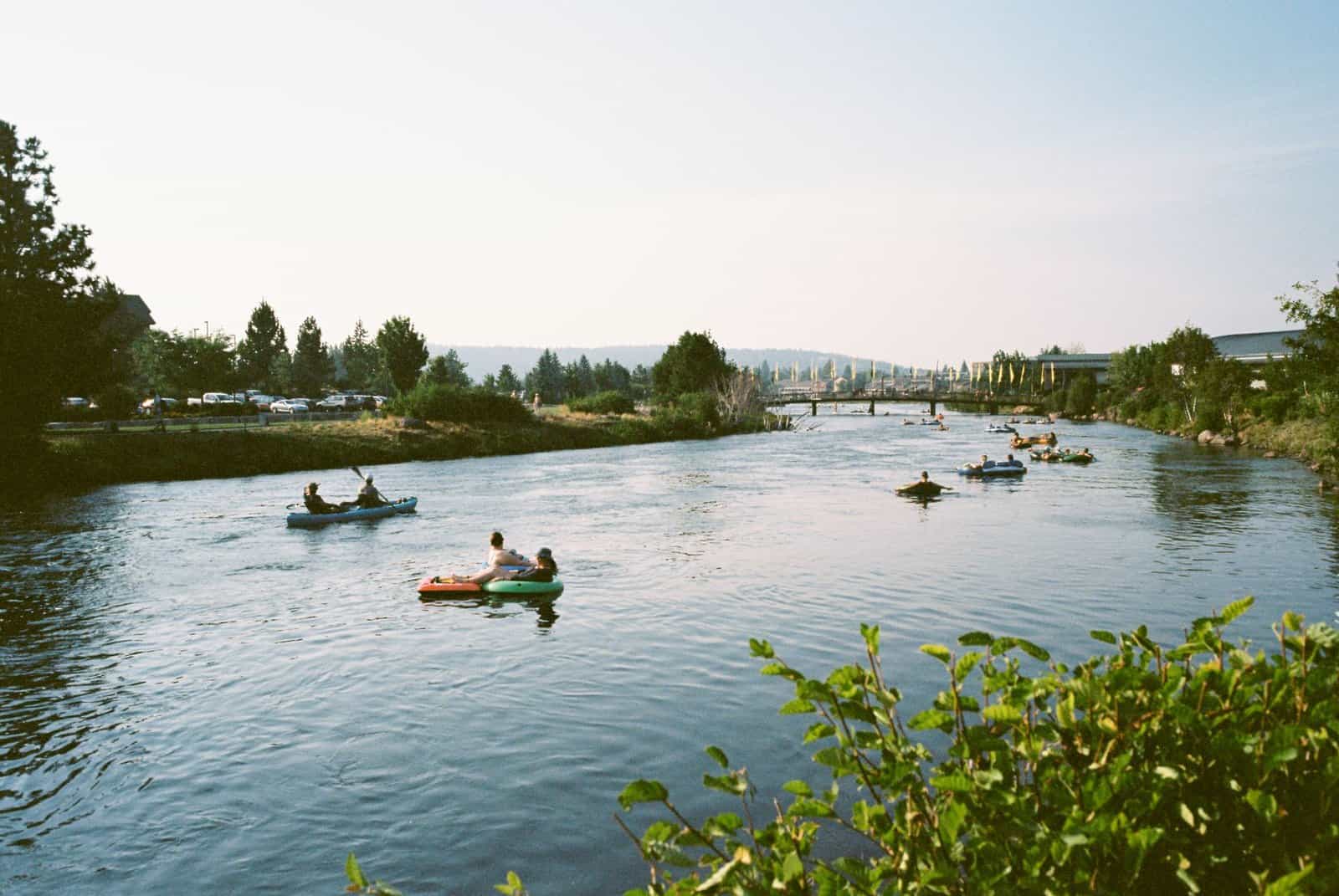
Bend had everything that attracts people fleeing more expensive metros: 300 days of sunshine (by Oregon standards), Mt. Bachelor ski resort 20 miles from downtown, the Deschutes River running through the city, world-class mountain biking on the Pilot Butte trails and the Phil’s Trail system, and a downtown craft beer scene that preceded the national explosion of the category. It was also, in 2015, genuinely affordable.
The Portland Discovery Effect
Bend is 162 miles from Portland on US-97 — about a three-hour drive through the Cascade Mountains via Mt. Hood or via the Santiam Pass. For Portland workers earning tech and professional salaries, the math became compelling: buy a house in Bend for two-thirds the Portland price, enjoy mountain air and outdoor recreation, and either commute occasionally to Portland or work remotely. That calculation drove migration that transformed Bend’s housing market faster than almost any comparable mid-size city in the country.
What the Growth Did to Bend
- Traffic on US-97 through downtown Bend went from manageable to a daily frustration
- The Deschutes River water rights have become a serious policy issue as population growth stresses the basin
- Trail congestion on the popular mountain bike systems is now a weekend reality — early departures are required for uncrowded rides
- Local service workers — the restaurant staff, the ski resort employees, the retail workers — face a severe affordability crisis
- The independent downtown that made Bend worth visiting is under pressure from rising commercial rents
What Bend Is Still Genuinely Good For
The outdoor recreation is still world-class. Mt. Bachelor’s skiing is legitimately excellent — the summit elevation at 9,065 feet and the Cascade volcanic terrain create a skiing experience that differs meaningfully from the Rockies or the Sierra Nevada. The Smith Rock State Park climbing area 30 miles north is one of the premier sport climbing destinations in the United States. The High Desert Museum, an often-overlooked cultural institution, is genuinely excellent for understanding the natural and human history of the region.
Nearby Redmond, Sisters, and Prineville have absorbed some of Bend’s overflow and offer more affordable accommodations for visitors who want Bend’s outdoor access without Bend’s prices. Sisters, in particular — a small Western-themed town at the base of the Three Sisters volcanoes — has excellent hiking access, far fewer crowds, and one of the most dramatic mountain backdrops in Oregon. Many visitors who arrive planning to stay in Bend end up preferring Sisters by the time they leave. The bend in the road that leads there is worth taking.