Paducah, Kentucky Has 4,700 Fewer People Than Bozeman. It’s Also a UNESCO World City of Crafts
We may earn money or products from the companies mentioned in this post. This means if you click on the link and purchase the item, I will receive a small commission at no extra cost to you ... you're just helping re-supply our family's travel fund.
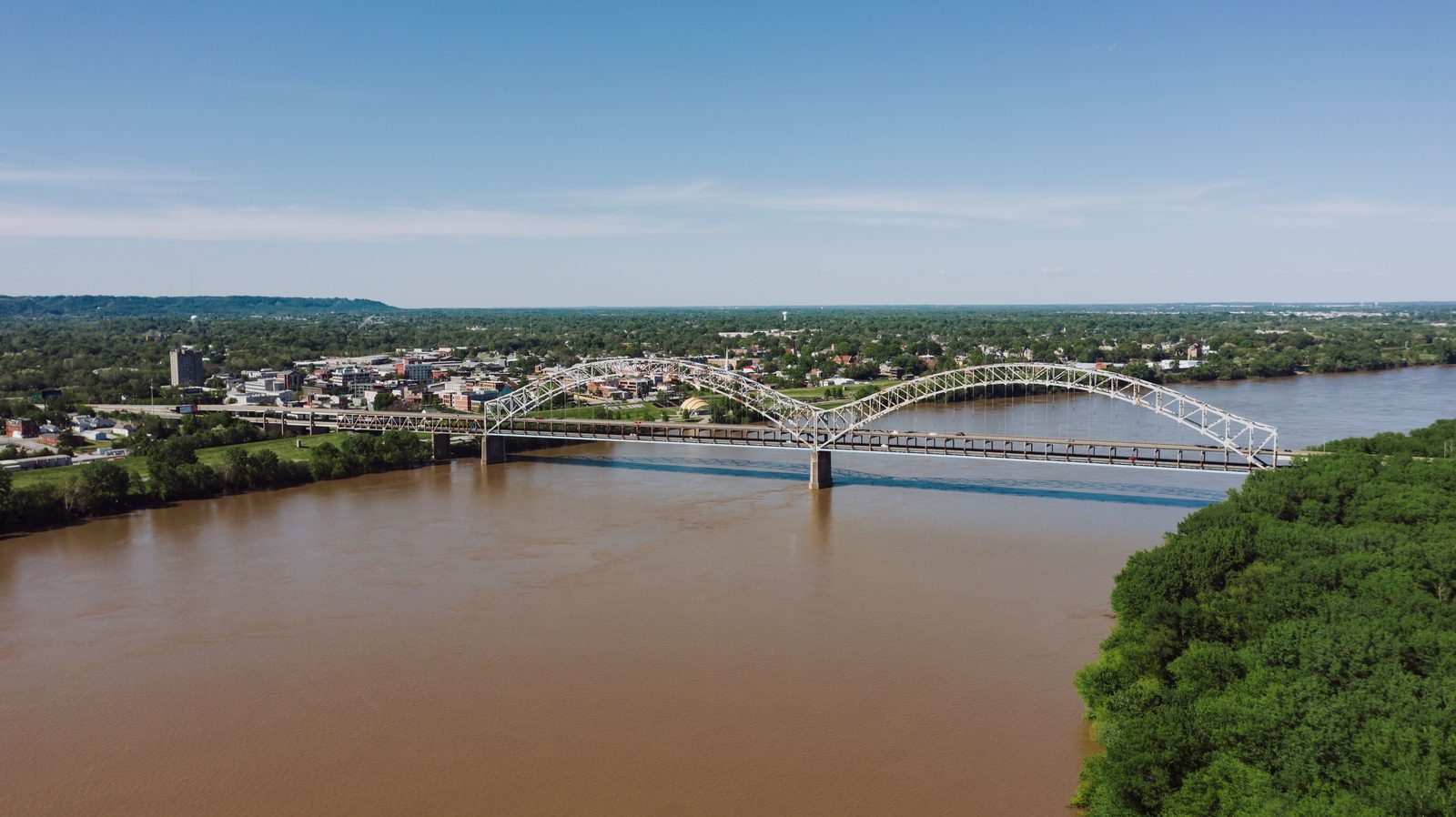
Paducah, Kentucky sits where the Tennessee River meets the Ohio, a city of about 27,000 people in the far western corner of the state, closer to St. Louis than to Louisville. In 2013, it became one of the first UNESCO Creative Cities in the United States, designated a City of Crafts and Folk Art, joining a network that at the time included fewer than a dozen American cities of any kind. Most people who hear “UNESCO” think of the Pyramids or the Great Barrier Reef. Paducah got the designation for quilts.
The Quilt City Nobody Expects
The anchor of Paducah’s arts identity is the National Quilt Museum, a genuinely large institution — around 47,000 square feet of exhibition space — that draws visitors from across the country and internationally for AQS QuiltWeek, an annual show that fills hotels for a week each spring. Quilting is not a niche hobby in economic terms; the American quilting industry is worth billions annually, and Paducah positioned itself early as its unofficial capital. The museum alone brings in tens of thousands of visitors a year to a city most Americans couldn’t place on a map.
What makes Paducah stranger and more interesting than a single-industry tourist stop is the Artist Relocation Program, a initiative the city ran starting in the early 2000s that sold historic homes in the LowerTown neighborhood to working artists for as little as a few thousand dollars, with the requirement that they renovate and live there. It is one of the more successful small-scale urban revival experiments in the country. LowerTown, once a fading residential district, is now a genuine artist neighborhood with working studios, murals, and a level of density in creative professionals that a city this size has no obvious reason to have.
What It Actually Costs
This is the part that surprises people who look up Paducah after hearing about the UNESCO designation. Median home prices in Paducah sit dramatically below the national average — often in the $150,000 to $200,000 range for a solid, updated home, a fraction of comparable Southern arts towns like Asheville or Savannah. A weekend trip, including a hotel downtown and meals at the restaurants along Broadway, can run a fraction of what the same trip costs in almost any coastal arts destination. The Hotel Metropolitan, a historic Black-owned hotel dating to the 1900s that has been preserved as a museum, and the more modern downtown hotel options both sit well under $200 a night even during festival weeks.
Why It Stayed Cheap
- No major airport nearby — the closest reasonable option is Nashville, about two and a half hours away, which limits casual tourism
- Regional population decline in far western Kentucky has kept housing demand modest despite the arts investment
- The city has deliberately avoided the short-term rental boom that inflated prices in comparable towns
The River Still Runs the Place
Paducah’s downtown was rebuilt, quite literally, after devastating floods in 1937, and the floodwall that resulted — a 4,500-foot concrete barrier along the Ohio River — became an unlikely canvas. Local artist Robert Dafford painted a series of dozens of large-scale murals along its length depicting the city’s history, from steamboat commerce to the Trail of Tears, which passed near Paducah. Walking the floodwall murals has become one of the standard visitor activities, alongside the National Quilt Museum and the William Clark Market House Museum downtown.
The city’s economy historically depended on river trade, rail, and the Paducah campus of the now-closed uranium enrichment plant, which employed thousands for decades before winding down. The arts and tourism identity is, in some ways, an economic replacement strategy — a genuine bet that culture could pick up where heavy industry left off, and by most measures it has worked better than most small Rust Belt or river towns managed with similar efforts. Paducah did not get discovered by an influencer or feature in a viral list. It built an actual cultural institution, kept its cost of living low, and let word spread slowly through people who quilt, paint, or just like a Southern river town that never tried to be Nashville.
The Artist Relocation Program, Up Close
The mechanics of Paducah’s Artist Relocation Program were straightforward and, in retrospect, remarkably effective for a city government initiative. The city identified dozens of aging, often vacant properties in the LowerTown neighborhood, sold them to qualifying working artists for a nominal price, and paired the sale with low-interest renovation loans through a local bank. Artists had to commit to living in the property and using part of it as working studio space, which meant LowerTown filled in not with absentee investors but with people who actually needed to be there daily. Painters, sculptors, potters, and metalworkers took up the offer throughout the 2000s, and today the neighborhood has a level of walkable studio density that most cities its size never develop organically, let alone through a deliberate municipal program.
The program has been studied and referenced by urban planners elsewhere as a model for small-city revitalization precisely because it required so little capital relative to the transformation it produced. Other Rust Belt and river towns with similarly abundant historic housing stock and shrinking populations have tried variations on the idea, with mixed results, but Paducah’s version benefited from timing: it launched before the broader “creative class” relocation trend became a crowded field, giving early participants a genuine first-mover advantage in claiming cheap, beautiful housing stock.
A Visit That Takes a Full Weekend, Not an Afternoon
A realistic visit to Paducah needs at least two full days to cover the National Quilt Museum properly, walk the length of the floodwall murals, browse LowerTown’s working studios (many of which welcome visitors, particularly during the twice-yearly LowerTown Arts and Music Festival), and spend an evening on Broadway downtown, where restaurants like Freight House and Doe’s Eat Place anchor a dining scene that punches well above what a city of 27,000 people usually supports. Paducah’s affordability means a couple can realistically do all of this, including a hotel, for well under $500 total, a fraction of what a comparably rich arts weekend costs in Asheville, Savannah, or Santa Fe.