Ogden’s Two Homebuyer Types Are Colliding With One Housing Problem — Here’s Who Feels the Pressure First
We may earn money or products from the companies mentioned in this post. This means if you click on the link and purchase the item, I will receive a small commission at no extra cost to you ... you're just helping re-supply our family's travel fund.
Ogden has two homebuyer types, and they are colliding with one housing problem: not enough homes at prices that match local paychecks. The first group is outsiders and well-paid commuters, people moving up from Salt Lake City or relocating from other states for mountain access and lower prices. The second is local first-time buyers, such as young families, Weber State graduates, and Hill Air Force Base and hospital workers, who earn Ogden wages. Here is who feels the pressure first: the local buyers and renters, because they are the ones bidding against buyers with bigger budgets, more equity, and often more flexibility.
The Two Homebuyer Types Meeting in Ogden
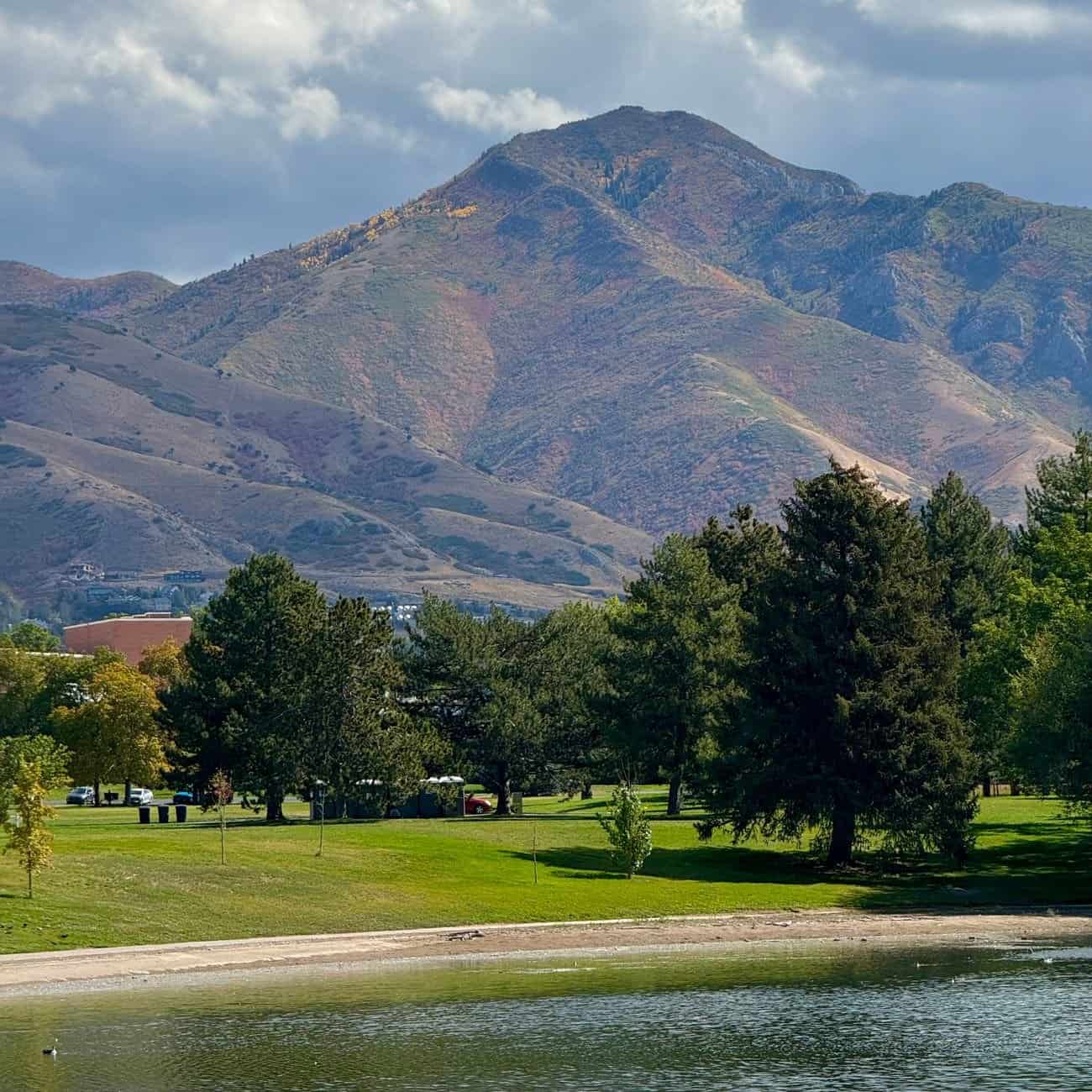
Ogden, about 35 miles north of Salt Lake City, is Weber County’s largest city, with roughly 87,000 residents. It is a railroad town reinvented as an outdoor-recreation hub. Three ski areas, Snowbasin, Powder Mountain, and Nordic Valley, sit within a short drive. The historic 25th Street, Union Station, and the Ogden River Parkway have been revived. Amer Sports, parent of brands such as Salomon and Atomic, has a major presence, and the city markets itself as a base for skiers, climbers, and mountain bikers.
That reputation changed the market. Over the last decade, Utah’s population grew faster than most states, and the Wasatch Front became crowded and costly. Ogden, with lower prices than Salt Lake County, Park City, or Davis County, became an obvious next stop. When remote work spread in 2020, even more buyers started looking north, and prices climbed quickly. Median home prices in Weber County moved from well under $300,000 not long ago to roughly the mid-$400,000s or higher in recent years, depending on the month and the source. Rents rose too.
Local wages did not rise at the same speed. That mismatch is the housing problem, and the two buyer types experience it differently.
1. The Outside and Commuter Buyer
The first buyer type has more money to spend or more equity to bring. This group includes:
- Salt Lake and Davis County households who sell homes there and use the equity to buy in Ogden with a larger down payment.
- Out-of-state movers from California, Washington, Colorado, or Arizona who relocate for outdoor access, lower costs relative to their home markets, and a quieter pace.
- Remote and hybrid workers who earn salaries set in higher-cost markets and can bid above what local wages would justify.
- Investors and second-home buyers who see rental income or vacation use, especially near the ski areas.
This group is not villainous. Many are families looking for a place to settle, and some bring jobs and spending to town. They also tend to arrive with cash, large down payments, or quick closings, which make their offers more attractive to sellers. They often buy in Ogden’s better-known neighborhoods, such as the East Bench, near the mountains, or in newer subdivisions on the edge.
The commuter piece is worth noting. Interstate 15 and the FrontRunner commuter rail link Ogden to Salt Lake City, a trip that takes about an hour by train. People who work in Salt Lake but live in Ogden effectively import higher salaries to a lower-wage market. That drives demand for homes without adding local jobs.
2. The Local First-Time Buyer
The second buyer type earns an Ogden salary and wants to stay. Examples include:
- Hill Air Force Base employees and contractors, who work at one of the state’s largest single-site employers in nearby Layton and surrounding communities.
- Hospital and school workers, including nurses, teachers, and staff at McKay-Dee Hospital and Weber State University.
- Young families and recent graduates who grew up in Weber County and want to buy near relatives.
- Service and trades workers whose wages are moderate and who rely on a single or dual income.
For these buyers, the math is hard. A mortgage on a mid-priced house at current interest rates can cost far more per month than a rent payment, and saving a down payment while rents rise is difficult. First-time buyers also have fewer options in the entry-level range. Starter homes and small townhomes are scarce, and many that come on the market sell quickly to investors or buyers with more cash.
Local government and the state have tried to help. Utah has expanded programs for down payment assistance, and Ogden has promoted new apartments and townhomes downtown and near the Junction, as well as allowing accessory dwelling units. But the supply still lags demand.
The One Housing Problem Behind Both
The common problem is simple: Utah has built fewer homes than it needs. State analysts have estimated that the shortfall is in the tens of thousands of units statewide, and the gap is especially acute for modest-priced homes. Several factors contribute.
- Land and topography. Ogden sits between the Wasatch Mountains and the Great Salt Lake, with limited flat land for new development.
- Construction costs. Lumber, labor, and land have all become more expensive, which pushes builders toward larger and pricier homes.
- Zoning. Much of the city is zoned for single-family homes, which limits density, though reforms have loosened some rules.
- Interest rates. When rates climb, monthly payments rise even if home prices flatten, shrinking the pool of buyers.
- Population growth. A strong economy keeps drawing people to the Wasatch Front.
These forces hit each buyer type differently, and that is why local first-time buyers feel it first. The outside buyer has options: they can bid higher, wait, or buy elsewhere. The local buyer has a harder time adjusting.
Who Feels the Pressure First
Look at three groups in order.
1. Renters who hope to buy. They face rising rents and a shrinking pool of affordable homes, which makes saving a down payment slower. 2. First-time buyers. They bid against stronger offers and compete for a limited number of starter homes. 3. Older and fixed-income owners. Rising property values can raise property taxes, though Utah has protections, and neighborhood change may alter the area they have known.
Lower-income and minority communities on the west side of Ogden, as in many cities, can be especially exposed to rising rents and redevelopment pressure. Neighborhood groups and nonprofits have been working on housing assistance and preservation, but demand is high.
What a Visitor Will Notice
Even a short trip shows the shift.
- New construction downtown. Apartments and mixed-use buildings have appeared around 25th Street and the Junction.
- Restored storefronts. Galleries, restaurants, and breweries sit beside older businesses.
- Cranes and subdivisions at the edges. New homes fill former farmland to the west and north.
- Rising prices for lodging and dining. They are still moderate compared with Park City or Salt Lake’s most expensive districts, but they are not the bargain they once were.
- A busy outdoor scene. Trailheads, climbing walls, and river parks fill on weekends.
If you visit, you can support local businesses by choosing independent restaurants and shops, and respecting neighborhoods by following parking rules. Rooms usually cost from moderate to higher rates depending on season, with ski weekends and summer events costing more. Check events and hours before you go.
What Might Ease the Squeeze
There are no quick fixes, but several approaches could help over time.
- More homes of different types. Townhomes, duplexes, small apartments, and accessory dwelling units can add supply without changing the whole city.
- Faster permitting. Predictable approvals lower builder costs.
- Down payment and rent assistance. Programs help some local buyers compete.
- Transit-oriented development. Housing near FrontRunner and bus lines can reduce car dependence.
- Preservation. Protecting existing affordable housing prevents losses.
Each has tradeoffs, and neighbors do not always agree. But the pattern in cities that have eased housing pressure is that they build more homes of more kinds.
How Each Buyer Type Shops
The difference between the two groups shows up in how they search and what they trade off.
The Outside Buyer’s Shortlist
Buyers coming from Salt Lake County or out of state usually start with lifestyle. They look at the East Bench and the Ogden Valley for views and trail access, at neighborhoods near Weber State and downtown for walkability, and at newer subdivisions for space. They compare Ogden not with its own wages but with their previous market, so a house that feels expensive to a local can feel like a bargain to someone selling a home in a pricier city. They also tend to be less sensitive to a longer commute because they can work from home some days or take FrontRunner.
The Local Buyer’s Shortlist
Local buyers start with the monthly payment. They look at condos, townhomes, and older bungalows on the central and west sides, and they weigh property taxes, insurance, and repairs. Many use first-time buyer loans with small down payments, and sellers sometimes prefer offers without such conditions. A home inspection that finds a roof or furnace problem can end a deal because there is no cushion in the budget.
What Ogden Has Going for It
None of this means the city is failing. Ogden has a diversified economy with Hill Air Force Base nearby, a regional hospital, a university, an outdoor-products cluster, and a growing downtown. Unemployment has been low in recent years, and the city has a strong sense of identity, from its railroad past to its outdoor future. Compared with Salt Lake City or Park City, prices are lower, and many families can still find a home that works. The challenge is keeping that true as more people arrive.
The Takeaway
Ogden’s two homebuyer types, outside or commuter buyers with more resources and local first-time buyers with local wages, are colliding with one housing problem: too few homes at prices that fit. Local buyers and renters feel it first. For visitors, the city is a rewarding place to see a railroad town reinvented, and spending locally helps the people who live there.