What National Park Rangers Actually Think About Tourists — The Observations They Make Every Single Summer
We may earn money or products from the companies mentioned in this post. This means if you click on the link and purchase the item, I will receive a small commission at no extra cost to you ... you're just helping re-supply our family's travel fund.
This article contains affiliate links. If you book through our links, we may earn a commission at no extra cost to you.
There is a particular expression that experienced national park rangers develop over years of visitor interaction. It’s not quite a smile and not quite a grimace. It’s the face of someone who has explained the same thing to 10,000 people and knows they’ll explain it to 10,000 more, who has seen extraordinary beauty and extraordinary foolishness in the same afternoon, and who has made peace with the gap between what they hoped the job would be and what it actually is.
Rangers are among the most publicly trusted figures in American professional life. Surveys consistently show high approval ratings, warm associations, and genuine public affection. They are also among the most overworked, underpaid, and psychologically complex professionals in the federal workforce — people who love the land they protect and have very complicated feelings about the people they’re protecting it from.
What do they actually think about tourists? After conversations with current and former rangers across multiple park systems, a picture emerges that’s more layered than the viral videos of bison-approaching idiots might suggest.
The Job Nobody Fully Understands Before They Take It
Most rangers arrive at the job through a version of the same story: they loved being outside as a kid, they studied natural resources or environmental science, they wanted a career in wild places doing meaningful work. The job they imagined was part scientist, part wilderness guide, part environmental educator.
The job they got is more complicated. Rangers spend significant portions of their time on law enforcement — not wildlife management, not trail maintenance, not the interpretive programs that drew them to the career in the first place. They respond to medical emergencies. They conduct search and rescue operations. They manage traffic. They explain, repeatedly, why the thing the visitor is about to do is dangerous.
The fee structure of the National Park Service means that many parks are perpetually understaffed relative to visitation. When Zion National Park drew over 4 million visitors in a recent year, it did so with a ranger force that was stretched thin across thousands of acres. The math between visitors and rangers is not in favor of the rangers.
This context matters for understanding what rangers observe. They’re watching the crowd from a position of responsible exhaustion, managing a resource they love with tools that are consistently insufficient.
What Rangers Actually See When They Watch a Crowd
The first thing experienced rangers will tell you: most visitors are genuinely trying. They came to see something real, they’re experiencing real awe, and they’re not trying to cause harm. This is not a small thing and rangers don’t take it for granted. The number of people who arrive at a park with genuine reverence for the landscape — who stand at the rim of the Grand Canyon and go actually quiet, actually silenced by something larger than themselves — is, by ranger accounts, higher than you might expect from the general state of public discourse about tourist behavior.
The second thing they’ll tell you: the distribution of visitor behavior is not a bell curve. Most people cluster in a wide band of “generally fine.” A small number — smaller than the viral incidents make it seem — do genuinely dangerous and damaging things. And a small number, also smaller than you’d expect, do things that rangers remember for years because of how right they got it.
What rangers notice most is not the dramatic incidents but the steady pattern of low-grade disconnection. The visitor who is present in the park but absent from it — eyes on a phone, walking while narrating for social media, engaged in a video call while standing in front of a waterfall. This is not dangerous. It’s just oddly sad in a way that rangers find hard to articulate without sounding judgmental.
The Behaviors That Genuinely Frighten Them
The bison selfie problem at Yellowstone is so well-documented it has become shorthand, but rangers describe a broader pattern of wildlife proximity behavior that goes well beyond bison. People approach bears, elk, moose, and bighorn sheep in ways that suggest a complete disconnect between the animal they’re seeing and the animal they’re seeing — between the visual experience and the physical reality of a 600-pound wild creature with unpredictable responses to stress.
The common thread, rangers say, is a learned passivity around risk that digital environments have accelerated. When you’ve spent years watching wildlife content where the animals behave predictably and the humans are always fine, you develop an unconscious expectation that proximity to wild animals is safe. It is not. The injuries from wildlife incidents at national parks are a matter of public record, and they cluster around predictable failure modes: too close, too fast, too confident.
Beyond wildlife, rangers identify trail behavior as a major concern. The combination of underestimated distances, inappropriate footwear, insufficient water, and the specific overconfidence produced by GPS technology creates a steady supply of hikers who are significantly further from help than they understand, in conditions they’re not equipped to handle. Rescue operations in parks like Grand Canyon and Zion regularly involve people who were told the distances and difficulty ratings and proceeded anyway because the trail looked fine at the beginning.
Rangers describe a specific kind of dangerous visitor: the fit urban person who underestimates desert environments because their fitness is real but their wilderness experience is close to zero. Confidence without competence is, in rangers’ experience, more dangerous than simple incompetence.
The Moments That Make It Worth It
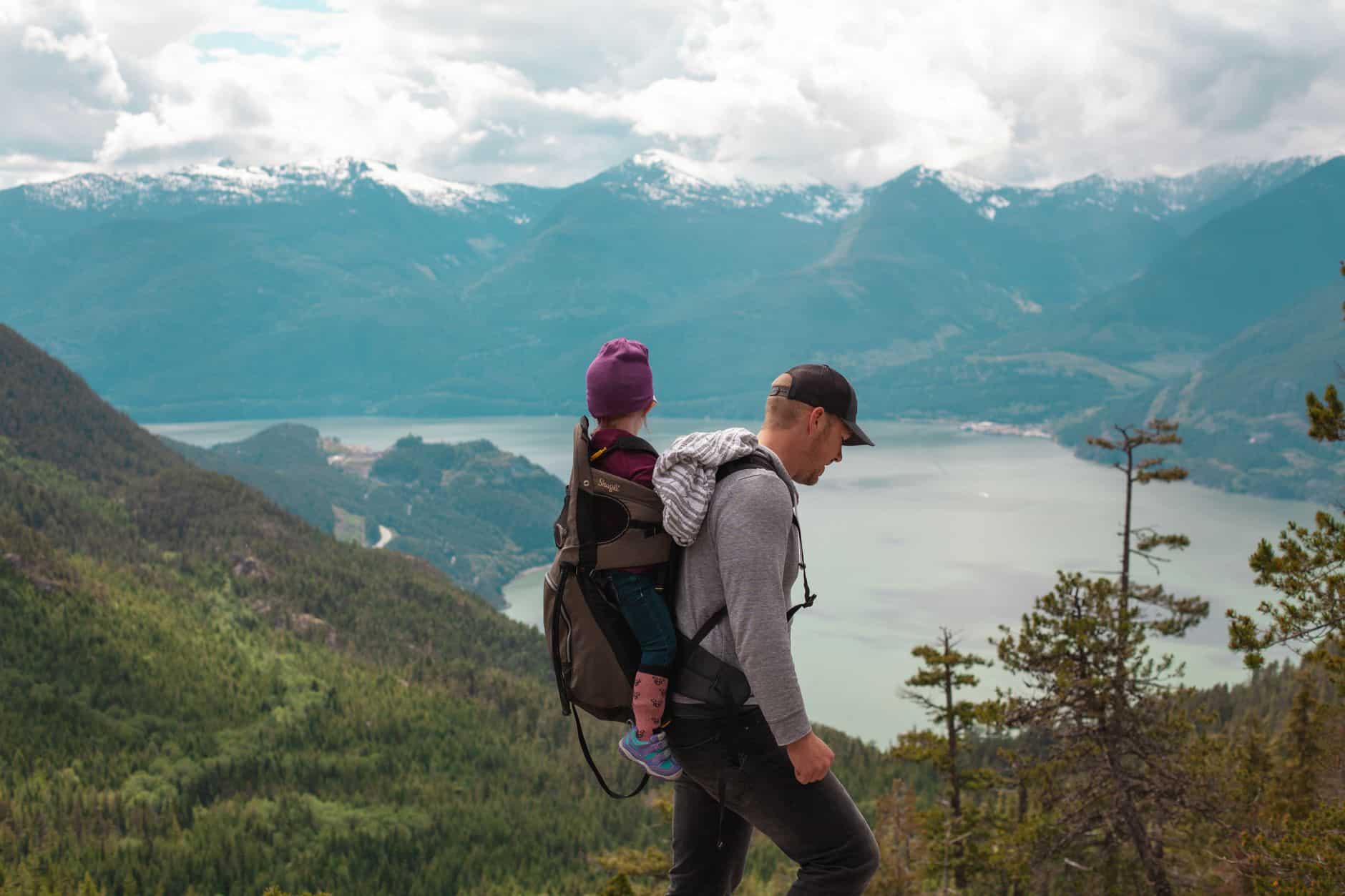
Rangers talk about kids with a consistency that’s striking. Specifically: the child who sees a wild animal in a natural habitat for the first time and responds with total, unperformed wonder. The eight-year-old at a first glimpse of Old Faithful who grabs a parent’s arm without looking away. The kid at the rim of a canyon who goes silent in a way that kids almost never go silent.
These moments are what rangers name first when asked why they stay. Not the salary (which is modest). Not the career advancement (which is limited). The specific phenomenon of watching a human being encounter something genuinely larger than themselves and respond to it honestly.
Many rangers also describe the visitors who come back — who’ve been visiting the same park for thirty years and know the trails and the seasonal rhythms and the specific meadow where the wildflowers peak. These repeat visitors are, by ranger accounts, among the easiest and most rewarding to work with. They’re not there to check a box. They have a relationship with the place, and that relationship shows in how they behave in it.
The Visitors Who Get It Right
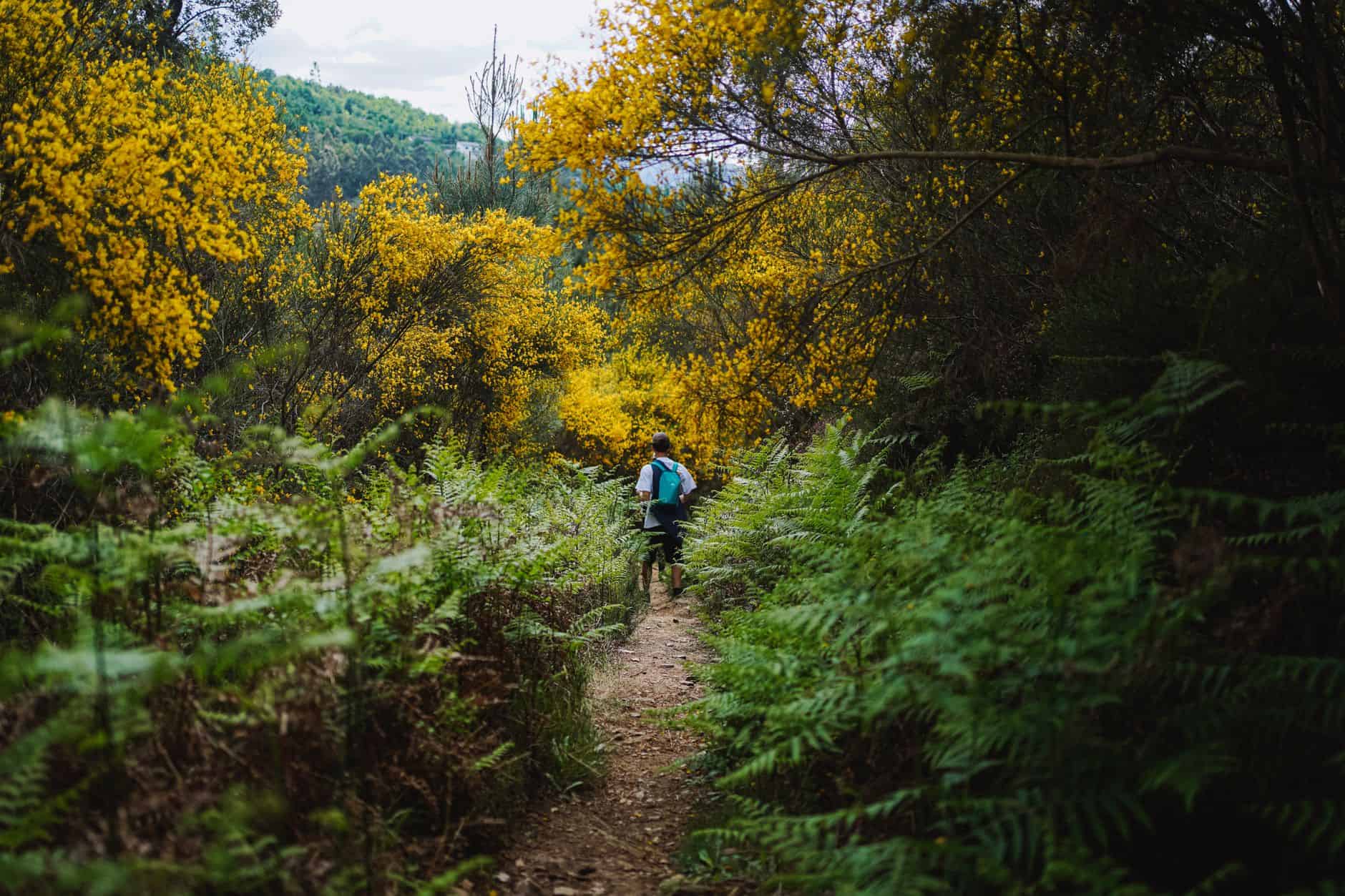
What distinguishes visitors who rangers describe as exemplary? A few consistent traits emerge.
Preparation. Not obsessive research, but the basic preparation that signals respect for the environment: appropriate footwear, sufficient water, knowledge of the trail rating and the distance, a rough understanding of weather patterns in that specific environment. Rangers can identify the prepared visitor within the first thirty seconds of conversation. The quality of their questions is different.
Curiosity that goes beyond the photo. The visitor who wants to understand what they’re seeing — who asks about the geology or the ecology or the history, who has questions that don’t resolve into better social media content — stands out in rangers’ experience as relatively rare and genuinely appreciated. Rangers are scientists and educators, and they’re hungry for visitors who want the education.
Leave No Trace adherence that goes beyond the rules to an internalized ethic. There’s a difference between the visitor who packs out their trash because they’re worried about the fine and the visitor who carries out someone else’s trash because the trail should be clean. Rangers know the difference immediately.
What the Phones Have Changed About the Visitor Experience
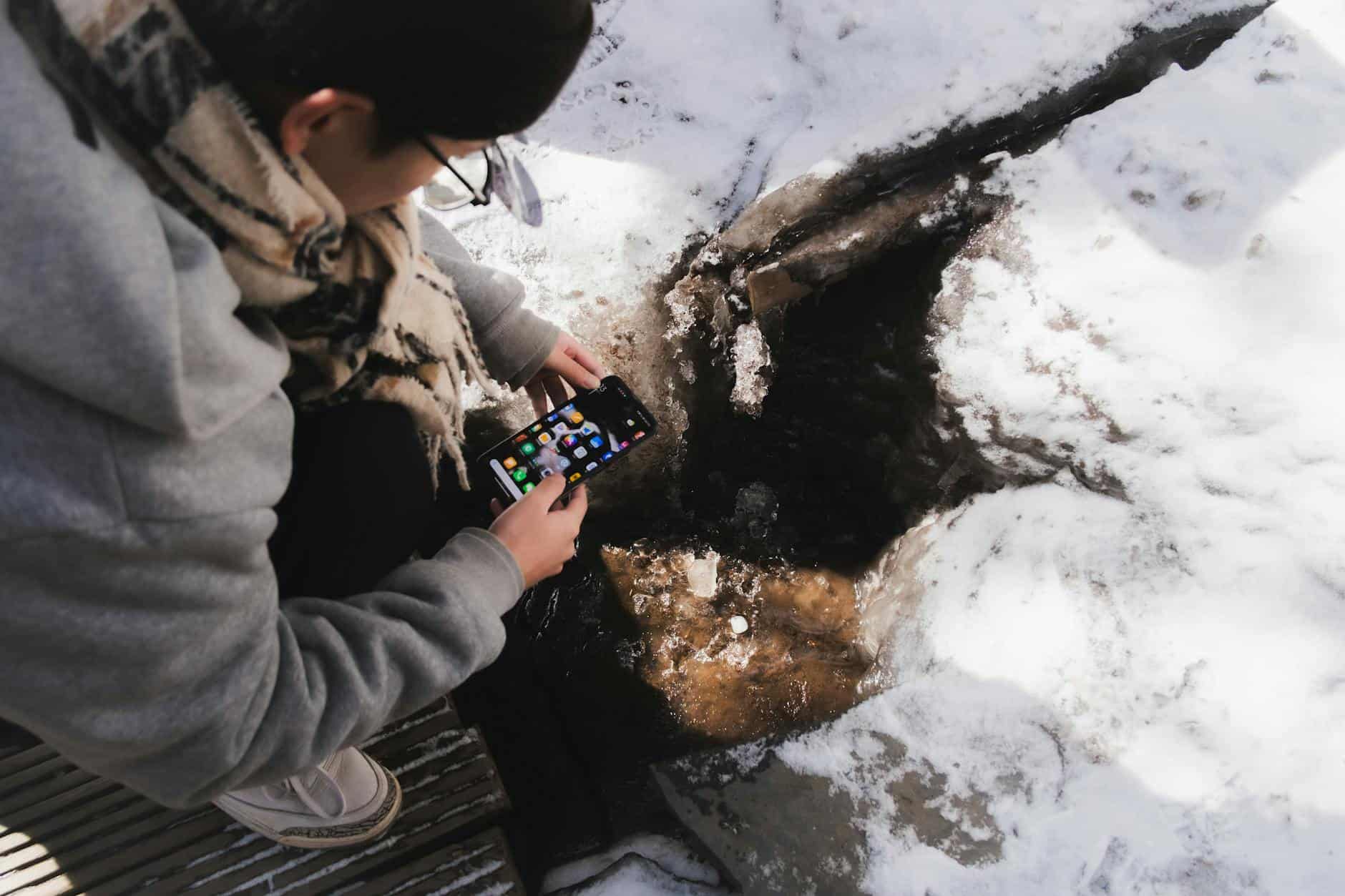
Rangers identify smartphone culture as the single most significant change in visitor behavior over the past decade, and their observations are more nuanced than simple phone-bashing.
On one hand, smartphones have generated genuinely dangerous behavior — the photo chase that leads someone off a marked trail toward an unstable ledge, the social media post that inadvertently reveals sensitive wildlife locations, the navigation app that confidently routes people down roads that are not passable in a sedan.
On the other hand, smartphones have made some aspects of park education more effective. The NPS apps are genuinely good. Trail data is more accessible. Information about Leave No Trace principles reaches more people more conveniently than any brochure ever did.
What rangers mourn is subtler: the loss of what they call “looking up time.” The park experience requires a certain quality of attention that phone use disrupts. You can’t have the experience of being in a landscape if you’re mediating it through a screen in real time. The mediation is the point — the documentation, the sharing — but it costs something that many visitors don’t notice they’ve paid until years later, when they can barely remember a trip they spent significant money to take.
What They Wish They Could Say
Rangers are trained in conflict de-escalation and visitor communication. Their professional voice is measured, educational, patient. Ask them what they’d say if they had no filter, and the answers are interesting.
They wish they could tell visitors that the park does not exist for their convenience. That the road through the park is not a highway that happens to have scenic views but a compromise between access and protection, and the protection should win more often than it does. That the five-minute delay caused by a bison crossing the road is not an inconvenience but the point — that the animal has right of way, always, and the appropriate response is not to honk.
They wish they could tell visitors that being in a national park is a privilege that requires something from you — not just the entrance fee, but attention and restraint and a willingness to be inconvenienced in service of something larger than your itinerary.
And they wish more visitors understood how much rangers love the places they protect. Not professionally love, but genuinely love in the way people love things they’d grieve if they lost. The land is not a backdrop for the job. It’s the reason the job exists, and the rangers who stay are the ones who never stop feeling that.