Every Travel List Keeps Naming This Mid-Size City and Nobody Can Figure Out Why It Isn’t Packed Yet
We may earn money or products from the companies mentioned in this post. This means if you click on the link and purchase the item, I will receive a small commission at no extra cost to you ... you're just helping re-supply our family's travel fund.
The New York Times put it on their “52 Places to Go” list. Travel + Leisure called it one of America’s most underrated cities. Condé Nast Traveler mentioned it. And yet: when was the last time you heard someone say they were heading to Tulsa for a long weekend?
That’s the paradox. Tulsa, Oklahoma keeps clearing the bar for editorial recognition from the publications that shape American travel culture — and then somehow doesn’t get the tourist traffic those placements should generate. Part of this is the Oklahoma problem (a state with a serious perception gap). Part of it is that Tulsa doesn’t aggressively market itself the way cities like Nashville or Austin do. And part of it is that the people who’ve discovered it seem almost reluctant to share it.
I went to understand why. Here’s what I found.
How Tulsa Became the Internet’s Favorite Secret
A few things converged to put Tulsa on the map in recent years:
- The city launched a “Tulsa Remote” program offering $10,000 cash plus benefits to remote workers who relocated there — it attracted national coverage and about 3,000 applicants annually before pausing
- A massive investment in the Gathering Place, a 100-acre riverfront park that opened in 2018 and is legitimately one of the best urban parks in the country — built with $465 million in private funding
- A food and cocktail scene that, for its size, punches well above its class
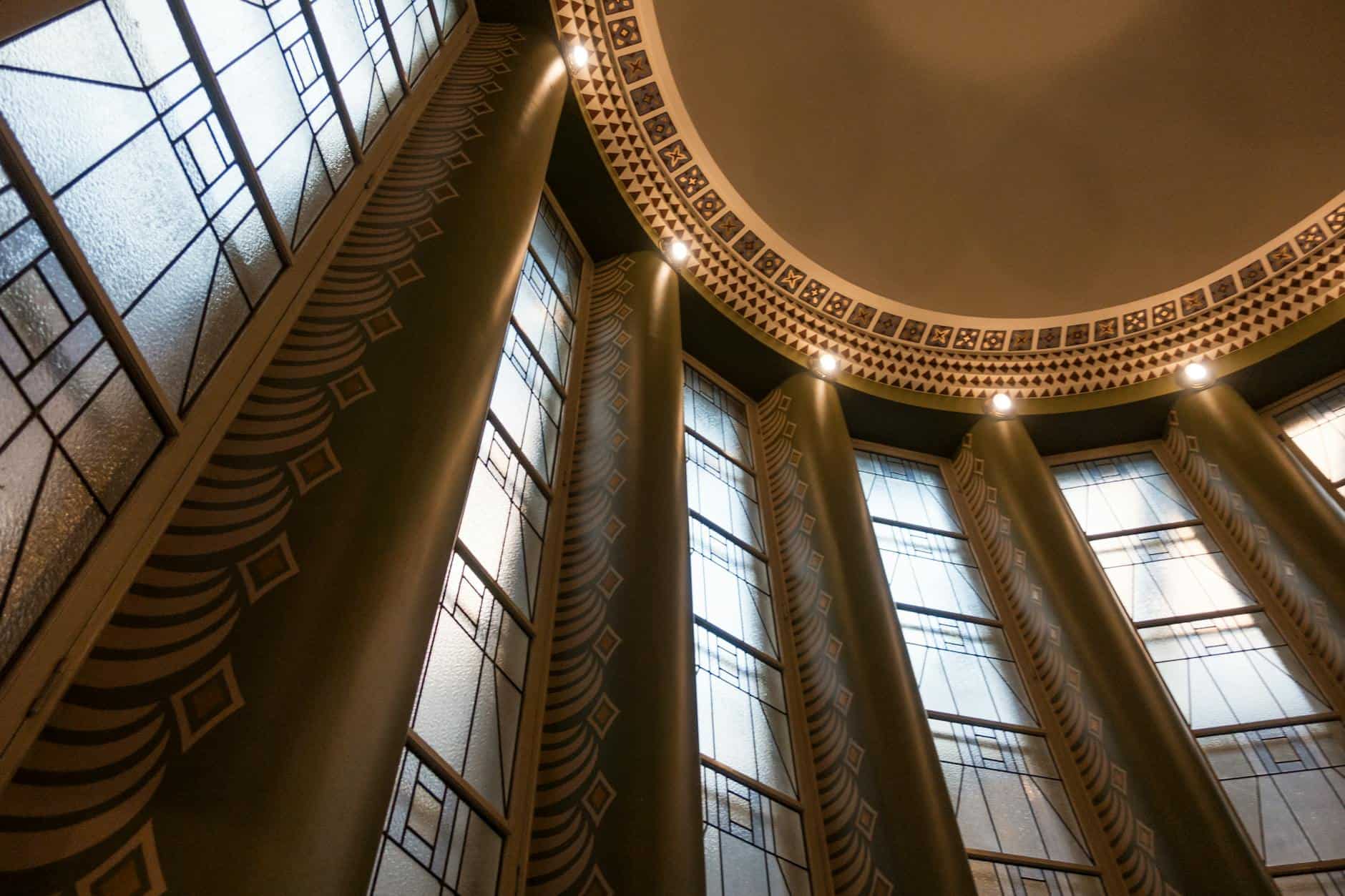
- The Art Deco architecture, which is remarkable and almost completely unknown outside of architectural circles
What hasn’t happened: the tourist infrastructure explosion that follows most “it city” moments. Tulsa still has affordable hotels. Still has restaurants where you can get a table on a Saturday night. Still has parking. It’s in that rare window where the quality is high and the crowds haven’t arrived.
The Art Deco Capital of the World (That Nobody Knows About)
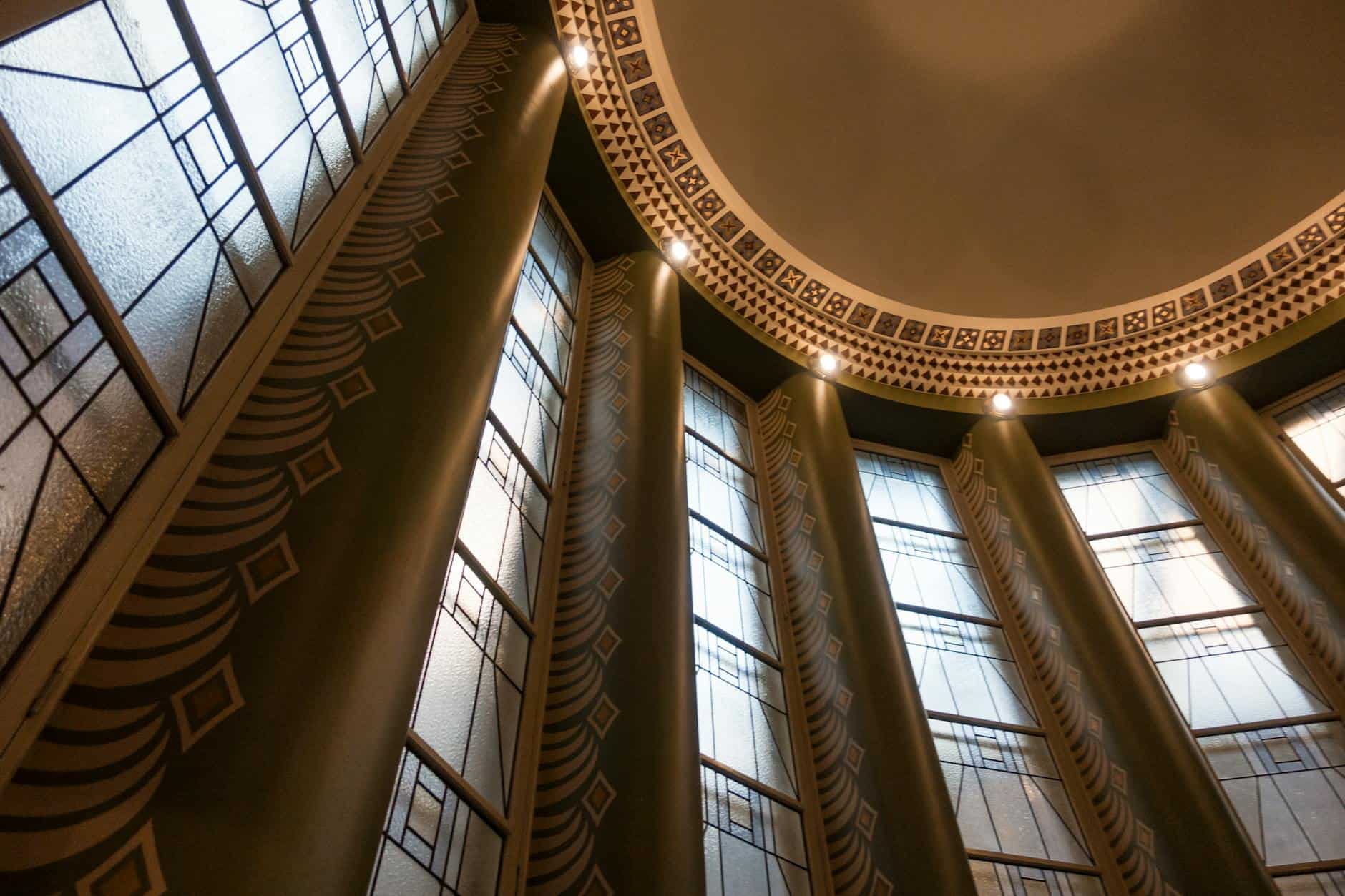
This is not a local claim or a tourist board exaggeration. Tulsa has one of the highest concentrations of Art Deco architecture in the world — a direct result of the Oklahoma oil boom of the 1920s and early 1930s, when oil money flowed into downtown building projects at the exact moment Art Deco was the architectural style of wealth and modernity.
What you’ll find downtown:
- The Philtower: A 1928 skyscraper with intricate Gothic-Art Deco detailing that most people walk past without realizing they’re looking at something genuinely extraordinary
- The Tulsa Club Building: Fully restored, now operating as a hotel — the lobby alone is worth visiting
- The Boston Avenue Methodist Church: Arguably the most significant Art Deco religious building in the United States. A National Historic Landmark. If it were in Chicago or New York, there would be tours running constantly. In Tulsa, you can often walk in and explore at your own pace.
- More than 100 additional Art Deco structures within walking distance of downtown
The Tulsa Foundation for Architecture offers walking tours, and the Deco District is compact enough to explore independently in an afternoon.
The Food Scene That Has No Business Being This Good
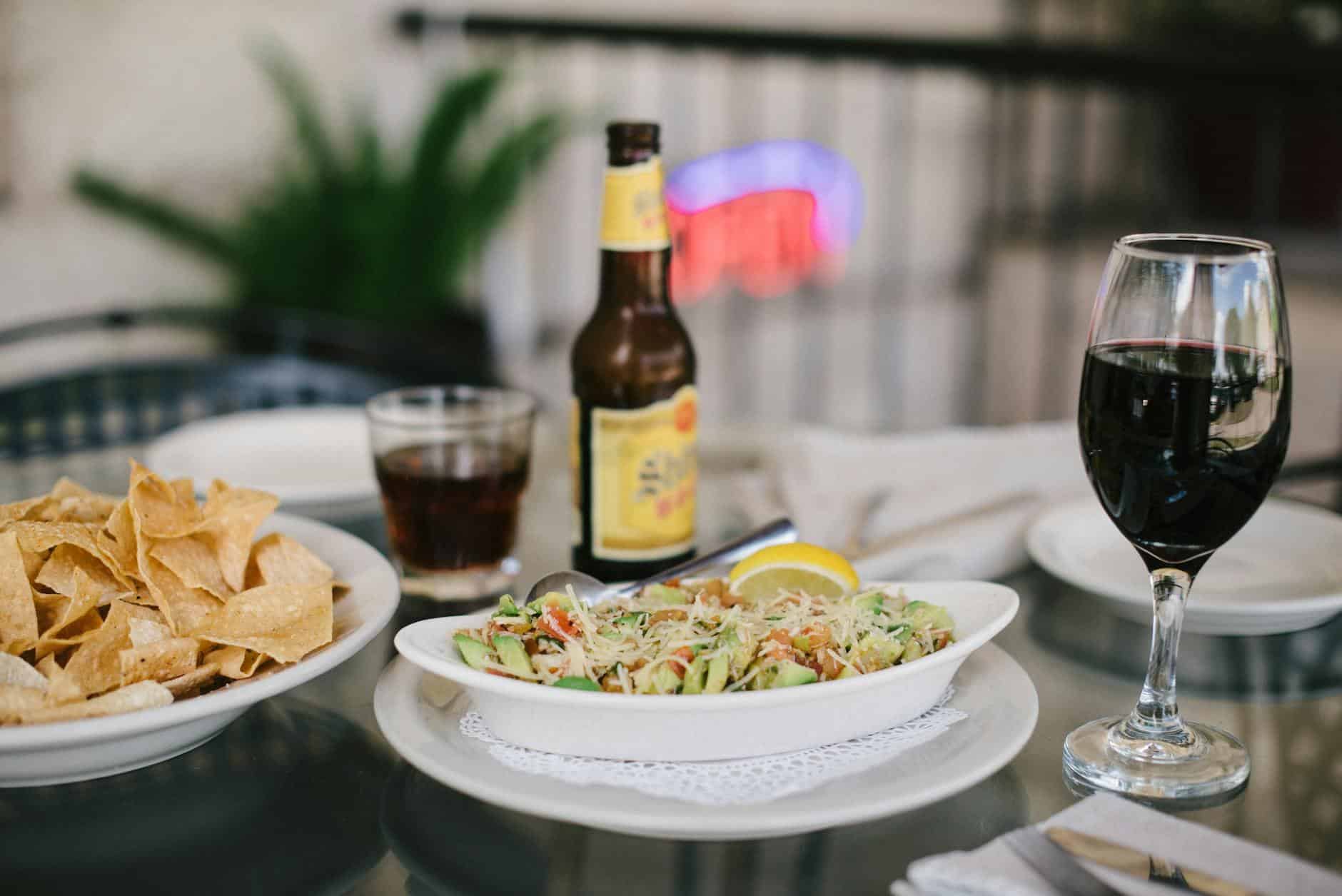
This is where the “hidden city” thing becomes genuinely hard to explain. Tulsa has:
- A James Beard Award-nominated chef scene that’s been producing national recognition for years
- A farm-to-table culture built on real Oklahoma agriculture infrastructure, not trend chasing
- A diversity of food driven by the city’s history — significant populations of Native American nations, Vietnamese immigrants (one of the best pho corridors in the South), and a growing Latino community
Specific places worth knowing about: The Vault, located in an actual former bank vault, for cocktails. Juniper, consistently cited as one of Oklahoma’s best restaurants. The Roosevelt Café for Art Deco surroundings with updated American food. The Cherry Street neighborhood for an accessible, walkable dining strip.
The Music and Nightlife That Surprises Everyone
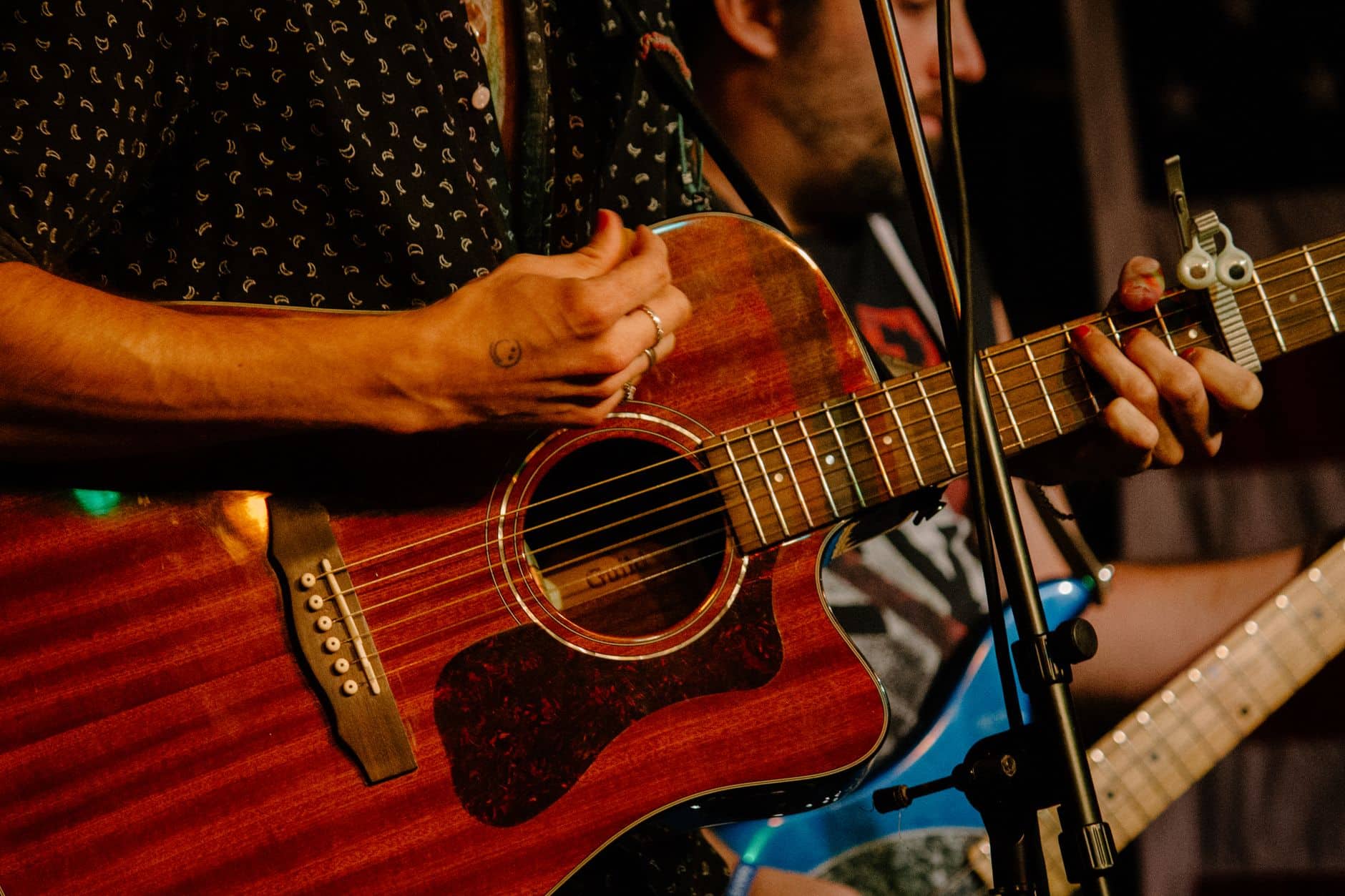
Tulsa is, historically and culturally, a music city. It was home to Leon Russell, J.J. Cale, and the sounds that shaped what became Tulsa Sound — a blend of R&B, country, and rock that influenced artists from Eric Clapton to Tom Petty.
- The Woody Guthrie Center is a world-class folk music museum — intimate, well-curated, and frequently ignored by people who assume Oklahoma means country music only
- The Cain’s Ballroom is a National Historic Landmark and one of the best mid-sized live music venues in America — known for its spring dance floor and a history that includes Bob Wills, the Sex Pistols, and everything in between
- The Brady Arts District has a concentration of live music venues, galleries, and bars that functions like a mini-Austin
What a Weekend There Actually Costs
This is where Tulsa distinguishes itself from every other city that gets this kind of editorial attention:
- Hotel (mid-range, downtown): $100–$160/night
- Dinner for two (quality restaurant): $60–$90
- Gathering Place, Woody Guthrie Center, Cain’s show: $20–$40 total
- Weekend total for two (flight not included): $400–$600 realistically
For comparison: a comparable quality weekend in Austin, Nashville, or Charleston runs $800–$1,200+ for two people. The Tulsa value proposition is real.
The Surrounding Area Adds Significantly to the Case
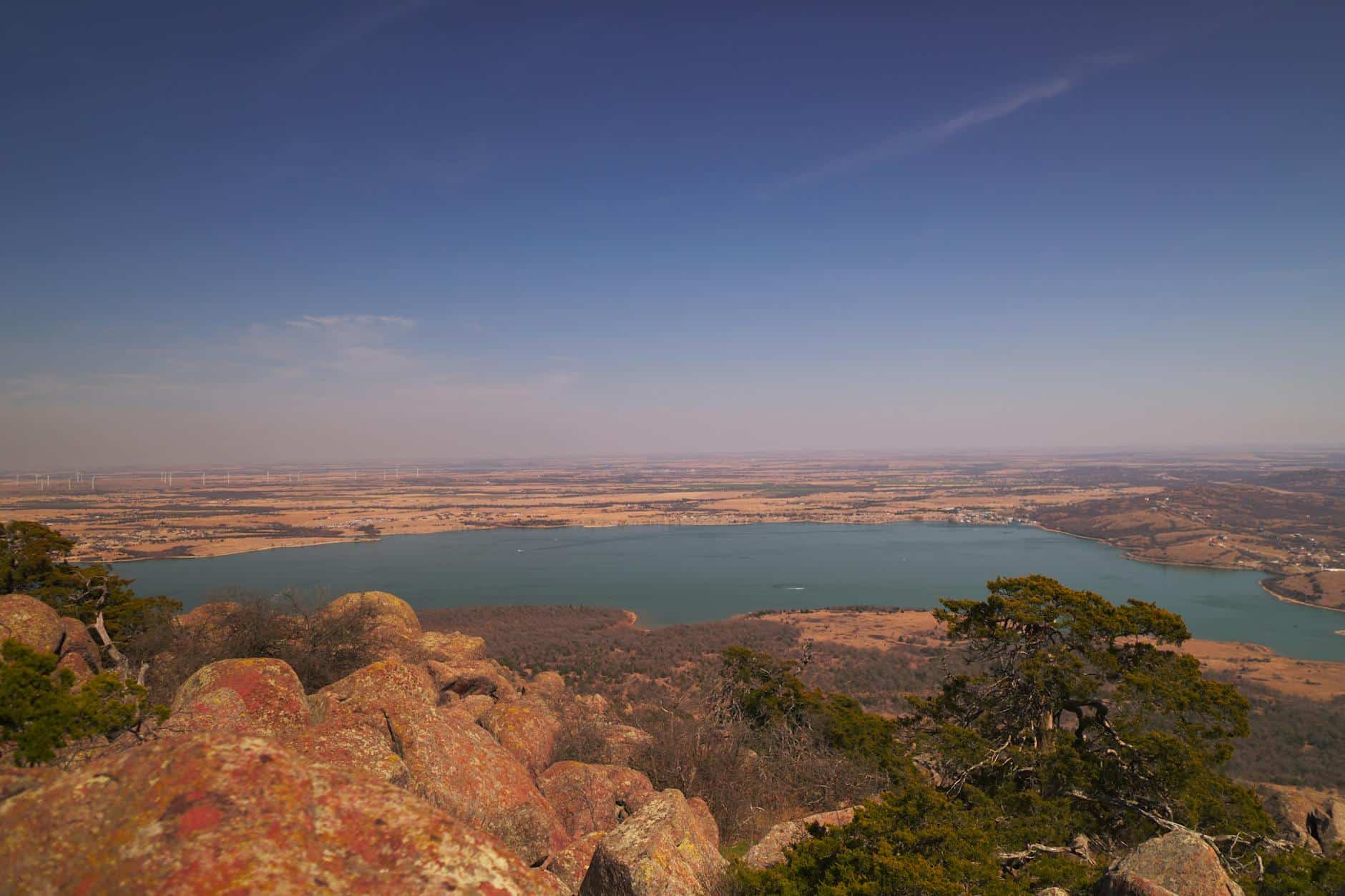
Tulsa is a good jumping-off point for things most people don’t know exist in Oklahoma:
- The Osage Hills State Park is less than an hour away and looks nothing like the Oklahoma stereotype — rolling cross-timber forest, completely uncrowded
- Pawhuska and the Pioneer Woman Mercantile is a legitimately good road trip an hour north
- The Route 66 experience through northeastern Oklahoma is better-preserved here than in many states, and the stretch between Tulsa and the Missouri border has authentic roadside Americana that’s genuinely interesting
Why It’s Still Not Overrun
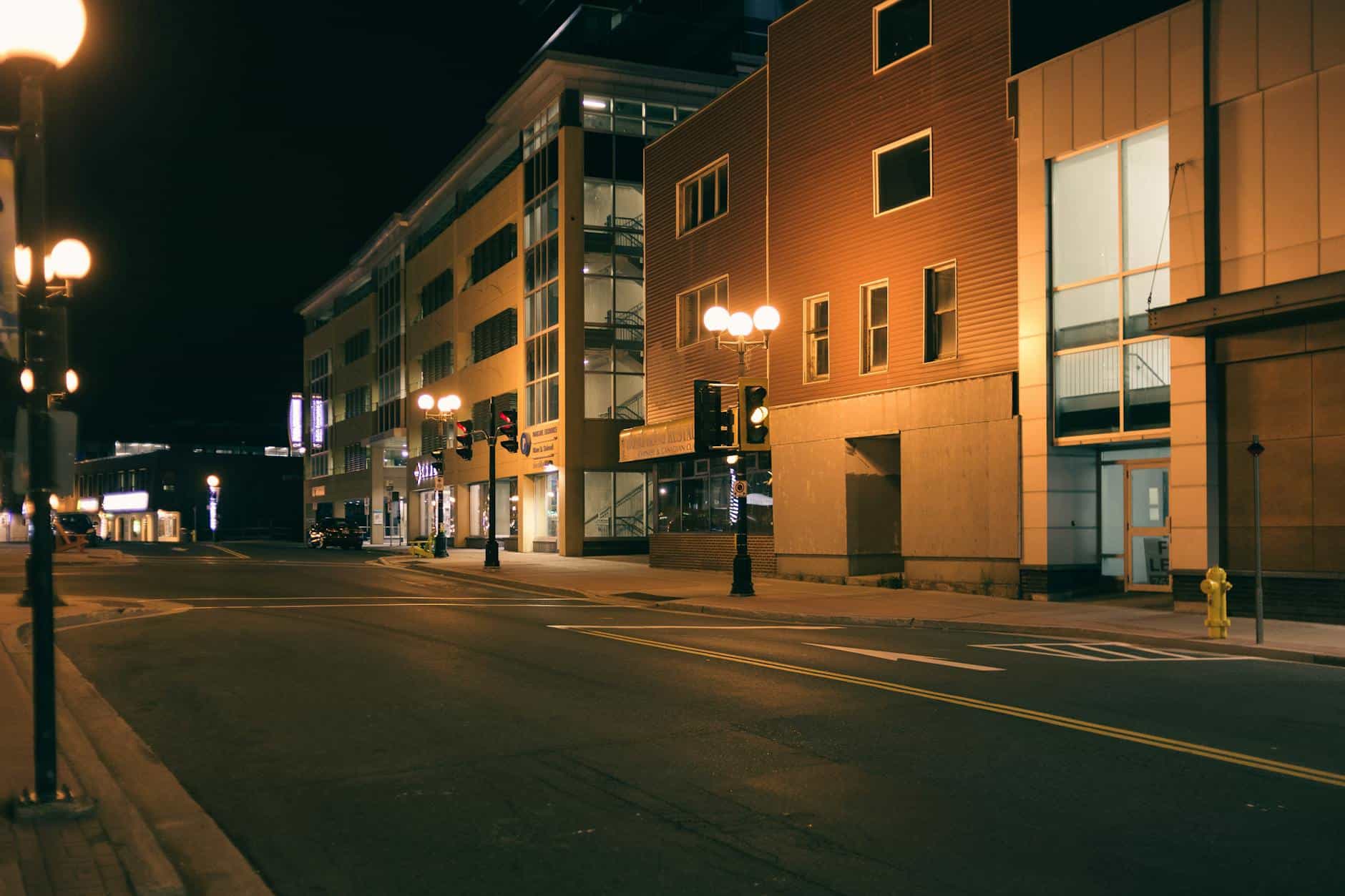
Honestly? The Oklahoma reputation problem is real. It’s hard to overcome decades of coastal dismissal of the entire region with a few positive travel articles. People see “Tulsa, Oklahoma” and their mental image involves flat plains, tornadoes, and cowboy culture — none of which accurately describes the city.
The other factor: Tulsa doesn’t have a single iconic, Instagram-viral landmark the way Sedona has red rocks or Nashville has honky-tonks. It’s a city you have to walk around and discover rather than photograph and leave. In the era of bucket-list tourism, places that reward exploration over documentation move more slowly through the hype cycle.
For travelers who like cities more than landmarks, that’s actually the pitch. Come before the developers figure out what they have.