Missed Your Connection — Here’s What the Airline Actually Owes You and What You Have to Fight For
We may earn money or products from the companies mentioned in this post. This means if you click on the link and purchase the item, I will receive a small commission at no extra cost to you ... you're just helping re-supply our family's travel fund.
This article contains affiliate links. If you book travel through our links, we may earn a commission at no extra cost to you.
Approximately 1 in 25 connecting itineraries on domestic U.S. routes involves a missed or at-risk connection in a given year, according to Bureau of Transportation Statistics data. The experience is common enough that airlines have formalized policies for handling it — policies that are not communicated to passengers proactively and that vary significantly by airline, ticket type, and the reason the delay occurred.
The difference between walking away with a hotel, a confirmed seat on the next morning’s flight, and $200 in meal credits versus sleeping in the terminal on a bench often comes down to what you say at the gate agent desk in the first 20 minutes.
The Crucial Distinction: Airline-Caused vs. Weather-Caused Missed Connections
Every airline’s passenger contract of carriage makes a fundamental distinction between delays caused by the airline (mechanical issues, crew scheduling problems, late incoming aircraft) and delays caused by factors the airline characterizes as outside its control (weather, air traffic control, security events).
For airline-caused delays that result in a missed connection, U.S. carriers are contractually obligated under their own policies — and often under DOT guidance — to rebook you on the next available flight at no additional charge, provide hotel accommodations if an overnight stay is required, and provide meal vouchers. The DOT’s Airline Customer Service Dashboard, launched in 2022, rates each major U.S. carrier’s commitment to these obligations and many carriers have made formal commitments to specific compensation levels.
For weather-caused delays, airlines are legally obligated to rebook you at no charge — but they are generally not obligated under U.S. law to provide hotel or meal vouchers. This is the most important piece of fine print most travelers don’t know. If a snowstorm delayed your inbound flight and you miss your connection, the airline will rebook you but likely won’t pay for the hotel.
What the Airline Is Legally Required to Do in the First Hour

The U.S. has weaker passenger rights protections than the EU — but carriers’ own contracts of carriage often exceed the legal baseline. Delta’s customer commitment, for example, specifies that for controllable delays requiring an overnight stay, it will provide hotel accommodations and transportation to the hotel for passengers who request it.
The first hour after landing on a delayed inbound flight is when rebooking options are most fluid. Airlines’ automated systems begin working on affected connections within minutes of a delay being logged — in some cases, your boarding pass for a rebooked flight may be waiting in your app before you leave the arriving plane.
If the automated rebooking is not showing in your app, your first call should be to the airline’s customer service phone line, not to the gate agent desk. Phone hold times and gate agent queues run simultaneously, and the phone line often produces faster results when the gate has a long line of similarly stranded passengers.
Hotel Vouchers, Meal Vouchers, and What ‘Standard Amenity’ Actually Means

When an airline provides a hotel voucher for an involuntary overnight stay, the accommodation is almost always a specific contracted property near the airport — not the airport’s nicest hotel and not your hotel of choice. Airline-contracted overnight hotels are reliable and functional. They are typically Hampton Inn or Marriott Courtyard tier properties at major hub airports, with shuttle transportation provided.
Meal vouchers, when provided, range from $12 to $20 per meal in most airline standard policies. At hub airports with expensive food options, this covers roughly one fast food meal. A Delta agent interviewed by travel journalist Matthew Klint described the standard meal voucher as “a 2009 voucher that hasn’t been updated for airport food inflation.”
The airline’s obligation for amenities generally activates when the required overnight stay exceeds approximately four hours and is within the airline’s service area. Passengers in international transit, or who are stranded at an outstation (a smaller airport without full airline staff), have fewer automatic protections.
The Rebooking Hierarchy — How Airlines Decide Who Gets on the Next Flight
When multiple passengers have missed the same connection and a limited number of seats are available on the next flight, airlines apply a rebooking priority that mirrors the bump vulnerability hierarchy. Elite members on full-fare tickets book first. Non-status passengers on discount fares book last.
The specific mechanics vary by carrier, but the principle is consistent: the same loyalty-status hierarchy that governs seat selection and upgrade eligibility governs the rebooking queue. A Delta Diamond passenger and a basic economy non-status passenger both on the same missed connection are competing for the same seats on the next flight, and the Diamond passenger’s rebooking is being processed first.
Passengers who call the customer service line while simultaneously standing in the gate agent line effectively double their chances of getting a preferred rebooking option — phones can access different inventory queues than gate agents in some cases. Several experienced travelers on frequent flyer forums have documented cases where the phone agent confirmed a seat that the gate agent then issued, faster than the gate queue alone.
When They Try to Put You on a Codeshare or Partner Flight
For travelers stranded by a missed connection with no same-day options on the original carrier, airlines with codeshare and alliance partnerships may offer rebooking on partner airline flights. This is often presented as the only available option, but the terms matter.
If you’re rebooked on a partner carrier, you’re entitled to the same class of service as your original ticket. An airline cannot rebook you from business class on your original carrier to economy on a partner carrier without a fare adjustment. In practice, this rule is frequently tested at the gate under time pressure, and passengers who don’t know to assert it often accept the downgrade.
Alliance partnerships (Star Alliance, SkyTeam, oneworld) create the most rebooking flexibility. Interline agreements cover a broader set of carriers but with less standardized terms. If an agent mentions placing you on an “interline” carrier, ask specifically about what your rights are to the same service class and what happens to your checked bags.
How Credit Card Travel Insurance Changes the Whole Equation
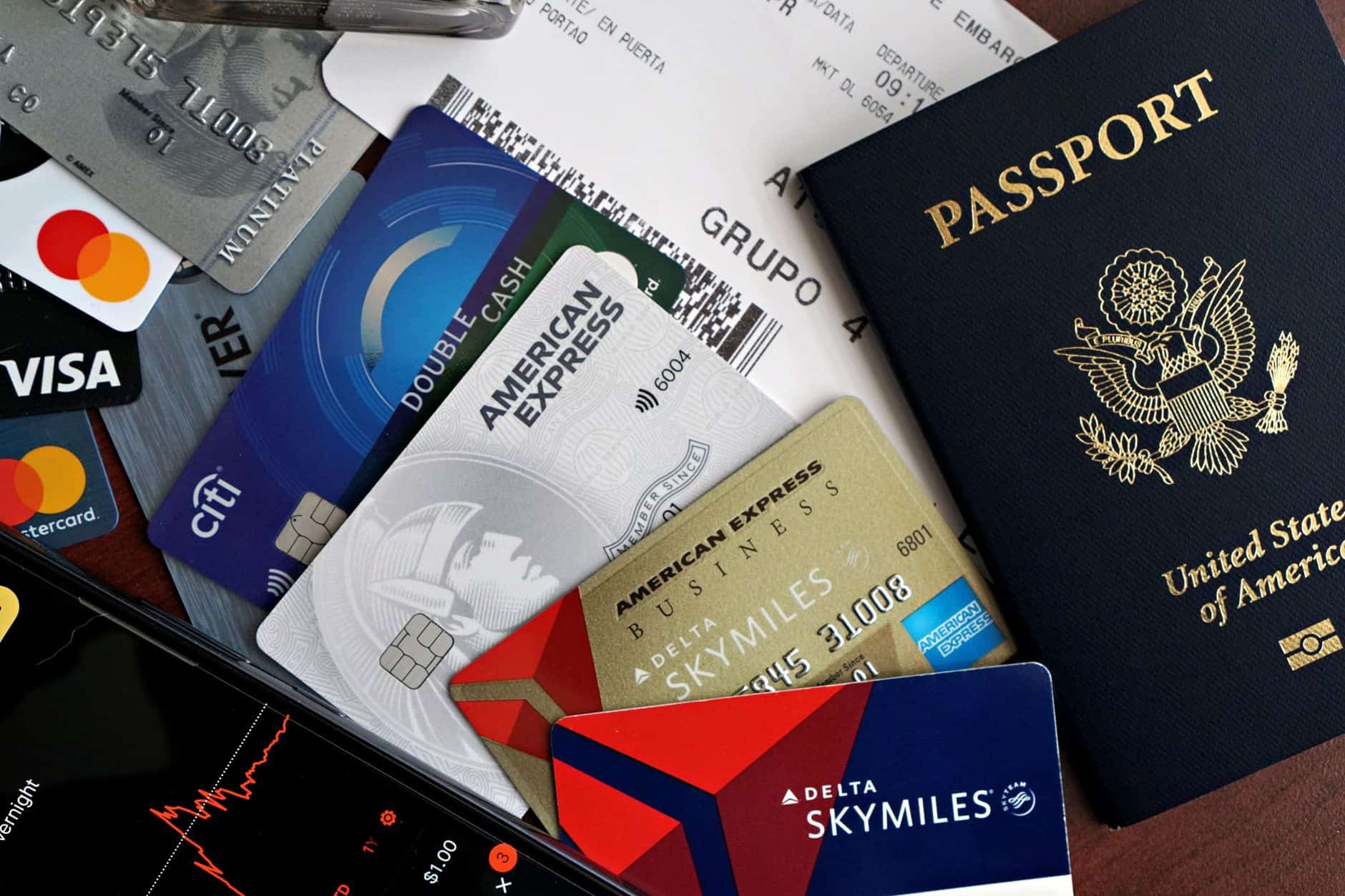
Travel credit cards with trip delay and trip interruption insurance fundamentally change the calculation for travelers stranded overnight. Cards including the Chase Sapphire Reserve, Amex Platinum, and several others provide trip delay reimbursement of $500–$1,000 per ticket for delays exceeding 6–12 hours, covering hotel, meals, and ground transportation.
This coverage exists in parallel with whatever the airline provides. If the airline gives you a hotel voucher, you can use the credit card coverage for meals and incidentals beyond what the voucher covers. If the airline provides nothing (as in a weather delay), the credit card coverage fills the entire gap.
The documentation requirement for credit card travel insurance claims is specific: you need written confirmation from the airline of the delay reason and duration, receipts for all claimed expenses, and your original flight confirmation. Collecting these at the airport rather than reconstructing them afterward significantly improves claim processing time.
The Specific Phrases to Say at the Gate Agent Desk That Actually Work

Experienced travelers and travel journalists who cover consumer advocacy have identified specific language that produces better outcomes at gate agent desks. The phrases are not magic — they’re signals to the agent that you understand your rights and are not going to accept the first offered solution passively.
“I need to confirm that this delay is a controllable cause” — this signals that you know the weather vs. mechanical distinction and are asking the agent to acknowledge which category applies. Agents are less likely to misdescribe a mechanical delay as weather when the passenger is watching.
“Can you check what’s available on your partner carriers as well” — this opens the rebooking search to the full alliance network rather than just the operating carrier’s own flights.
“I’d like to document the amenity options in writing” — asking for the hotel and meal voucher offer to be provided in app confirmation rather than verbally creates a paper trail that the airline cannot subsequently dispute.
What to Do If You’re Stranded Internationally
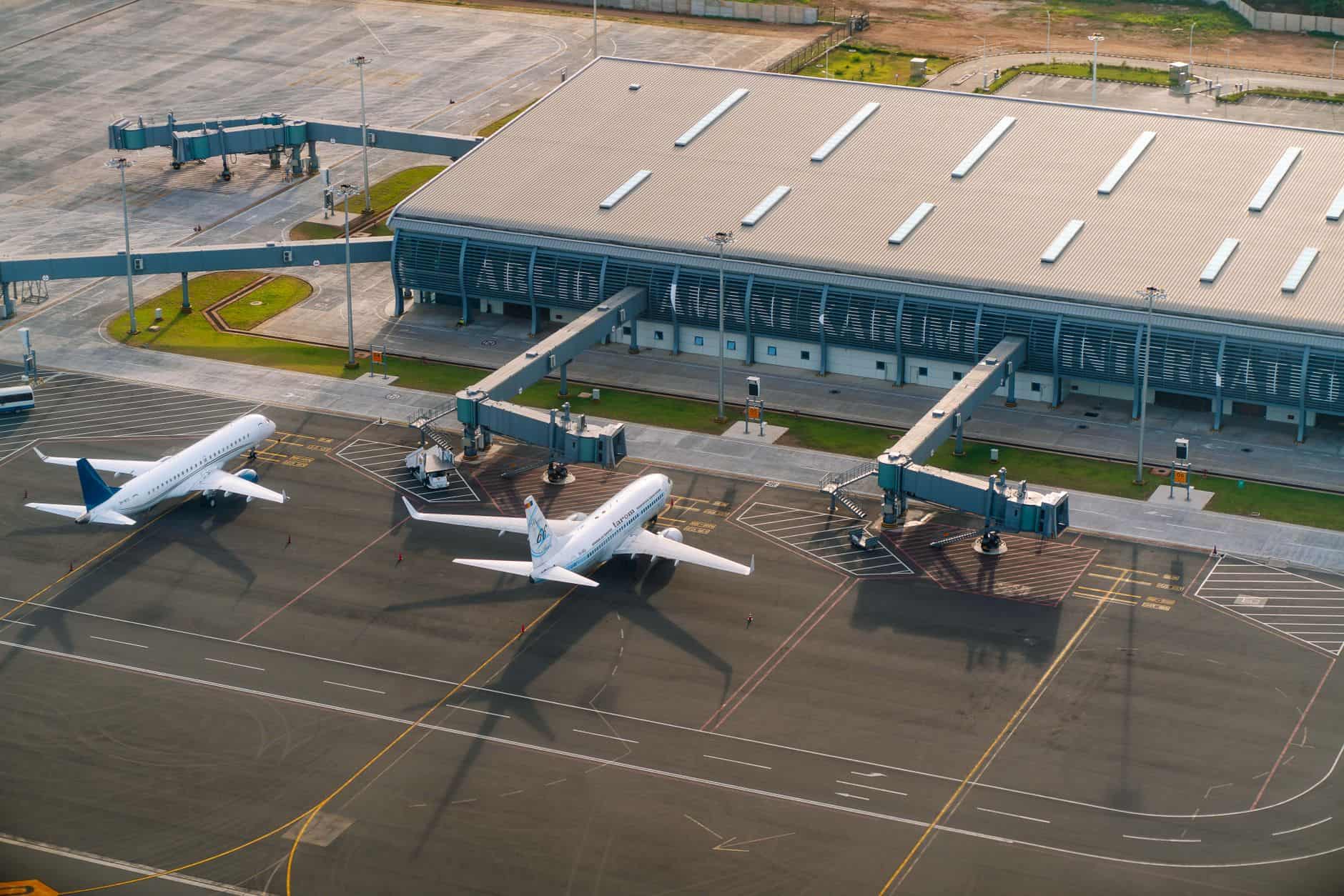
Passengers stranded by missed connections on international itineraries have both more protection (EU261 regulations apply to flights departing EU airports regardless of carrier, providing standardized compensation) and more complexity (documentation, language barriers, fewer flights).
For U.S.-EU routes where the missed connection occurs at a European hub, EU261/2004 applies and mandates €250–€600 per passenger in compensation for airline-caused delays over three hours on arrival. This is cash compensation, not vouchers, and it is owed regardless of whether the passenger accepts the rebooked flight.
The most critical advice for internationally stranded travelers is to document everything in writing before leaving the airport. Get the delay reason and duration confirmed by airline staff in writing or email. Photograph the departure board showing the delay. Collect receipts for all expenses. EU261 claims can be filed up to three years after the incident in most member states, but documentation collected at the time is materially easier to use than documents reconstructed afterward.