Airport Currency Exchange vs. ATMs vs. Your Credit Card — Someone Did the Math So You Don’t Have to
We may earn money or products from the companies mentioned in this post. This means if you click on the link and purchase the item, I will receive a small commission at no extra cost to you ... you're just helping re-supply our family's travel fund.
This article contains affiliate links. If you book travel through our links, we may earn a commission at no extra cost to you.
The global travel money ecosystem has three major participants — airport currency exchange operators, ATM networks, and card payment networks — and each has a different fee structure, a different marketing presentation, and a different gap between what they say they charge and what you actually pay.
The variance is not small. A traveler who exchanges $500 at an airport kiosk will get a different result than one who uses a no-fee credit card at the same hotel, and the difference can be significant enough to matter for a real travel budget.
How Airport Currency Exchange Kiosks Make Their Money
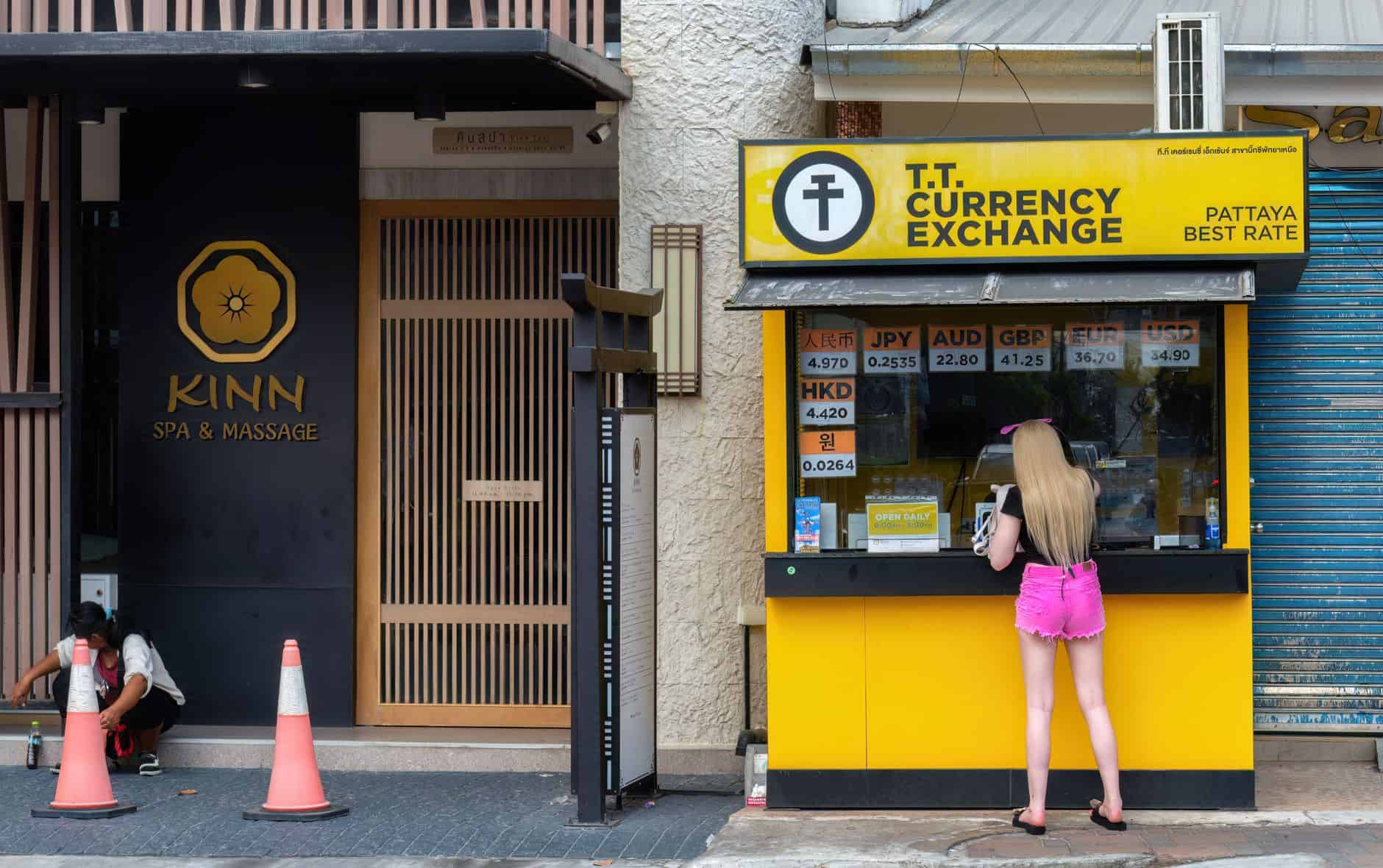
Currency exchange operators at airports pay premium rents for their locations and make their money through two mechanisms that many travelers conflate: the exchange rate spread and explicit fees.
The exchange rate spread is the gap between the rate at which the kiosk buys your dollars and the interbank exchange rate (the rate at which major banks trade currency with each other). A well-run exchange operation at a European airport might offer a spread of 3–5% from the interbank rate. Airport operators in captive environments — where you have no alternative and limited time — commonly operate spreads of 8–15%.
On top of the spread, most kiosks charge a transaction fee of $5–$15 labeled as a “service fee” or “exchange fee.” Travelex, the largest airport currency exchange operator globally, has faced consumer complaints in multiple countries over the clarity of its fee disclosure. Its “no commission” marketing at some locations refers specifically to the transaction fee while a larger-than-average spread generates the actual margin.
The net effect: exchanging $500 at a typical U.S. airport currency kiosk before an international departure will cost you $45–$75 in spread and fees combined. The “guaranteed rate” offers that some kiosks advertise as a premium option typically deliver rates only 2–3% better than their standard rate — not the competitive rate available through better channels.
The ATM Fee Stack That Most Travelers Don’t See Coming
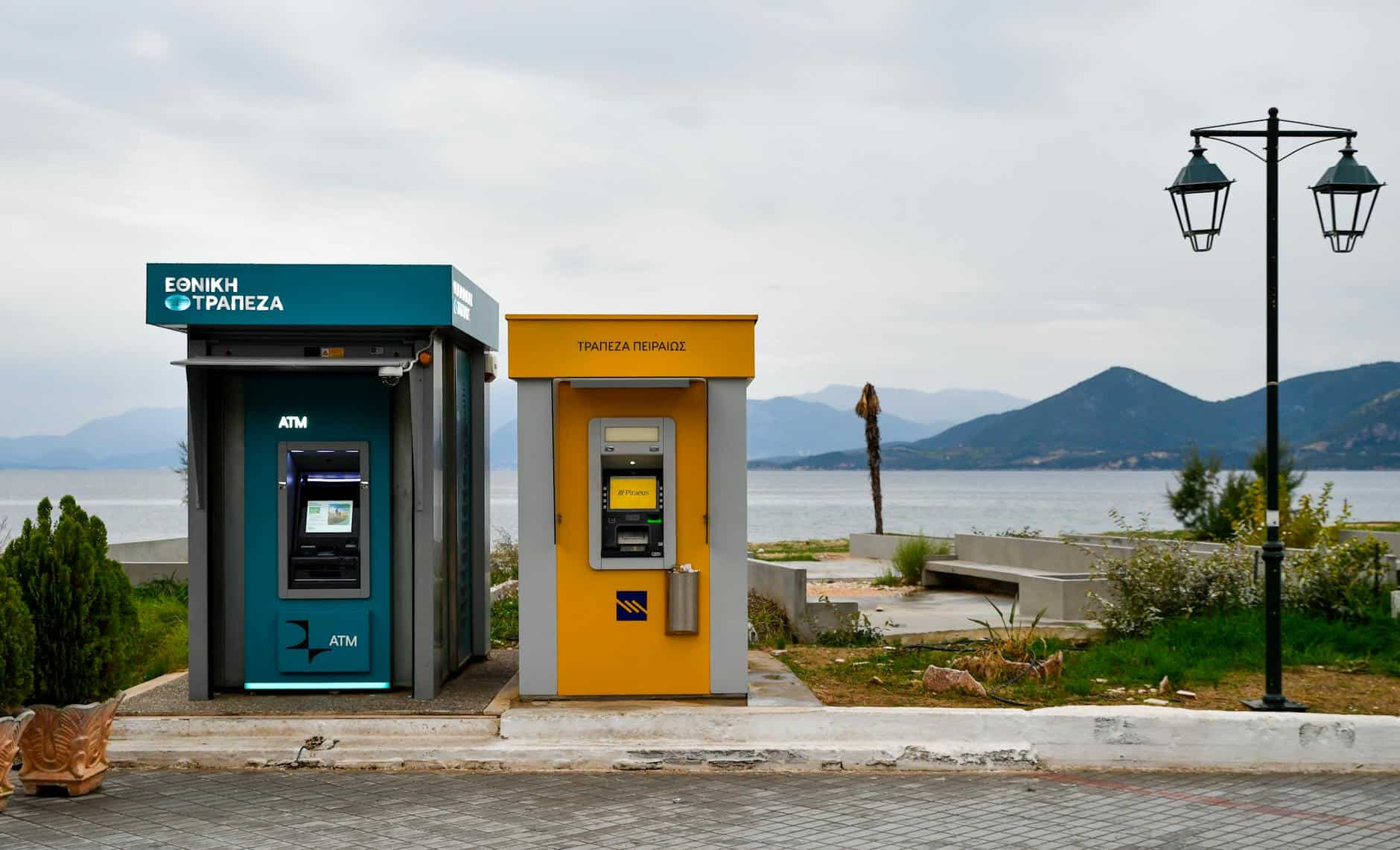
International ATM withdrawals involve a fee stack that has up to four layers, any combination of which can apply depending on your bank, the ATM operator, and the network:
1. Your home bank’s foreign transaction fee: typically 1–3% of the withdrawal amount 2. Your home bank’s international ATM fee: typically $2–$5 flat 3. The foreign ATM operator’s fee: varies widely by country and machine, $2–$8 in most European markets 4. The network’s currency conversion fee: typically 1% assessed by Visa or Mastercard
A $200 ATM withdrawal through a fully fee-laden stack — common when using a standard checking account debit card at a non-partner bank ATM — can incur $12–$20 in fees, representing 6–10% of the transaction value.
The specific ATMs to avoid: private operators (often marked with generic “ATM” signage rather than a bank name), tourist area ATMs in areas with no competition, and any machine that offers to convert the currency for you at the machine rather than processing in local currency.
Credit Cards Without Foreign Transaction Fees: The Actual Rate You Get

Credit card networks (Visa, Mastercard, Amex, Discover) conduct international transactions at the interbank exchange rate plus a network assessment fee of approximately 1%. Issuers that waive the foreign transaction fee pass this transaction to the consumer at approximately 1% above the interbank rate.
This is the best rate available to most travelers through conventional financial products. Capital One, Charles Schwab, and most travel-focused credit card issuers charge no foreign transaction fee. The exchange rate you receive is within 0.5–1.5% of the interbank rate, which is effectively invisible in day-to-day travel spending.
The exchange rates published by Visa and Mastercard are publicly verifiable through each network’s exchange rate calculator. Travelers who want to benchmark what they should be receiving can check the rate for any date on the Visa Exchange Rates portal or the Mastercard Currency Converter.
Dynamic Currency Conversion: The Hidden Fee That Looks Like a Courtesy
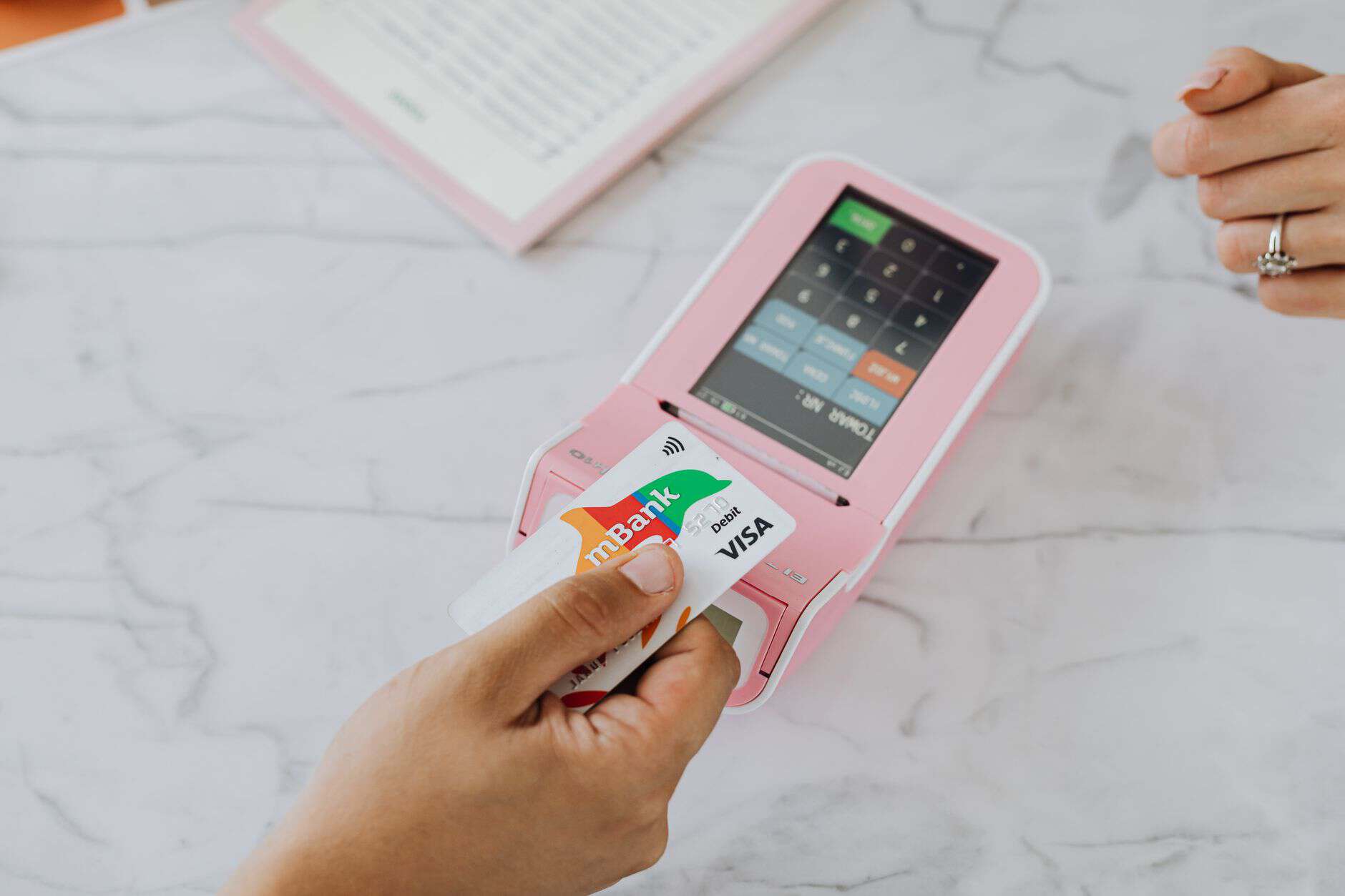
Dynamic currency conversion (DCC) is a service offered by foreign merchants and ATMs that allows you to pay or withdraw in your home currency (dollars) rather than the local currency. It is presented as a helpful transparency feature — “so you know exactly how much you’re spending in dollars” — and it is almost universally a worse deal.
When you accept a DCC transaction, you are agreeing to the merchant’s or ATM operator’s exchange rate rather than the card network’s rate. DCC rates typically run 4–7% above the interbank rate — significantly worse than the 0.5–1.5% premium charged by major card networks.
The correct response when a terminal or ATM asks “Would you like to be charged in USD or [local currency]?” is always local currency. Choosing dollars sounds like the safer, simpler option. It is the more expensive one.
Some merchants in tourist-heavy areas default to DCC without asking. If your receipt shows a charge in dollars from a foreign merchant and you have a no-fee card, you’ve likely been DCC’d without consent. This is a disputable charge under Visa and Mastercard policies.
The Specific Math on a $500 Cash Transaction by Each Method
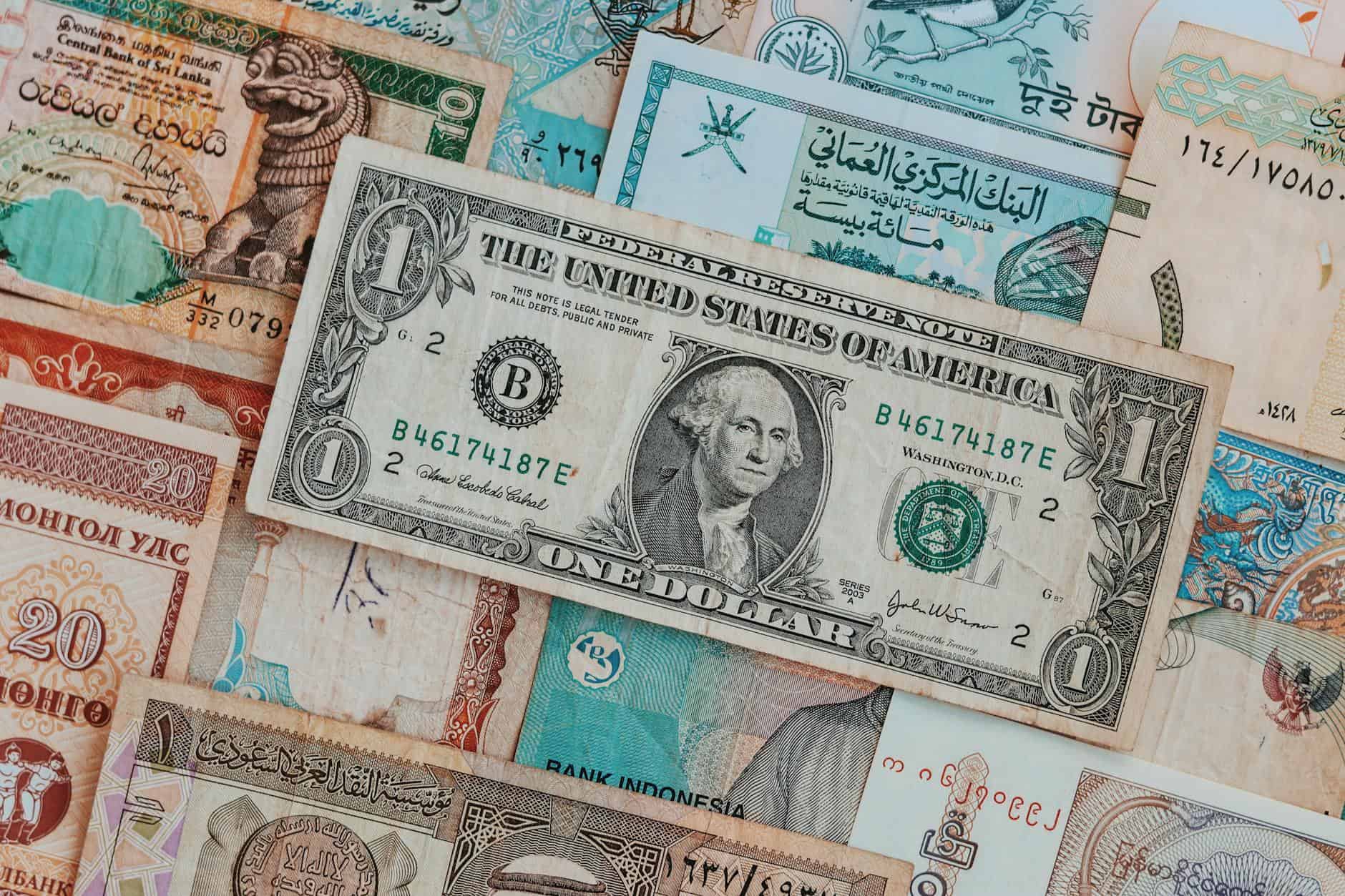
Using the Euro as the benchmark currency and current mid-2025 exchange rate conditions, here is the approximate math for accessing $500 in euros:
Airport currency exchange (typical tourist market): You receive approximately €420–€440, paying $60–$80 in spread and fees.
Standard bank debit card at foreign ATM (with full fee stack): You receive approximately €455–€465, paying $35–$45 in fees.
Charles Schwab debit card (rebates all ATM fees, no foreign transaction fee): You receive approximately €478–€482, paying $18–$22 in network assessment only.
No-fee travel credit card for purchases (no cash): You receive the equivalent of €485–€490 in purchasing power, at 0–1% above interbank rate.
The difference between worst-case (airport kiosk) and best-case (no-fee credit card) on a $500 transaction is approximately $60–$70 — enough to cover a good meal in most European cities.
Which Countries Still Need Cash (and How Much to Carry)
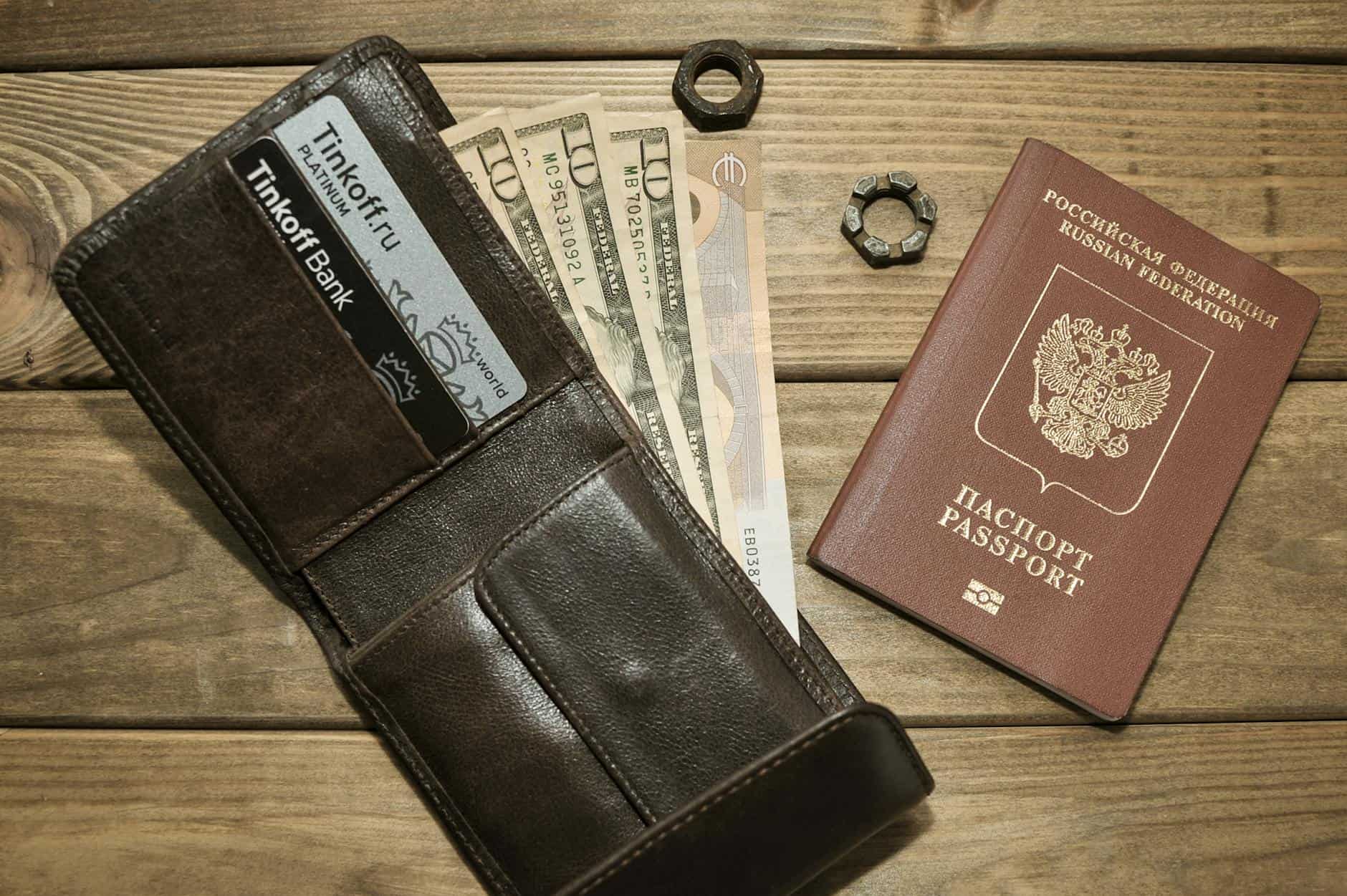
Cardless destinations are becoming rarer but remain significant. Japan remains predominantly cash-based outside of Tokyo’s tourist areas, with many traditional restaurants, temples, and transit systems requiring yen. Morocco’s medinas and souks are cash-only. Large portions of Southeast Asia outside major urban hotels and shopping centers operate on cash.
Even in highly card-friendly destinations, cash serves specific use cases: tipping in contexts where service workers prefer not to share tips with the house (which a card system may require), small vendors in market settings, emergency situations when card systems are down, and border crossings where electronic payment infrastructure is unreliable.
Travel finance advisors generally recommend carrying cash equivalent to one to two days of spending per trip segment, accessed through the lowest-fee method available — which in most cases is a Schwab or similar debit card at a major bank ATM after arrival at the destination, not before departure.
The Pre-Travel Setup That Eliminates Most of These Fees

The setup that nearly eliminates travel money fees: a Charles Schwab Bank High Yield Investor Checking account (reimburses all international ATM fees globally, no foreign transaction fee on debit transactions), paired with a no-fee travel credit card for purchases.
The Schwab account takes approximately one week to open and fund. The combination of the Schwab debit card for cash withdrawals and a no-fee card for purchases eliminates the airport kiosk transaction, the bank fee stack on ATM withdrawals, and the DCC risk on merchant transactions.
The specific pre-departure steps: notify both your card issuers of travel dates and countries (most can be done through the app), confirm your PIN works for international cash machines (credit card PINs for cash advances are different from debit PINs), and carry one backup card from a different network in case of network outages.
The Actual Worst Thing You Can Do at an Airport With Money
The single most expensive travel money decision, worse than the airport kiosk by a measurable margin, is purchasing foreign currency from your U.S. bank before departure. Major U.S. banks including Chase, Bank of America, and Wells Fargo offer foreign currency ordering services with delivery to branch or airport — at exchange rate spreads that are typically 10–20% above the interbank rate.
Bank of America’s foreign currency order service has been documented in consumer comparison studies at spreads of 14–18% above the mid-market rate. Wells Fargo’s in-branch exchange has produced similar figures. The banks present these services as convenient and safe — which they are, in the physical sense. They are also among the most expensive legitimate methods to access foreign currency available in the United States.
The marketing of these services as “avoiding foreign ATM hassles” positions cost as a secondary consideration. For travelers who run the math, the ATM hassle — even with a standard bank’s fee stack — is almost always cheaper than the bank’s pre-departure currency ordering service.