Minneapolis Gets -30°F Winters and One of the Best Park Systems in America. Here’s Why People Actually Stay
We may earn money or products from the companies mentioned in this post. This means if you click on the link and purchase the item, I will receive a small commission at no extra cost to you ... you're just helping re-supply our family's travel fund.
Minneapolis, Minnesota averages -8°F on its coldest nights and receives 54 inches of snow annually. Wind chills of -30°F are not unusual in January and February. By any climate-comfort metric, it should be losing population. Instead, the Minneapolis-St. Paul metro has been growing, retaining talent, and consistently appearing on quality-of-life metrics that have nothing to do with weather. The people who choose to live there, and who stay, have concluded that what Minneapolis offers in the other 9 months outweighs what January and February cost them.
What Minneapolis Offers That Makes the Winters Worth It
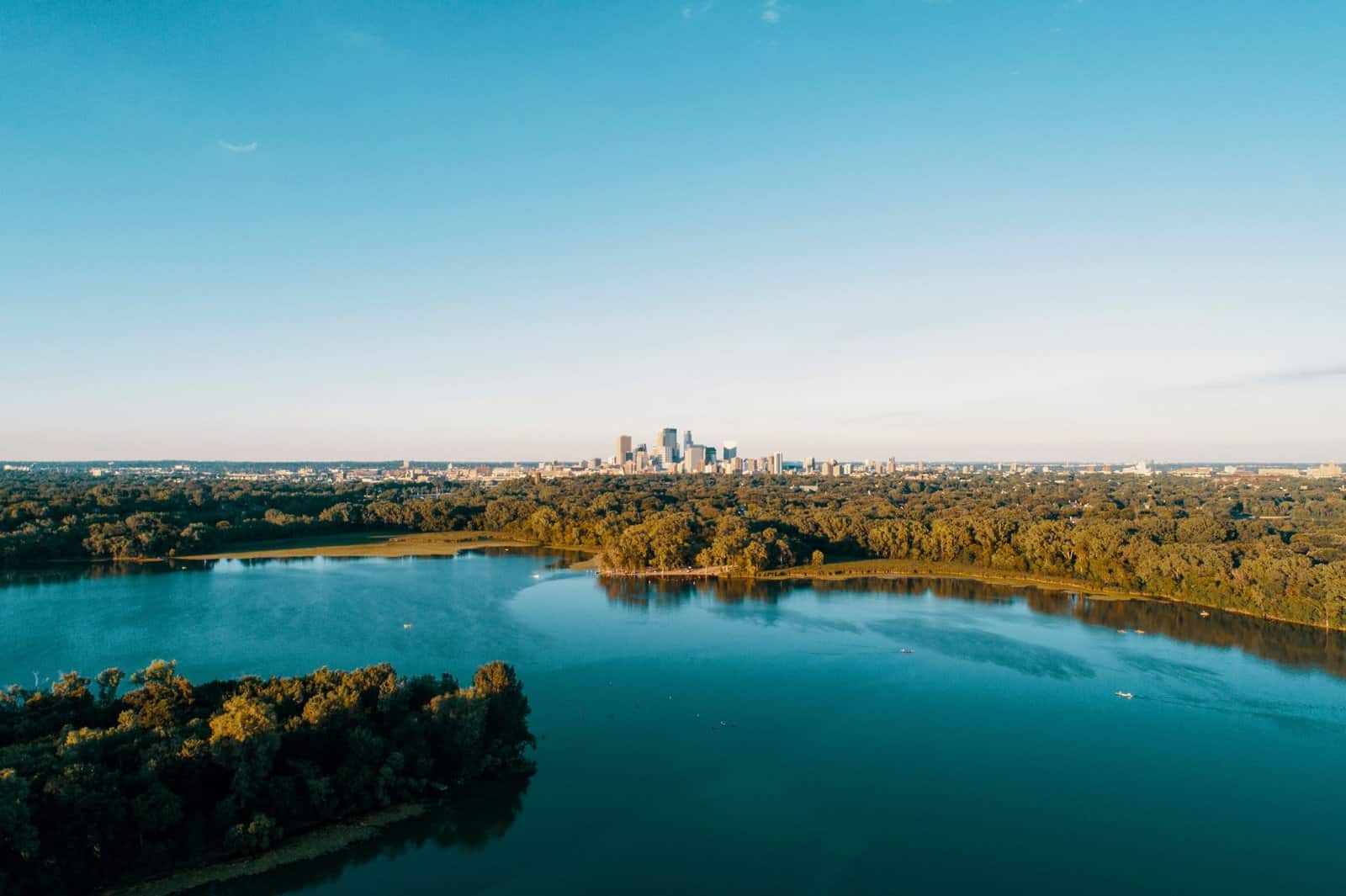
The Minneapolis Park System has been rated the best urban park system in America multiple times. The Grand Rounds — a connected parkway system of 50 miles around the city — links 22 lakes and a river gorge into a continuous greenway accessible by foot, bike, and ski. In summer, Minneapolis residents swim, kayak, and run around lakes that are within city limits. In winter, the same lakes are skated on, and the connecting trails become cross-country ski corridors. The park system is the city’s most used and most loved infrastructure, and it’s free.
The Indoor City
Minneapolis’s response to its winters was to build one of the most extensive indoor pedestrian systems in the world. The Skyway System connects 80 blocks of downtown with climate-controlled enclosed walkways on the second floor above street level. It’s possible to walk for miles through downtown Minneapolis in January without going outside. The system is controversial — it empties the street level of pedestrian activity in winter, which some urban planners argue damages downtown retail and street life — but it means Minneapolis functions as a real urban center even in conditions that would shut down cities without it.
The Arts and Culture Infrastructure
- Minneapolis Institute of Art: Free general admission to one of the top 10 art museums in the United States by collection depth
- Walker Art Center: One of the premier contemporary art museums in the country, with the largest outdoor sculpture garden in the US (free)
- Guthrie Theater: A major regional theater company considered one of the five best in the country by theater critics, in a building that cantilevered dramatically over the Mississippi River gorge
- First Avenue: The music venue where Prince filmed Purple Rain, still operating as one of the premier mid-size music venues in the Midwest
Minneapolis for visitors is a summer proposition — June through September, when the lakes are warm, the parks are alive, and the outdoor restaurant culture operates at full capacity. The Midtown Global Market, Eat Street on Nicollet, and the Northeast Minneapolis food scene are accessible, excellent, and underpriced relative to comparable scenes in coastal cities. Understanding why people choose Minneapolis, winter and all, makes you a better visitor to a city that doesn’t need validation but has earned it through everything it offers when the temperature allows you to experience it directly.