Richmond, Virginia Has Become One of the East Coast’s Best Food Cities. The Locals Aren’t Completely Happy About It
We may earn money or products from the companies mentioned in this post. This means if you click on the link and purchase the item, I will receive a small commission at no extra cost to you ... you're just helping re-supply our family's travel fund.
Richmond, Virginia spent most of the 2010s quietly building a food and craft beer scene that food writers and chefs were aware of years before the national media caught up. When the national food press arrived with articles naming Richmond one of America’s best food cities, the city’s restaurant community had mixed reactions: gratitude for the exposure, concern about what the exposure would do to a scene that had been built on affordability and accessibility, and a sense of watching the early stages of a familiar pattern begin to play out.
What Richmond Built and What the Recognition Is Changing
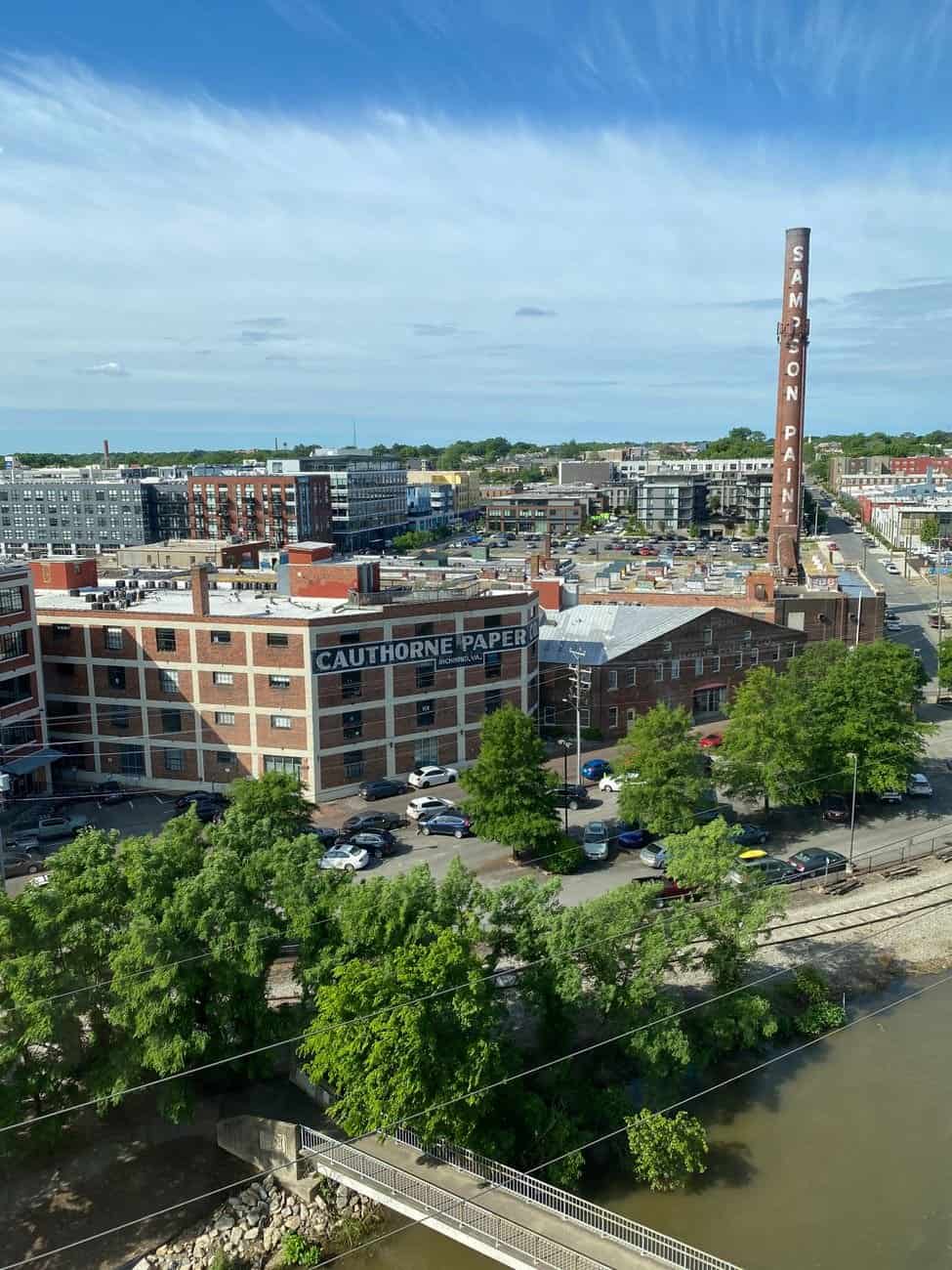
Richmond’s food scene grew from specific circumstances: relatively cheap commercial rent in neighborhoods like Scott’s Addition (an industrial district converted to breweries, restaurants, and creative businesses) and Manchester (across the James River, formerly a mill district), a serious local food culture with a population willing to support independent restaurants, and the Johnson and Wales culinary program nearby creating a pipeline of skilled cooks. The early-2010s Richmond food scene was excellent precisely because the economics allowed chefs to take risks without needing immediate profitability.
What Scott’s Addition Became
Scott’s Addition is the most emblematic neighborhood of Richmond’s food transformation. What was a light-industrial district 15 years ago now contains over 20 breweries, cideries, and distilleries, plus a concentration of restaurants that has made it a recognized craft beverage destination nationally. The first wave of businesses that moved in at low rents are now competing with higher-rent neighbors whose overhead requires different pricing. The second-wave wave is more expensive and less experimental than the first.
What Richmond’s Food Scene Still Does Well
- The James Beard nominations that keep coming: Richmond chefs continue to receive national recognition that validates the quality of the scene
- The diversity of cooking styles: Vietnamese, Ethiopian, Mexican, and Southern traditions are all represented by independent operators at a quality level that cities twice Richmond’s size can’t always match
- The James River Park System: Class IV whitewater rapids through downtown Richmond are a fact that visitors still struggle to believe — brown bag lunch on the rocks above the rapids is a Richmond institution
- The Virginia Museum of Fine Arts: Free general admission to one of the finest art museums in the South, with particular strength in Art Nouveau and Fabergé collections
Richmond is 100 miles south of Washington DC on I-95, a trip that takes 1.5–2 hours without traffic and 3+ hours in rush hour. It’s a day trip from DC that most DC residents don’t take, and a food destination worth a specific overnight trip from the Northeast Corridor. The question of what Richmond’s recognition will do to the community that created its food scene is the same question that Asheville, Portland, and Nashville have all answered in the same direction. Go now, when the original energy is still in the building and the prices haven’t fully reflected the fame.