Louisville, Kentucky Has More Bourbon Distilleries Than Any City on Earth and a Downtown That Actually Works
We may earn money or products from the companies mentioned in this post. This means if you click on the link and purchase the item, I will receive a small commission at no extra cost to you ... you're just helping re-supply our family's travel fund.
Louisville sits at an odd intersection in the American imagination, a city more famous for two days in May than for the other three hundred and sixty three, and that reputation obscures a genuinely functional mid-size American metro area with a walkable downtown, a strong medical and logistics economy anchored by UPS and multiple hospital systems, and a cost of living that remains far below coastal norms despite steady population growth over the past decade that has brought new residents from Chicago, Cincinnati, and increasingly from higher-cost coastal metros looking for exactly the affordability Louisville still offers without sacrificing urban amenities entirely.
The Bourbon Economy Is Bigger Than It Looks From the Outside
The Kentucky Bourbon Trail, anchored heavily around Louisville and the surrounding Bluegrass region, drew well over a million visitors in recent years according to the Kentucky Distillers’ Association, and the broader industry supports tens of thousands of jobs statewide, from distillery production workers to barrel cooperages to the entire tourism infrastructure built around distillery tours, tasting rooms, and the increasingly elaborate visitor centers that major brands have built specifically to capture a growing wave of bourbon tourism that didn’t meaningfully exist as an organized industry before the early 2000s.
Louisville itself hosts major producing and visitor-facing operations for brands including Old Forester, Angel’s Envy, and Michter’s, several of them within easy walking distance of downtown hotels along what the city now markets as Whiskey Row, a stretch of Main Street that stood largely vacant and deteriorating for decades before bourbon tourism revenue justified the extensive historic renovation that transformed it starting in the 2010s.
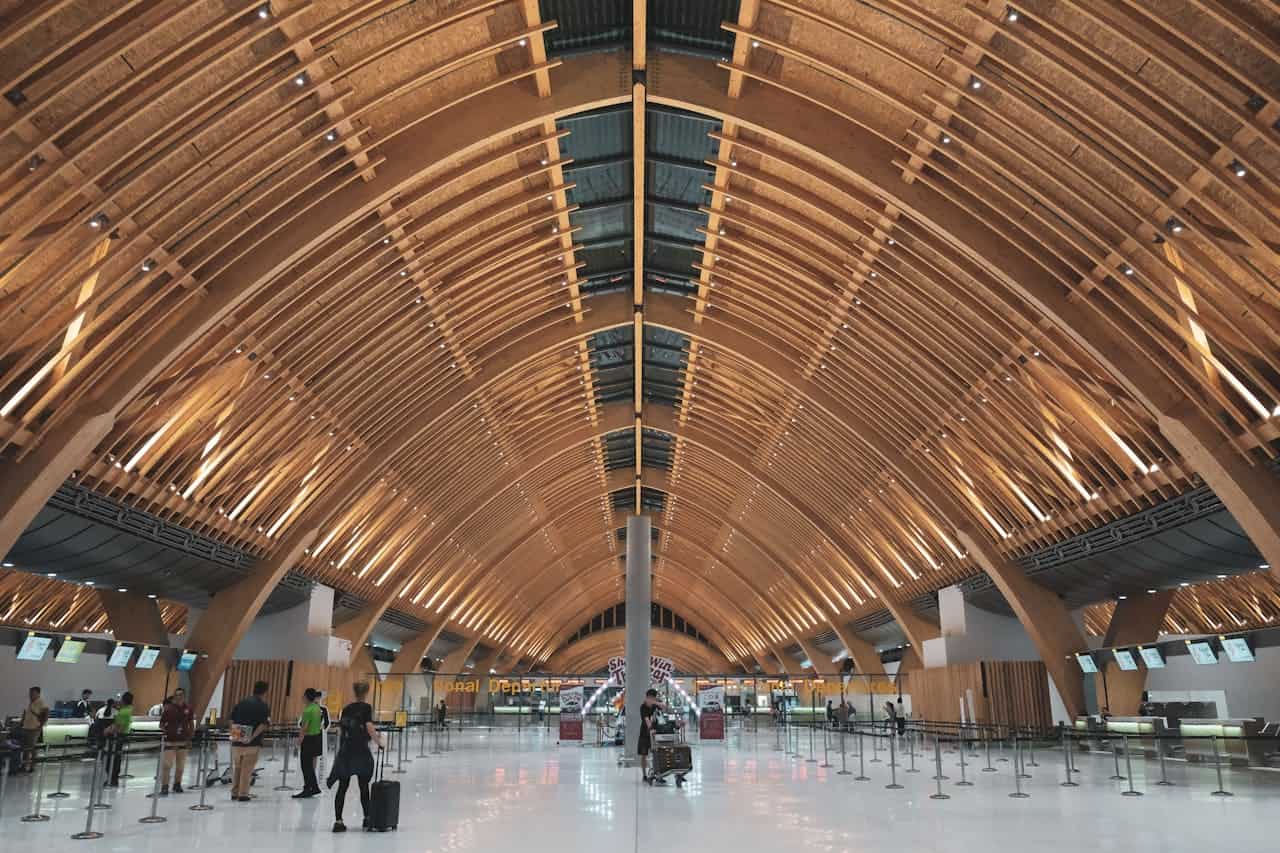
UPS operates its global air hub, known as Worldport, at Louisville’s Muhammad Ali International Airport, one of the largest package sorting facilities on Earth, employing tens of thousands of workers directly and giving the city an outsized logistics economy that has essentially nothing to do with bourbon or horse racing but provides a far more stable, less seasonal employment base than either of the industries the city is actually known for nationally.
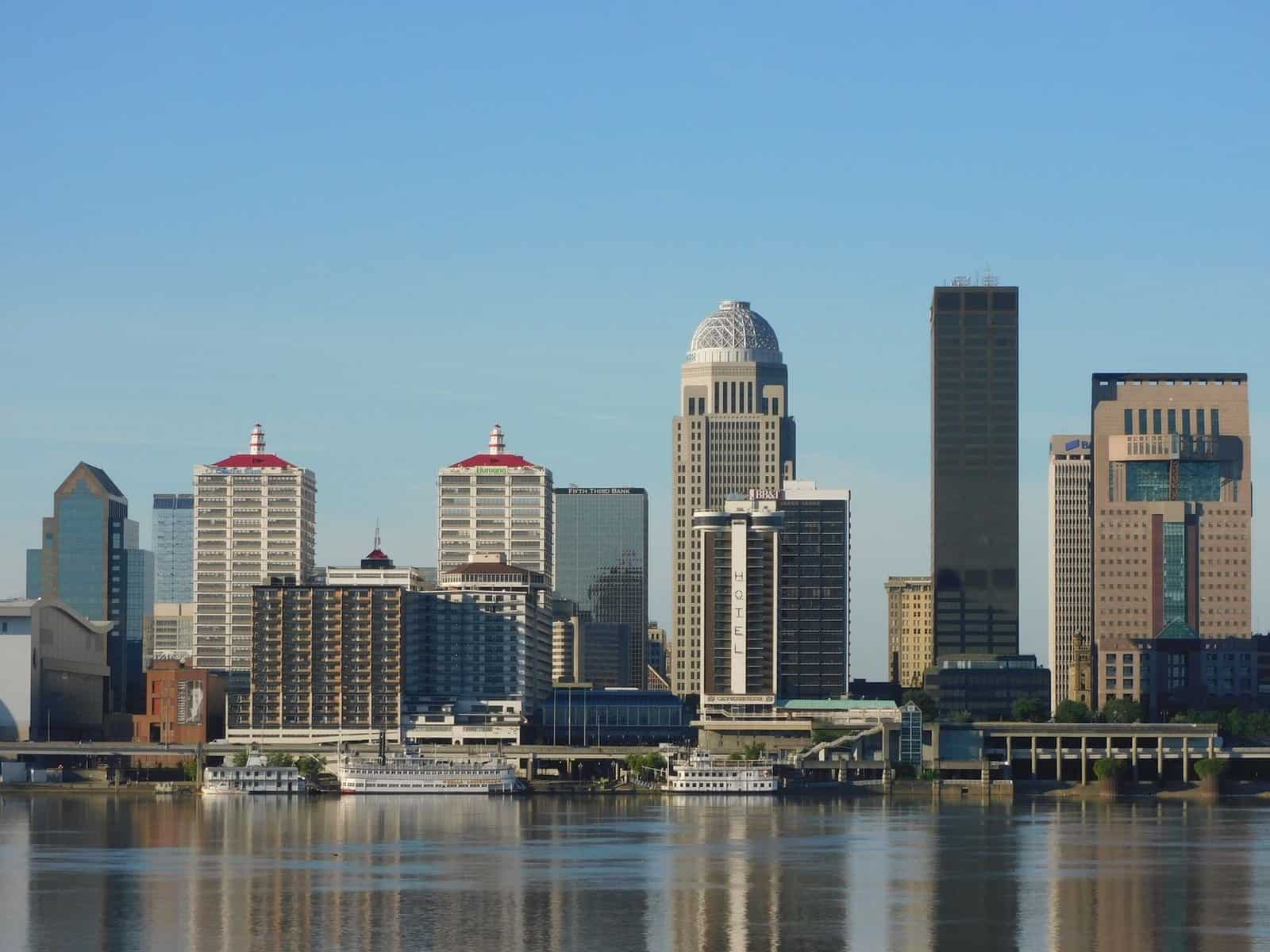
What Downtown Actually Looks Like Today
The Practical Details Worth Knowing
- NuLu, short for New Louisville, has become the city’s gallery and restaurant district over the past 15 years
- The Belle of Louisville steamboat, built in 1914, remains the oldest operating Mississippi-style steamboat in the country
- Churchill Downs draws over 150,000 spectators on Derby Day alone each May
- Median home prices remain roughly half the national urban average, even after recent increases
Louisville’s Waterfront Park, developed on former industrial land along the Ohio River starting in the 1990s after a lengthy and expensive environmental remediation process, has become a genuine community anchor rather than a tourist-only attraction, hosting free concerts and major festivals that draw residents from across the entire metro area rather than functioning purely as a postcard backdrop for Derby weekend visitors passing through for a single famous Saturday.
The Highlands and Crescent Hill neighborhoods, east of downtown, have developed their own dense corridors of restaurants and independent shops over the past two decades, giving Louisville residents genuine walkable neighborhood options beyond downtown itself, a pattern of decentralized urban vitality that many similarly sized Midwestern and Southern cities have struggled to replicate outside a single revitalized core district.
Why the Balance Actually Works
What ultimately distinguishes Louisville from many mid-size American cities its size is the combination of a genuinely famous, globally recognized signature industry with an economy diversified enough that the city doesn’t depend entirely on bourbon tourism or Derby weekend spending to stay solvent, a balance that has helped it avoid both the boom-bust cycles of more single-industry towns and the complete national anonymity of cities with no recognizable identity at all to draw new residents or visitors in the first place.
Real estate agents in the metro area report that a meaningful share of recent buyers cite exactly this combination, an affordable, walkable city with genuine cultural cachet and economic stability, as their primary reason for relocating, suggesting Louisville has found a version of livability that doesn’t require the extreme cost tradeoffs increasingly common in more heavily marketed relocation destinations like Austin or Nashville.
What This Means Going Forward
The broader pattern here reflects something researchers and local officials increasingly track closely: the gap between how a place or trend is perceived from the outside and how it actually functions day to day for the people living inside it or making decisions about it. That gap rarely closes on its own, and it tends to widen further whenever outside attention, whether from tourism, media coverage, or social platforms, arrives faster than the underlying infrastructure or community capacity can absorb it.
What tends to happen next depends heavily on decisions made by the people closest to the situation, whether that means local governments, longtime residents, or the businesses that have to adapt fastest, and those decisions rarely get the same national attention as the initial trend or story that put the place on the map in the first place, even though they matter considerably more to how things actually turn out over the following decade.
What This Means Going Forward
The broader pattern here reflects something researchers and local officials increasingly track closely: the gap between how a place or trend is perceived from the outside and how it actually functions day to day for the people living inside it or making decisions about it. That gap rarely closes on its own, and it tends to widen further whenever outside attention, whether from tourism, media coverage, or social platforms, arrives faster than the underlying infrastructure or community capacity can absorb it.
What tends to happen next depends heavily on decisions made by the people closest to the situation, whether that means local governments, longtime residents, or the businesses that have to adapt fastest, and those decisions rarely get the same national attention as the initial trend or story that put the place on the map in the first place, even though they matter considerably more to how things actually turn out over the following decade.