Long-Flight Comfort Isn’t Just About Seat Class—Here’s What Travelers Need to Consider Instead
We may earn money or products from the companies mentioned in this post. This means if you click on the link and purchase the item, I will receive a small commission at no extra cost to you ... you're just helping re-supply our family's travel fund.
A lie-flat seat helps, but it does not guarantee a good long flight. Many travelers in business class land exhausted, and many in economy arrive in decent shape. Long-flight comfort depends on a set of factors that you can control: where you sit, when you sleep, what you drink, how you move and how you plan the first day on the ground.
Here is a plain answer, followed by the details: choose your seat for the way you sleep and move, shift your body clock before you fly, drink water and limit alcohol, get up regularly, bring simple gear and plan a gentle arrival.
What Shapes Long-Flight Comfort Beyond Seat Class
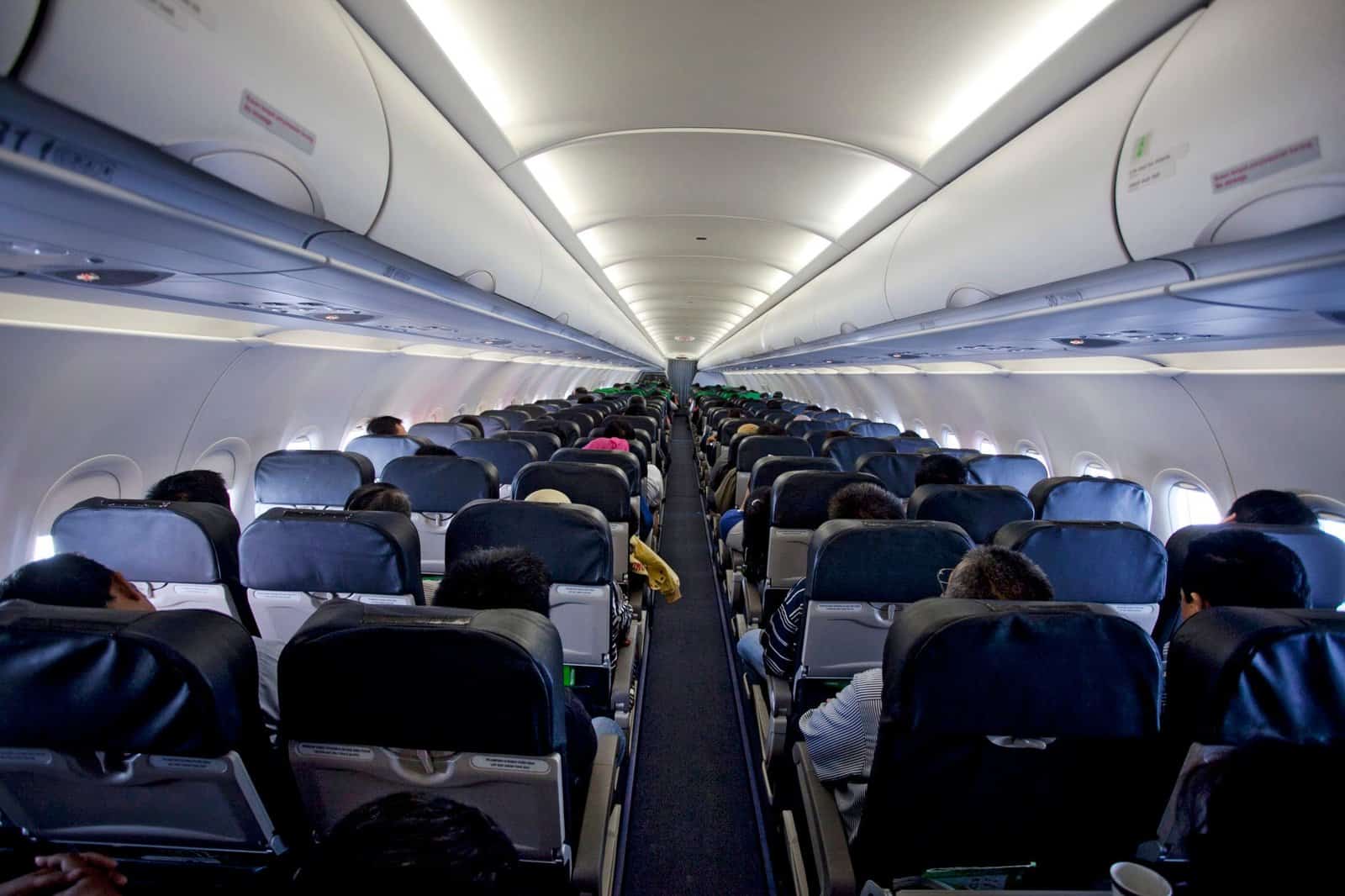
Seat class affects space, but it does not change cabin air, noise, pressure or your body clock. On a flight of 8 to 16 hours, the conditions that tire people are the same in every cabin: low humidity, constant engine noise, limited movement and a body clock thrown off by time zones. Addressing these gives more benefit than an upgrade alone, and you can often do it at little cost.
The cabin environment
Aircraft cabins are pressurized to an altitude of roughly 6,000 to 8,000 feet, which means each breath has less oxygen than at sea level. Most healthy people tolerate this, but they may feel more tired. Humidity is also very low, often well under 20 percent, which dries the skin, eyes and nasal passages. These conditions explain headaches, dry eyes and fatigue that are common on long flights.
Choose the Right Seat for You
Seat choice is often more important than class. Consider how you sleep and move.
- Window seats: Good for leaning against the wall, controlling the shade and avoiding being bumped by passersby. The drawback is having to climb over others to get out.
- Aisle seats: Better for stretching legs and using the lavatory, though you may be bumped by carts and passersby.
- Exit rows: More legroom, but check restrictions, since some seats do not recline, and the tray tables may be in the armrest.
- Bulkhead rows: Extra legroom in front, but no under-seat storage and, on some planes, fixed armrests that reduce width.
- Near the lavatory or galley: Noise, light and traffic make sleep harder.
- Over the wing: Often smoother in turbulence, and quieter than the rear in many aircraft.
- Rear rows: Noisier, and some seats do not recline, but they may be empty on lighter flights.
Use seat maps and tools
Check the airline’s seat map and sites that report seat pitch and width for each aircraft type. Pitch, the distance between your seat and the one ahead, varies widely among airlines, from roughly 28 to 34 inches in economy. Width differs by aircraft too. If you have a choice between two flights, choose the aircraft with more space. Some airlines charge for seat selection, but the fee can be worth it on a long flight.
Manage Your Body Clock
Jet lag comes from a mismatch between your body clock and local time, and the way you handle the flight affects it.
1. Before you fly, shift your sleep schedule by an hour or two toward the destination time for a few days if you can. 2. On the plane, set your watch to destination time, and try to sleep when it is night there. 3. Use light to your advantage. Seek bright light during the destination’s daytime and avoid it during the night. An eye mask and sunglasses help. 4. Consider melatonin only after talking to your doctor, since timing and dose matter. 5. Avoid heavy meals and alcohol before sleeping, as they fragment sleep.
Plan the arrival
How you handle the first day on the ground matters as much as the flight. If you arrive in the morning, resist a long nap. Get outside in daylight, walk, drink water and go to bed at a normal local time. If you arrive at night, go to bed quickly. Book a hotel room that is ready on arrival, so you do not have to wait for a midday check-in. Avoid scheduling important meetings or tours on the first day.
Hydration, Food and Alcohol
Dry cabin air increases fluid loss, so drink water regularly. A reasonable approach is a glass or a small bottle every hour or two while awake. Bring an empty bottle to fill after security. Limit alcohol and caffeine, which can dehydrate you and disturb sleep, though a single drink may not hurt. Eat light meals, avoid very salty food that causes bloating and bring snacks you like, because meal service may not match your hunger. If you have dietary needs, request a special meal in advance.
Move Your Body
Sitting for many hours raises the risk of blood clots in the legs, known as deep vein thrombosis, particularly in people with other risk factors. The risk for most healthy travelers is low, but movement reduces stiffness and discomfort.
- Walk the aisle every one to two hours when it is safe.
- Do ankle circles, calf raises and knee lifts in your seat.
- Stretch your neck and shoulders gently.
- Wear loose clothing and consider compression socks, especially if you have circulation concerns or a history of clots. Talk to a doctor if you have risk factors.
- Avoid crossing your legs for long periods.
Gear That Works
Comfort aids need not be expensive.
- Noise-canceling headphones or earplugs: Engine noise tires people, and reducing it helps sleep and relaxation.
- Eye mask: Blocks light from screens and windows.
- Neck pillow or a small rolled jacket: Some prefer a pillow that supports the head from the side.
- Layers: Cabins can be cold or warm. A light sweater, socks and a scarf help.
- Moisturizer, lip balm and saline spray: Combat dryness.
- Eye drops, especially if you wear contact lenses. Many travelers switch to glasses.
- A small bag at your feet for essentials, so you do not need to open overhead bins.
- A charged phone or tablet with downloaded entertainment, and a charger or power bank.
What to wear
Choose soft, breathable clothes, with layers you can add or remove. Slip-on shoes are convenient, and some people bring thick socks. Avoid tight waistbands or stiff fabrics. Wear comfortable footwear, since feet can swell in flight.
If You Are in Economy
Economy travelers can improve comfort with planning. Pick the best available seat, board early to secure overhead space, ask politely about open rows after boarding and consider a seat near the back if the flight is not full. Bring your own snacks and water. Use a footrest, or a small bag under your feet. Take your shoes off if allowed and wear compression socks.
If You Are in Premium Cabins
Premium seats help, but they do not solve everything. Follow the same advice: manage sleep, drink water and move. Use the lie-flat bed for the part of the flight that matches night at your destination. Skip the late-night meal if you want to sleep, and use the amenity kit to freshen up before landing.
Sleep on the Plane: A Practical Approach
Good sleep is the biggest comfort advantage on a long flight, and you can improve it without a lie-flat seat. Start before boarding. Avoid heavy caffeine in the six hours before you plan to sleep, and skip big meals. Wear layers so you can adjust to the temperature, and use the restroom before you settle in.
Create a sleep setup
- Put your eye mask, earplugs or headphones and neck support within reach before you take off.
- Recline your seat after the meal service, and be considerate of the passenger behind you.
- Use a small pillow or a folded jacket to support your lower back.
- Keep your feet flat or on a footrest, and avoid hanging them for long periods.
- If you take a sleep aid, test it at home first, because some cause grogginess or interact with other medicines. Ask your doctor.
When to stay awake
If you land in the evening, staying awake for part of the flight may help you sleep at your destination. If you land in the morning, sleep as much as you can on the plane. Matching the plane schedule to the local night is a reliable approach, though it takes planning.
Cabin Noise, Light and Screens
Noise and light are often underestimated. Constant engine noise raises stress and makes it harder to relax. Noise-canceling headphones can reduce it noticeably, and even foam earplugs help. Bright screens, both in the seat and on devices, suppress melatonin, so avoid them for an hour before sleep. Lower the screen brightness, use night mode and keep the window shade closed during your sleep window.
Choosing entertainment
Pick a mix of light and absorbing content: a book, a podcast, a series and music. Download what you need before you leave, since in-flight systems can fail. Alternate screen time with breaks, since long viewing can strain the eyes. If you want to sleep, choose calm audio rather than action films.
Breathing, Skin and Eyes
Because of the dry air, a simple routine helps. Use saline nasal spray if your nose feels dry, apply moisturizer to hands and face, use lip balm and keep your eyes lubricated with drops. Remove contact lenses if they bother you, and bring glasses. Brush your teeth before landing to feel fresh. These small acts are not glamorous, but they make a noticeable difference.
Cleanliness
Wipe your tray table and armrests with a disinfectant wipe if you wish, and wash your hands often. Bring a small toiletry bag with a toothbrush, deodorant and a change of shirt. Changing clothes before landing helps you feel human again.
Special Situations
Traveling with children
Children need the same factors, adapted: snacks, water, entertainment and movement. Choose seats together, bring a familiar item for comfort and plan to walk the aisle. Pressure changes can hurt young ears, so a bottle, pacifier or snack during takeoff and landing can help.
Health conditions
If you have a heart or lung condition, are pregnant or have other concerns, speak with your doctor before a long flight. They can advise about oxygen, medications, compression stockings and movement. Carry medications in your carry-on, with a letter or prescription if needed.
Tall travelers
Tall passengers should prioritize legroom, such as exit rows or bulkhead seats, and consider the aisle for extra stretch. Some airlines offer extra-legroom economy seats at a modest fee that may be worth it.
The Takeaway
Long-flight comfort comes from a set of small decisions, from the seat you choose to the way you spend the first day on the ground. Seat class helps, but sleep timing, hydration, movement, light and noise matter just as much. Use these tools on your next long flight, and you may find you arrive better rested, whatever ticket you hold.