Tourist Towns Look Quiet in the Off-Season. The Bills Don’t Go Quiet With Them
We may earn money or products from the companies mentioned in this post. This means if you click on the link and purchase the item, I will receive a small commission at no extra cost to you ... you're just helping re-supply our family's travel fund.
Walk down the main street of a beach or mountain town in February and you will see closed shutters, empty parking and a single open café. It looks like the town is resting. For the people who run its businesses and services, the bills do not rest. Tourist towns in the off-season carry most of the same costs as in summer, with a fraction of the income.
Here is where the money goes, why it affects what you pay in peak season and how visitors can help.
Why Costs Keep Running in Tourist Towns in the Off-Season
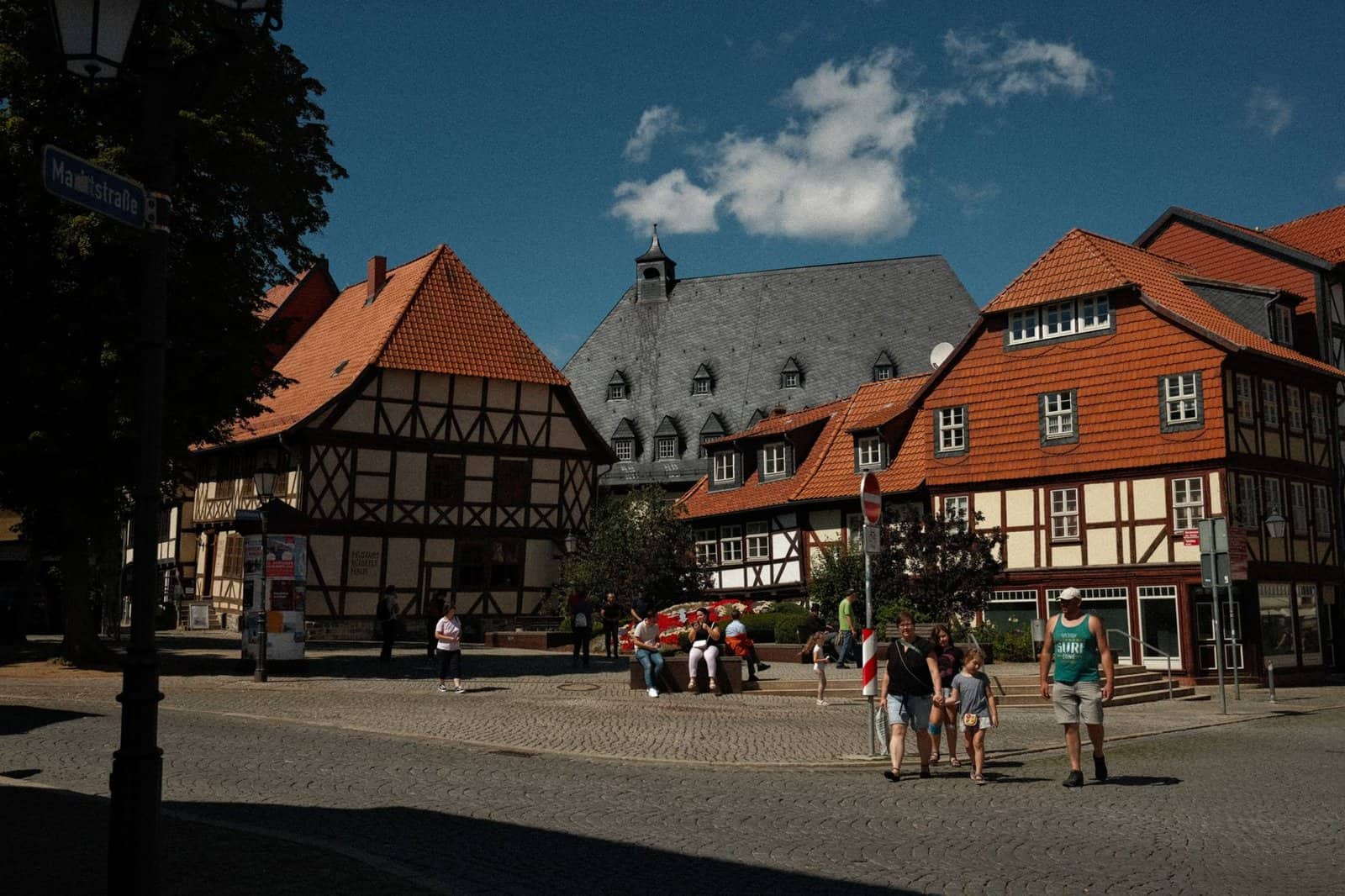
Many resort and tourist communities earn most of their income in a few months. A restaurant on the coast might do half or more of its yearly sales between Memorial Day and Labor Day. A ski shop might depend on December to March. A boat tour company may operate from May to October. The question is what happens for the rest of the year.
Some costs fall when business slows, such as hourly labor and food supplies. But many costs are fixed, meaning they must be paid whether or not anyone walks through the door. Those fixed costs are why prices are high in season and why many owners struggle to break even.
The big fixed costs
- Mortgage or rent: Commercial leases and loan payments are due monthly, and in resort areas, rents are often high. A business that makes its income in four months must still pay twelve.
- Property taxes: Taxes on commercial and residential property are billed annually or semiannually, with no break for slow seasons.
- Insurance: Coastal and wildfire-prone areas have seen steep increases in premiums for property, flood and liability coverage, and these costs are due year-round.
- Utilities: Heating, cooling and keeping pipes from freezing cost money even in an empty building. Many businesses leave heat on to prevent damage.
- Licenses, permits and fees: Business licenses, health permits and association dues recur regardless of sales.
- Equipment and maintenance: Boilers, refrigerators, boats and buildings need upkeep, and the off-season is often when major repairs happen.
Labor is not simple
Seasonal workers go home or move on, but a business that wants to open again in spring must rehire and train a team. Competitive wages and housing are needed to attract workers to places where rents are high. Some employers lease housing for staff year-round or pay deposits in advance, which adds to fixed costs. Key employees, such as managers and chefs, may be kept on salary through the winter to avoid losing them.
The Town’s Costs, Not Just the Businesses’
Governments in tourist towns also pay for services that peak in summer but must be sustained all year. Roads, water and sewer systems, police and fire departments, beach maintenance, trash collection and parking management are built to handle crowds. A small year-round population of a few thousand may support infrastructure sized for tens of thousands.
Infrastructure sized for the peak
A water treatment plant or wastewater system has to handle summer flows, and it costs money to run and maintain throughout the year. A ferry service might need a large fleet for July and keeps vessels in the water or in maintenance in winter. Lifeguards, emergency crews and parks staff require hiring and training. These costs fall on a small tax base, which is why many resort towns rely on taxes on lodging, meals and short-term rentals. These revenues spike in summer and drop in winter.
Weather and wear
Storms, floods, ice and heat damage roads, docks, sea walls and public buildings. Repairs often occur off-season, but the bills arrive anyway. In coastal communities, beach nourishment and erosion control are major costs, and in mountain towns, snow removal and avalanche control add to the budget.
What This Means for Prices and Hours
Understanding fixed costs explains several patterns visitors notice.
- Peak-season prices are high because owners must earn enough in a few months to cover the entire year.
- Many businesses close for weeks or months, or open only on weekends, because staying open at a loss is worse than closing.
- Hotels and rentals offer deep discounts in the off-season to bring in some revenue. Some drop prices by a third or more, but check specific rates.
- Restaurants may shorten menus or hours to reduce waste and labor costs.
- Some attractions only operate during summer, as they cannot cover costs with winter traffic.
Why some towns stay open
Others stay open year-round because they have local customers, a university, a ski season, a retirement community or other anchors. Towns with diverse economies handle slow months better. The difference between a town that closes and one that stays open often comes from how many residents live there year-round.
How Visitors Can Help
If you enjoy quiet towns, the off-season is a good time to visit, and your spending matters.
1. Visit in shoulder seasons such as May, September and October, when many places are open but crowds are smaller. 2. Stay in local lodging, such as inns, bed-and-breakfasts and small hotels, instead of large chains. 3. Eat at locally owned restaurants, and tip generously. Staff in slow seasons often work fewer hours. 4. Buy gift cards, and use them later. This helps businesses with cash flow in winter. 5. Shop at independent stores, and buy from local makers. 6. Check hours before you go, since many places close on weekdays. 7. Book directly with the business when possible, so fees do not reduce its income. 8. Be patient with limited services and short hours.
Respect residents
Year-round residents are the backbone of a tourist town, and many work multiple jobs. Off-season is their time to rest, repair and enjoy their community. Visit with consideration. Park legally, observe local rules and avoid treating the town like a theme park.
What Towns Are Doing
Communities have tried various strategies to smooth out the seasons. Some hold festivals in winter or shoulder seasons, such as food events, light displays or music weekends. Some develop attractions that work in cold or wet weather, such as museums, theaters and spas. Others invest in year-round housing so workers can live in the community, and some limit short-term rentals to preserve homes for residents. Some have created tourism taxes that fund infrastructure, and others have invested in remote work and year-round businesses.
None of these solutions is simple. Housing, climate and market forces limit options, and what works in one place may not work in another.
A Typical Year for a Seasonal Business
To see how the bills line up, imagine a small seafood restaurant in a coastal tourist town. It has a 12-month lease, pays for liquor and health permits, carries insurance and employs a core staff of a few people year-round plus a seasonal crew. In summer, it opens seven days a week and fills nearly every table. In winter, it opens on weekends only.
Spring: the investment
Before the first customers arrive, the owner pays for repairs, painting, new equipment, hiring, training and an initial stock of food and drinks. Many businesses borrow short-term money to cover this period, and interest costs add up. Marketing begins, with signs, websites and advertising. Spring is spending without much earning.
Summer: the earning window
In the peak months, revenue arrives in volume, but costs rise too. Overtime, higher food costs, extra deliveries and more credit-card fees all take a share. Weather matters, since a week of rain or a storm can cut a month’s income. The owner must earn enough in these months to pay off spring costs, cover the slow winter and keep something as profit.
Fall and winter: the squeeze
When visitors leave, costs of rent, insurance, utilities and loans remain. The owner may reduce hours, lay off seasonal staff and live on savings. Some businesses use the winter to renovate, plan menus and take a break, while others take a second job. A bad summer can force closure, which is why many towns see turnover of shops and restaurants.
Rentals and Second Homes
Short-term rentals and second homes add a different set of costs. Owners pay property taxes, mortgage interest, insurance, cleaning, management fees and maintenance, even when the house is empty. Homeowners associations may charge dues. In some areas, rules require permits and inspections. When a rental stays vacant for months, these costs fall on the owner.
The effect on local housing
When many homes are used as second homes or rentals, fewer remain for year-round residents. Prices and rents rise, and workers may be priced out. Some towns respond with limits on rentals, taxes on vacant homes or programs to build workforce housing. These policies are controversial, with owners and residents often at odds.
Public Budgets and the Off-Season
Town governments have fixed costs too. They employ police, firefighters, public works crews, librarians and teachers all year. They maintain roads and utilities, and pay debts on previous projects. Revenue from sales taxes, lodging taxes and parking fees may drop sharply in winter, so budgets rely on reserves, and sometimes on state or federal aid.
Why some towns raise fees
Visitors sometimes see new fees for parking, beach entry or day-use. These reflect efforts to match revenue to costs and to shift some burden from residents to visitors. They can feel annoying, but they help fund the services that visitors use, such as lifeguards, trash pickup and restrooms.
Reading a Quiet Town Fairly
When you visit a tourist town in the off-season, a few mental adjustments help. Closed doors do not mean failure. Many owners take winter breaks, and some reopen in spring. Limited choices are a result of limited demand, not lack of care. If a restaurant is open and serving, it may be doing so at a loss, to stay in touch with the community. Appreciate it, and spend some money.
Questions to ask yourself
- Is this business open because it can afford to be, or because it values its regulars?
- Would I pay a little more in peak season to help keep it going through the winter?
- Are there ways for me to support it, such as buying a gift card or recommending it?
Thinking in these terms makes it easier to see the small town economy as a system, in which visitors and residents depend on each other.
The Takeaway
Quiet streets in the off-season do not mean quiet bills. Tourist towns in the off-season keep paying for loans, taxes, insurance, utilities, workers and public infrastructure, and that is why summer prices are high and winter hours are short. If you want to help, visit in the shoulder seasons, spend locally and treat the place as a community, not just a destination.