Lake Charles Took 2 Hurricanes in 6 Weeks. Five Years Later, Its Rebuilding Is a Stark Lesson in How Long Recovery Takes
We may earn money or products from the companies mentioned in this post. This means if you click on the link and purchase the item, I will receive a small commission at no extra cost to you ... you're just helping re-supply our family's travel fund.
Lake Charles, Louisiana was struck by Hurricane Laura in August 2020, one of the most powerful storms to hit the state in decades, and then by Hurricane Delta just six weeks later, a highly unusual back-to-back disaster sequence that compounded damage across the city’s housing stock, downtown commercial district, and surrounding industrial infrastructure before recovery from the first storm had even meaningfully begun.
Half a decade later, the city’s rebuilding trajectory offers a detailed, sobering case study in how genuinely slow disaster recovery actually unfolds in practice, with substantial areas of the city still showing visible storm damage or permanent vacancy even as other sections have been fully rebuilt, a patchwork recovery pattern that reveals how unevenly resources and momentum distribute across a damaged city over a multi-year timeline.
Why Two Hurricanes in Six Weeks Created a Uniquely Difficult Recovery Situation
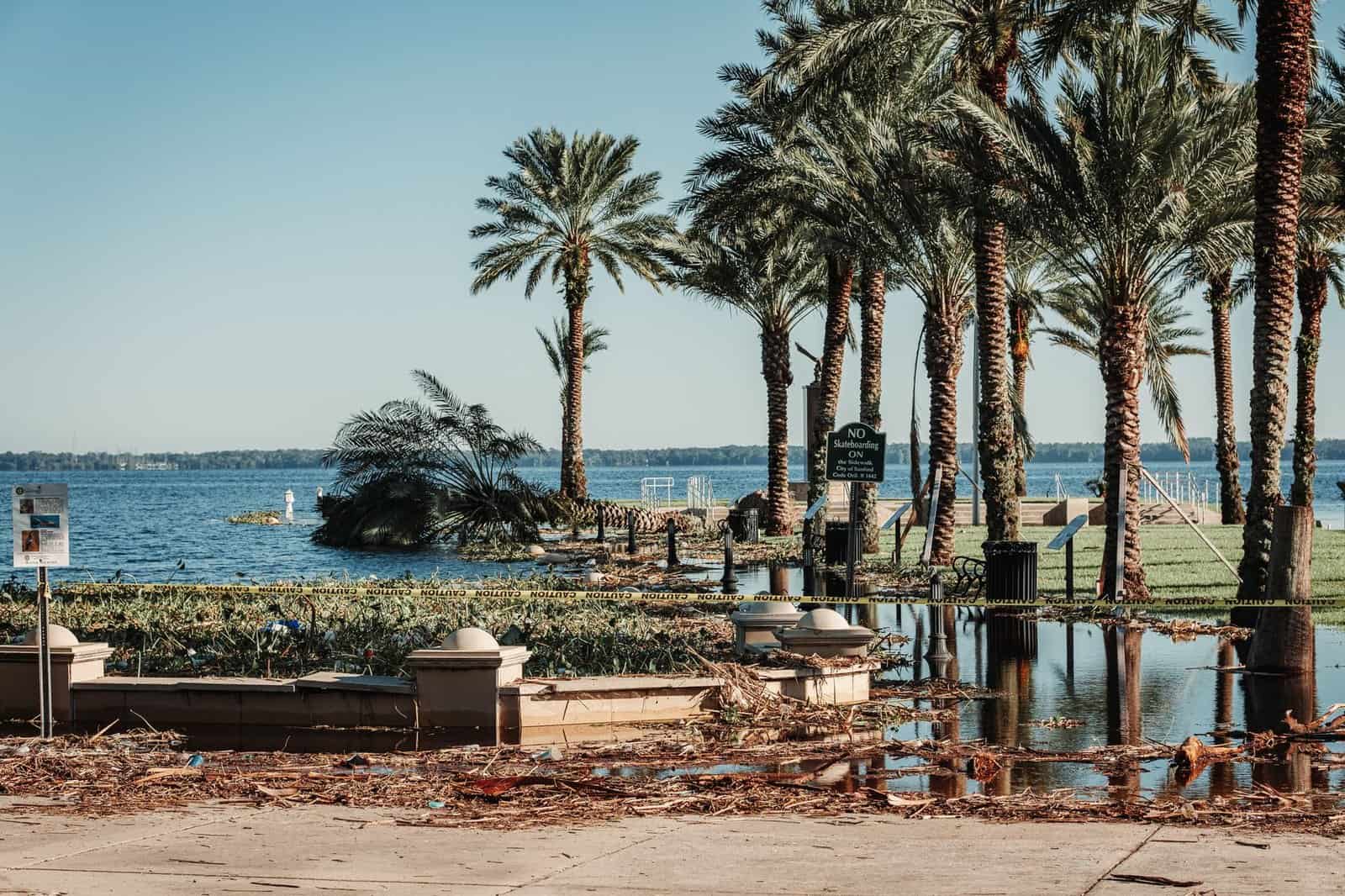
Hurricane Laura’s initial damage to Lake Charles was severe enough on its own, destroying roofs across large sections of the city and knocking out power for weeks, but the arrival of Hurricane Delta just six weeks later struck buildings that had only received emergency tarping rather than full repair, compounding water damage and structural problems in ways that made eventual full restoration both more expensive and more time-consuming than a single-storm disaster would have produced.
Insurance claims processing became significantly more complicated as a result of the back-to-back storms, with adjusters and homeowners alike struggling to separate damage caused by each individual storm for claims purposes, a bureaucratic complication that delayed payouts and, by extension, delayed the actual physical repair work for many residents well beyond typical single-disaster timelines.
Downtown Lake Charles’s Particularly Slow Commercial Recovery
Lake Charles’s downtown commercial district, including its historic Charleston-style courthouse and several architecturally significant early twentieth-century buildings, sustained severe damage that in a number of cases has still not been fully repaired half a decade later, with some prominent downtown buildings remaining vacant or under tarps years after the storms, a visible and persistent reminder of how slowly commercial property recovery can proceed compared to residential rebuilding.
Local business owners describe an insurance and financing gap that has left several building owners unable to secure the capital needed for full restoration, even when they want to rebuild, illustrating a broader pattern where the pace of disaster recovery often depends less on community will and more on which specific financing and insurance mechanisms happen to be available to each individual property owner.
What Population Data Reveals About Who Actually Returned
Census estimates for Lake Charles show measurable population decline in the years following the 2020 storms, reflecting a pattern common to disaster-affected cities where a meaningful share of displaced residents, particularly renters and those with the financial flexibility to relocate, never return even after physical rebuilding becomes possible, a long-term demographic consequence that persists well beyond the immediate emergency response phase most national news coverage focuses on.
Local officials have specifically flagged housing affordability as a barrier to full population recovery, since rebuilding costs and insurance premium increases in the years following the storms pushed housing costs upward across the local market, creating a genuine financial obstacle for lower-income residents trying to return to a city that has, in some ways, become more expensive precisely because of the disaster that displaced them in the first place.
The Petrochemical Industry’s Different, Faster Recovery Track
Lake Charles’s substantial petrochemical and industrial base, a major regional employer, generally returned to operation considerably faster than the city’s residential and downtown commercial districts, reflecting the different financial resources and disaster preparedness infrastructure available to large industrial operators compared to individual homeowners and small business owners.
This uneven recovery pace between industrial and residential sectors has become a recurring point of local frustration, with residents noting that the same storms that left family homes under tarps for years barely interrupted operations at nearby industrial facilities backed by considerably deeper financial resources and more sophisticated disaster response planning.
What Lake Charles’s Experience Teaches About Realistic Recovery Timelines
Disaster recovery researchers increasingly cite Lake Charles as a case study in how national attention and emergency funding typically fade within the first year after a disaster, well before the actual multi-year rebuilding process is anywhere close to complete, leaving affected communities managing a long recovery tail largely on their own after the initial wave of aid and media coverage has moved on to the next disaster.
Local officials have used this experience to advocate for longer-term, more sustained federal disaster recovery funding structures, arguing that the current system’s front-loaded emergency response, followed by a rapid falloff in sustained support, mismatches the actual multi-year timeline that full community recovery genuinely requires.
- Hit by Hurricane Laura in August 2020 and Hurricane Delta just six weeks later
- Downtown commercial buildings still under repair or vacant five years later
- Measurable population decline reflecting residents who never returned
- Industrial and petrochemical facilities recovering considerably faster than residential areas