Butte’s Copper Boom Once Made It America’s Millionaire Capital—Then the Mine Left a Toxic Lake in the Middle of Town
We may earn money or products from the companies mentioned in this post. This means if you click on the link and purchase the item, I will receive a small commission at no extra cost to you ... you're just helping re-supply our family's travel fund.
Butte, Montana grew explosively in the late nineteenth and early twentieth centuries around one of the richest copper deposits ever discovered in North America, a mining boom so lucrative that the city reportedly had more millionaires per capita than almost any other American city during its peak years, funding an architectural legacy of ornate mansions and civic buildings that still stand today in a city whose current population is a small fraction of its historic peak.
That same mining industry ultimately created the Berkeley Pit, a massive open-pit mine that filled with acidic, metal-laden water after operations ceased, becoming one of the largest Superfund environmental cleanup sites in the country and a genuinely strange tourist attraction in its own right, an enormous toxic lake sitting at the edge of downtown that visitors can view from a dedicated overlook platform.
How Copper Made Butte One of the Wealthiest Cities in the West
The Anaconda Copper Mining Company, which came to dominate Butte’s economy, extracted copper at a scale that made the city a critical supplier for the rapidly electrifying United States economy in the early twentieth century, when copper wire demand for electrical infrastructure created enormous, sustained profitability for mine owners and, to a lesser but still substantial extent, for the skilled miners whose labor made the operation possible.
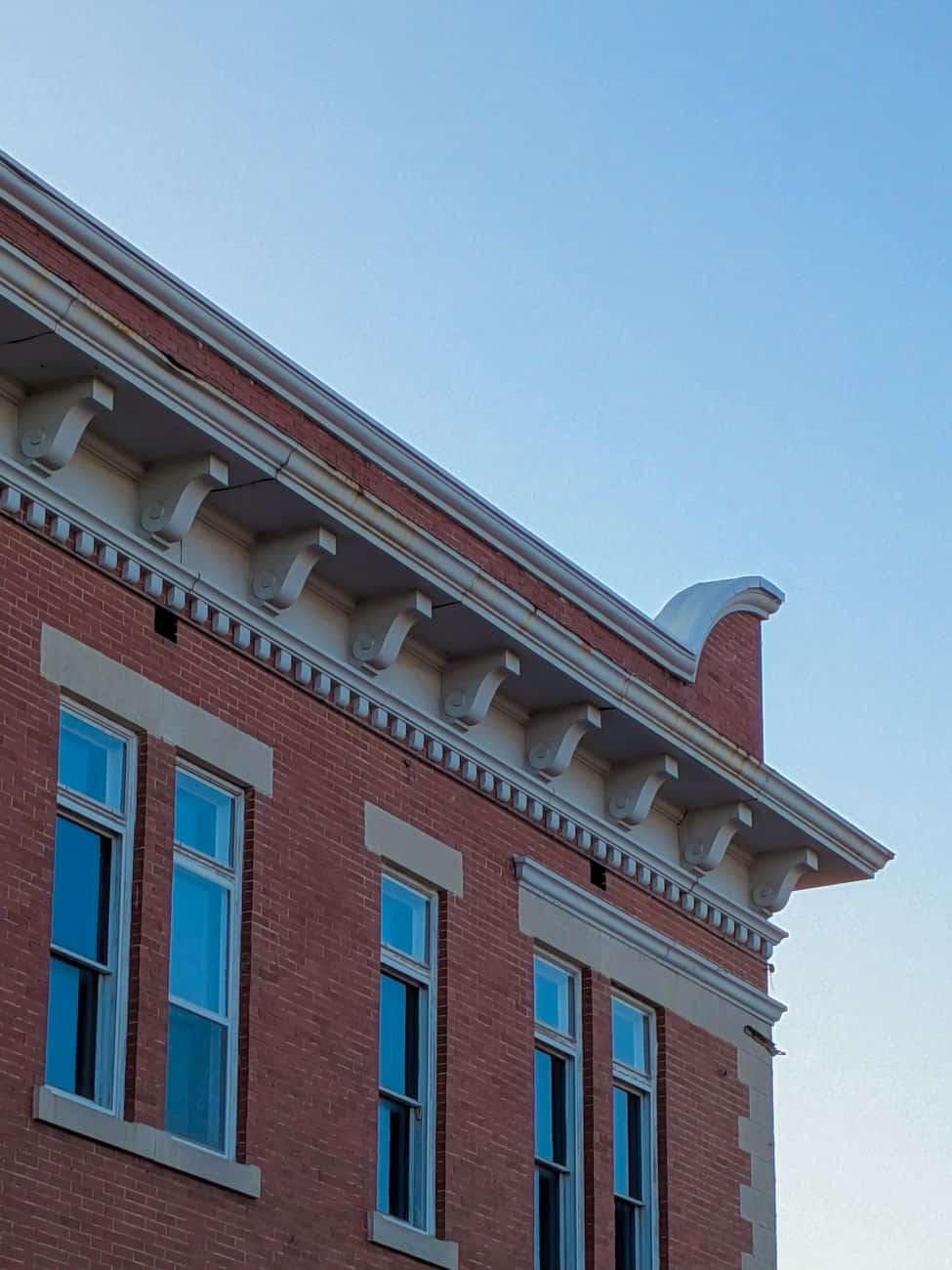
This wealth funded an architectural legacy still visible throughout Butte’s historic uptown district, including elaborate Victorian and Beaux-Arts mansions built by mining executives, along with a surprisingly ornate collection of civic buildings and theaters constructed during the boom years that give the city’s historic core a scale and grandeur unusual for a city of Butte’s current population.
The Berkeley Pit’s Transformation From Mine to Superfund Site
The Berkeley Pit operated as an open-pit copper mine from 1955 until 1982, when the Anaconda Company ceased pumping groundwater out of the pit upon closure, allowing water to begin filling the massive excavation and creating a lake now containing water so acidic and laden with heavy metals that it registers among the most contaminated bodies of water in the country, a designation that led to its inclusion in the federal Superfund cleanup program.
A dramatic 2016 incident in which thousands of migrating snow geese died after landing on the pit’s toxic water drew renewed national attention to the site, prompting the installation of additional deterrent systems designed to keep wildlife away from water that remains dangerous to any animal that comes into prolonged contact with it.
Why Tourists Actually Pay to View a Toxic Mine Lake
The Berkeley Pit’s visitor overlook charges a small admission fee and has become one of Butte’s most visited attractions, drawing tourists curious to see a genuinely unusual industrial legacy site up close, the pit’s still, eerily colored water and sheer scale creating a visual spectacle that local tourism officials have leaned into rather than downplaying as an embarrassment.
This willingness to present the pit directly to visitors, rather than simply fencing it off entirely, reflects a broader local approach to Butte’s mining legacy that treats both the wealth and the environmental damage as equally central parts of the city’s honest historical story, an unusually candid framing for a company town dealing with the lasting consequences of its own defining industry.
What the Ongoing Cleanup Actually Involves
The Environmental Protection Agency has managed cleanup efforts across the broader Butte area for decades under Superfund authority, addressing not just the Berkeley Pit itself but contaminated soil and groundwater throughout large sections of the historic mining district, a cleanup effort that remains ongoing and has cost hundreds of millions of dollars across its multi-decade duration.
A water treatment threshold exists at which point authorities have said active pumping and treatment of the pit’s water will become necessary to prevent contamination from reaching groundwater supplies serving the broader Butte area, a milestone that has required careful ongoing monitoring and has shaped long-term environmental planning for the entire region.
What Remains of Butte’s Boomtown Architecture Today
Butte’s historic uptown district retains one of the largest collections of well-preserved late nineteenth and early twentieth century commercial and residential architecture in the American West, a legacy that has earned the district National Historic Landmark status and made preservation-minded visitors an increasingly important part of the city’s tourism base alongside those drawn specifically by the Berkeley Pit’s stranger appeal.
Local preservation groups have worked for decades to maintain this architectural legacy even as Butte’s population has continued to decline from its historic peak, betting that the sheer scale and quality of the city’s boomtown-era buildings represent an asset capable of sustaining a smaller but genuine heritage tourism economy going forward.