Julian, California Is a Gold Rush Town That Runs on Apple Pie. 7 Things to Know Before You Drive Up
We may earn money or products from the companies mentioned in this post. This means if you click on the link and purchase the item, I will receive a small commission at no extra cost to you ... you're just helping re-supply our family's travel fund.
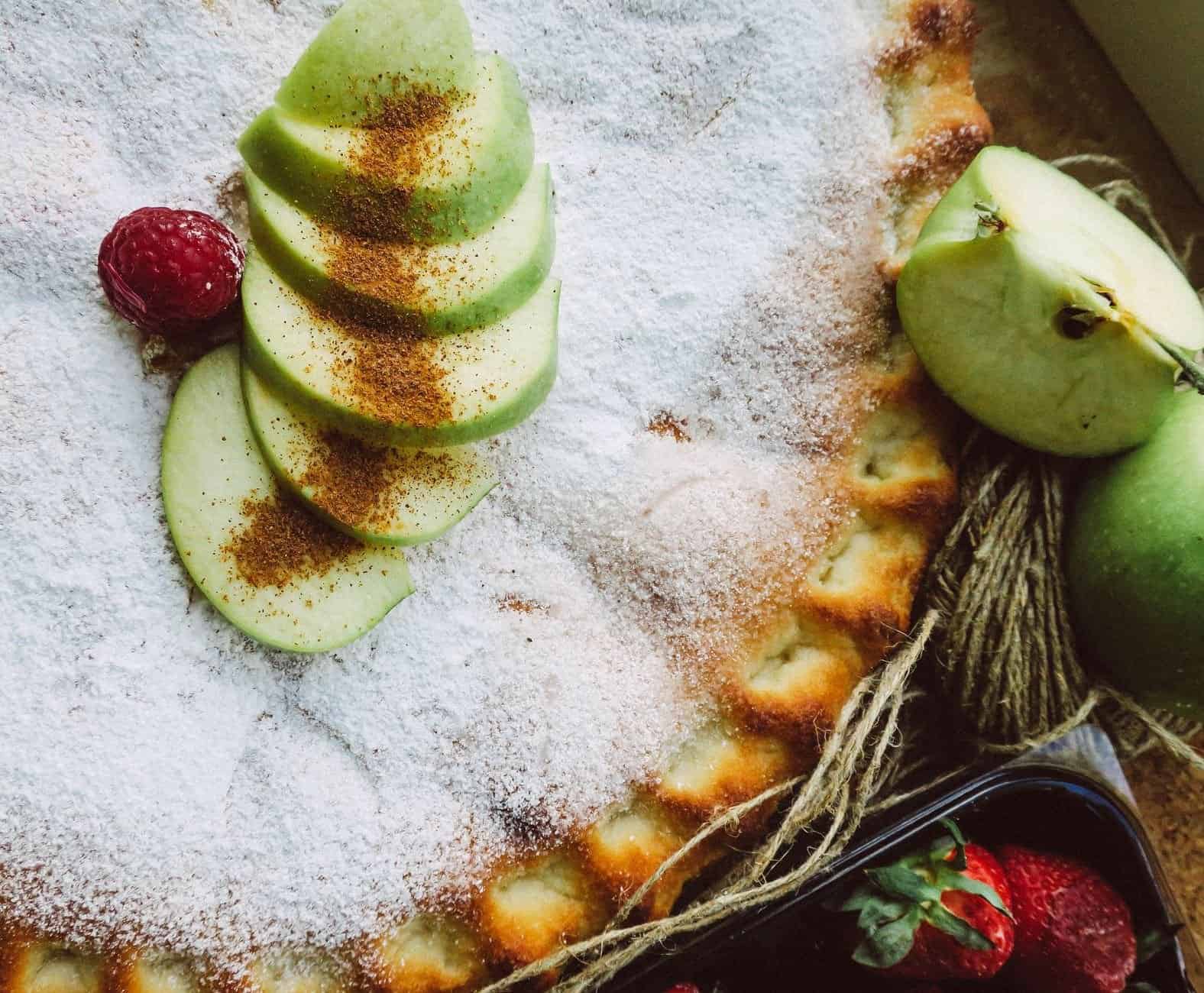
Julian, California sits in the mountains about an hour northeast of San Diego, and it is famous for one thing above all: Julian California apple pie. On a fall weekend, lines stretch out the doors of pie shops, and visitors carry boxed pies to their cars by the dozen. But Julian was a gold rush town before it was a pie town, and its history is still visible on its main street.
The town grew after gold was discovered nearby in 1869, sparking a rush that drew miners to the Cuyamaca Mountains. Apples came soon after. Early settlers planted orchards, and the cool mountain climate at about 4,200 feet proved ideal. Today, Julian combines a historic downtown, mines, orchards, and pie shops.
Before you drive up, here are seven things to know.
7 Things to Know About Julian California Apple Pie and More
1. The Town Started With Gold, Not Apples
In 1869, Fred Coleman, a formerly enslaved man, found gold in a creek near what became Julian. Soon after, miners discovered rich quartz veins in the hills, and the town boomed. The Julian mining district produced significant amounts of gold in the 1870s.
The boom faded within a few decades, but the town stayed. Its historic district preserves buildings from the late 1800s, and the town is recognized as a California Historical Landmark. The Julian Gold Rush Hotel, built by Albert and Margaret Robinson, a formerly enslaved couple, in the 1890s, is still operating.
2. The Pie Shops Have Fans and Lines
Several bakeries are famous for apple pie, including Julian Pie Company, Mom’s Pie House, and other local shops. Each has its fans. Many offer apple, apple crumb, apple-cranberry, and other variations, often with cinnamon and crumb toppings.
On fall weekends, lines can be long. Go early or on a weekday if possible. Many shops sell whole pies and slices, and some offer pies with ice cream or cider. Prices change, but whole pies commonly cost somewhere around $20 to $35 depending on size and type.
3. Apple Season Peaks in Early Fall
Apple harvest in Julian usually runs from late August or September into October. Some orchards offer u-pick apples during the season, but availability depends on the year’s crop and weather. By November, picking is often over, though pie shops keep baking.
The Julian Fall Apple Harvest season draws big crowds, especially on weekends in September and October. The town has celebrated apples for over a century, with apple days and harvest events dating back to the early 1900s.
4. It Is Higher and Colder Than You Think
At about 4,200 feet, Julian is much cooler than San Diego. In late fall and winter, temperatures can drop below freezing at night, and snow is possible. When snow falls, crowds from San Diego rush up to play, causing traffic jams and closures.
Check road and weather conditions before you go. Bring warm layers, and carry chains if snow is in the forecast. Caltrans may require chains on mountain roads during storms.
5. You Can Tour a Real Gold Mine
The Eagle and High Peak Mine offers tours of old mining tunnels and equipment, giving visitors a sense of what miners faced. Tours typically last about an hour, and guides explain the history and process of hard rock mining.
It is a good stop for families and history buffs. Check hours and prices before you go, as schedules can vary by season.
6. Weekend Traffic Can Be Heavy
Julian is a popular day trip from San Diego and Southern California. On fall weekends and snow days, traffic on roads into town, such as Highway 78 and Highway 79, can back up for miles. Parking downtown is limited.
To avoid the worst crowds, visit on a weekday, arrive early, or stay overnight. If you go on a weekend, be patient and plan for extra time.
7. Nearby Parks Are Worth Adding
Cuyamaca Rancho State Park, just south of Julian, offers hiking, camping, and views from Cuyamaca Peak. Volcan Mountain Wilderness Preserve, north of town, has trails with views over the mountains and desert. Anza-Borrego Desert State Park is a short drive east, down into the desert.
These parks give you a chance to hike off pie and see the region’s landscapes.
How to Beat the Pie Lines
Pie lines in Julian are part of the experience, but they do not have to eat your whole day.
- Arrive before 10 a.m. on weekends, when shops are open and crowds are still small.
- Visit on a weekday, especially in November, when lines are short.
- Split up: one person waits in a pie line while others explore.
- Buy a whole pie to take home instead of waiting for a table.
- Try a less famous bakery, which may have shorter lines and pies just as good.
Pies travel well if kept flat and cool. A box on the floor of your car is safer than a seat, especially on Julian’s curvy roads.
Snow Day Etiquette
When snow falls in Julian, San Diego residents head up to play, and the town can be overwhelmed. Many snow play spots are on private property, and parking along highways can be dangerous or illegal. Use designated snow play areas, do not trespass on private land, and pack out trash. Be prepared for road closures and long waits.
The Kumeyaay Homeland
Long before gold miners arrived, the Julian area was part of the homeland of the Kumeyaay people, who lived across what is now San Diego County and northern Baja California. They used the mountains seasonally, gathering acorns and other resources. Cuyamaca Rancho State Park and other sites in the region include interpretive information about Kumeyaay history and culture.
Exploring Downtown Julian
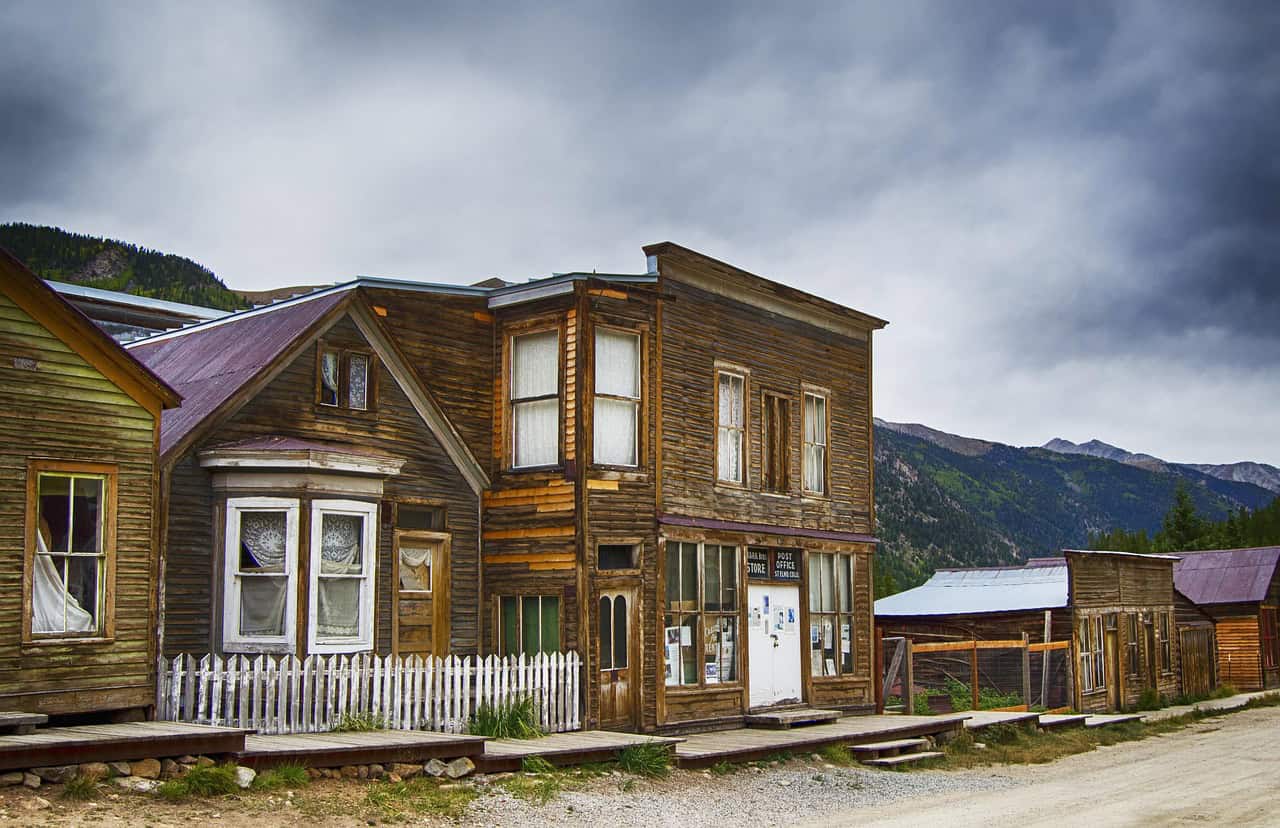
Downtown Julian is small and walkable. Main Street has historic buildings, shops, and restaurants. The Julian Pioneer Museum covers local history. Antique stores, candy shops, and wine and cider tasting rooms add to the mix.
Walking the downtown, you will see wood-frame buildings, wide porches, and old-time signs. It feels like a frontier town, with a strong focus on tourism.
The Julian Gold Rush Hotel
The Julian Gold Rush Hotel, originally opened in the 1890s by Albert and Margaret Robinson, is one of the oldest continuously operating hotels in Southern California. The Robinsons were formerly enslaved people who built a successful business in Julian. Their story is an important part of the town’s history.
Staying at the hotel or visiting it gives you a glimpse of Julian’s past.
Cider, Wine, and More
Julian has cider makers and wineries, some offering tastings. Hard cider and apple-based products are popular. Look for local cider and apple butter.
When to Go
- September and October: apple harvest, busy weekends.
- November: fewer crowds, cooler weather, pie still available.
- December to February: possible snow, holiday decorations, quieter weekdays.
- Spring: wildflowers and blossoms in orchards.
Getting There
Julian is about 60 miles northeast of San Diego, roughly an hour to 90 minutes by car depending on traffic and route. Common routes include Highway 78 through Ramona or Highway 79 through the Cuyamaca Mountains.
From Los Angeles, the drive takes about 2.5 to 3 hours.
Julian Around the Holidays
After apple season, Julian settles into a slower rhythm. In November and December, Main Street businesses decorate for the holidays, and the cooler mountain air makes a hot cider and a slice of pie feel right. Holiday events and decorations change from year to year, so check local listings. Weekdays in early December are some of the quietest times to visit, though a snowstorm can change that overnight.
Where to Stay
Julian has bed-and-breakfasts, inns, cabins, and small hotels. Staying overnight lets you enjoy the town in the evening and early morning when it is quieter.
What to Pack for the Mountains
Julian’s weather can feel like a different state from San Diego’s coast. Pack a warm jacket, layers, and closed-toe shoes, even if it is 75 degrees at home. In winter, add gloves, a hat, and chains for your car. A cooler bag helps if you plan to bring home pies, cider, or apples from local stands, and cash comes in handy at small shops and farm stands.
Making a Day of It
A good day trip starts early in Julian with breakfast and a walk along Main Street before crowds arrive. Tour the Eagle and High Peak Mine in the late morning, then grab pie and cider. In the afternoon, hike a short trail at Volcan Mountain or Cuyamaca Rancho State Park, or drive down to the desert at Anza-Borrego for sunset. Head home before evening traffic, or stay overnight to enjoy the town at its quietest.
The Bottom Line
Julian is a gold rush town that found new life with apples and pie. Visit on a weekday or early in the day, check the weather, and plan for traffic. Explore the historic downtown, tour a mine, and take home a pie.