I’ve Been to Mexico 14 Times — Here’s My Honest Answer When People Ask If It’s Safe
We may earn money or products from the companies mentioned in this post. This means if you click on the link and purchase the item, I will receive a small commission at no extra cost to you ... you're just helping re-supply our family's travel fund.
Every time I post a Mexico photo, I get the same DM: “But is it actually safe?”
My honest answer is the same one I’d give about the United States: it depends entirely on where you are, what you’re doing, and how aware you are of your surroundings. I wouldn’t tell someone Chicago is exactly as safe as a small town in rural Vermont. I wouldn’t tell someone that Cancún’s hotel zone is the same as a Level 4 state along the Texas border. Nuance matters.
I’ve taken my family to Mexico 14 times across the Yucatán Peninsula, Baja, Oaxaca, and Jalisco. We’ve eaten street tacos at 11pm. We’ve driven through small towns in the jungle. We’ve also stayed firmly within resort boundaries in places where that was the right call. Here’s what I actually know.
The State Department Levels Explained
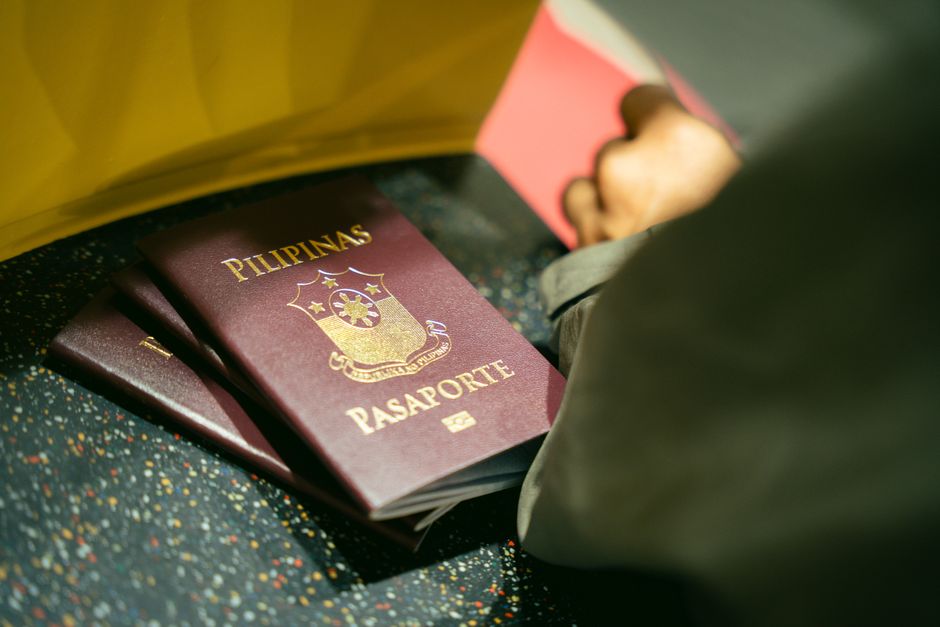
The US State Department uses a four-level travel advisory system:
- Level 1 — Exercise Normal Precautions: Lowest risk. No US destinations in Mexico are currently Level 1.
- Level 2 — Exercise Increased Caution: This is the same rating as France, Germany, and the UK. It means be aware of your surroundings — not avoid.
- Level 3 — Reconsider Travel: Elevated crime or civil unrest. Specific risks worth researching before booking.
- Level 4 — Do Not Travel: The State Department actively recommends against travel. These are the areas with documented cartel activity and kidnapping risk targeting civilians.
Mexico’s advisories are state-by-state, not country-wide. This is an important distinction that gets lost in most fear-driven coverage. Most of the tourist destinations Americans actually visit are Level 2.
Safe vs. Risky States
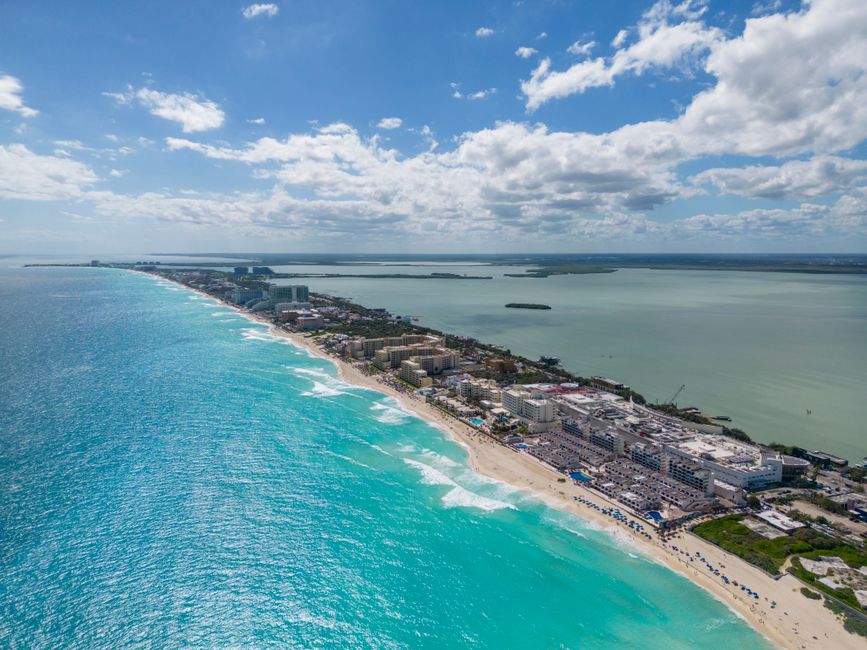
Yucatán Peninsula (Cancún, Tulum, Mérida, Chichén Itzá) — Level 2
This is where the vast majority of American tourists go, and it’s also among the safest areas in Mexico. The Yucatán state itself has an excellent track record. The tourism infrastructure is massive, the local economy is deeply dependent on keeping visitors safe, and Mérida in particular is consistently rated one of the safest cities in all of Latin America.
Cancún’s hotel zone (Zona Hotelera) is heavily patrolled and monitored. Downtown Cancún is less curated — worth visiting, but with normal urban awareness. Tulum has gentrified significantly and the main tourist areas are generally safe, though there have been incidents in surrounding areas. The cenotes, Chichén Itzá, and Cobá are reliably safe as organized tourist destinations.
Baja California Sur (Los Cabos, La Paz) — Level 2
Los Cabos is one of the most popular American vacation spots in North America and one of the most thoroughly resort-secured. The Corridor between Cabo San Lucas and San José del Cabo is lined with gated, all-inclusive resorts with private security. La Paz, two hours north, is a charming, genuinely local city with a less commercial feel and a strong safety record.
Baja California Norte (Tijuana, Ensenada) is a Level 3 — higher cartel activity. Don’t confuse the two Baja states.
Oaxaca City — Level 2
Oaxaca City has emerged over the past decade as one of the most beloved destinations in Mexico for food-focused travelers, and it’s earned that reputation safely. The historic center is walkable, the food and mezcal scene is extraordinary, and the indigenous cultural traditions around Día de los Muertos and textile markets make it a singular experience. Reasonable nighttime awareness applies.
Puerto Vallarta — Level 2
The tourist zone of Puerto Vallarta, the Malecón (boardwalk), and the hotel strip are well-established and generally safe. Puerto Vallarta is in Jalisco state, which carries a Level 3 state-wide advisory, but the city’s tourist area has a significantly better safety record than the state average. Stay in the main tourist corridor and you’ll be fine; explore peripheral neighborhoods with local guidance.
Copper Canyon (Barranca del Cobre) — Level 2
The Copper Canyon region in Chihuahua state (the canyon is larger than the Grand Canyon) is remote and stunning, and the established tour operators who run the Chepe Express train route maintain excellent safety records. This is a “don’t go independently” destination — book with a reputable tour company and you’re in good hands.
Level 4 States: Do Not Travel
These states carry the State Department’s highest warning and should be avoided entirely by tourists:
- Colima — highest homicide rate in Mexico
- Guerrero — includes Acapulco, which has seen dramatic violence in recent years
- Michoacán — significant cartel territory
- Sinaloa — cartel origin state
- Tamaulipas — includes border crossings near McAllen and Brownsville
- Zacatecas — elevated violence in recent years
Level 3 States: Reconsider Travel
- Jalisco — includes Guadalajara. The state has cartel activity, though the city’s tourist areas are more controlled. Research specific neighborhoods before visiting.
- Baja California Norte — Tijuana specifically has significant cartel-related violence. Border tourism carries elevated risk.
The Rules Locals Live By

After 14 visits and many conversations with Mexican locals, expats, and longtime visitors, these are the actual rules:
- Don’t drive after dark in states with cartel activity. Road-based incidents overwhelmingly happen at night. If you’re renting a car, plan your driving for daylight hours only.
- Use only hotel or bank ATMs, never street ATMs. ATM skimming and armed ATM robberies target street machines. The minor inconvenience of going inside is worth it.
- Don’t flash expensive jewelry, cameras, or watches. This isn’t unique to Mexico — it’s basic travel sense anywhere in the world. Leave the Rolex at home.
- Don’t buy drugs. Cartel violence is concentrated around the drug economy. Tourists who engage with it expose themselves to the most dangerous network in Mexico.
- Don’t pick up hitchhikers. This applies to almost any developing country, and doubly so in Mexico.
- If renting a car, research your route state-by-state before driving. The route from Puerto Vallarta to Guadalajara passes through areas with different risk profiles. Know before you go.
- Stay on resort grounds at night in unfamiliar areas. In tourist towns you don’t know well, the resort strip at night is the right call. Explore the authentic stuff during daylight.
What to Do if Something Goes Wrong
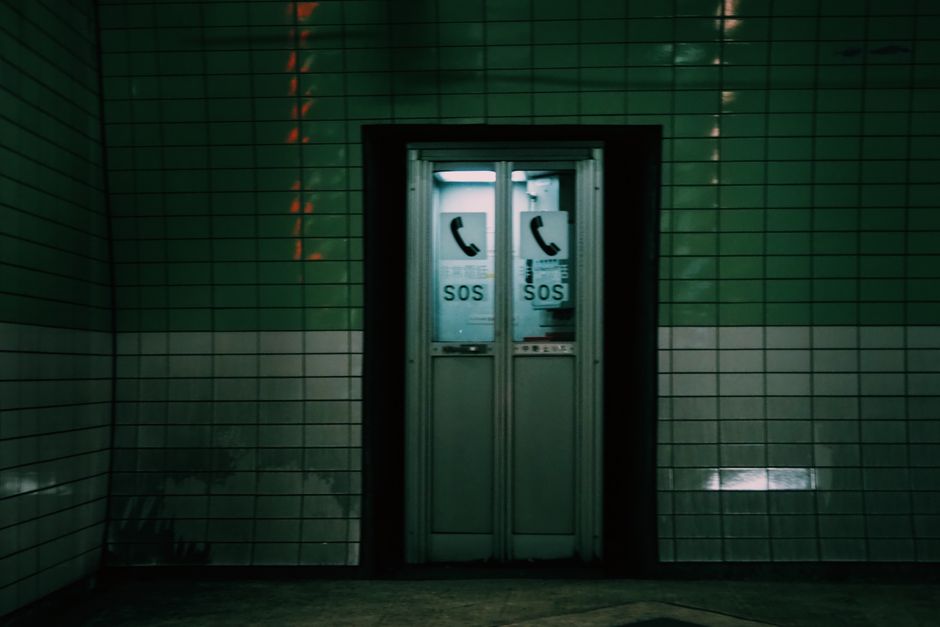
If you’re a victim of crime in Mexico:
- Go to the nearest SEMEFO (tourist police) office or Ministerio Público to file a report — you’ll need this for travel insurance claims
- Contact your country’s embassy or consulate immediately for serious situations. The US Embassy in Mexico City: +52 55 5080-2000
- Call your credit card company immediately for theft — most cards have 24-hour international numbers on the back
- Keep copies of your passport, insurance cards, and booking confirmations in a cloud-accessible folder (Google Drive or similar) so you can access them from any device
The E-Cigarette and Vape Ban: Don’t Make This Mistake
Mexico has a complete ban on e-cigarettes and vaping devices that is enforced with criminal penalties. This includes possession, not just use. Customs officials at Mexican airports actively look for them. If you vape, leave your device at home — the legal exposure is not worth it.
Is It Safe for Families

Yes — with the right destinations. The Yucatán Peninsula (Cancún, Playa del Carmen, Akumal for sea turtle snorkeling, Chichén Itzá) is genuinely family-friendly and has world-class resort infrastructure built specifically for families. All-inclusive resorts in Cancún and Riviera Maya are a bubble of safety, convenience, and entertainment that work exceptionally well for families with young kids.
Los Cabos is another excellent family option. The resort zone is contained, the Pacific ocean activities (whale watching, snorkeling, kayaking) are exceptional, and the logistics are easy.
What I wouldn’t recommend for families: driving independently through unfamiliar states, venturing significantly off the tourist trail in states above Level 2, or visiting border towns.
The Bottom Line
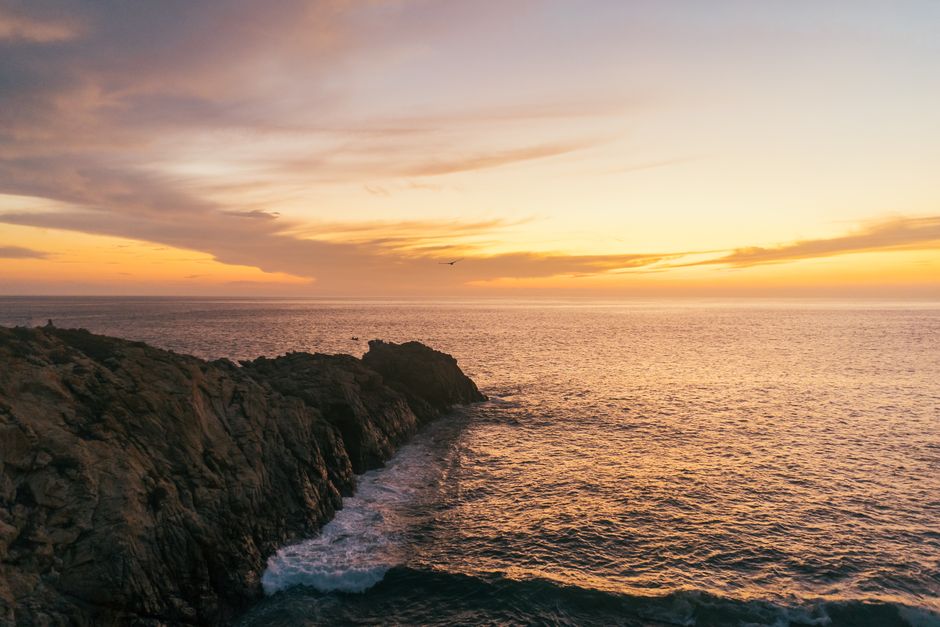
Mexico is the most visited foreign destination for Americans, and the majority of those millions of visitors have safe, wonderful, life-enriching trips. The danger is real in certain areas — but those areas are identifiable, avoidable, and not where most tourists are going anyway.
Respect the advisories. Do your state-level research before any trip that involves driving or straying from the main tourist zones. Understand that Level 2 is the same rating the UK and France carry. And then go enjoy some of the best food, most vibrant culture, and most beautiful coastline on this planet.
Mexico deserves to be understood accurately, not feared reflexively.