For a Texas Wine Trip, Look Beyond Fredericksburg—Wimberley, Dripping Springs, and Johnson City Are Where Growth Is Happening
We may earn money or products from the companies mentioned in this post. This means if you click on the link and purchase the item, I will receive a small commission at no extra cost to you ... you're just helping re-supply our family's travel fund.
Fredericksburg built the brand — Texas Hill Country wine, German heritage, peach orchards — and it remains the name most visitors search for. But the real growth in Texas wine and hospitality investment over the past decade has clustered in three towns most tourists still overlook: Wimberley, Dripping Springs, and Johnson City, all within an hour of Austin and increasingly functioning as that city’s overflow valve for both tourism and permanent relocation.
Dripping Springs Became the Wedding and Distillery Capital
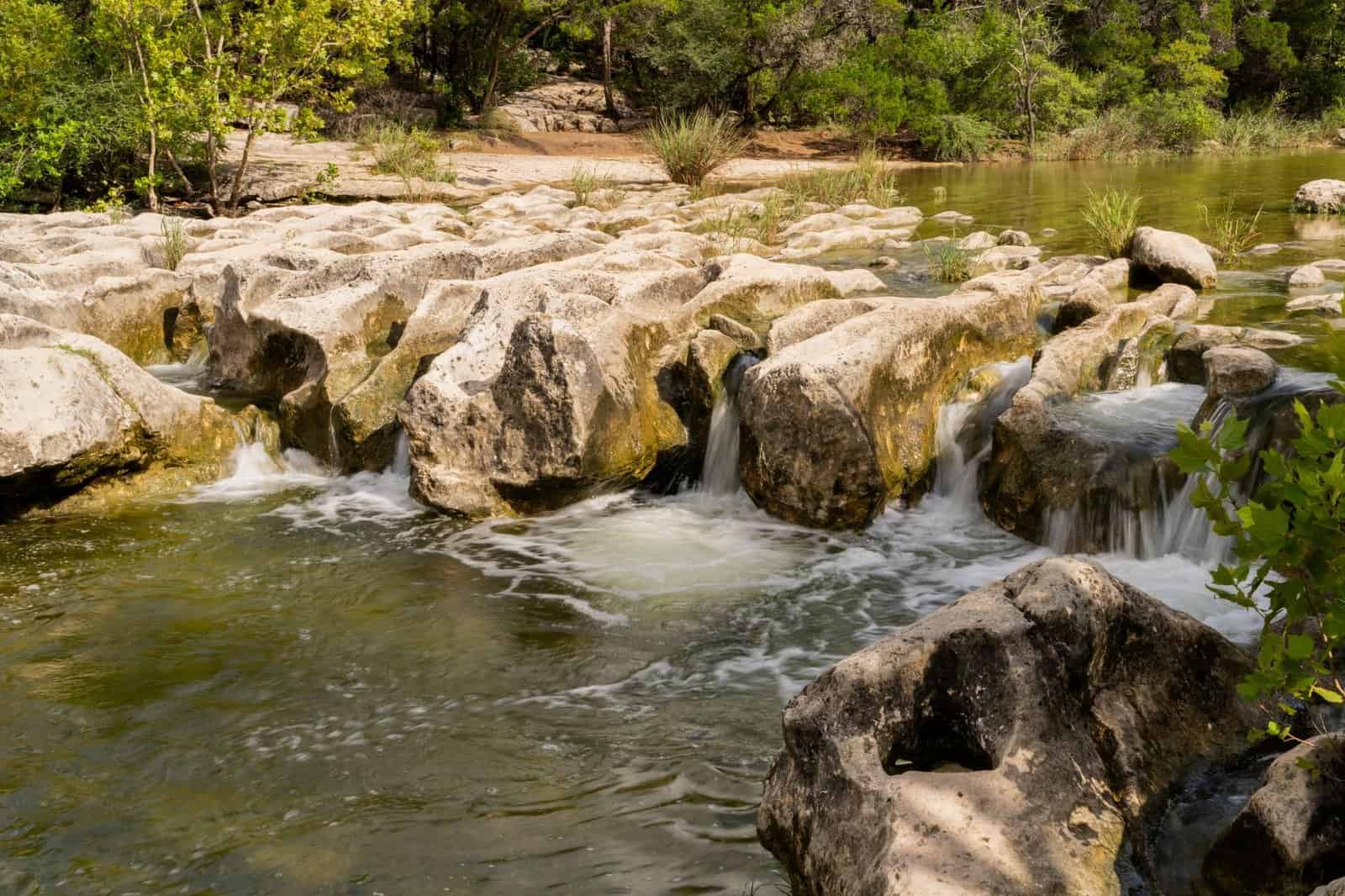
Dripping Springs, once a sleepy crossroads town of a few thousand people, has become one of the fastest-growing municipalities in Texas, with its population roughly tripling since 2010 according to U.S. Census figures, driven by Austin’s sprawl along Highway 290. The town has leaned into a wedding-venue and craft-beverage economy, home to Deep Eddy Vodka’s distillery, Treaty Oak Distilling, and dozens of event venues that host an estimated several thousand weddings a year, enough that locals sometimes call the stretch of 290 through town “Wedding Row.
Dripping Springs’ median home price has climbed to roughly $575,000 as of 2024, reflecting both its proximity to Austin job centers and its own developed hospitality economy, a price point now comparable to parts of the Austin metro itself rather than rural Hill Country.
Wimberley Kept Its Small-Town Character Longer
- Wimberley’s population remains under 3,000, with strict zoning that has limited large-scale subdivision development compared to Dripping Springs
- The Blue Hole Regional Park swimming area draws thousands of summer visitors and has implemented reservation systems to manage crowding
- Wimberley Market Days, running since the 1970s, remains one of the largest and longest-running outdoor markets in Texas
- Home prices in Wimberley run lower than Dripping Springs, generally $400,000 to $500,000 for median properties, reflecting its slightly further distance from Austin
Wimberley’s cypress-lined Blanco River and the natural swimming hole at Blue Hole have made it a magnet for river tourism specifically, a different draw than Dripping Springs’ wedding-and-distillery economy or Fredericksburg’s wine-tasting circuit.
Johnson City Rides on LBJ and Peach Orchards
Johnson City, boyhood home of President Lyndon B. Johnson and site of the LBJ National Historical Park, has stayed considerably smaller and less developed than its two neighbors, with a population still under 2,000. Its growth has come more from peach orchards and small vineyards spilling westward from Fredericksburg’s wine district than from Austin commuter sprawl, giving it a more agricultural, less event-driven identity.
All three towns benefit from the same underlying driver: Austin’s tech-fueled population growth pushed housing costs and traffic congestion high enough that both visitors and new residents started looking to the Hill Country towns west of the city for a version of Austin’s outdoor lifestyle without Austin’s price tag or gridlock, even though Dripping Springs and Wimberley are no longer meaningfully cheaper than they once were.
What This Means for the Region’s Future
Fredericksburg remains the tourism anchor, with more than 30 wineries and tasting rooms drawing weekend crowds from Austin and San Antonio year-round, according to Texas Hill Country wine trail estimates. But the towns closer to Austin — Dripping Springs especially — are absorbing more of the region’s actual population and investment growth, transitioning from rural crossroads towns into fully developed exurbs with their own hospitality economies layered on top. Anyone visiting the region purely because of Fredericksburg’s name recognition is missing that the more dynamic economic story has shifted twenty to thirty miles east.
The Water Fight Underneath the Growth
All of this growth sits on top of a genuine resource constraint that gets far less attention than the wineries and wedding venues: the Trinity and Edwards aquifers that supply the Hill Country’s water are under increasing strain from rapid development, and groundwater conservation districts across Hays and Blanco counties have raised repeated concerns about long-term water availability as population and event-venue water usage both climb. Wimberley in particular sits atop a stretch of the Trinity Aquifer that has seen well levels drop measurably during drought years, a slow-moving issue that doesn’t show up in any tourism brochure but increasingly shapes local zoning and development debates.
Local water districts have begun requiring more detailed hydrological studies for new large-scale developments, including event venues, a regulatory response directly tied to the scale of growth the region has seen since 2010. How that plays out over the next decade may end up mattering more to these towns’ futures than anything happening in their tasting rooms.
The wedding-venue boom specific to Dripping Springs has also generated its own local backlash, with Hays County commissioners fielding regular noise and traffic complaints from rural residents living near the busiest event venues along Highway 290. Some venues now operate under specific county-negotiated conditions limiting amplified sound after certain hours, a small but telling sign of how quickly a rural crossroads town’s identity can shift once a single industry — in this case, destination weddings — scales up faster than local governance structures were originally built to handle.
Texas’s broader Hill Country wine industry, now producing enough volume to rank among the more significant American Viticultural Areas outside California, has drawn increasing investment from established California wine families looking to diversify geographically, a trend that has accelerated new vineyard planting well beyond the traditional Fredericksburg cluster and into the hillsides around all three of these smaller towns, further blurring the line between where Fredericksburg’s wine identity ends and its neighbors’ begins. Texas Hill Country’s growing conditions, hot days and cooler nights at elevation, differ enough from the Napa or Willamette models that the region has had to develop its own grape varietal preferences, leaning heavily on Tempranillo, Mourvedre, and other heat-tolerant varieties rather than trying to force Cabernet or Pinot Noir into a climate that doesn’t naturally support them. That climate-driven distinctiveness has become part of the region’s marketing pitch in its own right, giving Hill Country wine an identity separate from simply being a cheaper, closer alternative to California. Wine tourism revenue across the broader Hill Country region now supports thousands of jobs and has become a genuine agricultural diversification success story for a part of Texas that relied for generations on cattle ranching and modest row-crop farming before the vineyards arrived.