A Charleston Weekend in Peak Season Can Cost More Than a Flight to Europe—Here’s Where It Adds Up
We may earn money or products from the companies mentioned in this post. This means if you click on the link and purchase the item, I will receive a small commission at no extra cost to you ... you're just helping re-supply our family's travel fund.
A three-night weekend in Charleston, South Carolina during peak spring season — April through early June, when azaleas are blooming and humidity hasn’t yet become unbearable — routinely runs $1,800 to $2,500 for a couple once hotel, dining, and activities are added up, a figure that increasingly rivals or exceeds a round-trip flight and several nights in a mid-tier European city.
Where the Money Actually Goes
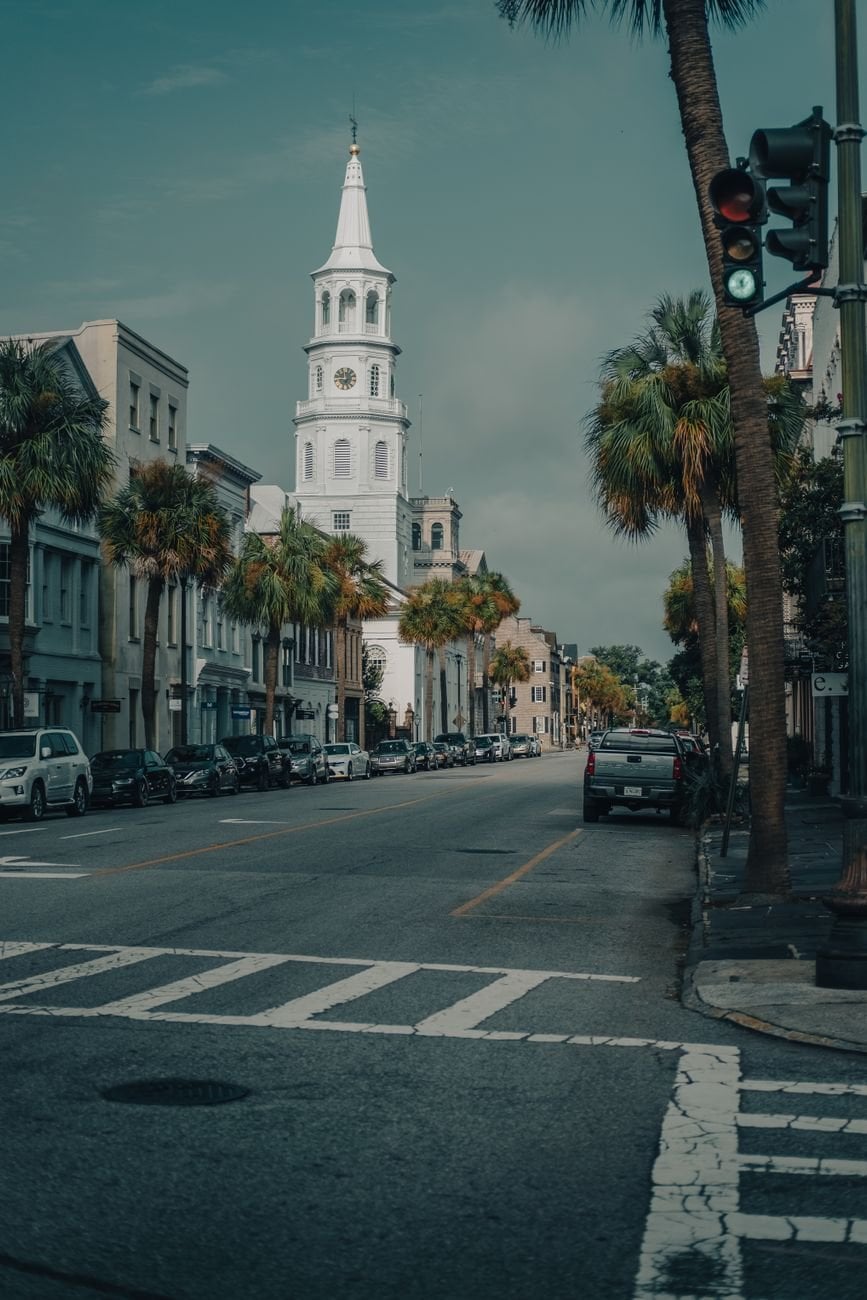
Hotel rates in Charleston’s historic district during peak season commonly run $350 to $550 per night at well-reviewed boutique properties, and the city’s most sought-after inns and hotels, many housed in restored 18th and 19th-century buildings, can exceed $700 a night with little difficulty finding demand. Charleston’s hospitality tax revenue and hotel occupancy data, tracked by the city’s Office of Cultural Affairs, consistently show peak-season occupancy rates above 85%, a level that keeps rates elevated because supply in the walkable historic core is fixed by preservation ordinances similar to Savannah’s.
Dining is where Charleston separates itself from most Southern cities of comparable size. The city has one of the most decorated restaurant scenes in the country relative to its population, with James Beard Award winners clustered within a few walkable blocks. Tasting menus at destination restaurants run $95 to $175 per person before wine, and even casual, well-regarded spots average $28 to $40 for an entree.
The Full Weekend Math
- Hotel, three nights in historic district: $1,200 to $1,650
- Dinners, three nights for two people at mid-to-high-end restaurants: $350 to $600
- A carriage tour or historic home tour, a near-mandatory activity: $60 to $90 for two
- Parking, historic district garages, three days: $75 to $100
- A day trip to nearby Kiawah or Sullivan’s Island beaches, including rental gear: $100 to $200
Add typical incidentals — coffee, cocktails, a boutique purchase or two on King Street — and the realistic total for two people lands close to $2,200 for a long weekend, before flights.
Why Charleston Can Charge What It Charges
Charleston’s tourism economy benefits from the same scarcity dynamic driving Savannah’s housing market: a fixed, legally protected historic core that cannot expand its hotel and restaurant inventory the way a typical growing Sun Belt city can. The Charleston Board of Architectural Review, one of the oldest in the country, has restricted new construction in the historic peninsula since 1931, meaning the supply of atmospheric, walkable lodging is essentially capped while national demand keeps rising.
Charleston recorded roughly 7 million visitors annually in recent pre-pandemic and post-pandemic tourism studies commissioned by the Charleston Regional Development Alliance, a volume that a peninsula of roughly 150,000 residents was never built to absorb without prices climbing. Local frustration with tourism congestion has become a recurring city council topic, with residents citing traffic, noise from bachelorette party tours, and the conversion of residential buildings to short-term rentals as direct costs of the visitor economy that don’t show up in a typical travel budget article.
Ways the Math Actually Works Better
Visitors willing to stay outside the historic peninsula — in neighborhoods like West Ashley, North Charleston, or across the harbor in Mount Pleasant — can cut lodging costs by 40% to 50% while remaining a short drive or rideshare from downtown. Shoulder season, particularly late January through early March or September through October, brings hotel rates down substantially while avoiding both summer humidity and spring crowds. The core lesson from Charleston’s cost structure is that the premium isn’t really for the city itself — it’s specifically for staying inside roughly two square miles of protected historic real estate that will never expand no matter how much demand keeps growing.
The Hidden Cost of Charleston’s Popularity
Traffic congestion on the peninsula has become severe enough that the city has studied congestion pricing and additional bridge tolling concepts in recent years, following the lead of cities like New York in considering direct charges for entering the most congested zones. Locals increasingly avoid driving into downtown Charleston during peak tourist hours entirely, relying instead on the outskirts for daily errands, a quiet sign of how thoroughly the visitor economy has reshaped daily life for residents who don’t work in hospitality.
The city’s hospitality tax revenue, which funds a significant share of Charleston’s tourism marketing and infrastructure spending, has grown steadily for years, giving local government a genuine financial incentive to keep visitor numbers climbing even as residents raise concerns about overcrowding. That tension between fiscal benefit and quality-of-life cost shows no sign of resolving soon, and it’s part of why hotel and restaurant prices keep climbing even in years when broader inflation has cooled.
Charleston’s cruise ship debate adds another dimension entirely, separate from the hotel-and-restaurant economy driving most weekend visitor spending. Carnival Cruise Line has operated year-round sailings out of the Charleston port for years, a source of ongoing local controversy over downtown congestion and environmental concerns that predates and runs parallel to the broader hotel-tourism cost conversation, illustrating how many distinct visitor-economy fights the city is managing simultaneously on a peninsula that was laid out for a population a fraction of its current visitor volume.
What a Smarter Weekend Budget Looks Like
Travelers who split their stay — two nights in the historic peninsula to experience the walkability and architecture, one night in a cheaper outlying neighborhood — report meaningfully lower total costs without sacrificing the core experience most people travel to Charleston for in the first place. Booking dinner reservations at slightly less trendy, still excellent restaurants a few blocks off the main tourist corridors on King Street and Meeting Street can cut food costs by 20% to 30% with little difference in quality, since Charleston’s culinary talent pool runs deep enough that the best food isn’t confined only to the most Instagrammed addresses. Visiting midweek rather than a Friday-to-Sunday window can also shave 15% to 25% off hotel rates even during peak season, since business and event-driven demand still concentrates disproportionately on weekends even in a fundamentally leisure-driven destination like Charleston. Renting bikes rather than relying on parking garages or rideshare for short peninsula trips saves money too, and fits naturally with how compact and flat the historic district actually is once you’re inside it.