Durango’s 19th-Century Train Built Its Identity. The Outdoor Economy That Followed Is Pricing Locals Out
We may earn money or products from the companies mentioned in this post. This means if you click on the link and purchase the item, I will receive a small commission at no extra cost to you ... you're just helping re-supply our family's travel fund.
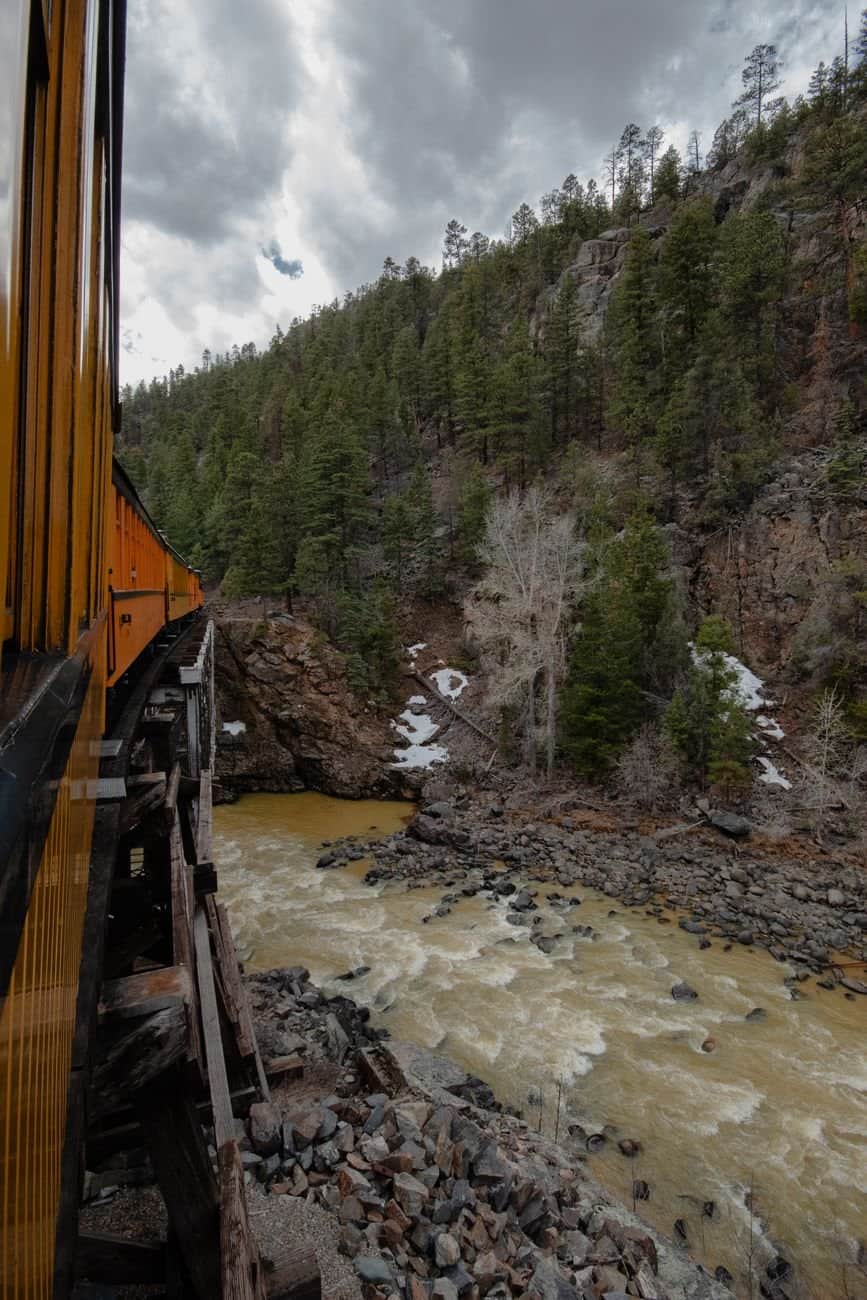
The Durango and Silverton Narrow Gauge Railroad has run coal-fired steam locomotives along the Animas River since 1882, originally hauling silver and gold ore out of the San Juan Mountains, and it’s still running today as one of the most intact historic tourist railroads in the country. That single piece of 19th-century infrastructure, kept alive mostly by tourism revenue rather than necessity, became the anchor for an outdoor recreation economy in Durango, Colorado that has since made the town one of the more expensive small cities in the Mountain West.
From Mining Town to Outdoor Recreation Capital
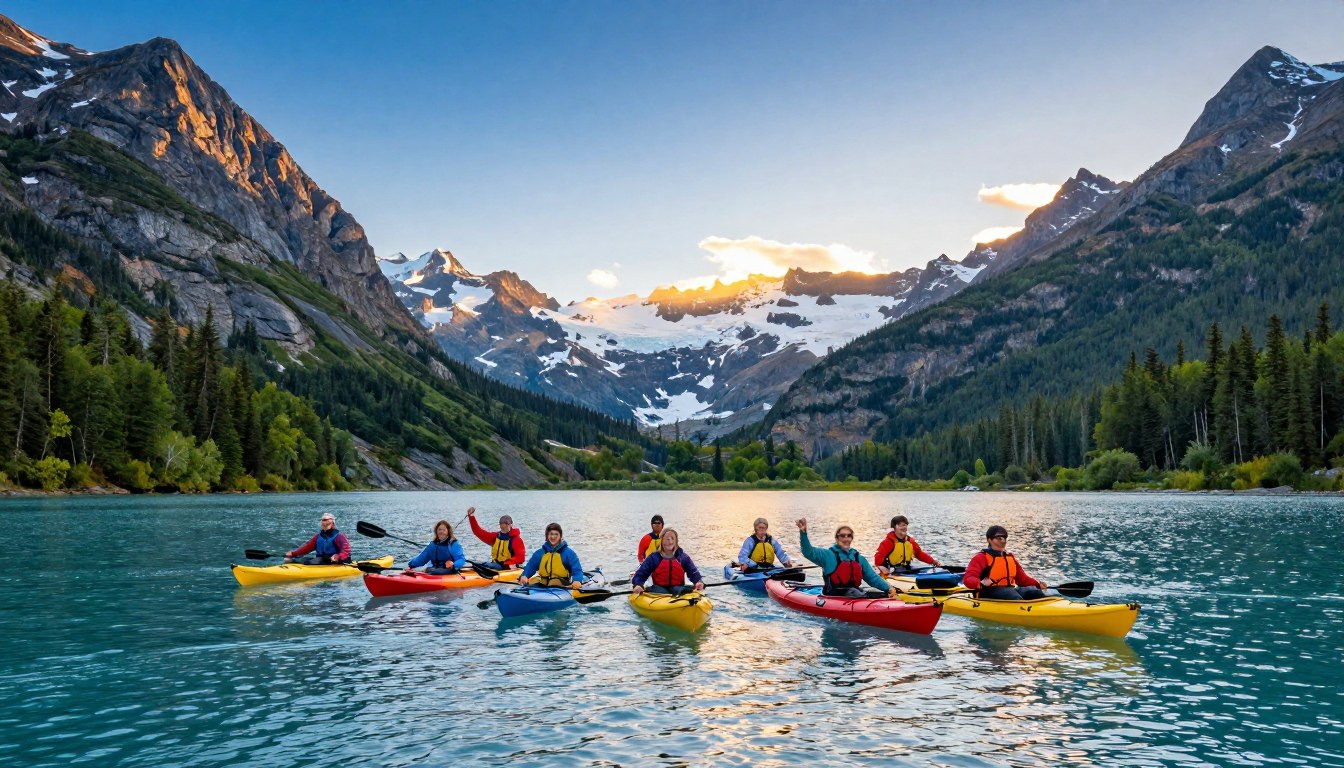
Durango’s economy pivoted hard from mining and railroading to tourism and outdoor recreation over the second half of the twentieth century, helped enormously by Purgatory Resort’s ski terrain twenty-five miles north and the Animas River’s whitewater rafting and fishing access running directly through downtown. Fort Lewis College, a public liberal arts college perched on a mesa above downtown, adds a steady population of students and a disproportionately outdoorsy graduate retention rate — many students arrive to ski and never leave.
The town’s median home price has climbed to roughly $650,000 as of 2024, according to regional MLS data, a startling number for a city with a population of only around 19,000. That price reflects a national pattern common to Mountain West towns with strong outdoor recreation branding: Durango draws buyers who could afford to live anywhere and choose it specifically for river access, ski proximity, and mountain-town character, which prices out much of the workforce actually running the town’s restaurants, rafting companies, and rental shops.
Fort Lewis College adds another dimension to this dynamic that’s easy to overlook. The school enrolls a few thousand students annually and has one of the highest rates of outdoor-recreation-driven enrollment of any small public college in the country, meaning a substantial share of its graduates specifically chose the school because of Durango’s terrain rather than its academic programs alone. Many stay after graduation, taking jobs in guiding, retail, or hospitality that pay considerably less than their degrees might command elsewhere, accepting the trade-off deliberately in exchange for continued access to the mountains and river.
Durango’s downtown historic district, centered on Main Avenue, has retained a genuinely walkable, low-rise 19th-century commercial streetscape that developers in flashier resort towns often demolish or heavily renovate. That preserved character, combined with the town’s active river walk along the Animas, gives Durango a distinct sense of place that outdoor recreation branding alone wouldn’t create, and it’s a significant part of why national outlets have repeatedly ranked it among the most livable small cities in the Mountain West, rankings that in turn feed the same demand pressure driving up local housing costs.
Wildfire risk has also become an increasingly significant factor shaping Durango’s real estate and insurance markets, following the 416 Fire in 2018 that burned more than 54,000 acres just north of town and forced evacuations that disrupted the peak summer tourist season entirely. Insurance companies have grown more cautious about writing new policies in the wildland-urban interface surrounding Durango, a dynamic increasingly common across the Mountain West that adds real, if underappreciated, financial risk to the same mountain-adjacent properties driving the town’s price appreciation.
The Numbers Behind the Squeeze
- Durango’s median household income is around $58,000, while the home price-to-income ratio has climbed well past what conventional mortgage lending considers affordable
- La Plata County has documented a persistent workforce housing shortage, with local employers in tourism and healthcare citing it as a top recruitment obstacle
- The Durango and Silverton railroad alone carries roughly 200,000 passengers annually, a significant chunk of the town’s total visitor economy
- Purgatory Resort’s snowfall and skier visits have become increasingly weather-dependent as regional snowpack has grown less reliable in recent years
Durango’s city council and regional housing authorities have pursued deed-restricted affordable housing developments and employer-assisted housing programs, similar to strategies used in Aspen, Jackson, and other Mountain West towns facing identical squeezes. The fundamental math is the same everywhere it’s tried: it’s difficult to build affordable housing fast enough to keep pace with the influx of remote workers and second-home buyers drawn by the same scenery that makes the workforce housing problem so severe in the first place.
What Makes Durango Different From Aspen or Telluride
Durango has avoided becoming a full luxury enclave the way Aspen or Telluride did partly because it isn’t primarily a ski town — Purgatory is a respectable but not marquee ski resort, and Durango’s identity rests more on year-round outdoor recreation, historic character, and its role as a regional hub for the Four Corners area, including a substantial healthcare and government employment base that doesn’t exist in smaller resort-only towns. Mercy Regional Medical Center and a cluster of regional government offices give Durango a base of stable, salaried employment that pure resort towns lack entirely.
That diversification has kept Durango’s economy from being purely tourism-dependent, but it hasn’t been enough to stop housing costs from climbing well ahead of local wages. The train that put Durango on the map in the first place is still running, still profitable, and still one of the top tourist draws in southwest Colorado — but the economy it helped build now runs on an entirely different, more expensive logic than the one that founded the town. Local officials continue debating short-term rental restrictions and inclusionary zoning requirements for new development, following the same playbook tried with limited success in nearly every other Mountain West recreation town facing an identical cost spiral.
The Southern Ute and Ute Mountain Ute tribes, whose reservations sit south of Durango, add a further layer to the regional economy through casino gaming revenue and natural gas development in the surrounding San Juan Basin, an economic presence largely invisible to tourists who spend their visit downtown or on the train but significant to the broader La Plata County tax base and employment picture. Any complete accounting of the region’s economy has to include that tribal economic activity alongside the more visible train-and-river tourism story that dominates outside perception of Durango.