Florida’s Space Coast Runs 72 Miles and Kennedy Space Center Is Just the Beginning. Here’s What Else Is Out There
We may earn money or products from the companies mentioned in this post. This means if you click on the link and purchase the item, I will receive a small commission at no extra cost to you ... you're just helping re-supply our family's travel fund.
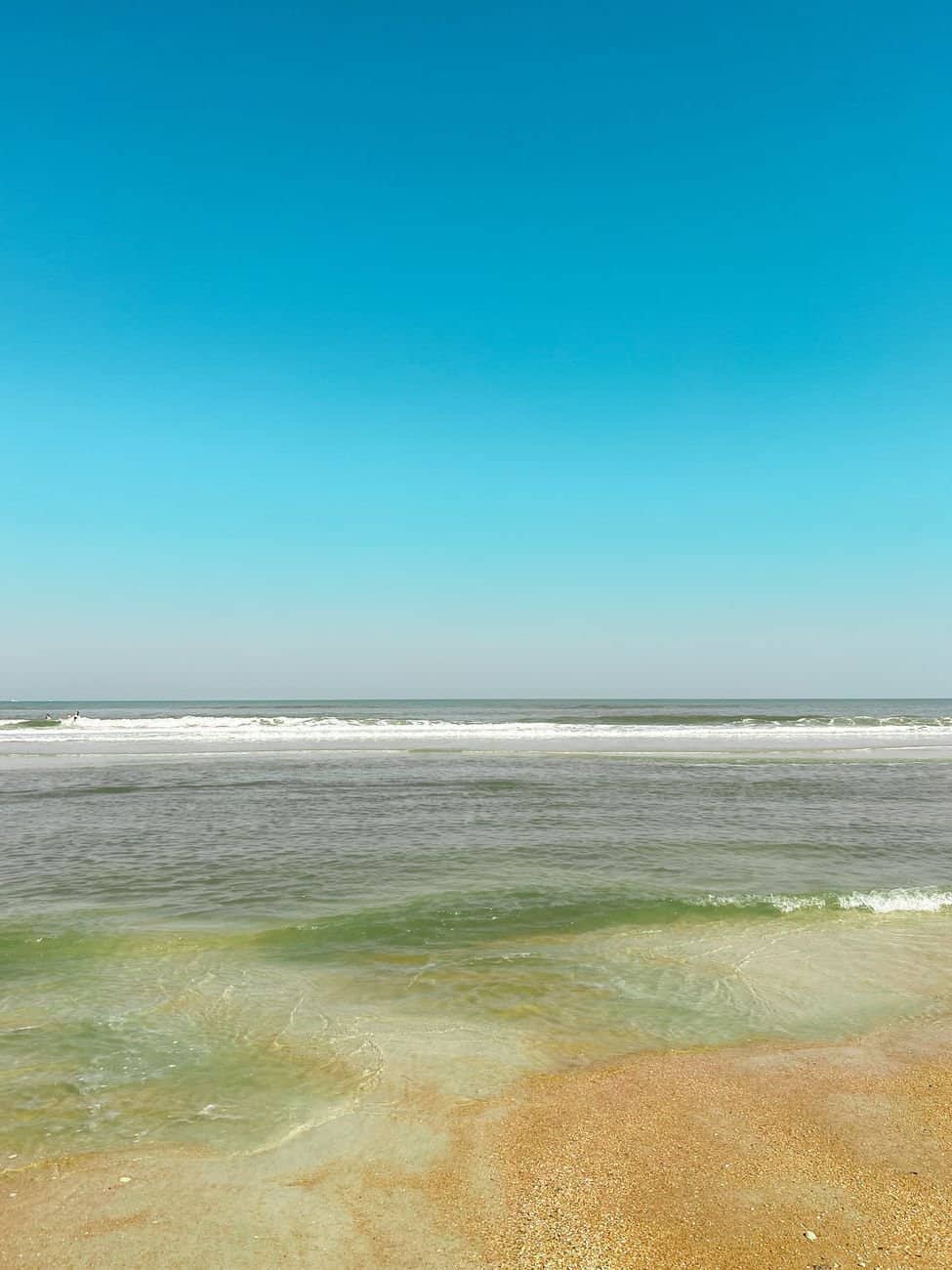
The Florida Space Coast is often reduced to a launch schedule, but its lived geography stretches about 72 Atlantic miles across Brevard County. Titusville faces the Indian River Lagoon near Kennedy Space Center. Cocoa Beach is a surf-and-tourism town with a long oceanfront identity. Melbourne is the larger employment, health-care, and technology center farther south. A launch ties them together for a few bright minutes; daily life is much more varied.
A coast built around launch windows and ordinary life
Kennedy Space Center and Cape Canaveral Space Force Station are the region’s global symbols, yet Brevard’s economy also includes engineering, defense, aviation, health care, hospitality, and marine services. The barrier island, lagoon, and mainland create a map where a few bridge crossings can determine a commute. Launch viewing is public culture, not an attraction sealed behind a gate: road shoulders, waterfront parks, restaurants, and hotel balconies all fill when weather and mission timing align.
Titusville, Cocoa Beach, and Melbourne do different jobs
Titusville has a direct relationship to the space complex and the Merritt Island National Wildlife Refuge. Cocoa Beach leans toward sand, surf shops, rentals, and beach traffic. Melbourne and nearby Eau Gallie offer a broader city mix, with employers, older neighborhoods, arts districts, and access to the mainland side of the lagoon. Calling the whole area “Cocoa Beach” is as imprecise as calling every New York borough Manhattan.
Three cities, three rhythms
The infrastructure creates wonder and friction in equal measure. A scheduled launch can produce an impromptu civic gathering; a delayed launch can leave people staring at the sky and refreshing alerts. Lagoon health, storm exposure, insurance, and congestion are not background concerns. They define what it means to live on a narrow coast where high-tech campuses and low-lying roads share the same weather system.
The boom has a local housing consequence
Tourism spending sustains businesses, but space-industry growth also raises the stakes for housing. Engineers, contractors, service workers, retirees, and short-stay visitors compete for places in a region where flood risk and insurance costs are material. Travelers can enjoy the spectacle while recognizing that launch weekend demand does not float above the communities serving it.
- Treat a launch as weather-dependent until liftoff actually occurs.
- Choose Titusville for refuge access and Kennedy proximity, Cocoa Beach for sand, Melbourne for city amenities.
- Check bridge routes and beach parking before a high-profile launch.
- Learn local rules for wildlife areas and turtle-nesting beaches.
- Build a non-launch day into the itinerary so a delay does not erase the trip.
What an attentive visit changes
The most useful way to approach this subject is to separate a memorable image from the system that produces it. A coast built around launch windows and ordinary life is not an abstract theme; it is visible in schedules, property choices, staffing, roads, and the small decisions that residents make every week. A traveler does not need expert credentials to notice those connections. They do need enough time to look past the quickest version of the story and enough humility to avoid mistaking a short stay for total knowledge.
That distinction changes the itinerary. Instead of trying to collect every landmark, leave room for a normal block, a local meal at an ordinary hour, a bus or walk that follows daily movement, and a conversation in which the visitor listens more than they perform expertise. The point is not to claim an insider identity after a weekend. It is to come away with a better question about how place, work, culture, and money fit together.
Pay attention to the operating details
Operating details often explain more than promotional language. Look at when a street is busy, how long the drive actually takes, what people carry out of shops, where public space ends, and whether an attraction depends on a fragile landscape or a workforce with limited housing. These observations make travel more interesting because they restore cause and effect. A beautiful view can remain beautiful while becoming less anonymous.
There is also a practical benefit. Travelers who plan with context are less likely to arrive at the wrong hour, overbook a day, ignore seasonal constraints, or spend all their money inside the most expensive corridor. They can make choices that are kinder to their own energy and more useful to the places hosting them. The result is not a perfect trip. It is a trip that has a chance to be both enjoyable and proportionate.
This approach also leaves room for disagreement and change. Local conditions evolve: a storefront closes, a route gains service, a storm alters access, a new employer shifts demand, or a community decides that an old arrangement no longer works. Treating a destination as fixed makes every update look like a disappointment. Treating it as a living place makes updates part of the reason to return. The traveler’s job is not to preserve a preferred image of somewhere else. It is to arrive prepared, observe carefully, and accept that the people who live there have a longer relationship with its future. That is why a return visit can be more valuable than a larger checklist: familiarity makes the changes visible, and it makes a guest less likely to confuse novelty with importance. It can also make a traveler more patient with an imperfect day, more considerate about capacity, and more willing to find value outside the single attraction that originally prompted the trip. Over time, this habit produces a more durable travel memory: not just a record of where someone went, but a more grounded account of how the place worked while they were there. The added context makes recommendations more useful because it explains who benefits, what is fragile, and why a detail that seems minor may shape a local day.
See the coast between launches
The Space Coast is compelling because rockets are embedded in an inhabited landscape. There are schools, mangroves, marinas, medical offices, old motels, and neighborhoods under the same sky as the pads. Kennedy is essential, but the region becomes more interesting once visitors stop treating everything beyond the visitor complex as a waiting room.