Planning a Flagstaff Stay? Its 76,000 Residents Are Only Part of the Story—NAU, Winter, and Housing Shape the City Year-Round
We may earn money or products from the companies mentioned in this post. This means if you click on the link and purchase the item, I will receive a small commission at no extra cost to you ... you're just helping re-supply our family's travel fund.
Flagstaff has more than 76,000 residents, but the number says little about how the city works. At about 7,000 feet in northern Arizona, it is a mountain town with a state university, a ski area, a historic downtown and one of the tightest housing markets in the state. Planning a Flagstaff stay means paying attention to three forces that shape the city all year: Northern Arizona University, winter weather and housing costs.
Here is how each one affects lodging, traffic, restaurants and the best time to go.
How NAU, Winter and Housing Shape a Flagstaff Stay
Flagstaff sits in the Coconino National Forest, at the foot of the San Francisco Peaks, which include Humphreys Peak, the highest point in Arizona at 12,633 feet. The city started as a railroad and lumber town and sits along historic Route 66 and Interstate 40. Today its economy depends on tourism, education, health care, science and outdoor recreation. Its position gives it four seasons, cool summers and a reputation as a refuge from the desert heat of Phoenix, about 145 miles south.
Three factors make it different from many other towns of its size. NAU enrolls tens of thousands of students across its campuses, with a large share in Flagstaff, and the school calendar shapes demand. Winter brings substantial snowfall, which drives skiing and road conditions. And a shortage of housing, combined with high demand from remote workers, students and visitors, pushes prices up for residents and visitors alike.
NAU and the academic calendar
Northern Arizona University is one of the city’s largest employers and a major cultural force. It runs a Division I athletic program, concerts, lectures and a planetarium. For visitors, the calendar matters because hotel rooms and rentals fill during move-in in August, parents’ weekends, homecoming in the fall and commencement in May. During those weeks, rates rise and restaurants fill. Conversely, late December and early January can be quieter on campus, though winter tourism may be strong.
If your trip does not depend on NAU, check the university’s event calendar before you book. If you are visiting a student or attending graduation, reserve months ahead. If you want a calmer visit, aim for mid-semester weekdays or the summer break, when students leave.
Winter: snow, skiing and driving
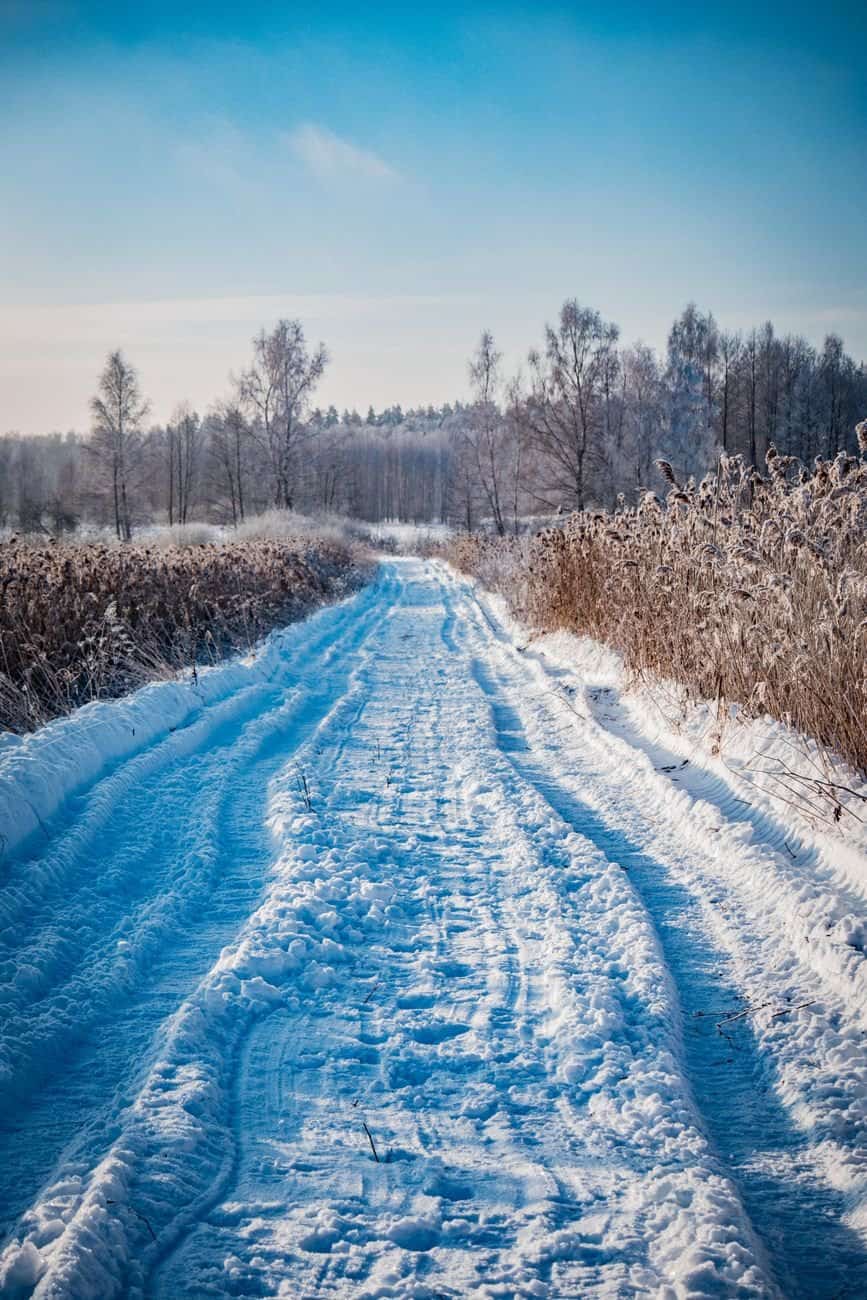
Flagstaff receives, on average, about 100 inches of snow a year, making it one of the snowiest cities in the country, with most falling between December and March. Arizona Snowbowl, on the San Francisco Peaks, operates ski lifts, snowboarding and, in summer, a scenic chairlift. Snow-play areas in the national forest, cross-country ski trails and sledding spots attract families. Winter storms can close roads for hours, so be ready.
- Carry chains or snow tires from late fall to early spring, and know your rental car’s policy on them.
- Check the Arizona Department of Transportation site for highway conditions on I-40, I-17 and US 89.
- Allow extra time for the drive up Snowbowl Road, which can have restrictions during storms.
- Pack layers, boots, gloves and sun protection, since the sun at altitude is strong.
- Be prepared for altitude effects, such as headaches or fatigue, if you arrive from sea level.
Housing: why it matters to visitors
Flagstaff has a limited supply of land because it is surrounded by national forest, and housing costs are among the highest in Arizona. Workers in hospitality and education often struggle to find affordable places to live, and many commute from outside the city or share homes. The city has adopted housing policies, including efforts to build more units and rules on short-term rentals, but pressure persists.
For visitors, this affects the supply and price of lodging. Short-term rentals compete with long-term housing, and some neighborhoods have limits. Hotels fill quickly on peak weekends, and prices can be high for what you get. Booking early, staying midweek or considering nearby towns such as Williams or Winslow can save money. Be a considerate guest in residential areas by following parking rules, noise limits and trash instructions.
What to Do in Flagstaff
The city offers a mix of science, history and nature.
Science and astronomy
Lowell Observatory, founded in 1894, is where Clyde Tombaugh discovered Pluto in 1930. It offers daytime tours and nighttime viewing through large telescopes, and it is a major attraction. Flagstaff was named the world’s first International Dark Sky City in 2001, and outdoor lighting rules keep the night sky dark. Check observatory schedules and reserve evening programs ahead.
History and culture
Historic downtown has brick buildings from the early 1900s, with restaurants, breweries, bookshops and galleries. The Museum of Northern Arizona covers the geology, anthropology and Native cultures of the Colorado Plateau. The Riordan Mansion State Historic Park offers tours of the home of a lumber baron family. Route 66 signs, neon and motels remind visitors of the road’s heyday.
Outdoors close to town
- Walnut Canyon National Monument: Cliff dwellings built by the Sinagua people about 800 years ago, about 10 miles east of Flagstaff.
- Sunset Crater Volcano National Monument and Wupatki National Monument: A volcanic landscape and ancestral Puebloan ruins on a scenic loop north of town.
- Lava River Cave: A mile-long lava tube in the national forest, which requires warm layers, lights and caution.
- Mount Elden and Buffalo Park: Trails that start near town and offer views.
- Humphreys Peak: A strenuous 10-mile round-trip hike to the state’s highest point, best in summer, with attention to storms and closures.
Day trips
Sedona is about 30 miles south via a scenic canyon drive. The Grand Canyon’s South Rim is about 80 miles northwest, around a 90-minute drive. Meteor Crater, Petrified Forest and Montezuma Castle are other options within a couple of hours.
When to Visit
Each season has advantages and drawbacks.
- Winter: Skiing, snow and cozy evenings, but road risks and higher prices on holidays.
- Spring: Mud season and variable weather, with lower prices, though wind is common.
- Summer: Warm days and cool nights, wildflowers and the monsoon season from July to September, with afternoon thunderstorms. Crowds rise as people flee the lower desert.
- Fall: Aspen color in the high country, usually late September to mid-October, along with football weekends.
Eating and Staying
Flagstaff has a strong craft beer and coffee scene, with brewpubs, bakeries and restaurants that use regional ingredients. Reservations help on weekends. Lodging includes chain hotels along Route 66 and I-40, historic hotels downtown, motels, cabins and vacation rentals. Check cancellation policies, since snow can disrupt travel.
Tips for a Smooth Stay
- Book lodging around NAU events and ski holidays.
- Arrive with a full tank and check road conditions in winter.
- Drink water and pace yourself at altitude.
- Park in designated areas, and respect residents.
- Use local businesses, and tip service workers fairly, as they often face high living costs.
Planning a Flagstaff Stay Around the Calendar
A good plan starts with the dates. Flagstaff has several peak periods that can catch visitors off guard. College move-in and the first football games arrive in late August. Parents’ weekend and homecoming, typically in the fall, can fill hotels. Winter holidays, Martin Luther King Jr. weekend and Presidents Day weekend bring skiers and snow players from the Phoenix area, who often make last-minute trips when storms arrive. Spring break brings a different group, since many families in Arizona and neighboring states travel in March. Summer weekends are busy as people escape the desert heat.
Reading the weather before you book
Flagstaff weather is changeable. Summer afternoons often have thunderstorms in July and August, and lightning is a real hazard on peaks and open trails, so plan hikes for the morning. Spring can bring wind and sudden snow. Fall is generally dry and clear. Winter brings snow, ice and bitter cold at night, with temperatures that can fall into the single digits or below. Check the National Weather Service forecast for Flagstaff a few days before you travel, and look at the forecast for the mountain separately.
How long to stay
Many visitors stay one night on the way to the Grand Canyon, but a three-night visit gives time for the observatory, one national monument and a day at the mountain or on trails. Add a fourth night if you want to include Sedona or the Grand Canyon as a day trip. Staying midweek can lower the price, and a Sunday-to-Thursday stay is often the best value outside holidays.
How Housing Pressure Shows Up for Visitors
Because housing is tight, the workers who staff restaurants, hotels and tour companies often live far away or in crowded conditions, and turnover can be high. That can show up as shorter hours, limited staff or slower service. It is not a reflection of the business, and patience and generous tips help.
Short-term rentals
Flagstaff regulates short-term rentals, with rules about permits, neighborhoods and occupancy. When you book, check that the rental is licensed and that you understand parking and noise rules. Remember that you are staying in a neighborhood where people live and work year-round, many of whom have small children or early shifts.
Where to stay
- Downtown and the Route 66 corridor: Walkable to restaurants, bars and the train depot. Expect train horns at night, since freight trains pass through town frequently.
- Near campus: Close to NAU events, with easy access to the university’s facilities and a student-oriented feel.
- South side: Closer to the interstate and shopping, with chain hotels.
- Outlying areas: Cabins or rentals in the forest, with quiet and dark skies, but longer drives in winter.
Train noise and sleep
Flagstaff is a major railroad corridor on the BNSF line, and trains pass through town many times a day and night, with horns that can be heard widely. If you are a light sleeper, ask for a room away from the tracks, and bring earplugs. The trains are part of the town’s character, and the downtown depot is a pleasant place to watch them.
The Takeaway
Flagstaff is more than a stopover on the way to the Grand Canyon. It is a college town, a ski town and a place where housing costs shape daily life. Planning a Flagstaff stay with those forces in mind will help you choose the right dates, prepare for the weather and enjoy a city that is more complicated, and more interesting, than its population suggests.