Coeur d’Alene Got the Headlines. Prescott Got the Retirees First. Both Idaho and Arizona Have a Version of This Story.
We may earn money or products from the companies mentioned in this post. This means if you click on the link and purchase the item, I will receive a small commission at no extra cost to you ... you're just helping re-supply our family's travel fund.
Prescott, Arizona built its retirement-town identity decades before Coeur d’Alene, Idaho became a household name for West Coast transplants, and comparing the two reveals how similar underlying appeals, mild climate relative to a harsher regional norm, lake or mountain scenery, and relative affordability, can produce nearly identical relocation patterns separated by a generation and a thousand miles.
Two Different Decades, One Familiar Pattern
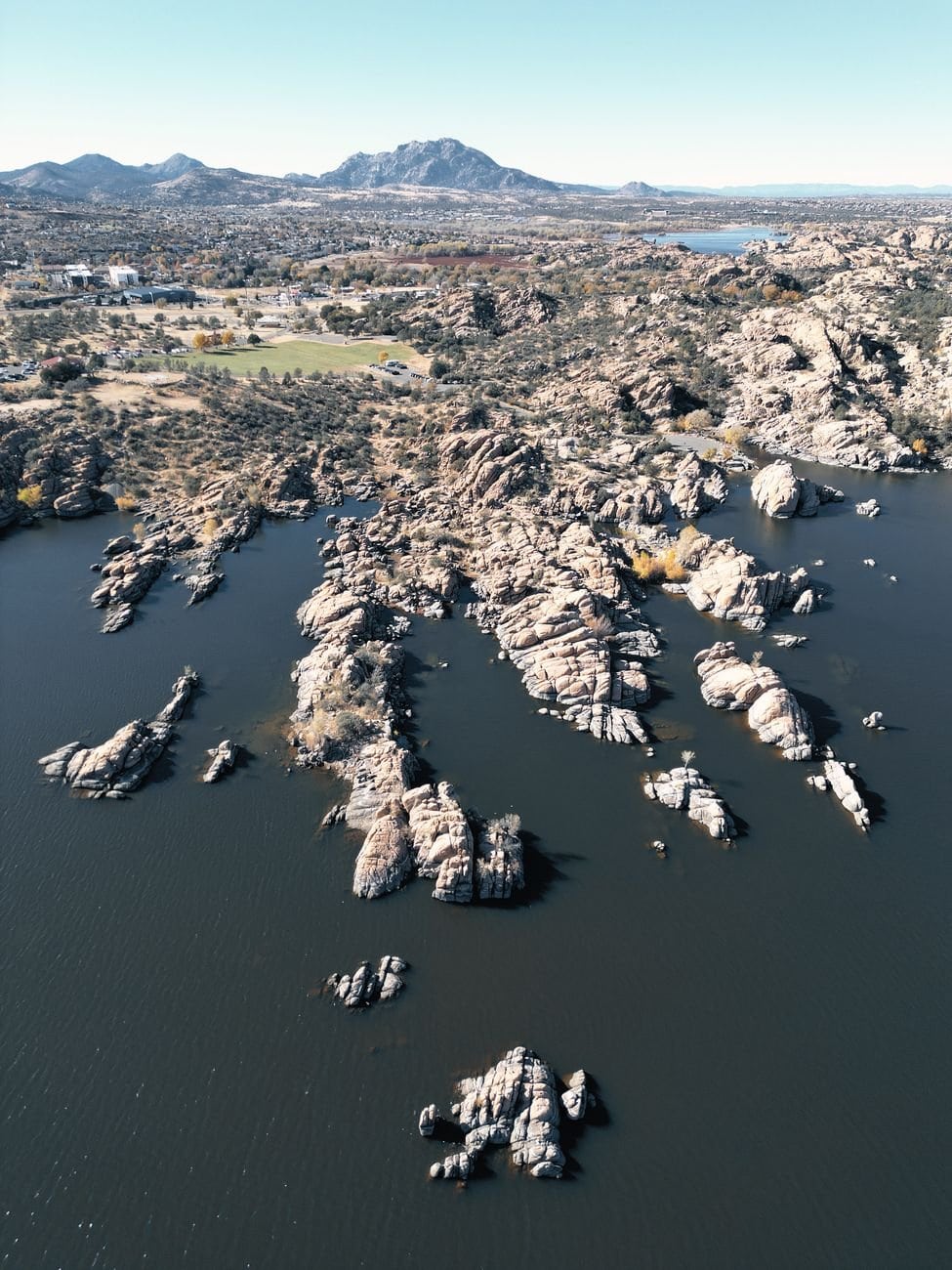
Prescott’s retirement boom took shape gradually from the 1980s onward, driven by Arizona snowbirds who discovered that Prescott’s higher elevation offered a genuine break from Phoenix’s summer heat without the higher costs and heavier winter snow of Flagstaff, a moderate middle ground that built slowly through word of mouth over decades rather than a single viral moment.
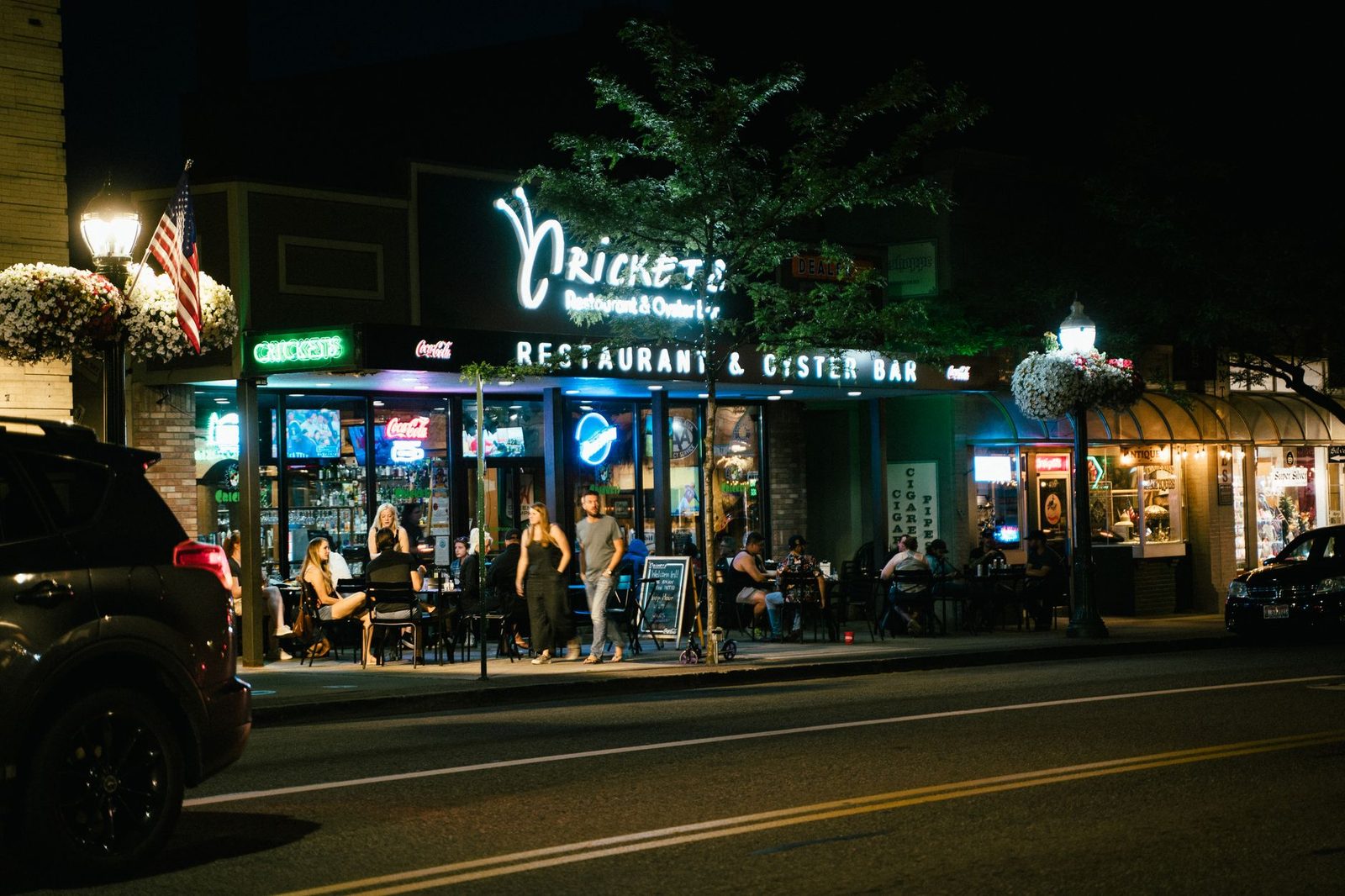
Coeur d’Alene’s transformation, by contrast, compressed a similar dynamic into a handful of years starting in 2020, as remote workers and retirees leaving Seattle and Portland discovered a lakeside city offering mountain and water scenery at a fraction of coastal Washington’s cost, a shift amplified by social media and national relocation coverage in a way Prescott’s slower boom never experienced.
What the Compressed Timeline Changed
The Practical Differences
- Prescott’s price appreciation happened gradually enough for infrastructure to mostly keep pace
- Coeur d’Alene’s price appreciation outpaced local wage growth and infrastructure investment within just a few years
- Both towns saw longtime residents express similar resentment toward newcomers, despite different timelines
- Political and cultural friction emerged more visibly and quickly in Coeur d’Alene’s compressed timeline
Housing economists studying both markets note that the speed of transition matters as much as the ultimate destination price level, since Prescott’s multi-decade boom allowed local governments and infrastructure investment to adjust incrementally, while Coeur d’Alene’s rapid compression left schools, roads, and housing supply scrambling to catch up to a population shift that happened essentially within a single presidential term.
What both towns ultimately illustrate is that the underlying appeal, escaping a harsher or more expensive place for a milder, cheaper, scenic alternative, is a durable and recurring pattern in American migration, one that simply plays out on different timelines depending on how quickly modern communication and remote work options let people act on it.
The Longer-Term Trajectory
Longtime observers of this pattern note that the early years after a place or trend gains attention are rarely the ones that determine its lasting character. The more decisive period tends to arrive several years later, once the initial wave of interest either sustains itself through genuine infrastructure investment or fades as attention moves elsewhere, leaving behind whatever changes already took root during the busier years.
That delayed reckoning is precisely why comparisons across a full decade, rather than a single before-and-after snapshot, tend to produce a more accurate picture of what actually changed and what merely appeared to change while the cameras and headlines were still pointed in that direction.
Why This Keeps Getting Overlooked
Part of the reason this dynamic receives less attention than it probably deserves is structural: the initial story, whether a viral moment, a policy change, or a shift in travel patterns, is simply more compelling to cover than the slower, less dramatic process of adjustment that follows it over subsequent years, which rarely fits into a single headline or a short video.
That mismatch between what gets covered and what actually matters most to the people living through the change is a recurring feature of how places, trends, and communities get discussed publicly, and it tends to leave a persistent gap between popular perception and the more complicated reality on the ground.
What This Means Going Forward
The broader pattern here reflects something researchers and local officials increasingly track closely: the gap between how a place or trend is perceived from the outside and how it actually functions day to day for the people living inside it or making decisions about it. That gap rarely closes on its own, and it tends to widen further whenever outside attention, whether from tourism, media coverage, or social platforms, arrives faster than the underlying infrastructure or community capacity can absorb it.
What tends to happen next depends heavily on decisions made by the people closest to the situation, whether that means local governments, longtime residents, or the businesses that have to adapt fastest, and those decisions rarely get the same national attention as the initial trend or story that put the place on the map in the first place, even though they matter considerably more to how things actually turn out over the following decade.
The Longer-Term Trajectory
Longtime observers of this pattern note that the early years after a place or trend gains attention are rarely the ones that determine its lasting character. The more decisive period tends to arrive several years later, once the initial wave of interest either sustains itself through genuine infrastructure investment or fades as attention moves elsewhere, leaving behind whatever changes already took root during the busier years.
That delayed reckoning is precisely why comparisons across a full decade, rather than a single before-and-after snapshot, tend to produce a more accurate picture of what actually changed and what merely appeared to change while the cameras and headlines were still pointed in that direction.
Why This Keeps Getting Overlooked
Part of the reason this dynamic receives less attention than it probably deserves is structural: the initial story, whether a viral moment, a policy change, or a shift in travel patterns, is simply more compelling to cover than the slower, less dramatic process of adjustment that follows it over subsequent years, which rarely fits into a single headline or a short video.
That mismatch between what gets covered and what actually matters most to the people living through the change is a recurring feature of how places, trends, and communities get discussed publicly, and it tends to leave a persistent gap between popular perception and the more complicated reality on the ground.
What This Means Going Forward
The broader pattern here reflects something researchers and local officials increasingly track closely: the gap between how a place or trend is perceived from the outside and how it actually functions day to day for the people living inside it or making decisions about it. That gap rarely closes on its own, and it tends to widen further whenever outside attention, whether from tourism, media coverage, or social platforms, arrives faster than the underlying infrastructure or community capacity can absorb it.
What tends to happen next depends heavily on decisions made by the people closest to the situation, whether that means local governments, longtime residents, or the businesses that have to adapt fastest, and those decisions rarely get the same national attention as the initial trend or story that put the place on the map in the first place, even though they matter considerably more to how things actually turn out over the following decade.