The Cities Where Americans Feel Most Like Outsiders — and the Ones Where They Feel Strangely at Home
We may earn money or products from the companies mentioned in this post. This means if you click on the link and purchase the item, I will receive a small commission at no extra cost to you ... you're just helping re-supply our family's travel fund.
This article contains affiliate links. We may earn a commission if you book through our links, at no extra cost to you.
The experience of feeling like an outsider in a foreign city is universal among travelers, but its texture varies in ways that guidebooks rarely address. There is the productive outsider experience — the disorientation that comes with genuine cultural difference, that requires adaptation and produces growth. And there is a different kind: the experience of a city whose social code is so specific, or so thoroughly oriented against the particular shape of American cultural behavior, that the gap never narrows.
Some cities make Americans feel perpetually clumsy. Others — sometimes ones that would seem, on paper, to be the most foreign — feel surprisingly habitable from the first day. The difference is real, it is specific, and it matters when you’re planning where to go.
What ‘Feeling Like an Outsider’ Actually Means
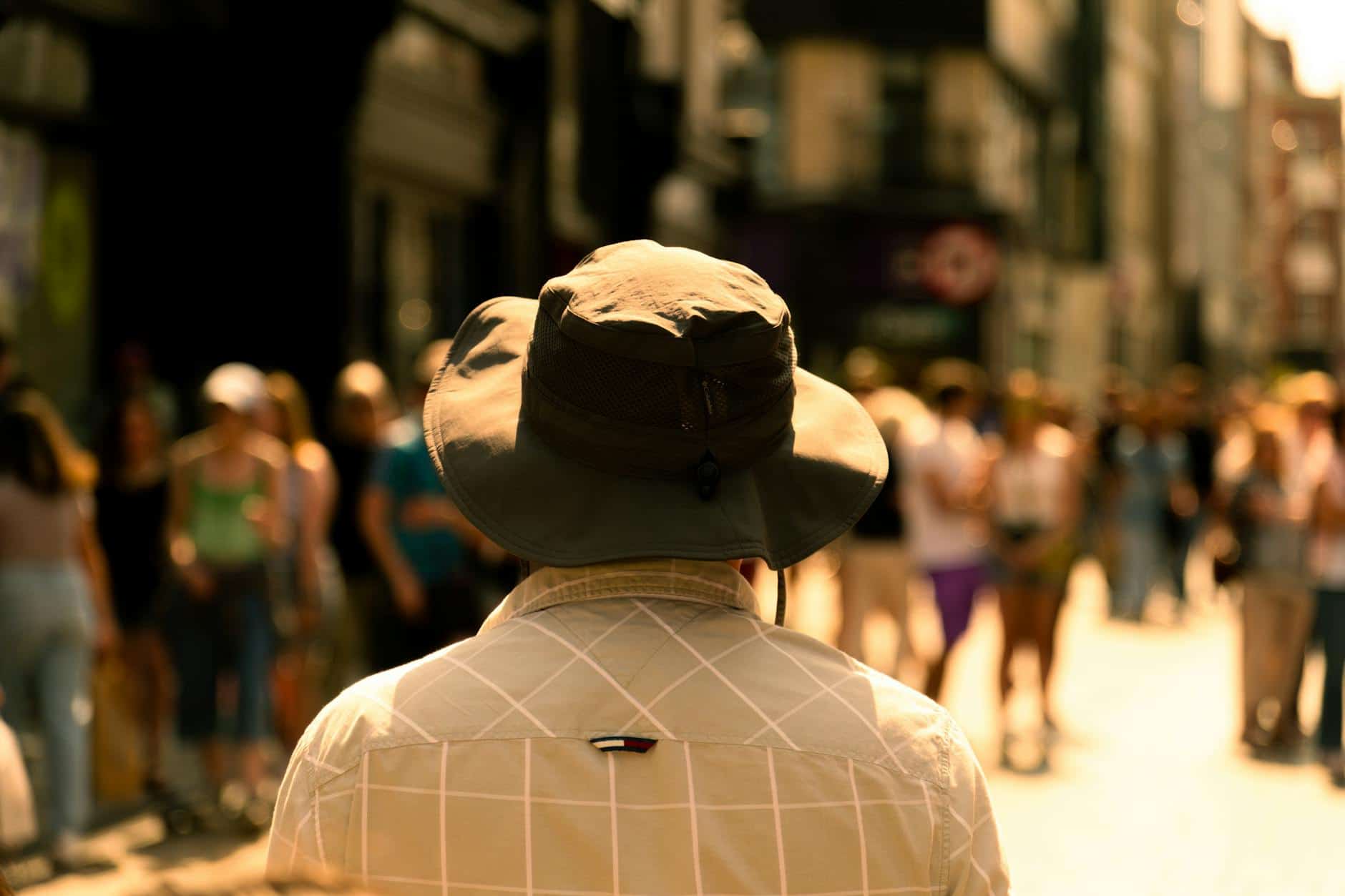
Feeling like an outsider in a foreign city is not simply the experience of being visibly foreign. Most travelers are visibly foreign in most of the places they visit, and that visibility ranges from neutral to actively positive depending on the culture’s orientation toward visitors.
The specific texture of the outsider experience comes from something more particular: the sense that your behavioral defaults — how you walk, how you eat, how you manage space in public, how you initiate conversations, what volume you speak at, how you queue, how you make eye contact — are consistently wrong in ways you can feel but can’t fully see.
This social friction is what Americans in Tokyo describe when they talk about feeling, simultaneously, completely welcome and completely illegible. The Japanese hospitality infrastructure is genuinely warm. The underlying social code is genuinely foreign in ways that a week of polite hotel interactions doesn’t resolve.
Conversely, what Americans describe in, say, Lisbon or Mexico City is almost the opposite: a social environment that is more formal in some ways but that shares enough behavioral assumptions — the casual warmth, the comfort with direct engagement, the tolerance for noise — that the friction is minimal.
The Cities That Consistently Generate Outsider Feeling
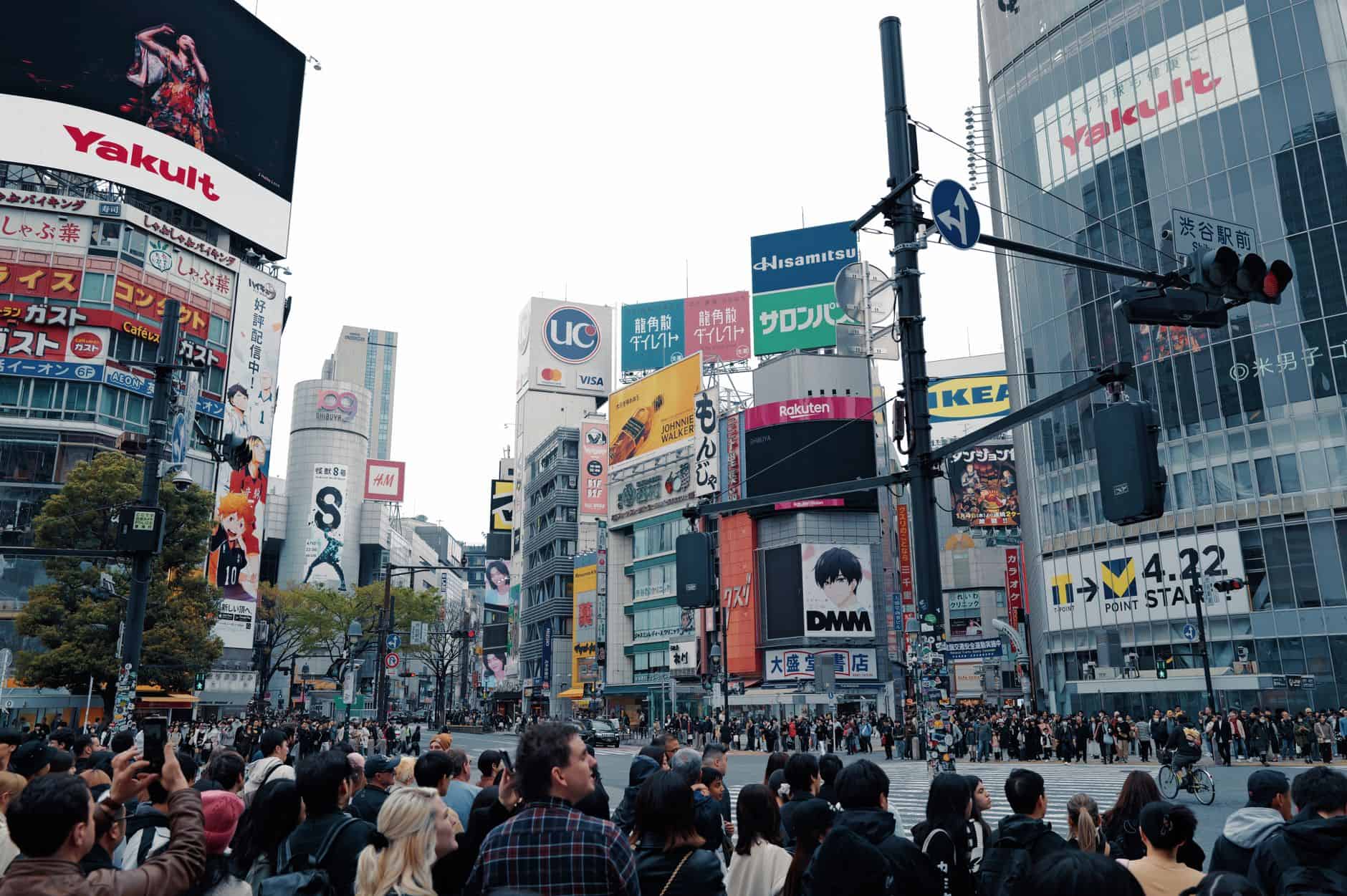
Certain cities appear repeatedly when Americans describe their strongest experiences of being culturally outside:
Tokyo is the most consistent entry. Paris, particularly for Americans from non-urban backgrounds, is a close second. Seoul, while intensely hospitable, produces strong outsider experiences around specific social codes. London, counterintuitively to many Americans who expect cultural affinity, produces outsider experiences around British reserve that many Americans find difficult to navigate.
What these cities share is high social code specificity: they have elaborate, internally consistent sets of social expectations about public behavior, and the costs of violating those expectations are socially visible, even if politely unspoken. An American walking the wrong speed on a Tokyo street, speaking at American volume in a Parisian restaurant, or missing the specific queuing etiquette in London creates friction that the locals register and that the visitor can feel.
Tokyo: Beautiful, Welcoming, and Profoundly Opaque
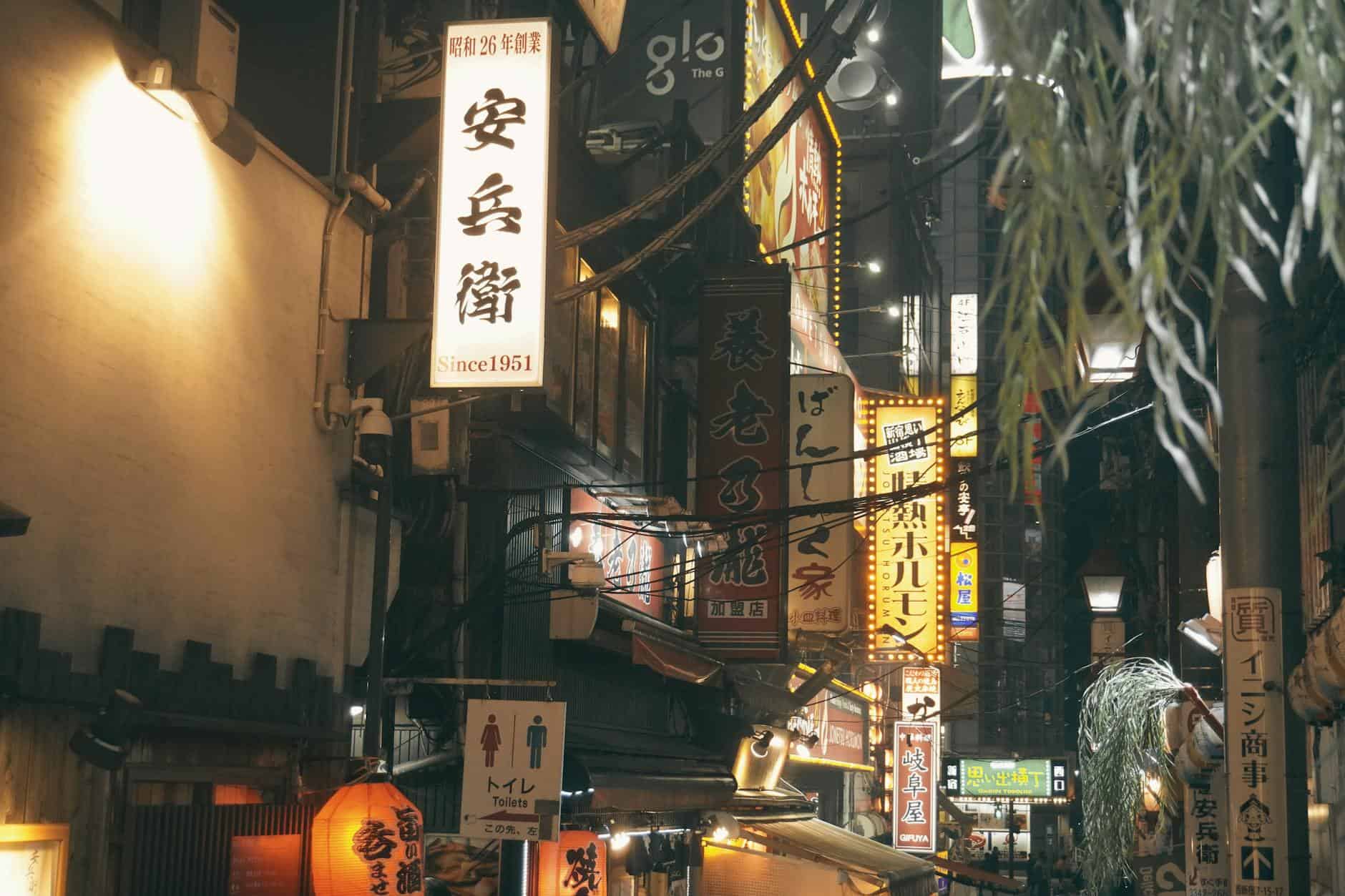
Tokyo is one of the most consistently praised cities in the world by international visitors. It is safe, clean, extraordinarily well-organized, and the hospitality infrastructure — the convenience stores, the restaurant service, the transit system — is widely considered the finest in the world.
It is also deeply opaque to most Western visitors, in ways that go beyond language.
The social code in Tokyo requires a level of spatial awareness and behavioral precision that is genuinely different from American norms. The rule against walking while eating. The precise mechanics of how pedestrian space is shared on crowded streets. The specific protocols around trains — no phone calls, no food, minimal noise. The intricate choreography of when to bow, how deep, in what context.
Americans in Tokyo describe a consistent experience: being treated with enormous warmth and patience by individual Japanese people they encounter, while simultaneously feeling that the city’s behavioral expectations are legible to everyone except them. The warmth makes the opacity less painful. It doesn’t resolve it.
The experience deepens for Americans who stay long enough to realize that the opacity extends to things they thought they understood. The apparent acceptance of their social violations does not mean the violations weren’t registered. The Japanese social code includes an extremely sophisticated protocol for absorbing and smoothing over foreigner mistakes. Being smoothed over is not the same as being understood.
Paris and the Specific Thing Americans Get Wrong
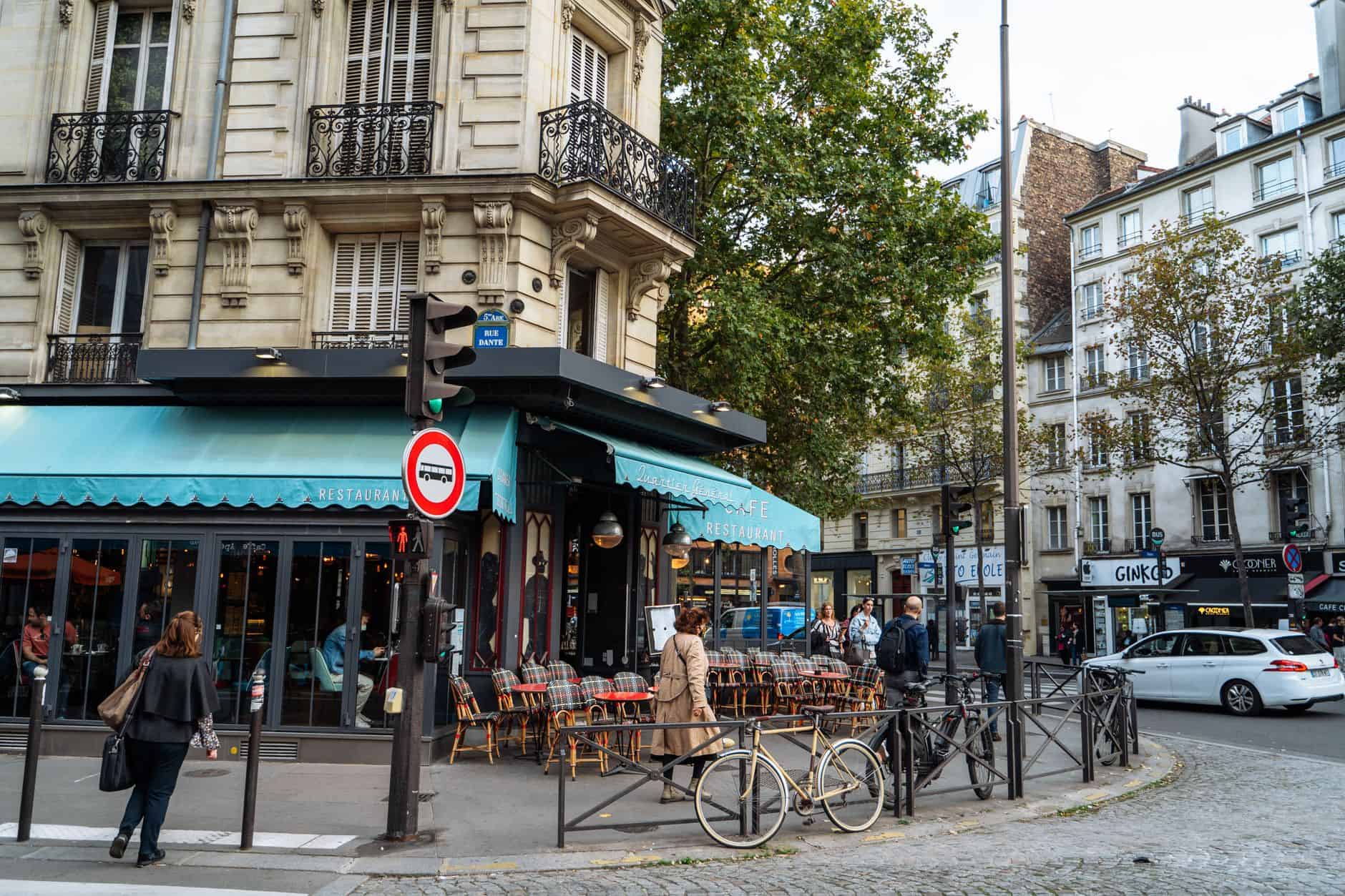
The American experience of Paris is complicated by decades of cultural mythology — the romantic city, the City of Light, the dream destination — that sets expectations no actual city can meet. But the specific texture of the Parisian outsider experience for Americans has a more precise source.
Parisian social code values a kind of practiced, understated competence in public life. You know how to order coffee. You know that the waiter’s job is not to be your friend. You know that the appropriate volume for a conversation in a restaurant is one that stays at your table. You know how to dress in a way that doesn’t announce your tourist status. You are, in short, a participant in the social life of the city rather than an audience member.
Americans, as a broad generalization, are not calibrated for this mode. American social behavior in public spaces is louder, warmer, more informal, and more explicitly friendly than the Parisian default. This is not a deficiency — it is a different cultural setting. But in Paris, it registers as a violation that is met with a specific Parisian response: not hostility, but a quality of studied non-engagement that Americans frequently experience as contempt.
Americans who’ve traveled in Paris and felt conspicuously disliked tend to describe the same specific encounters: the waiter who is not rude but simply provides less service, the shopkeeper who answers in English when French was attempted, the social environment that remains a social environment for Parisians and a viewing experience for visitors.
Cities That Should Feel Foreign but Don’t
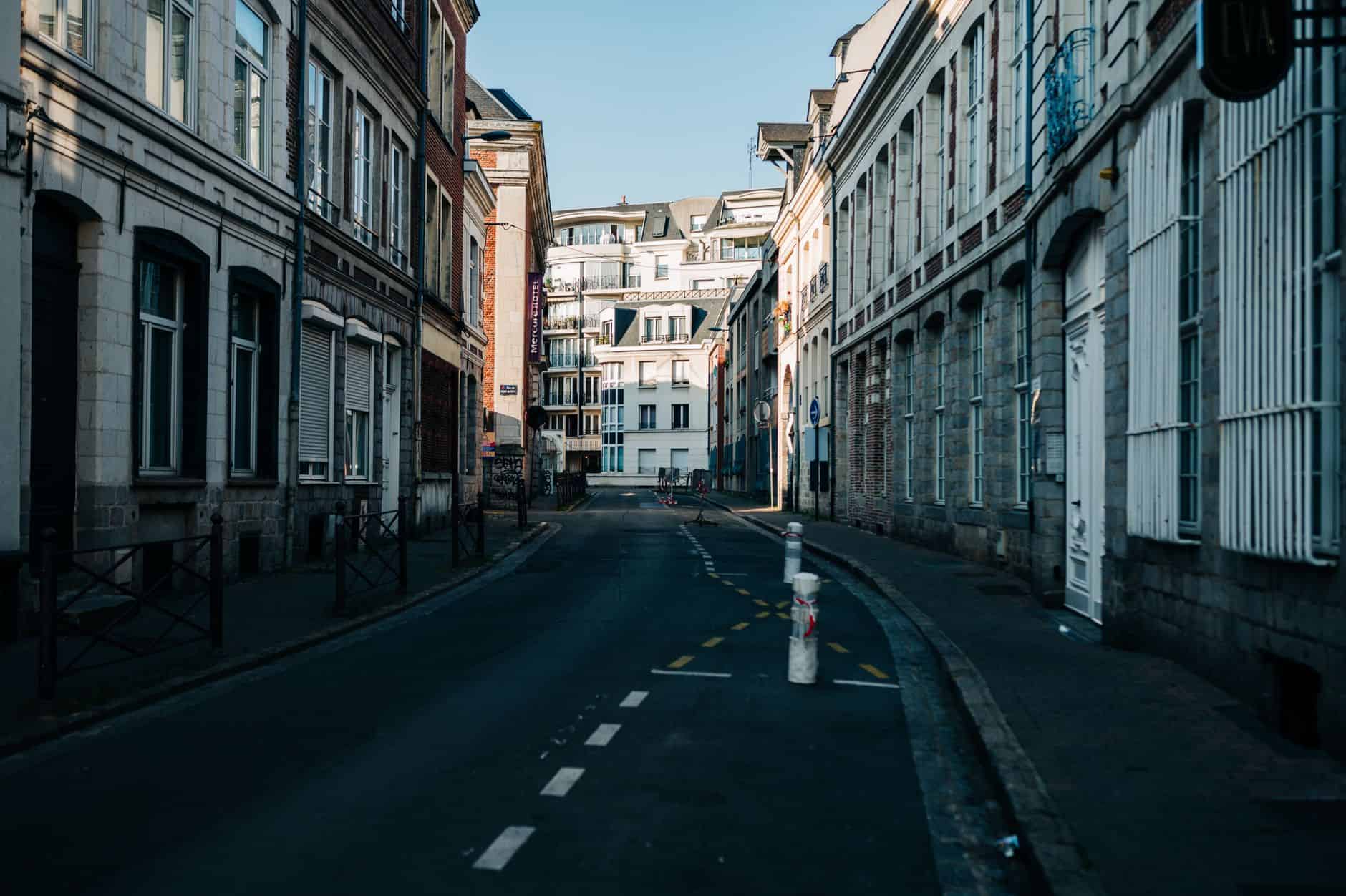
The cities that American travelers consistently describe as surprisingly habitable — places where the outsider feeling was minimal, where the social environment was easy to navigate — often appear on paper to be unlikely candidates.
Mexico City surprises many American first-time visitors with how quickly it becomes navigable — not because it isn’t deeply its own place, but because the social code around warmth, directness, and public gregariousness aligns well with the American social default. The city’s scale and energy is more familiar than Tokyo’s precision or Paris’s reserve.
Medellín, Colombia produces similar reports. Buenos Aires — physically very European, socially very Latin American — consistently registers as comfortable for American visitors who expect cultural distance.
Amsterdam is frequently cited as a city that feels almost immediately legible to Americans: the scale is manageable, English fluency is near-universal, the social norms around directness and informality translate well, and the cultural orientation toward practicality and tolerance aligns with American sensibilities in ways that the more formal cultures of Paris or Tokyo do not.
Why Some Mid-Size European Cities Feel Like Home
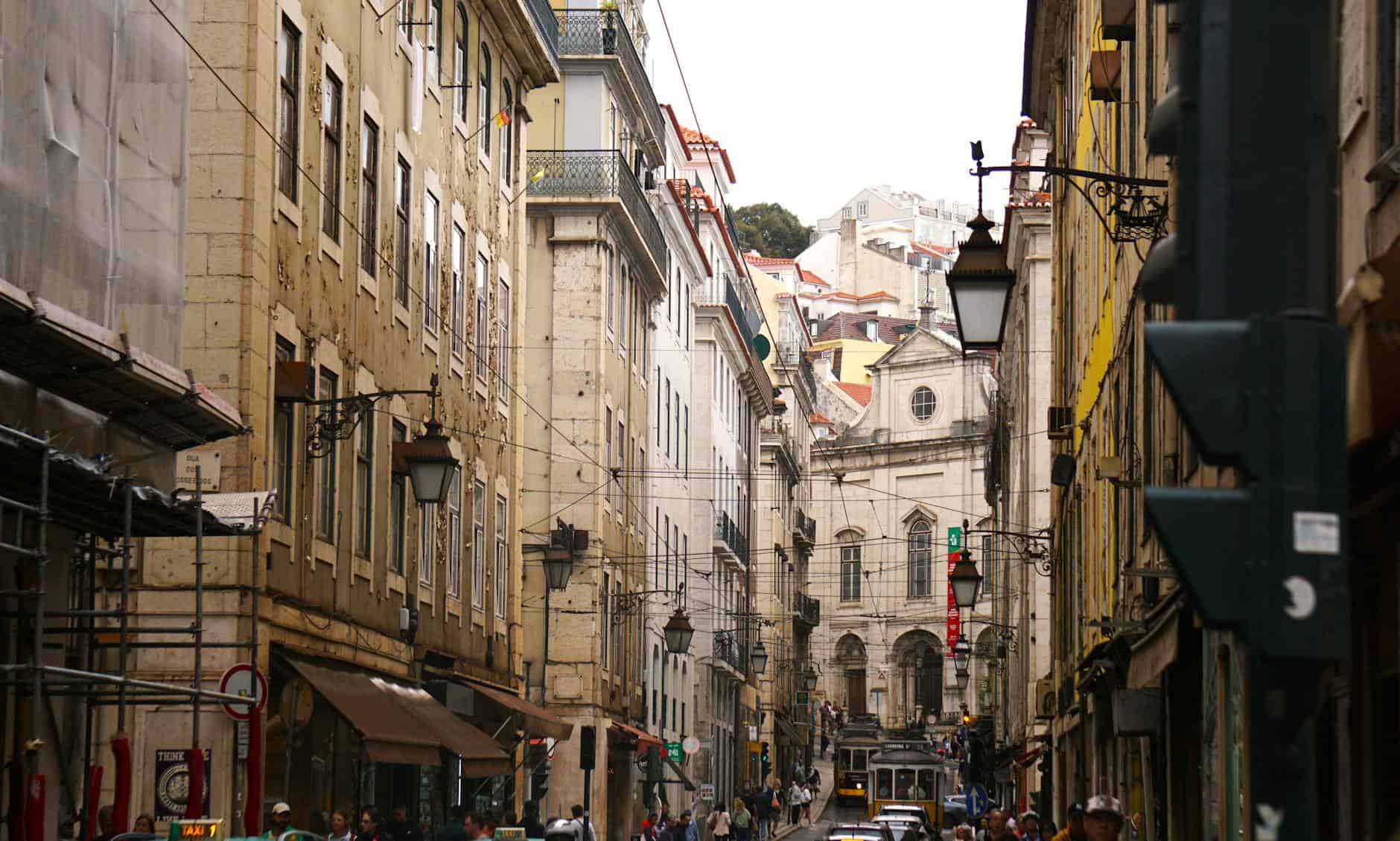
There is a category of mid-size European city that American travelers consistently describe as producing an almost immediate sense of comfort: Lisbon, Porto, Seville, Bologna, Ljubljana, Brno, Tallinn. These are cities that are visually and historically European, definitively not American, and yet somehow not alienating.
Several features seem to account for this. Mid-size cities in this category have less compressed social code than major capital cities. The behavioral expectations are somewhat more relaxed and forgiving. The hospitality infrastructure is oriented toward a more intimate kind of visitor engagement — less the anonymous big-city service model, more the small-city model where the restaurant owner sits down with you.
The pace is also a factor. Major tourist capitals operate at a pace that requires competence and confidence from visitors — you need to know how to navigate, how to queue, how to order, how to manage the crowds. Mid-size cities in this category have more room, which creates more tolerance.
Finally, there is the novelty factor. Cities that have not been pre-consumed through years of cultural representation — cities that don’t have decades of movies, books, and travel articles setting up expectations that the reality must meet — are more available for genuine encounter. The visitor arrives without a script, which often produces less outsider friction than arriving with a heavily loaded set of expectations that the city immediately violates.
The American Cities That Feel Foreign to Other Americans
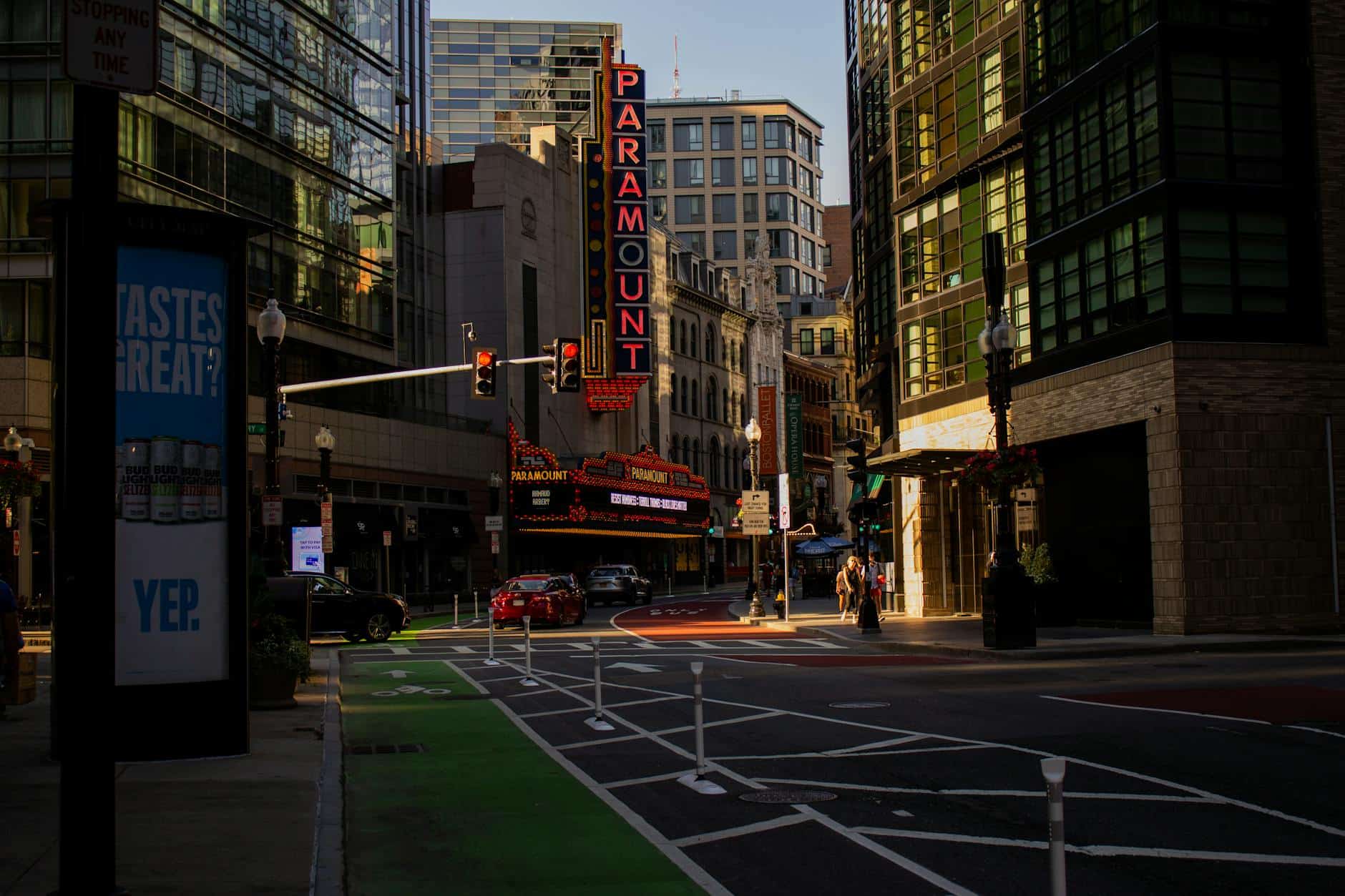
The outsider experience is not exclusive to international travel. There are American cities that produce strong outsider experiences for Americans from other regions — places where the cultural gap feels as significant as some international travel.
New Orleans is the example that appears most consistently. The city’s relationship with time, with public behavior, with the social function of food and drink, with the rhythms of public life — these are genuinely different from American norms in ways that feel disorienting to first-time visitors from outside the Gulf Coast culture. People from the Midwest describe New Orleans as the most foreign domestic destination they’ve visited.
Miami, particularly in its Spanish-language-dominant neighborhoods, produces similar reports from American travelers who are not fluent in Spanish and are not accustomed to being the linguistic minority. San Francisco’s neighborhood granularity — the specific social codes and identities of individual neighborhoods — can feel legible from the outside and fully opaque from within.
The American region most frequently cited as producing outsider experiences for Americans from other regions is not a single city but a texture of experience: rural Appalachia, the Mississippi Delta, the Rio Grande Valley. These are American places with social and cultural codes that have as little to do with the homogenized middle of American culture as any foreign destination.
What Feeling at Home in a Foreign City Actually Tells You
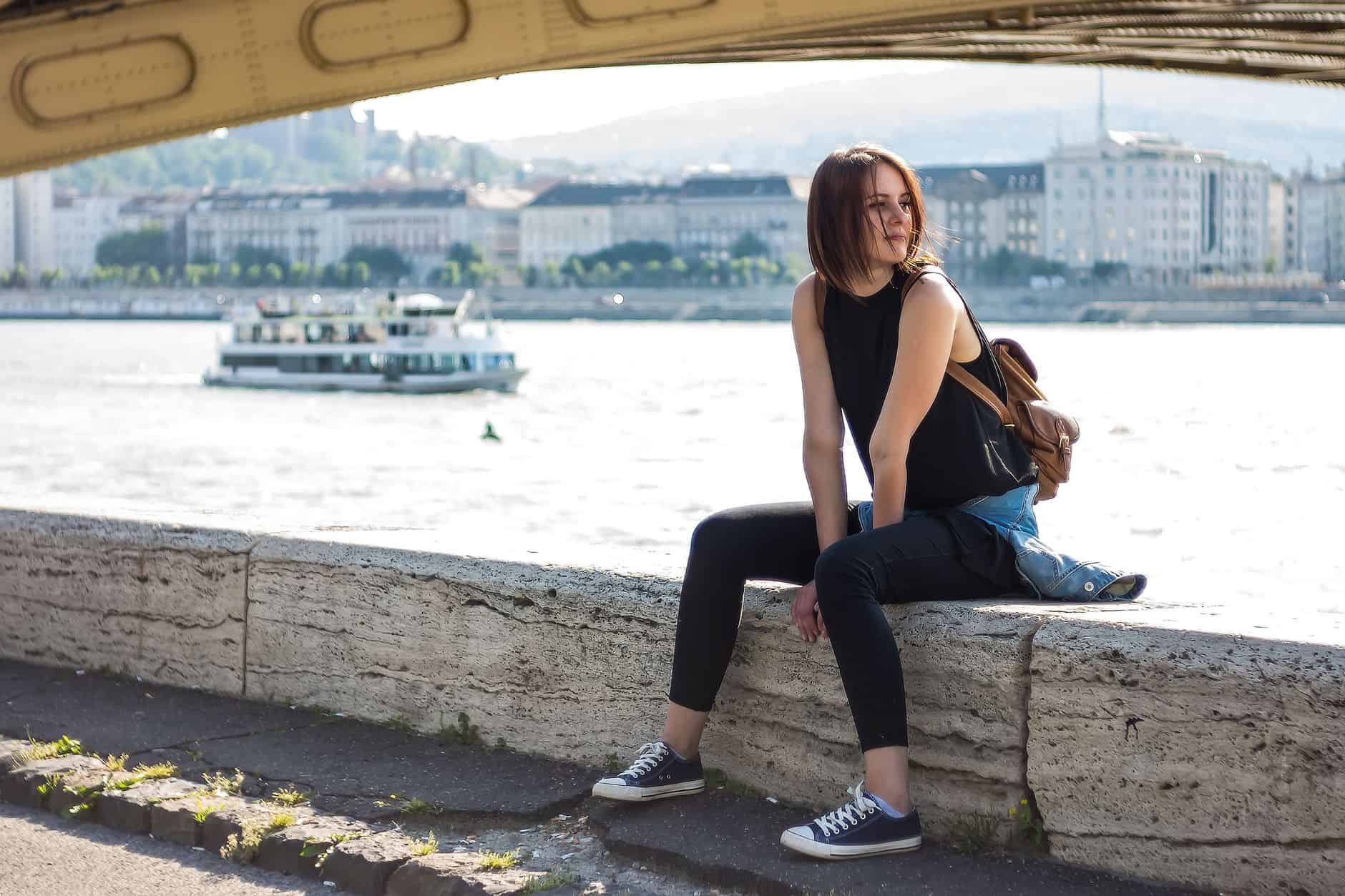
The cities where Americans feel most at home are not necessarily the best cities to visit. The ease of navigating Amsterdam’s social environment doesn’t make Amsterdam a more interesting destination than Tokyo. The comfort of Lisbon doesn’t make it more worth seeing than Paris.
What the feeling of being at home in a foreign city tells you is something about your own cultural settings — the specific behavioral defaults and social expectations you’ve normalized without knowing you have them. The cities that produce comfort are the ones that share enough of those defaults to require minimal adjustment. The cities that produce outsider feeling are the ones with different defaults, different enough that your adjustment capacity is genuinely tested.
Many experienced travelers describe the outsider-feeling cities — Tokyo, Paris, Seoul — as their most significant travel experiences precisely because the friction required more of them. The comfort cities were easier. The outsider cities were more formative.
Both have their place in a travel life. The practical question is knowing what you’re looking for on any particular trip, and choosing your destination accordingly.