Why So Many People Book a Trip Right After a Breakup — The Psychology Nobody Talks About
We may earn money or products from the companies mentioned in this post. This means if you click on the link and purchase the item, I will receive a small commission at no extra cost to you ... you're just helping re-supply our family's travel fund.
This article contains affiliate links. If you book travel through our links, we may earn a commission at no extra cost to you.
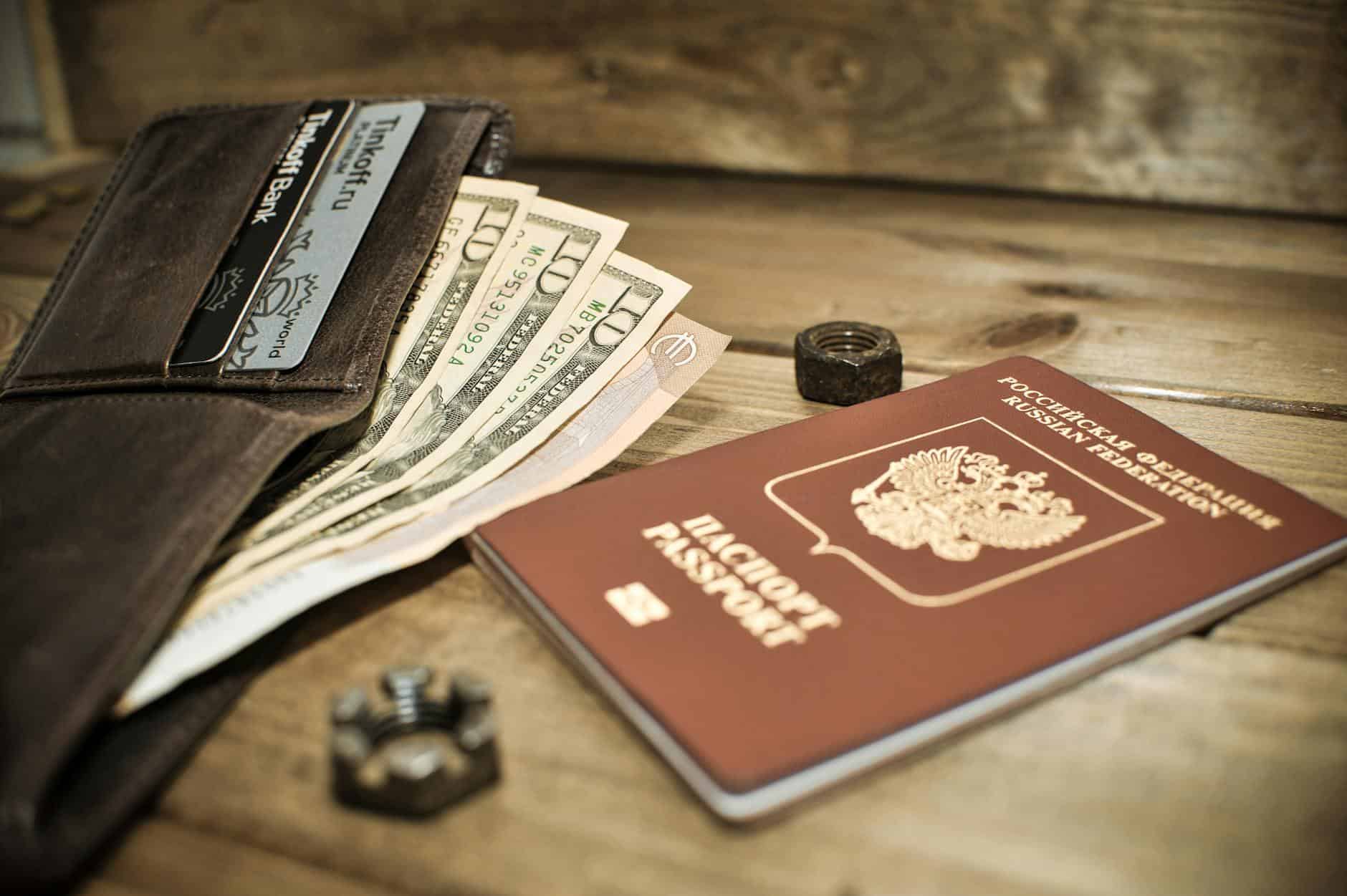
The flight gets booked at 2 a.m. That detail keeps coming up. Therapists, travel agents, friends who’ve been through it — they all report the same pattern. The relationship ends, the apartment gets too quiet, and somewhere between midnight and dawn, a one-way ticket to somewhere appears on a credit card statement.
It feels irrational in the morning. But it isn’t.
The Specific Moment People Hit ‘Book’

Anyone who has worked at a travel agency will tell you there’s a recognizable booking profile. The itinerary is loose. The dates are soon — sometimes within the week. The destination is either somewhere the person has always wanted to go (a place that was never approved by the relationship) or somewhere completely random, chosen almost arbitrarily.
Travel search engines have quietly studied this pattern. Google Trends data consistently shows spikes in solo travel searches following culturally significant breakup moments — Valentine’s Day, New Year’s, the first weeks of September (historically, one of the highest breakup months). The searches are specific in ways that reveal something: “solo trip no plans,” “last minute flights anywhere,” “best place to go alone.”
The impulse is not about the destination. It’s about the act of leaving.
What Psychologists Actually Call This

There’s a formal concept in psychology called “approach-avoidance conflict” — the push-pull between confronting painful emotions and escaping them. Travel sits squarely in that tension. It is, simultaneously, one of the most effective tools for emotional regulation and one of the most common forms of emotional avoidance.
The distinction matters. Psychologists who work with grief and loss — relationship grief included — draw a firm line between “restorative travel” and “flight behavior.” Restorative travel involves going somewhere with some degree of intentionality: to be alone, to think, to be somewhere unfamiliar enough that your old patterns don’t automatically activate. Flight behavior is the opposite: booking something, anything, just to not be in the apartment where the relationship used to live.
Both things happen constantly. The tricky part is that from the outside, and often from the inside, they look identical.
Dr. Guy Winch, a psychologist who has written extensively on heartbreak, describes the post-breakup brain as being in a state similar to withdrawal. The neurochemical profile of a serious breakup — the drop in dopamine, the craving for the person, the obsessive looping thoughts — closely mirrors addiction withdrawal. And when the brain is in that state, it is desperately seeking anything that produces novelty and dopamine. Travel is extremely good at producing both.
The Trip You Book Versus the Trip You Need

Here’s where it gets complicated. The trip most people book in the 48 hours after a breakup is almost never the trip they actually need.
The 2 a.m. booking tends toward the dramatic: Bali, Thailand, a solo backpacking trip through South America, a spontaneous flight to Europe with no hotel reserved. These destinations are chosen because they feel maximally different from the life being left behind. They’re also, in practice, overwhelming for someone in acute emotional distress.
What most people actually need in the weeks immediately following a serious relationship ending is much quieter: somewhere familiar enough to feel safe, somewhere they can sleep well, somewhere with enough structure that the days don’t collapse into formless grief. A beach house two hours from home. A cabin with good Wi-Fi and a functioning kitchen. A city where a friend lives who won’t ask too many questions.
Travel therapists — a niche but growing specialization — report that the best post-breakup trips are rarely the most dramatic ones. The person who books a solo trip to a small Portuguese town and spends two weeks reading and walking and eating alone tends to come back more genuinely processed than the person who books a month in Bali surrounded by other backpackers and an Instagram story that performs the healing.
Why Movement Feels Like Progress

There’s a specific cognitive distortion at work in escape travel, and it’s surprisingly hard to argue with in the moment: the feeling that physical distance equals emotional distance.
It doesn’t, of course. The neural pathways that constitute your attachment to another person travel with you. They are not checked baggage. But the sensation of moving — of literally putting miles between yourself and the place where the relationship lived — produces something that closely mimics relief. It activates the brain’s planning and future-orientation systems, which are the same systems suppressed by grief. Booking a trip forces you to think about next month instead of last week.
This is genuinely useful. It’s just not the same as healing.
The clinical term is “geographic cure” — the belief, almost always unconscious, that changing your location will change your internal state. It’s the same mechanism that drives people to move to new cities after bad experiences, to redecorate after a divorce, to change jobs after a personal loss. The geography, or the furniture, or the work context becomes a stand-in for the internal change that actually needs to happen.
The geography cure works, temporarily. That’s the thing. People who travel after breakups do report genuine short-term relief. The unfamiliar environment demands enough cognitive engagement that the obsessive thought loops quiet somewhat. New sensory experiences — unfamiliar food, different light, a language you don’t speak — force the brain into a more present-tense state. This is real. It just doesn’t last past the return flight.
The People Who Come Back Healed — And the Ones Who Don’t
The pattern that emerges from talking to people who’ve done this, and to the therapists who work with them afterward, is surprisingly consistent.
People who come back from post-breakup travel in a genuinely better place tend to share a few things in common. They went somewhere they’d been before, or somewhere low-key enough to not require constant energy. They kept a journal, or called a friend, or had some mechanism for actually processing what they were feeling rather than just distracting from it. They gave themselves permission to feel bad while they were there, rather than performing a recovery.
People who come back worse — or the same — tend to have used the trip as pure avoidance. They packed every day with activity. They posted constantly. They met people and performed wellness. They came home to the same apartment, the same silence, and realized that the 11-day trip to Southeast Asia had successfully delayed the grief by exactly 11 days.
The difference isn’t the destination. It’s the willingness to be present with what you’re actually feeling, which travel either supports or prevents depending entirely on how you use it.
What the Destination Actually Says About You

Travel therapists have noted something interesting about destination choice in post-breakup booking. The place people choose tends to reveal what the relationship was suppressing.
People who were in relationships where their partner controlled the itinerary tend to book trips with no plan at all — sometimes not even a return flight. People who were in relationships where their adventures felt finished, settled, done tend to book the most physically challenging trips they can find: treks, surf camps, multi-week hiking routes. People who felt lonely inside the relationship tend to book group tours or hostels, surrounding themselves with people immediately.
None of this is conscious. The destination is chosen before any of this is articulated. But when people look back at what they booked and where they went, the choice usually makes a certain psychological sense.
The Return: Why Coming Home Is the Hardest Part

Almost everyone who travels after a breakup reports that the return is significantly harder than the departure.
The departure has momentum. There’s logistics, packing, the adrenaline of the airport, the novelty of the first days. The return strips all of that away. You are back in the place where the relationship existed, now without the trip to look forward to, and without the adrenaline that carried you through it.
This is why post-breakup travel so often chains: people come back, feel worse than when they left, and immediately start planning the next trip. Travel agents who specialize in solo travelers report this booking pattern explicitly — the client who just returned, deflated, booking again within a week. It can become its own loop, a rolling geographic cure that keeps postponing the actual confrontation with loss.
The return is hard because the trip, however good, ends. And the ending of the trip becomes a second loss layered on the first one.
What Actually Works — And What Travel Can’t Fix

None of this is an argument against traveling after a breakup. Travel genuinely helps, for real and documented reasons. New environments reduce rumination. Novel experiences create new memories that aren’t tied to the former partner. Being in a place where nobody knows your story lets you practice being a different version of yourself. These things are real.
What travel can’t do is perform the grief work for you. The neural pathways of attachment don’t dissolve because you got on a plane. The patterns you brought into the relationship travel with you in your carry-on, and they’ll be there when you land.
The most useful framing might be this: travel after a breakup works best as a container for grief rather than an escape from it. The unfamiliar environment creates enough distance from routine triggers to make the grief more workable, less reflexive. But it only works if you actually bring the grief with you, rather than leaving it packed under the bed to be dealt with later.
The 2 a.m. booking is almost never a mistake. It’s usually the right instinct. It just works better when you go somewhere quiet enough to actually hear yourself think.