California Historic Sites That Tell a Wilder Story Than You Expect
We may earn money or products from the companies mentioned in this post. This means if you click on the link and purchase the item, I will receive a small commission at no extra cost to you ... you're just helping re-supply our family's travel fund.
Did you know over 40% of California’s landmarks are often overlooked? I’ve spent years exploring the Golden State’s hidden corners. I’m on a quest to uncover the grit behind the glamour.
Most visitors stick to the glossy brochures and crowded shops. They miss the real, raw stories that shaped this place. I aim to reveal the true, wild stories that built this region.
This journey is for those who crave the truth in history. We’ll dive into the historic sites in California that show their true, untamed sides. It’s time to uncover what happened when the cameras stopped rolling.
Key Takeaways
- Discover the hidden, unvarnished past of the Golden State.
- Learn why many famous landmarks hide their most compelling secrets.
- Understand the difference between tourist traps and genuine heritage.
- Explore the rugged reality behind the state’s most iconic locations.
- Gain a deeper appreciation for the messy, human side of history.
The Allure of California’s Historic Landscape
California’s true character lies beneath its famous postcards. While everyone loves the beaches and Hollywood, I explore the real stories. This state is more than a movie backdrop; it’s a complex map of human dreams and failures.
Discovering History Beyond the Postcards
To really get California, you must look beyond the glossy brochures. Many historic sites in California reveal a harsher, more captivating world. These places are heavy with the presence of those who came before us.
Authenticity is key when exploring these sites. You won’t find simple answers, but the truth is there for those who seek it. These sites show the untamed era that shaped the West.
The Myths and Realities of California’s Past
Looking at historic places in Central California reveals the truth behind frontier myths. The stories of noble pioneers and sunsets are often far from reality. I aim to uncover the gritty, honest side of early settlement.
The table below contrasts the myths we’re told with the real history found at these sites.
| Location Type | Common Myth | Historical Reality |
|---|---|---|
| Mining Camps | Easy wealth for everyone | Extreme poverty and disease |
| Mission Settlements | Peaceful religious conversion | Forced labor and cultural loss |
| Pioneer Trails | A heroic, simple journey | Starvation and constant danger |
By examining these historic places in Central California critically, we honor the past’s complexity. It’s not about destroying legends but acknowledging the human cost of progress. These historic sites in California remind us that our history is both messy and magnificent.
Gold Rush Ghost Towns: A Journey Back in Time
Places where the gold ran out and people left are raw and honest. Visiting California state parks gives a unique look at the Gold Rush era. These sites are not just old ruins; they are tributes to those who risked everything for a dream.
Exploring Columbia State Historic Park
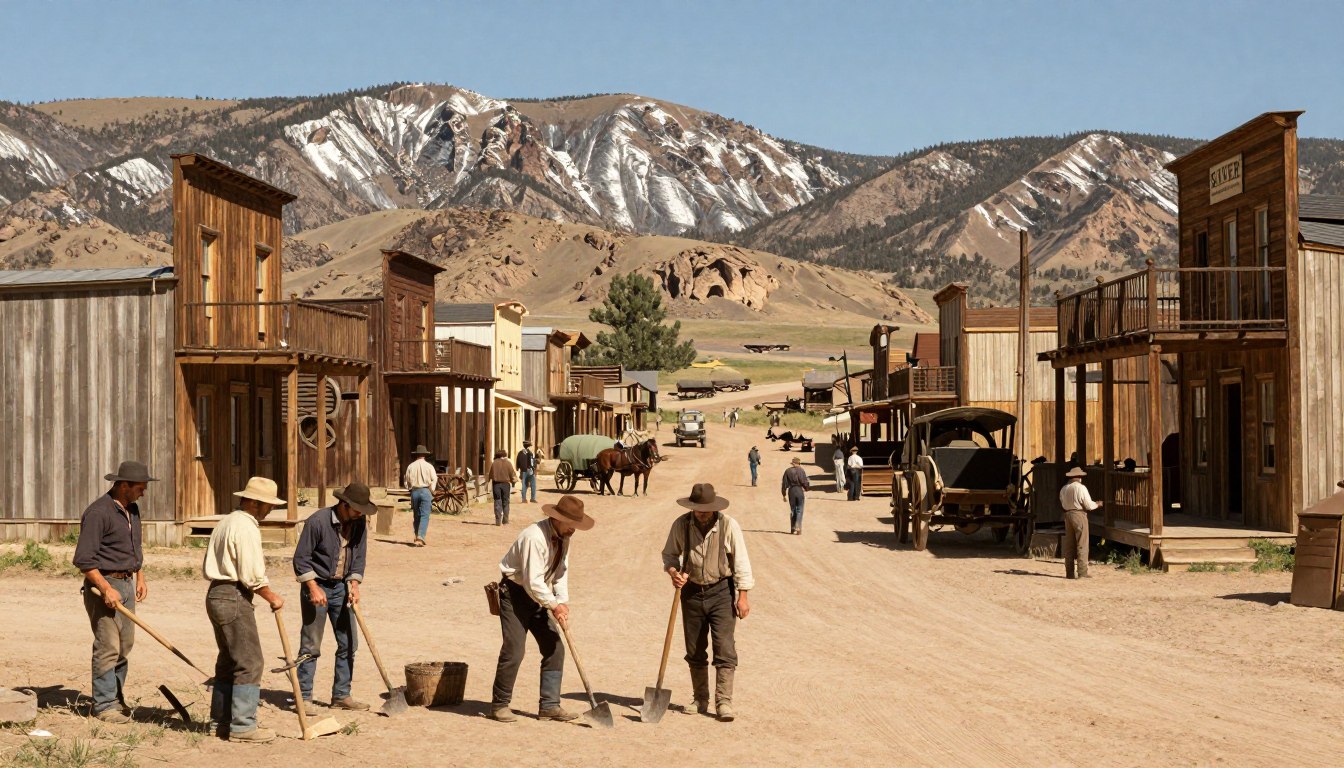
Walking through Columbia feels like stepping into a movie. But the grit here is real. It’s one of the best-preserved California historical landmarks, showing the frantic life of a gold town. I love how the park keeps the past alive, letting visitors pan for gold or ride a stagecoach like miners did in 1850.
Columbia is a living museum, unlike other sites that have faded away. It shows the boom-and-bust cycle that shaped the West. You can almost hear glasses clinking and boots on the wooden boardwalks.
The Haunting Charm of Bodie
If Columbia is a bustling memory, Bodie is a ghost story in wood and iron. It’s the most significant California historical landmark, preserved in a state of “arrested decay.” The silence is heavy, broken only by the wind through empty storefronts.
There is something deeply moving about seeing a dinner table set or a child’s toy in the dust. Bodie doesn’t entertain with reenactments; it makes you face the fragility of dreams. It’s a stark reminder that even the brightest dreams can fade to silence.
The Missions: Threads of Spiritual Heritage
Walking through the quiet courtyards of California historical landmarks, I feel the weight of history. These sites were more than just religious places. They were key to a big change that shaped the area.
Standing among these old stones, I see beauty and a deep cultural clash. It’s hard to separate the architecture from the harsh reality of the past.
A Tour of Mission San Juan Capistrano
Mission San Juan Capistrano stands out as a symbol of this complex history. Walking through the ruins of the Great Stone Church, I see amazing craftsmanship. Yet, the haunting silence tells a story of hard work and pain.
People visit for the gardens and the famous swallows. But the real story is about those who lived and worked here. It’s a place where beauty and history meet, forcing us to confront the past.
Understanding the Impact of Mission Culture
These sites are the roots of California’s identity, even with a complex history. The mission system changed the lives of native people, altering their ways of life. This change is a big part of California’s story.
To understand the missions’ role, consider their peak years:
| Mission Feature | Primary Purpose | Cultural Impact |
|---|---|---|
| Agricultural Hubs | Self-sufficiency | Forced labor systems |
| Religious Centers | Conversion | Loss of indigenous faith |
| Military Outposts | Territorial control | Displacement of tribes |
These historic missions in California are more than just old buildings. They remind us of a time of fast and violent change. By visiting these sites, we honor the past and the people who lived through it.
Presidio of San Francisco: A Meeting of Durability and Beauty
Few California historical landmarks show the change from a strict military base to a public park like the Presidio. It has a special energy. History’s weight is felt, yet the air is fresh and lively.
The Role of the Presidio in American History
The Presidio shows the San Francisco Bay’s strategic value through history. It started as a Spanish outpost, then became a U.S. Army base. Now, it’s a cherished public park.
The rugged, functional architecture of old barracks impresses me. These buildings share stories of discipline and duty. For more city adventures, see these 14 no-cost adventures in San Francisco that dive into local culture.
Enjoying the Views Across the Golden Gate
The Presidio also has stunning views. The old buildings and the Golden Gate Bridge create a beautiful contrast.
When I visit, I focus on these key spots:
- Crissy Field: A great place to watch fog over the bay.
- The Main Post: Where old architecture meets the sky.
- Coastal Trails: Views that show why these California historical landmarks are important.
It’s a place that makes you slow down and enjoy the moment. Whether you love history or just need a quiet spot, the Presidio offers a profound sense of place that’s rare.
Old West Vibes: Visiting Virginia City
When I think of historic sites near me, Virginia City comes to mind. It’s a town filled with silver and history, just across the border. It’s not for those who want a clean version of history.
Instead, it shows the real struggle of boomtown life. The streets are alive with the spirits of miners and gamblers. Their stories are more real than any Hollywood western.
The Rebirth of a Historic Mining Town
Virginia City was once the heart of the American West’s silver boom. When the boom ended, many towns disappeared. But this one survived, keeping its resilient spirit.
Today, it’s a living museum of the 19th century. Walking through, you see the efforts to keep its architecture alive. It’s a chance to see a time when fortunes changed in a day. For those looking for historic sites near me, this is the best.
Real-life Tales of Rough-and-Tumble Life
The town’s history is in its saloons and mines. Life was tough, dangerous, and short. It was a place where only the strong survived.
“The West was not a place for the faint of heart; it was a crucible where the weak were winnowed out and the strong were forged in silver and dust.”
To understand these boomtowns, look at how they compared during the mining era:
| Town Name | Primary Resource | Peak Era | Current Status |
|---|---|---|---|
| Virginia City | Silver | 1860s | Preserved Landmark |
| Bodie | Gold | 1870s | Ghost Town |
| Columbia | Gold | 1850s | State Park |
These towns were cultural melting pots. People from all over came, bringing their traditions and dreams. This mix of cultures makes the Comstock Lode’s history so interesting today.
The Intrigue of the California Trail
Exploring the California Trail gives us a raw look at the desperation of the American West. It was more than a route; it was a gauntlet of survival that shaped the migration. When I look for historic sites near me connected to this path, I’m amazed by the human sacrifices made.
Following the Path of Thousands of Pioneers
The remains of these trails remind us of the relentless drive to the West. You can see the deep ruts from wagon wheels, a lasting mark on the earth. These signs are not just oddities; they are monuments to endurance that tell stories of grit and doubt.
Many of these sites are preserved, letting us stand where pioneers once did. Whether searching for historic sites near me or traveling far, the trail commands respect. It makes us think about the weight of a life in a wooden crate, moving towards a distant horizon full of promises and unknowns.
Lessons Learned from the Journey
The California Trail shows us that history is complex and not always easy. It’s a sobering reflection on the cost of growth and human endurance. We see that progress comes with a price, like broken axles and lost dreams.
By examining these paths, we value the comforts we have today more. The journey was a risk against nature, hunger, and the unknown. It teaches us about the true meaning of desperation for a new start.
| Challenge | Pioneer Reality | Modern Perspective |
|---|---|---|
| Transportation | Covered Wagons | High-speed Transit |
| Navigation | Celestial/Landmarks | GPS Technology |
| Survival | Extreme Scarcity | Abundant Resources |
| Motivation | Gold/Land Ownership | Historical Curiosity |
The Western Spirit at the National Historic Trails
I believe the best way to learn about California history sites is by walking the trails. These paths are more than lines on a map. They are the veins of our shared history, telling stories of struggle, determination, and trade.
The Santa Fe Trail’s Cultural Crossroads
The Santa Fe Trail is more than a path for wagons. It was a vibrant melting pot where cultures and trades merged. Here, people from different backgrounds came together, shaping the American West’s identity.
“The trail is a teacher that never stops talking, provided you are willing to listen to the silence of the plains.”
Using Trails as Windows into the Past
Trails offer a unique view into the past, unlike static monuments. Walking the same paths as pioneers makes history come alive. It turns a static image into a living, breathing experience.
Walking these routes, we appreciate the American journey’s vastness. These California history sites show us how our comfort today was built by pioneers. Exploring these national historic landmarks in California is a way to honor that pioneering spirit.
The Architectural Marvels of Sacramento
If you want to understand California’s rise, look beyond the coast to Sacramento. This city is the heart of the state’s politics and economy. It’s a key California history site for those interested in the American West.
A Walk Through Old Sacramento’s Historic District
Walking through Old Sacramento feels like stepping back in time. The cobblestone streets capture the spirit of the post-Gold Rush era. These historic places in Central California give a glimpse into the lives of those who built the capital.
The district is more than a museum; it’s a living piece of history. You can almost hear horse-drawn carriages and debates of legislators. It shows how a frontier town became a seat of power.
The Significance of Victorian Architecture
The architecture here tells a story of sudden wealth and taste. The craftsmanship of the post-Gold Rush era is evident in every detail. These structures show the transition from survival to civic pride.
The Victorian influence is striking, reflecting the aspirations of a growing society. These buildings were designed to impress, standing as monuments to the men who risked everything for the West. Below is a breakdown of the architectural styles that define this unique urban landscape.
| Style | Key Feature | Era |
|---|---|---|
| Italianate | Tall, narrow windows | 1860s-1880s |
| Queen Anne | Decorative gables | 1880s-1900s |
| Stick Style | Exposed wood trim | 1870s-1890s |
Exploring these California history sites shows that history is more than dates and treaties. It’s about the spaces we live in and the dreams we build. Sacramento is a vital part of the American story.
San Diego’s Historic Old Town
To truly know a place, you must taste its history. San Diego’s Old Town is a prime example. It’s a key historic place in Southern California for understanding the area’s transformation from a colonial outpost to a modern city.
Walking through Old Town, you’re not just seeing buildings. You’re stepping into a living museum. The air is filled with the spirits of Spanish soldiers, Mexican ranchers, and American pioneers who shaped this land.
Where Cultures and Histories Converge
The architecture here is a mix of styles, telling a story of change. You see adobe walls that kept cool in the desert heat next to wood-frame structures from the American era.
While many focus on historic missions in California, Old Town offers a closer look at daily life. It shows how colonial rules gave way to the West’s multicultural identity.
“Food is the most common language we have. It is the bridge between the past and the present, and in Old Town, every bite tells a story of survival and celebration.”
Sampling Authentic Mexican Cuisine
Visiting without trying the local food is a missed opportunity. Look for places with handmade tortillas and spicy salsa that awakens your senses.
Food here is as much a part of history as the buildings. It shows the people’s resilience in keeping traditions alive through changing times.
| Cultural Influence | Primary Contribution | Legacy in Old Town |
|---|---|---|
| Spanish | Architecture & Religion | Adobe structures and plazas |
| Mexican | Cuisine & Social Life | Festivals and culinary traditions |
| American | Commerce & Expansion | Victorian-style wooden buildings |
Whether enjoying a margarita in a courtyard or exploring the old blacksmith shop, the experience is deeply immersive. It shows that history is alive, shaped by each visit.
Historic Landmarks of Los Angeles
Los Angeles is more than just glamour. It has a gritty, industrial side waiting to be discovered. The city’s roots are deeper than most visitors think. Exploring historic places in Southern California often uncovers hidden corners where history lives on.
The Los Angeles State Historic Park Experience
This park is hidden near Chinatown. It’s a rare green space that celebrates the city’s beginnings. It’s not just grass; it’s a tribute to the city’s industrial and cultural past.
Walking here, you feel the story of hard work and change. It’s a stark contrast to the city’s polished image. It’s where history meets today’s need for community.
The Influence of Hollywood on History
Hollywood shapes our view of the city. For a century, it has mixed fact and fiction. This makes understanding local history complex.
Visiting these sites requires critical thinking. You must look beyond the glamour to find the truth. Our stories are powerful, but not always complete.
Exploring these landmarks is about uncovering the real story. It helps us see beyond the legends. This way, we appreciate Los Angeles’ true, complex history.
The Legacy of Native American Heritage Sites
To truly know California, we must first honor the first Californians. We can’t discuss the state’s history without focusing on the indigenous people. Visiting national historic landmarks in California helps us understand our past better.
Learning from the Ohlone and Chumash Cultures
The Ohlone and Chumash cultures have deeply shaped the landscape. Their knowledge of the coast and valleys was unmatched. Their stories are not just old tales but living traditions that deserve our attention.
By exploring these stories, we move beyond myths. It’s time to give these cultures the respect they deserve. Visiting national historic landmarks in California that celebrate indigenous history offers a clearer view of the state.
Important Sites You Shouldn’t Miss
There are key locations to bridge the gap between past and present. These sites reveal the complex societies that once thrived here. I suggest visiting these places with an open mind and respect.
| Site Name | Cultural Significance | Location |
|---|---|---|
| Chumash Painted Cave | Ancient rock art and spiritual history | Santa Barbara |
| Pinnacles National Park | Traditional Chalon and Mutsun territory | Central California |
| Olompali State Park | Coastal Miwok village history | Marin County |
| Indian Grinding Rock | Miwok cultural heritage site | Amador County |
Visiting these national historic landmarks in California is more than sightseeing. It’s a step toward reconciliation and learning the truth about our land. I urge you to make these sites a must-see on your next California trip.
A Final Reflection: The Stories that Shape Us
I leave these trails and buildings with a heavy, yet happy heart. History is not just something we see in museums. It’s alive and needs our attention and respect.
The historic sites in California remind us of the people who built this state. We must look beyond the pretty pictures.
Connecting with California’s Rich Tapestry
We must face the truth of our past. This includes the hard work of the gold rush and the struggles of immigrant workers. These stories are hard to hear, but they’re key to who we are.
Visiting these sites changes how we see today. Every old wall and building tells a story of survival. We learn from the sacrifices made before us.
The Need to Keep These Stories Alive
It’s our duty to protect these landmarks for future generations. We can’t let their stories disappear. By visiting and learning, we keep the past’s lessons alive.
I urge you to explore these historic sites in California yourself. Dive into the archives and walk where history was made. Keep this complex history alive with your curiosity and shared stories.