Chattanooga Spent 30 Years Cleaning Up Its Most Polluted City Label. Here’s the City It Became
We may earn money or products from the companies mentioned in this post. This means if you click on the link and purchase the item, I will receive a small commission at no extra cost to you ... you're just helping re-supply our family's travel fund.
In 1969, the federal government declared Chattanooga, Tennessee the most polluted city in the United States. The Tennessee River through the city was effectively dead from industrial discharge. The air quality from Chattanooga’s manufacturing base was so poor that headlights were needed at noon. That city, and the transformation it underwent, is one of the more remarkable stories in American urban history.
What Chattanooga Built After It Cleaned Up
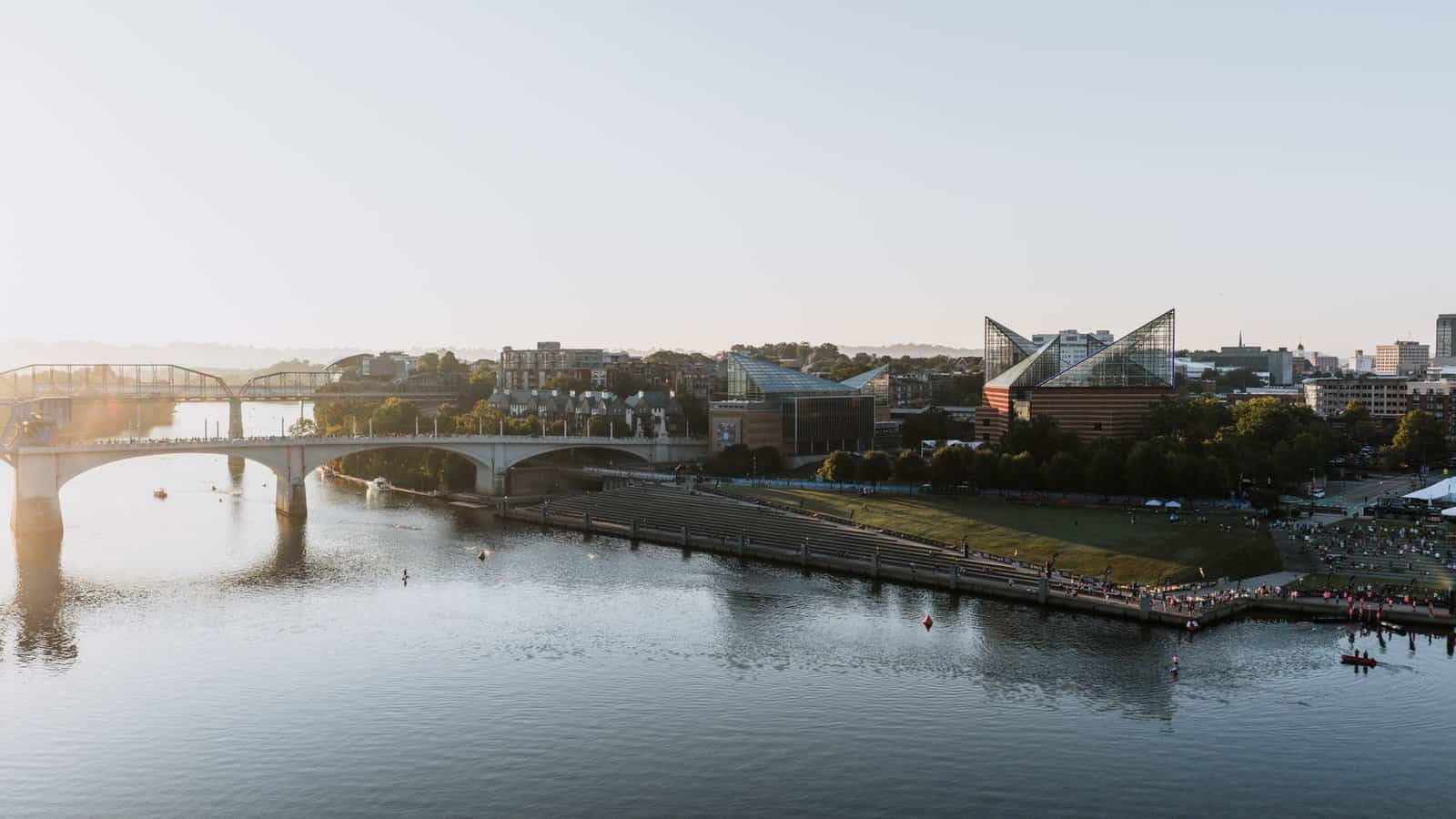
The cleanup began in earnest in the 1970s and 1980s, but the real transformation came in the 1990s with a deliberate decision to reinvent the waterfront. The Tennessee Aquarium opened in 1992 on the river that had been dead 20 years earlier — it became the most visited freshwater aquarium in the world and the anchor of a riverfront development that changed the city’s entire economic trajectory.
What Chattanooga Is Now
- The Tennessee Aquarium: Two buildings, freshwater and ocean, genuinely world-class — the river otter and paddlefish exhibits alone justify a visit
- Lookout Mountain: Ruby Falls, Rock City, and the Incline Railway — tourist attractions that have operated for nearly a century and still genuinely deliver
- The Bluff View Arts District: Restaurants, galleries, and the Hunter Museum of American Art perched on the river bluff above the Tennessee
- The Riverwalk: 13 miles of paved trail along the Tennessee River through downtown — one of the best urban waterfront trails in the South
- Gigabit internet: Chattanooga was the first US city with a city-wide gigabit fiber network, attracting technology companies and a remote-work community
The Outdoor Recreation Angle Nobody Expects
The Tennessee River Gorge west of Chattanooga is one of the most dramatic landscapes in the Southeast — 26 miles of river canyon with canyon walls rising 1,000 feet. The climbing at Sunset Rock and the crags on Lookout Mountain draw climbers from across the eastern United States. Chickamauga and Chattanooga National Military Park, the country’s oldest and largest national military park, covers the surrounding hills. The Ocoee River, 60 miles east, is an Olympic-grade whitewater course that hosted the 1996 Atlanta Games paddling events.
Why Chattanooga Still Flies Under the Radar
Chattanooga’s transformation story never got the same national press that Detroit’s or Pittsburgh’s received — partly because it happened more quietly, and partly because Chattanooga isn’t a former powerhouse that fell and rose again. It was always a mid-size Southern city, and its transformation from America’s dirtiest to one of its most interesting is a story that doesn’t fit a dramatic arc. But for visitors, that invisibility is the advantage. Hotel prices remain below Nashville and Asheville. The tourist sites are good without being overwhelming. And the city’s genuine character — Southern, outdoorsy, slightly quirky — hasn’t been scrubbed clean by over-tourism. That window won’t last forever.