I Took the Same Train Route Across America Three Times. Here’s What Changed Every Time
We may earn money or products from the companies mentioned in this post. This means if you click on the link and purchase the item, I will receive a small commission at no extra cost to you ... you're just helping re-supply our family's travel fund.
The California Zephyr runs 2,438 miles from Chicago to San Francisco, through the Rocky Mountains, across the Great Basin, and over the Sierra Nevada — widely considered the most scenic train journey in North America. I’ve taken it three times: in September, January, and May. The scenery is essentially the same each time. Almost everything else changes dramatically.
What the California Zephyr Actually Delivers in 2026
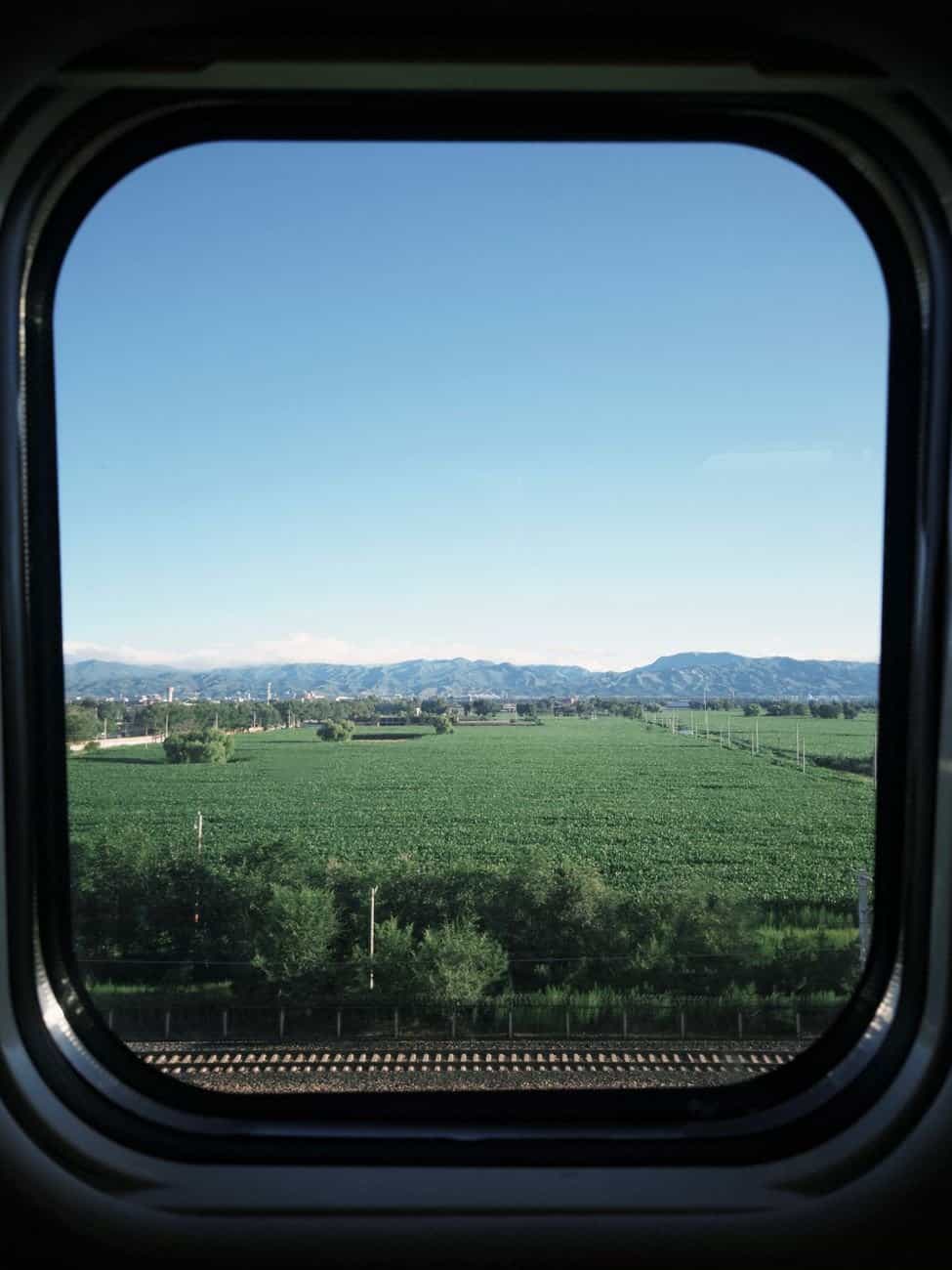
The first thing to know about the California Zephyr is that it runs late. Amtrak’s on-time performance on long-distance routes is structurally poor because the trains run on freight railroad tracks and freight trains get priority. The Zephyr’s official travel time is 51 hours. Real-world arrivals are often 3–8 hours delayed. On my January trip, we arrived 11 hours late into Emeryville due to a freight derailment in Nevada. This is not a failure — it is the baseline expectation. If you need to arrive at a specific time, plan a 24-hour buffer or fly.
What’s Different by Season
September is the ideal month. The Rockies are dry, the light is golden, and the Colorado River Canyon stretch from Granby to Glenwood Springs is at its most dramatic. The train fills with leaf-peepers in the East but the Western stretch is less crowded. January is spectacular in the Sierras if there’s snow — crossing Donner Pass in a winter storm, watching eight feet of snow walls pass the observation car window, is one of the most surreal travel experiences in the country. It also increases delay risk significantly. May brings wildflowers in the valleys and lingering snow on the high passes, and fewer travelers than summer.
Roomette vs. Coach — The Decision That Defines Your Trip
Coach seats on the Zephyr recline significantly and are more comfortable than airplane seats. But sleeping upright for two nights is genuinely difficult for most people over 40. A roomette — a private 2-person sleeping compartment with fold-down beds — costs $300–$600 more per person than coach but includes all meals in the dining car. That meal inclusion matters: dining car meals on the Zephyr are social, multi-course, and one of the genuine pleasures of the trip. You’re seated with strangers and everyone, somehow, becomes interesting after a day of watching the same landscape go by.
The 4 Hours You Absolutely Cannot Miss
- Glenwood Canyon, Colorado: 90 minutes of canyon travel where the train runs at river level through sheer rock walls — be in the observation car for this
- Moffat Tunnel emergence, Colorado: Coming out of the 6-mile tunnel at 9,239 feet elevation — the landscape change is immediate and dramatic
- The Nevada desert at sunrise: If you time it right (eastbound is better for this), the salt flats and high desert dawn is otherworldly
- Donner Pass descent into Sacramento: The final mountain passage before the Central Valley — the Sierra Nevada’s western face drops precipitously and the train navigates it through a series of curves that reward anyone in the observation car
Three trips later, my assessment is this: the California Zephyr is one of the finest ways to experience the American West, and a genuinely transformative travel experience if you approach it correctly. That means: book a roomette, leave 24 hours of schedule cushion at each end, spend every possible daylight hour in the observation car, and treat the delays not as failures but as extra time in the mountains. The train doesn’t promise punctuality. It promises the landscape. It delivers on that promise absolutely every time.