The Eastern Shore of Maryland Is Where Watermen and Second-Home Buyers Are Fighting Over the Same Twenty Miles of Water
We may earn money or products from the companies mentioned in this post. This means if you click on the link and purchase the item, I will receive a small commission at no extra cost to you ... you're just helping re-supply our family's travel fund.
Maryland’s Eastern Shore, the stretch of Chesapeake Bay coastline separated from Baltimore and Washington by the Bay Bridge, has been a working waterman’s region for generations, built around crabbing, oystering, and small-town commerce in towns like Easton, St. Michaels, and Chestertown. Over the past two decades, it has also become one of the more sought-after second-home markets on the East Coast for wealthy Washington and Baltimore buyers, and the friction between those two economies now defines much of the region’s local politics and identity.
St. Michaels Went First
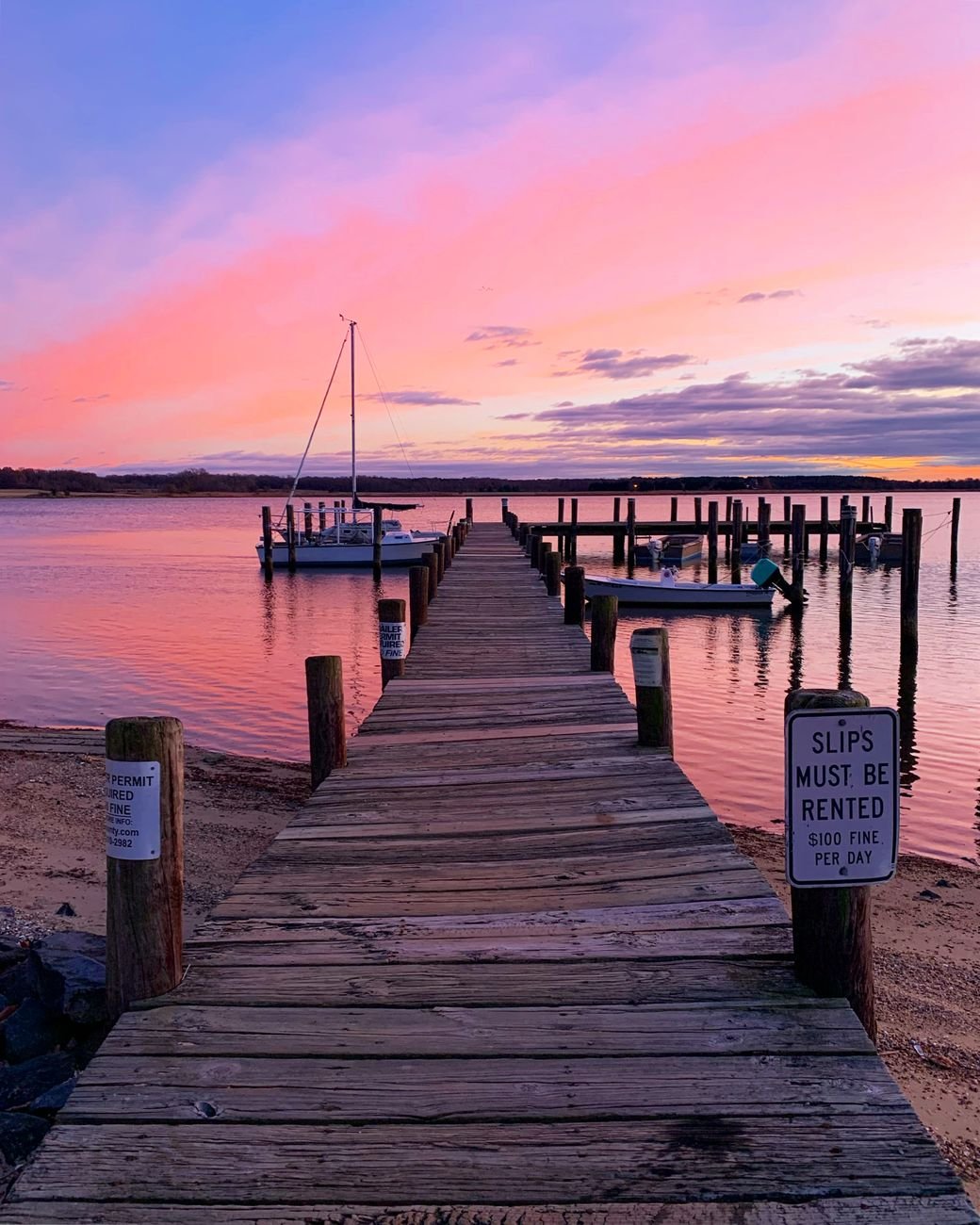
St. Michaels, a small harbor town home to the Chesapeake Bay Maritime Museum, transitioned earliest and most completely from a working watermen’s town into a boutique tourism destination, with waterfront property values climbing well beyond what the local wage base could sustain. The town’s population is small enough — under 1,100 people — that a relatively modest number of high-end buyers has been enough to reshape the entire local housing market, pushing longtime working families toward more affordable towns further inland.
Easton Became the Practical Hub
Easton, the Talbot County seat, has developed into the Eastern Shore’s most functional small city, with a genuine downtown business district, the well-regarded Avalon Theatre, and an arts and culinary scene substantial enough that it draws visitors independent of any single attraction. Easton’s growth has been more broad-based than St. Michaels’ tourism-driven transformation, supported by a mix of retirees, remote workers, and second-home buyers who use it as a base for exploring the wider Eastern Shore, along with a still-functioning agricultural and watermen economy in the surrounding county.
Chestertown Kept More of Its Original Character
Chestertown, further north along the Chester River and home to Washington College, has experienced a slower, more gradual version of the same transformation, helped by its slightly greater distance from the Bay Bridge and the anchoring presence of the college, which provides a stable economic base independent of the second-home market. Longtime residents describe Chestertown as having kept more of a genuine year-round community feel than St. Michaels, even as vacation-home buying pressure has increased there too in recent years.
- St. Michaels: earliest and most complete shift to boutique tourism, smallest population most affected
- Easton: the practical regional hub, more broad-based growth
- Chestertown: slower transformation, anchored by Washington College
What’s Actually Left of the Watermen Economy
Maryland’s blue crab and oyster harvests have both declined substantially over recent decades due to a combination of overharvesting, pollution, and habitat loss in the Chesapeake Bay, which means the watermen economy that originally defined the Eastern Shore was already shrinking on its own terms well before the second-home boom compounded the pressure. The families still working the water today tend to describe a profession under a genuine two-front squeeze: environmental and regulatory pressure reducing what they can actually harvest, and rising land and dock access costs driven by wealthy buyers who have no connection to the industry at all. Visitors who spend a weekend in St. Michaels or Easton, eating at a well-reviewed crab house and touring a maritime museum, are experiencing a curated, largely successful preservation of watermen heritage as a cultural attraction, even as the actual, functioning watermen economy that heritage is based on continues to erode underneath it.
What Visitors Can Still Find
Despite the pressures on the working watermen economy, visitors to the Eastern Shore can still find genuine, unpolished access to it away from the most tourist-oriented towns — smaller communities like Tilghman Island and Rock Hall maintain a more direct, less curated relationship to the water and the crabbing and oystering industries than St. Michaels’ museum-and-restaurant version offers. These smaller communities have so far attracted less second-home investment, partly due to more limited amenities and a lack of the boutique infrastructure that draws wealthier buyers, which has allowed them to retain a more authentic working-waterfront character, even as they face many of the same long-term economic pressures affecting the broader regional fishing industry.
The Bay Bridge Is the Real Dividing Line
The Chesapeake Bay Bridge, connecting the Eastern Shore to the more populated western side of Maryland, functions as both a physical and psychological dividing line for the entire region — close enough for a comfortable weekend trip from Washington or Baltimore, but far enough to maintain a genuinely different pace and culture once you cross it. That exact balance, close enough to visit easily but far enough to feel like an escape, is precisely what has made the Eastern Shore so attractive to second-home buyers over the past two decades, and precisely what puts it in tension with the working communities who were there long before that balance became a selling point.
The Eastern Shore’s next decade will likely be defined by how well its remaining watermen communities and its growing second-home market manage to coexist, a balance that so far has tilted steadily toward the buyers with the deeper pockets and the longer view.
Maryland’s state government has directed some conservation and fisheries management funding specifically at stabilizing the Chesapeake’s blue crab and oyster populations, recognizing the watermen economy’s cultural as well as economic value to the Eastern Shore, though restoration efforts operate on ecological timelines measured in years and decades, far slower than the real estate market reshaping the same towns in real time around them.
Some Eastern Shore counties have begun experimenting with agricultural and working-waterfront easement programs designed to permanently protect land from residential development, an approach borrowed partly from farmland preservation efforts elsewhere in Maryland, though the scale of protected acreage remains small relative to the total shoreline currently available for second-home purchase.
Local historians in Talbot and Kent counties have also pushed for expanded museum and educational programming documenting watermen traditions before the generation still actively working the water retires, an effort motivated partly by the recognition that the cultural knowledge itself, not just the industry, risks disappearing within a single generation if nothing is done to record it deliberately.
Whether the Eastern Shore’s working waterfront survives another generation intact may ultimately depend less on any single policy and more on whether enough buyers, longtime and new, come to see the watermen economy as worth protecting rather than simply worth photographing on a weekend visit.