Crested Butte Became a Ski Town Millionaires Wanted. Gunnison, 30 Minutes Down the Road, Stayed the Same Price It Was in 1995
We may earn money or products from the companies mentioned in this post. This means if you click on the link and purchase the item, I will receive a small commission at no extra cost to you ... you're just helping re-supply our family's travel fund.
Crested Butte, Colorado and Gunnison sit roughly 30 minutes apart in the same valley in the Colorado Rockies, share the same regional airport, and even share some of the same access to skiing and backcountry terrain. And yet the two towns have diverged so dramatically in cost of living over the past two decades that they now function as a kind of controlled experiment in what happens to a ski town’s economy when one twin gets discovered and the other doesn’t.
What Happened to Crested Butte
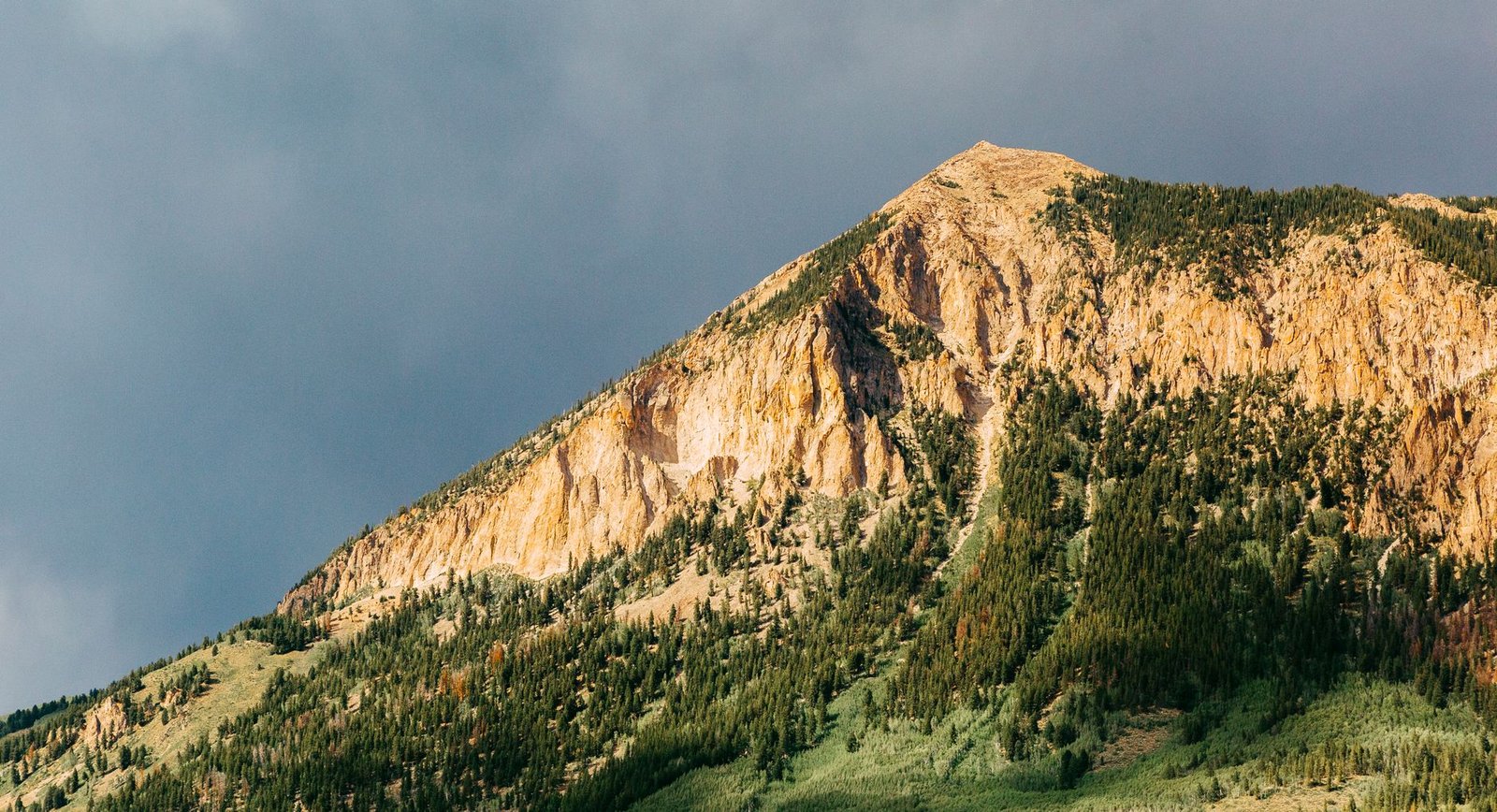
Crested Butte built its reputation initially as a mountain biking mecca and a quirky, artsy alternative to the more polished Colorado ski resorts like Vail and Aspen, and that reputation, combined with genuinely excellent expert-level skiing terrain, has attracted a wave of wealthy buyers over the past fifteen years who wanted ski-town access without the crowds and hyper-commercialization of the I-70 corridor resorts. The result has been familiar to anyone who has watched other small ski towns undergo the same transformation: a historic downtown of preserved Victorian miner’s cabins that now sell as luxury properties, short-term rental conversion that has stripped much of the local long-term rental supply, and a workforce that increasingly cannot afford to live anywhere near the town they work in.
Why Gunnison Never Followed
Gunnison, the larger town at the base of the valley, never developed the same tourism draw, partly because it lacks direct ski-in access and partly because it built its identity around ranching, Western State Colorado University, and its role as a practical service hub for the surrounding region rather than around resort branding. That lack of a marketable tourism hook, which might look like a disadvantage in other contexts, functioned as a kind of protection: without a flood of vacation-home buyers or short-term rental investors competing for its housing stock, Gunnison’s home prices have stayed dramatically more aligned with local wages than Crested Butte’s.
The contrast has become a genuine commuting pattern: a substantial share of the workforce that keeps Crested Butte’s restaurants, hotels, and ski resort running now lives in Gunnison and drives the winding mountain highway between the two towns daily, a reversal of the more typical pattern where workers commute from a cheaper town into a more expensive one for work, which is exactly what’s happening here, just compressed into a 30-minute round trip that becomes genuinely hazardous during winter storms.
- Crested Butte: luxury vacation-home market, short-term rental conversion, historic Victorian core priced for wealthy buyers
- Gunnison: ranching and university-anchored economy, housing costs aligned with local wages
- Both share the same regional airport and much of the same mountain access
What This Pairing Actually Proves
The Crested Butte-Gunnison split offers a cleaner illustration than most ski-town affordability stories because the two towns are close enough to share workers, infrastructure, and regional identity while diverging so sharply in actual cost of living. It suggests that what determines whether a mountain town becomes unaffordable isn’t really about scenery, snow quality, or even proximity to good skiing — Gunnison arguably has comparable access to all of that — but about whether the town develops a specific, marketable identity attractive enough to draw outside capital looking for vacation-home investment. Gunnison’s relative anonymity, in other words, has been its own kind of affordable housing policy, achieved not through zoning or subsidy but simply by never becoming famous enough for anyone outside the region to want a piece of it.
The Airport Both Towns Share
Gunnison-Crested Butte Regional Airport, located just outside Gunnison, handles seasonal commercial flights that ramp up substantially during ski season, bringing wealthy visitors directly into a town whose own housing market has stayed comparatively affordable, even as those same visitors drive up demand and prices thirty minutes north in Crested Butte. The airport’s existence is itself largely a function of Crested Butte’s ski tourism economy, illustrating how thoroughly the two towns’ fates are intertwined even as their cost of living has diverged so sharply — Gunnison provides critical infrastructure and workforce housing for an economy centered almost entirely in its more famous neighbor.
Other Colorado Towns Face the Same Choice
The Crested Butte-Gunnison dynamic has parallels across Colorado’s mountain regions: Telluride and Norwood, Aspen and Basalt, Vail and Eagle all follow some version of the same pattern, where a famous resort town’s workforce increasingly lives in a more affordable town down the valley and commutes in. What makes the Crested Butte-Gunnison pairing a particularly clean example is the sheer proximity and shared infrastructure between the two, making the price divergence harder to attribute to anything other than the marketing and brand-recognition gap between a town that became famous and a town that, by choice or circumstance, never did.
Crested Butte and Gunnison will likely keep drifting further apart in cost of living for the foreseeable future, and the workers who make Crested Butte’s tourism economy function will likely keep commuting from the town that never became famous enough to price them out.
Gunnison’s own city leadership has watched the affordability gap with some ambivalence, aware that the town’s relative affordability is itself an economic asset worth protecting even as local business owners occasionally wish for a version of Crested Butte’s tourism revenue without the accompanying price pressure. That tension, wanting the workforce-housing benefit of staying affordable while also wanting more of the visitor spending flowing north, is one Gunnison has yet to fully resolve.
Colorado’s broader mountain housing crisis has prompted several statewide legislative proposals aimed at workforce housing funding for resort communities, though most of these initiatives remain focused on the resort towns themselves rather than the feeder towns like Gunnison that have absorbed much of the displaced workforce, an oversight housing advocates in the Gunnison Valley have specifically flagged as a gap in the state’s broader policy response.
Real estate agents working both towns note that buyer inquiries increasingly open with a direct question about commute times between the two, a sign that the Crested Butte-Gunnison pairing has become explicit knowledge among prospective residents rather than something newcomers discover only after arriving and encountering the price gap firsthand.