Joshua Tree Gets the Attention, but California’s High Desert Airbnb Boom Is Much Bigger — Here’s What Visitors Need to Know
We may earn money or products from the companies mentioned in this post. This means if you click on the link and purchase the item, I will receive a small commission at no extra cost to you ... you're just helping re-supply our family's travel fund.
California’s High Desert region, stretching from the towns around Joshua Tree National Park through Yucca Valley, Pioneertown, and Twentynine Palms, has seen one of the fastest short-term rental growth rates of any rural region in the state over the past several years, driven by a combination of relatively affordable land, dramatic desert scenery, and a cultural cachet built up through years of social media exposure to the area’s mid-century modern and off-grid architectural style.
Joshua Tree National Park itself, which draws millions of annual visitors, has become the anchor for this broader regional boom, but the surrounding towns have absorbed the actual growth in lodging and dining, since the park itself offers extremely limited camping and no hotel infrastructure within its boundaries.
Why Investors Targeted This Specific Desert Region
Land prices in the High Desert remained dramatically lower than coastal California for decades, making it one of the few regions within a few hours’ drive of Los Angeles where an investor could still purchase a standalone property outright rather than financing a fraction of a coastal condo, a gap that fueled a wave of short-term rental conversions particularly concentrated in Joshua Tree and Yucca Valley starting in the mid-2010s.
The region’s aesthetic, mid-century modern architecture, off-grid solar setups, and a distinctly minimalist desert design sensibility, became genuinely fashionable on social media and design blogs in a way that translated directly into premium nightly rates for well-designed rental properties, creating a strong financial incentive for continued investment even as land and construction costs climbed.
The Backlash From Longtime Residents
San Bernardino County implemented new short-term rental regulations in unincorporated areas of the High Desert in response to sustained resident complaints about noise, parking, and water usage strain in a region already managing limited groundwater resources, part of a broader statewide pattern of desert and mountain communities pushing back against unregulated vacation rental growth.
Longtime residents describe a housing market that has become increasingly difficult for local workers to navigate, as properties that once housed year-round families convert into vacation rentals commanding rates far beyond what local wages in retail, hospitality, or park service jobs could ever support for a comparable long-term lease.
Pioneertown’s Unlikely Second Act
Pioneertown, built originally in the 1940s as a live-in Western movie set for Hollywood productions, has become one of the region’s most distinctive draws, anchored by Pappy and Harriet’s, a legendary honky-tonk venue that has hosted major touring musicians alongside its original local roadhouse crowd for decades.
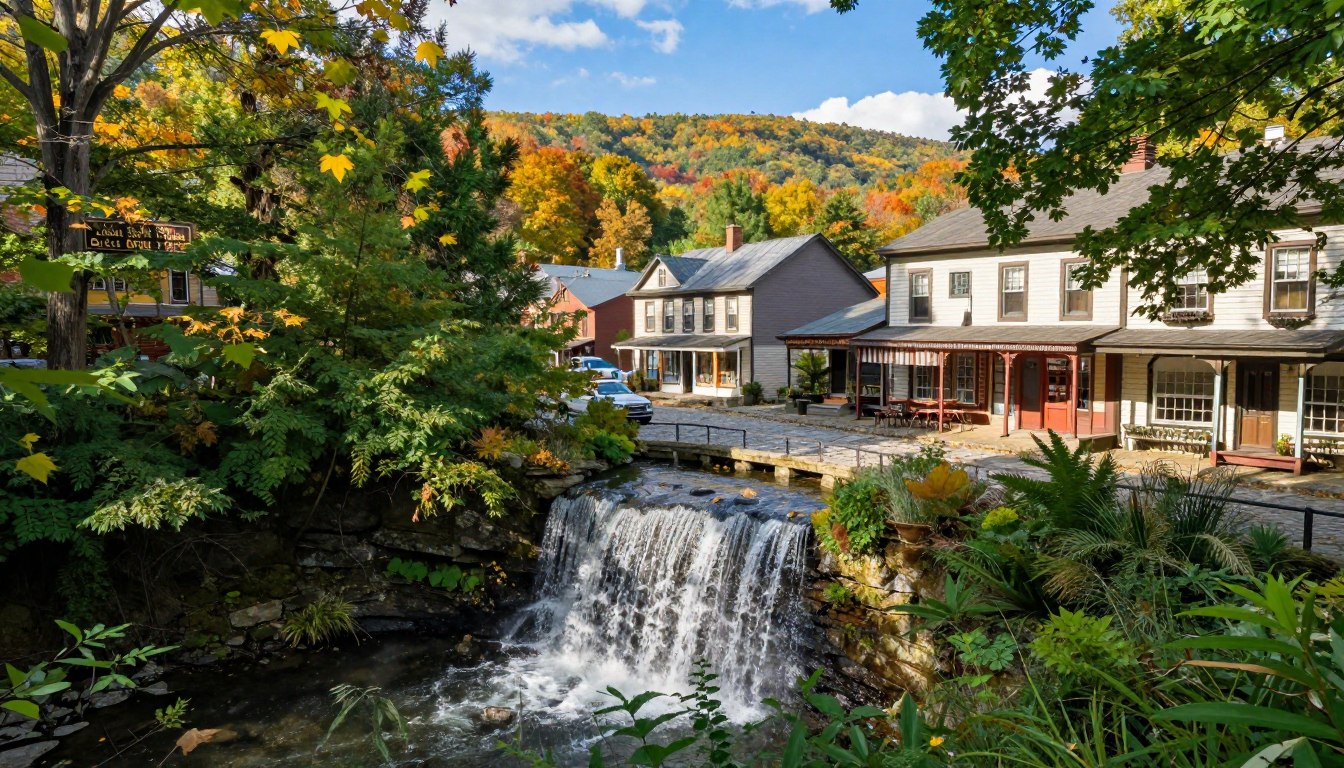
The town’s small, deliberately preserved Old West storefronts now house galleries and shops catering almost entirely to visitors, a transformation that happened gradually enough that longtime residents describe it as a natural evolution rather than the more contentious rapid gentrification seen in nearby Joshua Tree proper.
What the Park Service Says About Visitor Numbers
Joshua Tree National Park has recorded visitor numbers well above what its infrastructure was originally designed to support, prompting the park service to expand timed-entry pilot programs and additional ranger staffing during peak spring and fall weekends when both weather and social media-driven demand converge to produce the park’s heaviest crowding.
Park officials have specifically flagged trail erosion and increased search-and-rescue calls tied to underprepared visitors as growing concerns, issues directly connected to the park’s rapid rise in popularity among a broader and less desert-experienced visitor base than the climbers and off-roaders who made up much of its visitor base a generation ago.
Water Scarcity Behind the Region’s Growth Debate
The High Desert’s groundwater basins have come under increasing strain as short-term rental construction and population growth have accelerated, prompting California water regulators to impose new sustainability management requirements on several desert groundwater basins in the region under state groundwater law passed in the past decade.
Local water districts have warned that continued unchecked development could outpace the region’s naturally limited water supply within a generation, a concern that has become a recurring flashpoint in public meetings over new short-term rental permits and subdivision proposals throughout the broader Joshua Tree and Yucca Valley area.
How Twentynine Palms and the Military Base Fit Into the Regional Economy
The Marine Corps Air Ground Combat Center near Twentynine Palms remains one of the region’s largest employers, giving that particular High Desert town an economic anchor considerably more stable than the tourism-dependent economies of Joshua Tree and Yucca Valley, even as the town has also seen its own share of short-term rental growth tied to visitors using it as a quieter, less crowded base for exploring the national park’s eastern entrance.
The coexistence of a major military installation alongside a growing tourism and arts economy has given Twentynine Palms a genuinely distinct character within the broader High Desert region, blending a longtime military community with a newer wave of artists and remote workers drawn by the same affordable land and desert scenery attracting visitors to the area generally.
Local economic development officials have started promoting this dual identity, military stability paired with a growing creative and tourism economy, as a selling point for new residents and businesses considering relocation to the broader High Desert region.
The interplay between these two very different economic engines, a permanent military payroll and a boom-and-bust tourism sector, gives regional economists a useful case study in how small desert communities can hedge against the volatility of tourism-dependent growth.
Economists studying rural desert communities elsewhere in the Southwest have pointed to this specific Twentynine Palms model as evidence that a single large institutional employer can meaningfully stabilize a local economy otherwise exposed to tourism’s inherent volatility.
That balance between institutional stability and market-driven tourism growth continues to shape how regional planners approach infrastructure investment across the entire High Desert corridor.
Visitors and new residents alike increasingly cite that combination as the reason the region feels different from other fast-growing desert tourist destinations across the Southwest.