Biloxi Gets All the Casino Attention on the Mississippi Gulf Coast. The Towns on Either Side of It Are Where Locals Actually Go
We may earn money or products from the companies mentioned in this post. This means if you click on the link and purchase the item, I will receive a small commission at no extra cost to you ... you're just helping re-supply our family's travel fund.
Biloxi’s casino strip, rebuilt and expanded significantly after Hurricane Katrina’s devastating 2005 landfall, dominates most outsiders’ mental image of the Mississippi Gulf Coast — a dense run of large casino-resorts along Highway 90 that captures the bulk of the region’s tourism marketing and convention traffic. A short drive in either direction reveals a genuinely different coast: Ocean Springs to the east and Pass Christian and Bay St. Louis to the west, three towns that share almost nothing in character with the casino strip and that longtime Gulf Coast Mississippians tend to prefer for exactly that reason.
Ocean Springs and its arts identity
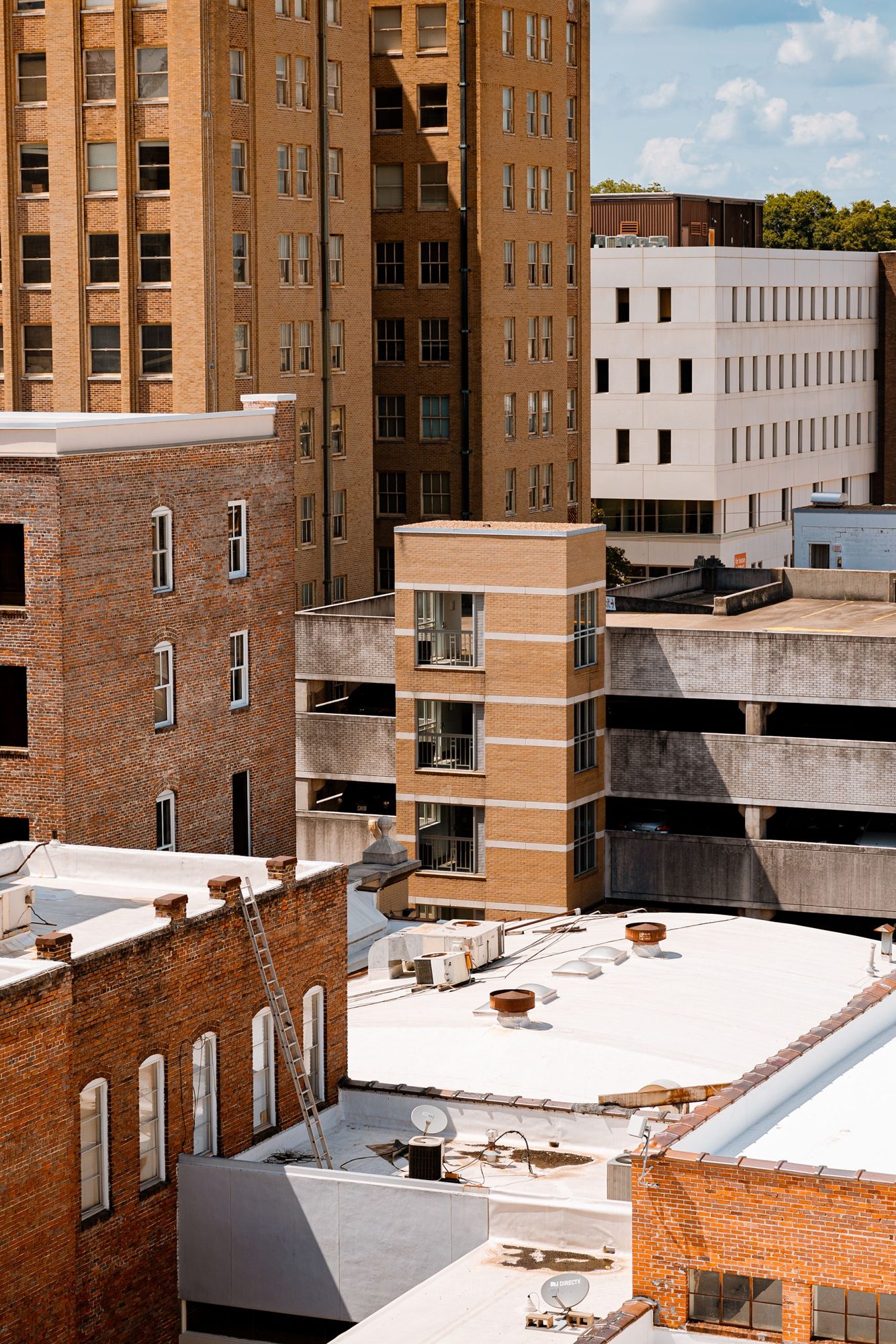
Ocean Springs built its identity substantially around Walter Anderson, a locally beloved and nationally significant painter and muralist who lived and worked in the town through the mid-20th century, and the Walter Anderson Museum of Art remains the town’s cultural anchor today, alongside a walkable downtown lined with independent galleries, boutiques, and restaurants that feel considerably more Southern small-town than Gulf Coast tourist strip. The town sits adjacent to the Gulf Islands National Seashore’s mainland district and offers direct access to barrier island ferry trips out to Ship Island, giving visitors genuine, undeveloped beach access without needing to compete with the density of the Biloxi strip. Ocean Springs has increasingly drawn comparisons to Fairhope, Alabama, and other small, arts-oriented Gulf Coast towns specifically because it’s built a genuine, non-gaming-dependent local economy around food, art, and a walkable historic core.
Pass Christian and Bay St. Louis, the quieter western towns
Pass Christian and Bay St. Louis, both west of Biloxi along the coast, were hit exceptionally hard by Hurricane Katrina, with storm surge in Bay St. Louis reaching some of the highest levels recorded anywhere along the entire Gulf Coast during that storm, and both towns’ recovery has been a genuinely long, community-driven process rather than a casino-funded rebuild. Bay St. Louis has rebuilt its Old Town district into a walkable arts and dining strip with a distinctly laid-back, artsy character, drawing comparisons to a smaller, less commercialized version of Fairhope or even parts of coastal North Carolina, while Pass Christian retains a quieter, more residential character built around some of the oldest, most storm-battered but resilient live oak trees along the entire coast, several of which predate the town’s founding and have survived multiple direct hurricane hits.
Seafood remains a genuine economic and cultural thread tying all of these coastal Mississippi communities together despite their different post-Katrina trajectories, with the region’s historic oyster and shrimp industries, though diminished from their mid-20th-century peak by pollution, hurricanes, and the 2010 Deepwater Horizon oil spill, still supporting working fishing fleets and dockside seafood markets in Biloxi, Ocean Springs, and Bay St. Louis alike, giving visitors genuinely fresh, local seafood options regardless of which specific town they choose to base a trip around.
Why the casino identity dominates outside perception anyway
Mississippi legalized dockside gaming in 1990, and Biloxi’s casino industry rapidly became one of the largest economic drivers for the entire state, generating tax revenue and employment on a scale that dwarfs what tourism in Ocean Springs, Pass Christian, or Bay St. Louis generates individually, which explains why state and regional tourism marketing continues centering Biloxi’s casinos even though a meaningful share of coastal Mississippians, and an increasing number of visitors seeking something other than a casino weekend, gravitate toward the smaller towns on either side instead.
What makes each town worth a specific trip
- Ocean Springs — the Walter Anderson Museum, a walkable arts-and-dining downtown, and Gulf Islands National Seashore access
- Bay St. Louis — Old Town’s rebuilt arts district and a distinctly laid-back beach-town character
- Pass Christian — quieter, more residential, home to some of the coast’s oldest surviving live oak trees
- Biloxi itself still holds genuine historic sites, including Beauvoir, Jefferson Davis’s postwar home, largely overlooked by casino-focused visitors
The version of the Mississippi coast worth actually planning for
The broader Mississippi Gulf Coast’s recovery since Katrina has been genuinely uneven across the three towns, with Biloxi’s casino-funded rebuild happening on a dramatically faster timeline than the more grassroots, community-driven recovery in Bay St. Louis and Pass Christian, where rebuilding relied far more heavily on federal disaster aid, local fundraising, and individual homeowners’ insurance settlements rather than a single large industry’s capital reinvestment. That difference in rebuilding pace and funding source is part of why the smaller towns retain a more organic, less commercially polished character today, two decades after the storm.
A Mississippi Gulf Coast trip that never leaves the Biloxi casino strip experiences a genuinely narrow slice of a coastline that recovered from one of the most destructive storms in American history through a combination of casino-funded rebuilding in one town and slower, community-driven, arts-and-small-business rebuilding in several others nearby. Visitors willing to drive twenty minutes in either direction from Biloxi get access to a completely different, generally more distinctive version of the Mississippi coast, one that locals have long preferred for exactly as long as the casino strip has dominated the region’s national image.
Ocean Springs’ annual Peter Anderson Arts and Crafts Festival, named for Walter Anderson’s brother and held every fall, has grown into one of the largest arts festivals in the Southeast, drawing tens of thousands of visitors to a town of under 20,000 residents for a single weekend, a scale of cultural draw that rivals what the Biloxi casino strip pulls in for its biggest gaming promotions, just built around an entirely different kind of visitor entirely.