Asheville Was the Hottest Town in America. Here’s What Happened After Everyone Found Out
We may earn money or products from the companies mentioned in this post. This means if you click on the link and purchase the item, I will receive a small commission at no extra cost to you ... you're just helping re-supply our family's travel fund.
Five years ago, travel writers couldn’t stop talking about Asheville. It had everything: craft breweries, a thriving arts scene, mountain air, and a downtown that felt alive without feeling corporate. Then the internet got hold of it — and everything changed.
What Made Asheville Famous — And What That Fame Cost It
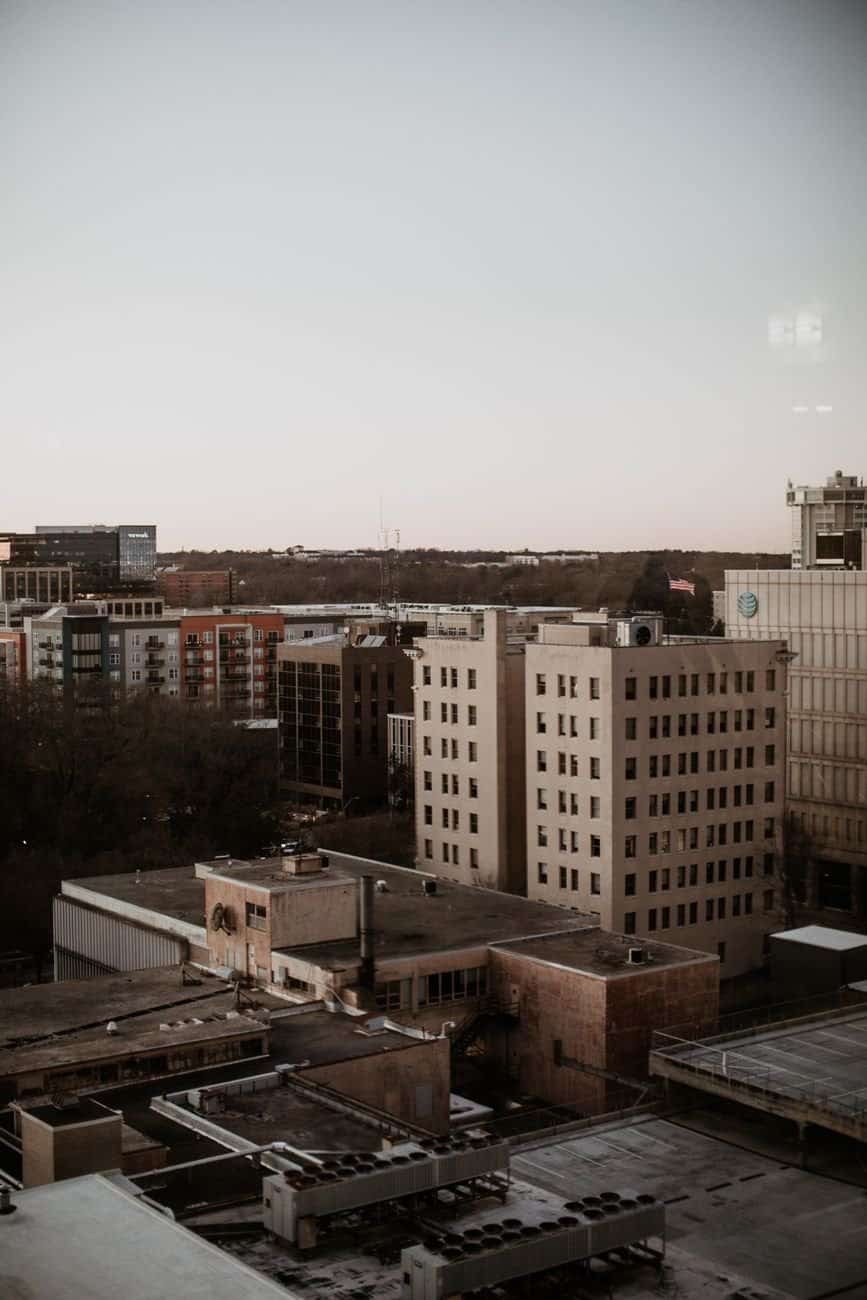
Asheville’s reputation was built on authenticity — independent restaurants, local art galleries, and a community that valued weirdness. That reputation is now its biggest liability. The city has been named on so many “best of” lists that its actual residents can no longer afford to live there.
Between 2019 and 2024, median home prices in Asheville shot up over 70 percent. A city that once attracted artists and musicians now primarily attracts Airbnbs. According to data from the Buncombe County government, short-term rental units now account for a significant share of available housing in the city’s most desirable neighborhoods.
What Visitors Are Actually Getting Now
The restaurants are still good. The breweries still pour excellent beer. The Blue Ridge Parkway is still one of the most beautiful drives in the eastern United States. But the independent, offbeat character that made people fall in love with Asheville is thinner now. Chains have moved into spots where local spots used to be. Weekends downtown are shoulder-to-shoulder crowds during peak season.
Average hotel rates in downtown Asheville hit $250–$350 per night on fall weekends — the same fall foliage weekends that used to be a regional secret. Parking is a genuine problem. Traffic on I-26 backing up into Asheville has become a Friday afternoon ritual.
The Flood Changed the Calculus
Tropical Storm Helene’s catastrophic flooding in September 2024 caused severe damage to Asheville and surrounding communities. While the city has been rebuilding, the disaster accelerated some of the tension that already existed between longtime residents and the tourism economy. Some locals pointed to over-development in floodplains and the pressure tourism dollars created to maximize every square foot of the city.
If you’re going to Asheville in 2026, the city is largely open and recovering. Visitor dollars genuinely help. But going in with realistic expectations matters — this isn’t the same Asheville from the travel magazines of 2018.
What Still Works About Asheville
- The Biltmore Estate remains genuinely impressive and worth the ticket price
- The River Arts District has real studios with working artists, not just galleries
- Day hikes within 30 minutes of downtown — Max Patch, Lover’s Leap — are still spectacular
- Local breweries like Highland Brewing and Burial Beer still produce exceptional beer
- The farmers market on the south side of town is one of the best in the Southeast
When to Go and How to Go Smarter
The single best advice for visiting Asheville in 2026: go in January or February. Prices drop by 40–60 percent. The crowds vanish. The city actually feels like a place people live, not just a place people visit. Winter temperatures in Asheville are mild by mountain standards — 35–50°F during the day — and the lack of foliage opens up long views from the parkway that summer obscures.
If you must go in fall, book accommodations well outside downtown — Weaverville, Black Mountain, and Swannanoa are all within 20 minutes and a fraction of the price. Drive in during the week, not the weekend. Reserve restaurants at least two weeks out. And skip the Instagram-famous spots that have turned into lines, not experiences.
Towns Near Asheville That Still Have What Asheville Used to Have
- Marshall, NC: 30 minutes from Asheville, tiny river town with actual local character
- Brevard, NC: Waterfall country, slightly touristy but nowhere near Asheville’s density
- Hot Springs, NC: Appalachian Trail town with mineral springs and almost no crowds
- Chimney Rock, NC: Smaller, easier to manage, genuinely dramatic scenery
Asheville is still worth visiting — but it’s not worth the premium prices and weekend chaos if you’re chasing the version that made it famous. That version is still out there, just spread across the smaller towns that haven’t been discovered yet. Go find those instead, or at least add them to your itinerary before the algorithm catches up.