Arkansas’s Crater of Diamonds Lets You Keep Any Diamond You Find. Here’s How Searching the Field Actually Works
We may earn money or products from the companies mentioned in this post. This means if you click on the link and purchase the item, I will receive a small commission at no extra cost to you ... you're just helping re-supply our family's travel fund.
Crater of Diamonds State Park in Murfreesboro, Arkansas, is the only diamond-bearing site in the world that is open to the public, and visitors keep what they find. Visitors pay admission, walk into a 37.5-acre plowed field, and dig. Adult admission is $15, and children ages 6 to 12 pay $7.
Here is how searching actually works: you pick one of three methods. You can walk the surface looking for small, shiny stones, which works best after rain. You can dry-sift soil through screens to catch small stones. Or you can wet-sift soil at the park’s washing pavilions, using water to wash away mud and reveal heavier stones. When you find something that might be a diamond, staff at the park’s identification center will check it for free. If it is a diamond, you keep it.
How Searching the Field Actually Works
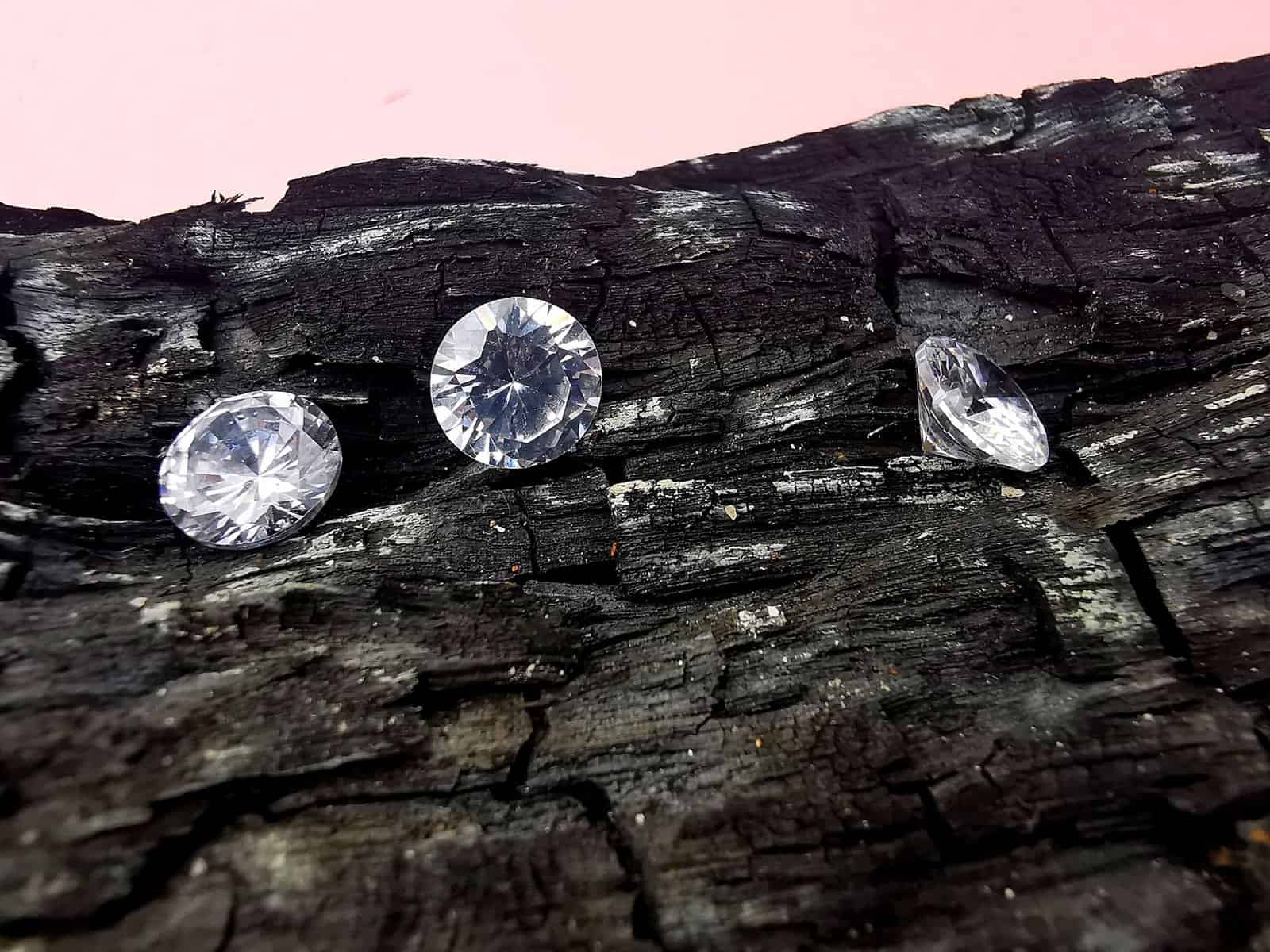
The search area sits on the eroded surface of an ancient volcanic pipe. Diamonds formed deep in the Earth and were carried to the surface by an eruption millions of years ago. Over time, weathering broke down the volcanic rock into soil, leaving diamonds and other minerals mixed into the dirt.
The park plows the field periodically to turn up fresh soil. That gives each visitor a chance at stones that have not been searched before. Diamonds found here are usually small, often the size of a match head or smaller, and come in white, brown, and yellow.
Surface Searching
Surface searching means walking the field and scanning the ground. Diamonds have a smooth, rounded shape and an oily, metallic shine that sets them apart from quartz and other stones. They do not stick to mud the way other rocks do.
This method works best after a heavy rain, which washes soil away and leaves diamonds exposed on the surface. On a sunny morning after rain, the light can catch a diamond’s sparkle. Many of the park’s notable finds have come from surface searching.
Dry Sifting
Dry sifting uses screens to sort soil. You dig a shovelful of dirt, place it in a screen, and shake it to let fine soil fall through. What remains are pebbles and larger stones, which you sort through by hand.
It works best when the soil is dry and loose. Dry sifting is simple and does not require water, but it can be dusty. It is a good method for beginners who want to cover more soil than surface searching allows.
Wet Sifting
Wet sifting is the most thorough method. You dig soil, carry it to the park’s washing pavilions, and use water and a series of screens to wash away mud. Heavier materials, including diamonds, settle in the center of the screen. You then flip the screen onto a table and look for diamonds at the center of the pile.
This method takes more effort and practice, but it can reveal small diamonds that are hard to spot by other methods. Many regular visitors swear by it. Staff and experienced diggers often share tips at the pavilions.
What You Can Bring and Rent
You can bring your own tools or rent equipment at the park. Common gear includes:
- Shovels and small hand trowels.
- Screens for dry or wet sifting.
- Buckets for carrying soil.
- Knee pads or a small stool for comfort.
- A small container for anything you find.
The park limits the size and type of some tools, and motorized equipment is not allowed. Check the park’s rules before you bring your own gear.
Getting Your Finds Checked
The park’s Diamond Discovery Center offers free identification. Bring anything that looks promising, and staff will examine it. They can tell you whether it is a diamond and, if so, its weight and color.
If you find a diamond, it is yours. The park registers notable finds, and some visitors name their diamonds. Many finds are small, but even a tiny diamond from the crater is a memorable souvenir.
What People Have Found
The park reports that more than 37,000 diamonds have been found since it became a state park in 1972. Hundreds are found each year.
The largest diamond ever found in the United States came from this area. The Uncle Sam diamond, found in 1924 before the land became a state park, weighed 40.23 carats. Since 1972, notable finds include the Strawn-Wagner Diamond, which was later graded as one of the most perfect diamonds ever certified by the American Gem Society.
Other minerals turn up too, including amethyst, garnet, jasper, agate, and quartz. Even if you do not find a diamond, you may leave with interesting rocks.
When to Go
The field is open year-round, except for a few holidays. Late fall and winter are good times to visit. The weather is cooler than summer, when temperatures can be very hot in the open field. Crowds are also smaller.
Rain is your friend. A day or two after a heavy rain is the best time for surface searching. Wet weather can make the field muddy, so wear boots and old clothes. The park posts updates on field conditions and recent finds.
Practical Tips
- Wear old clothes and sturdy shoes or boots. You will get dirty.
- Bring sun protection and water, even in cool months.
- Bring knee pads or a cushion if you plan to kneel.
- Learn what diamonds look like before you go. The park has displays and staff who can help.
- Start with one method and stick with it for a while.
- Ask experienced diggers for advice.
Patience is key. Many visitors search for hours without finding a diamond. Others find one on their first visit. Luck plays a big role.
Other Things to Do at Crater of Diamonds State Park
The park has more than the diamond field:
- A visitor center with exhibits on the park’s geology and history.
- A water park, Diamond Springs, open in summer.
- Walking trails along the Little Missouri River.
- A campground with sites for tents and RVs.
- Picnic areas and a gift shop.
The park is near Murfreesboro, a small town with restaurants and shops. Lake Greeson and the Ouachita Mountains are nearby.
Getting There
Crater of Diamonds State Park is in southwest Arkansas, about two hours from Little Rock and about an hour from Hot Springs. It is roughly three hours from Dallas and about four hours from Memphis. Most visitors drive.
How to Tell a Diamond From Quartz
Most first-time searchers pick up quartz and hope it is a diamond. A few clues help you tell the difference:
- Shape. Crater diamonds tend to be rounded, with smooth, curved faces. Quartz crystals are usually angular, with flat faces and sharp points.
- Luster. Diamonds have an oily, almost metallic shine. Quartz looks glassy.
- Size. Most diamonds found here are small, often under a carat and sometimes the size of a match head.
- Dirt. Diamonds have a surface that tends to shed mud, so they can look clean even in muddy soil.
- Color. Crater diamonds are usually white, brown, or yellow.
When in doubt, bring it to the Diamond Discovery Center. Staff identify stones for free, and they see a lot of quartz.
A Short History of the Crater
In 1906, a farmer named John Wesley Huddleston found the first diamonds on his land near Murfreesboro. Over the following decades, several companies tried to mine the site commercially, but none succeeded for long. In the mid-1900s, the field operated as a private tourist attraction where visitors paid to dig.
The State of Arkansas bought the land in 1972 and opened it as a state park, keeping the finders-keepers rule. That decision is why the field remains open to the public today, more than a century after the first discovery.
A Simple Day Plan
- Morning: Stop at the visitor center to see displays of rough diamonds and learn what to look for.
- Late morning: Try surface searching, especially if it rained recently.
- Lunch: Picnic at the park or eat in Murfreesboro.
- Afternoon: Rent equipment and try wet sifting at a washing pavilion.
- Late afternoon: Bring your best finds to the Diamond Discovery Center.
Even a few hours give you a feel for each method. Many families return year after year to try again.
What It Costs for a Family
Admission is the main cost. At $15 per adult and $7 for children ages 6 to 12, a family of two adults and two school-age children pays $44 to enter. Children under 6 are typically free. Equipment rental adds a modest amount if you do not bring your own tools, and the park sells snacks and drinks. Camping and the summer water park cost extra. Compared with many family attractions, a full day on the field is inexpensive.
Why the Park Is So Popular
Crater of Diamonds offers something rare: a real chance to find a real diamond, and the right to keep it. The experience combines geology, treasure hunting, and outdoor fun. Families, rock hounds, and curious travelers all find something to enjoy.
Even if you leave with only dirt under your fingernails, you will have spent a day searching for diamonds in an ancient volcanic crater. That is a story few places can offer.