The Colorado Rockies Without Ski Lifts Still Cost More Than Expected — Here’s Where a Summer Week’s Budget Goes
We may earn money or products from the companies mentioned in this post. This means if you click on the link and purchase the item, I will receive a small commission at no extra cost to you ... you're just helping re-supply our family's travel fund.
Summer in the Colorado Rockies has become more expensive than winter for a lot of travelers without most people quite noticing the shift as it happened, largely because nobody budgets for it the way they budget for a ski trip. There’s no lift ticket to anchor expectations, no obvious per-day cost to plan around in advance, so people arrive assuming a hiking-and-scenery trip will be cheap and leave having spent close to what a ski week costs, sometimes more, once the rental car and gas required to actually see anything gets tallied up at the end.
Towns like Breckenridge, Estes Park, and Ouray don’t shut down between ski season and summer season the way outsiders sometimes assume; they simply swap which visitors they’re serving, and prices for lodging in July frequently rival or exceed February rates in the exact same properties, because summer has become the longer and more consistently booked season across much of Colorado’s high country in recent years.
Where the Money Actually Goes
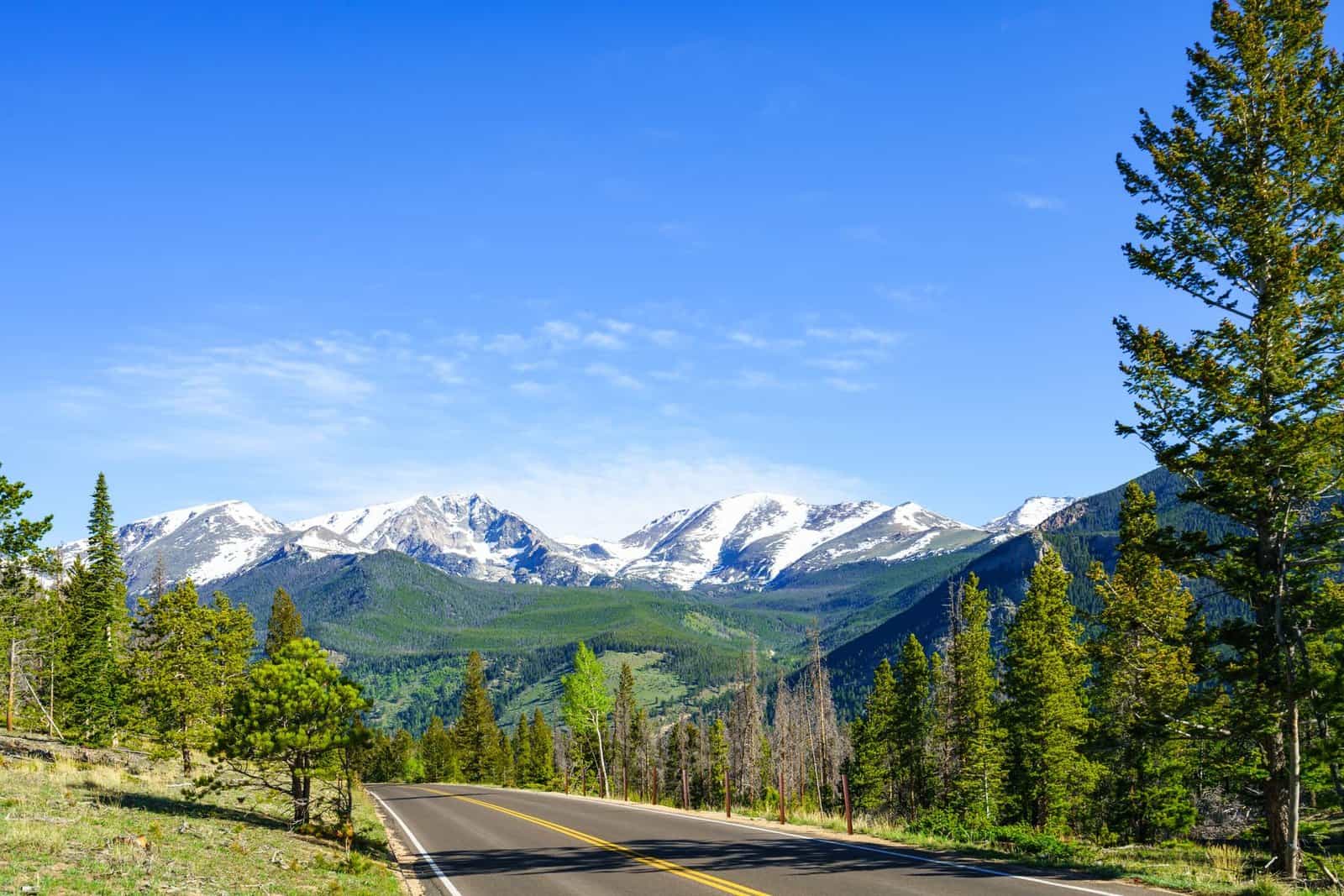
Lodging is the biggest line item and the one people underestimate most consistently. A basic hotel room in Estes Park, the gateway town to Rocky Mountain National Park, commonly runs well over $250 a night during peak July weeks, and cabins or vacation rentals positioned near the park’s main entrance push considerably higher than that baseline. Breckenridge and other former mining towns turned resort towns maintain similarly aggressive summer pricing because their lodging inventory, originally built to serve ski season demand, doesn’t discount much just because the lifts happen to be sitting idle for the summer.
The second major cost is timed-entry reservations, a relatively new wrinkle in trip planning. Rocky Mountain National Park implemented a timed-entry permit system that requires advance reservations for the park’s most popular corridors during peak summer months, and permits for the most desirable early-morning slots, when wildlife viewing and parking availability are both at their best, sell out weeks in advance of the actual visit date. This isn’t a huge dollar cost on its own, but it forces rigid trip planning and often locks travelers into specific lodging dates near the entrance, which drives overall prices up further once availability tightens.
Food and Gas Cost More Than the Altitude Suggests
Mountain towns import almost everything they sell, and grocery and restaurant prices in Vail, Aspen, and Telluride during the summer months run noticeably above Denver prices, let alone national averages for similar meals. A casual sit-down dinner for two in these towns regularly runs $80 to $120 before drinks are even added to the bill, comparable to dining in a major coastal city, which genuinely surprises visitors who associate small mountain towns with correspondingly small-town prices on everything.
Distances between attractions are also considerably longer than they appear on a map at first glance. Driving from Denver to Ouray, one of the most scenic drives in Colorado through the heart of the San Juan Mountains, takes about six hours one-way, and doing a genuine loop through Rocky Mountain National Park, the Vail Valley, and the San Juans within a single week means budgeting for significant gas costs and multiple lodging changes rather than relying on a single home base for the whole trip.
What Actually Makes the Week Worth the Price
Wildflower season, typically peaking in July at higher elevations, turns alpine tundra above treeline into fields of color that only last a few short weeks each year, and Trail Ridge Road in Rocky Mountain National Park, the highest continuous paved road in the country, crosses right through the heart of it at over 12,000 feet. Afternoon thunderstorms are a near-daily reality above 10,000 feet in summer, which means serious hikers plan for early starts and turnarounds by early afternoon, a rhythm that becomes as much a part of the trip’s cost calculus as anything strictly financial, since losing an afternoon to weather on a short trip carries its own real cost in missed time.
Fall color season, arriving in September at these elevations well before most of the country associates autumn with travel, offers a genuinely underused alternative for travelers trying to avoid peak July and August pricing while still getting comfortable weather and dramatic aspen groves turning gold across entire mountainsides.
- Estes Park hotel, peak July night: often $250–$400
- Rocky Mountain National Park timed-entry permit: modest fee, but requires weeks of advance planning
- Casual dinner for two in a resort town: $80–$120 before drinks
- Denver to Ouray drive: about six hours one-way through mountain terrain
How Experienced Travelers Cut the Cost Without Cutting the Trip Short
Basing a trip in Denver or a lower-cost gateway town like Loveland or Montrose, rather than sleeping directly inside the most famous resort towns, can cut lodging costs substantially while adding only thirty to forty-five minutes of driving each day. Grocery shopping for breakfasts and lunches rather than eating three restaurant meals a day is a standard cost-cutting move locals themselves rely on, given how sharply restaurant menu prices climb the closer a town sits to a national park entrance.
Visiting popular sites at first light, both to beat the crowds and to catch better wildlife activity before elk and bighorn sheep retreat to shade for the afternoon, has become such a common strategy that some park rangers now describe a distinct dawn rush hour inside Rocky Mountain National Park’s most popular entrances during peak summer weeks.
Traveling midweek rather than on weekends makes a significant difference in both lodging rates and crowd levels throughout the region’s most visited towns, since the vast majority of summer visitors still concentrate their trips around Friday-to-Sunday windows, leaving Tuesday and Wednesday nights meaningfully cheaper and quieter at the exact same properties and trailheads.