Starkville Doubles in August—How a 24,000-Resident College Town Powers the Delta Economy
We may earn money or products from the companies mentioned in this post. This means if you click on the link and purchase the item, I will receive a small commission at no extra cost to you ... you're just helping re-supply our family's travel fund.
Starkville sits at the edge of the Mississippi Delta and the state’s hill country, and its identity is almost entirely defined by Mississippi State University, which enrolls more than 22,000 students in a city with a year-round population of roughly 24,000 people. On football Saturdays in the fall, the combined population of the city can more than double, with the Junction — the pregame tailgating grounds outside Davis Wade Stadium — drawing tens of thousands who never set foot in a classroom building a few hundred yards away all season.
The city’s economy runs almost entirely on this academic rhythm. Restaurants, bars, and retail along Main Street and University Drive scale their staffing and inventory around the university calendar in a way few other Mississippi towns need to, and the summer months, when most students leave for break, produce a visibly quieter downtown that locals have learned to plan their own business cycles around.
A Land-Grant University in the Middle of Cotton Country
Mississippi State was founded in 1878 as a land-grant agricultural college, and that agricultural identity still shapes the university and the region around it — the school’s College of Agriculture and its extension programs remain central to how farmers across the Delta and beyond access research on cotton, soybeans, and poultry, the state’s dominant crops and livestock industries for more than a century. The university’s agricultural research farms occupy thousands of acres of land around the city, some of it visible right from the edges of campus.
That land-grant identity coexists with a genuinely competitive research university profile — Mississippi State holds Carnegie R1 research classification, putting it in the same tier as much larger flagship universities for total research output, a distinction that surprises visitors who arrive expecting a small agricultural college town rather than a functioning research hub with active federal grant funding across multiple science disciplines. The university’s veterinary school, one of relatively few in the entire South, draws students and research partnerships from well beyond Mississippi’s borders and adds a specialized economic layer to the city that most college towns of similar size simply don’t have.
What the City Looks Like Between Game Days
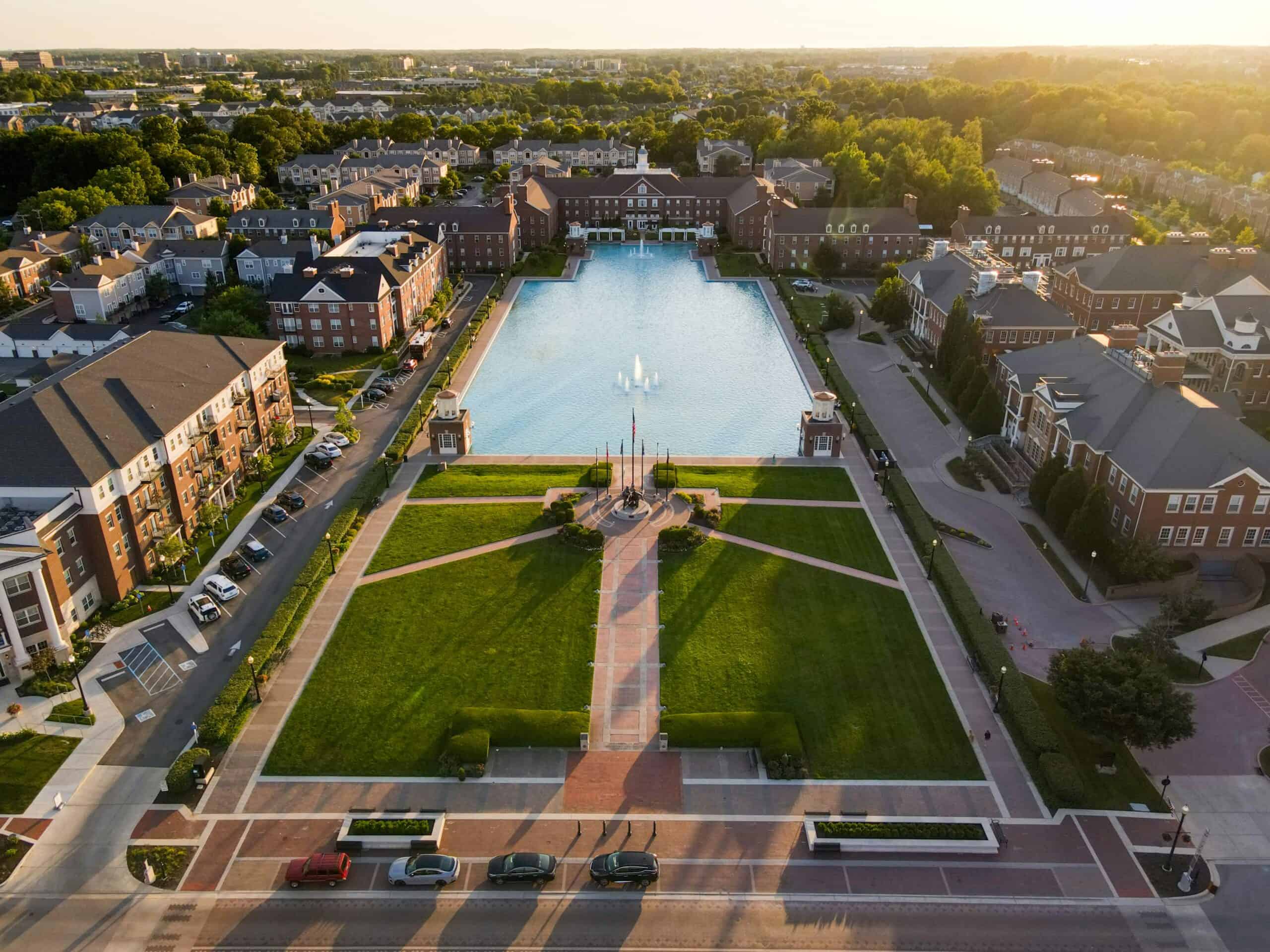
Starkville’s downtown has redeveloped meaningfully over the last fifteen years, with a walkable core of restaurants and bars that punches above what you’d expect for the city’s size, largely subsidized by a reliable student and alumni customer base that returns year after year. The Cotton District, a historic neighborhood adjacent to campus built in a New Urbanist style decades before that term existed in planning circles, mixes student housing with permanent residents in a way that keeps the area lively outside of football season too.
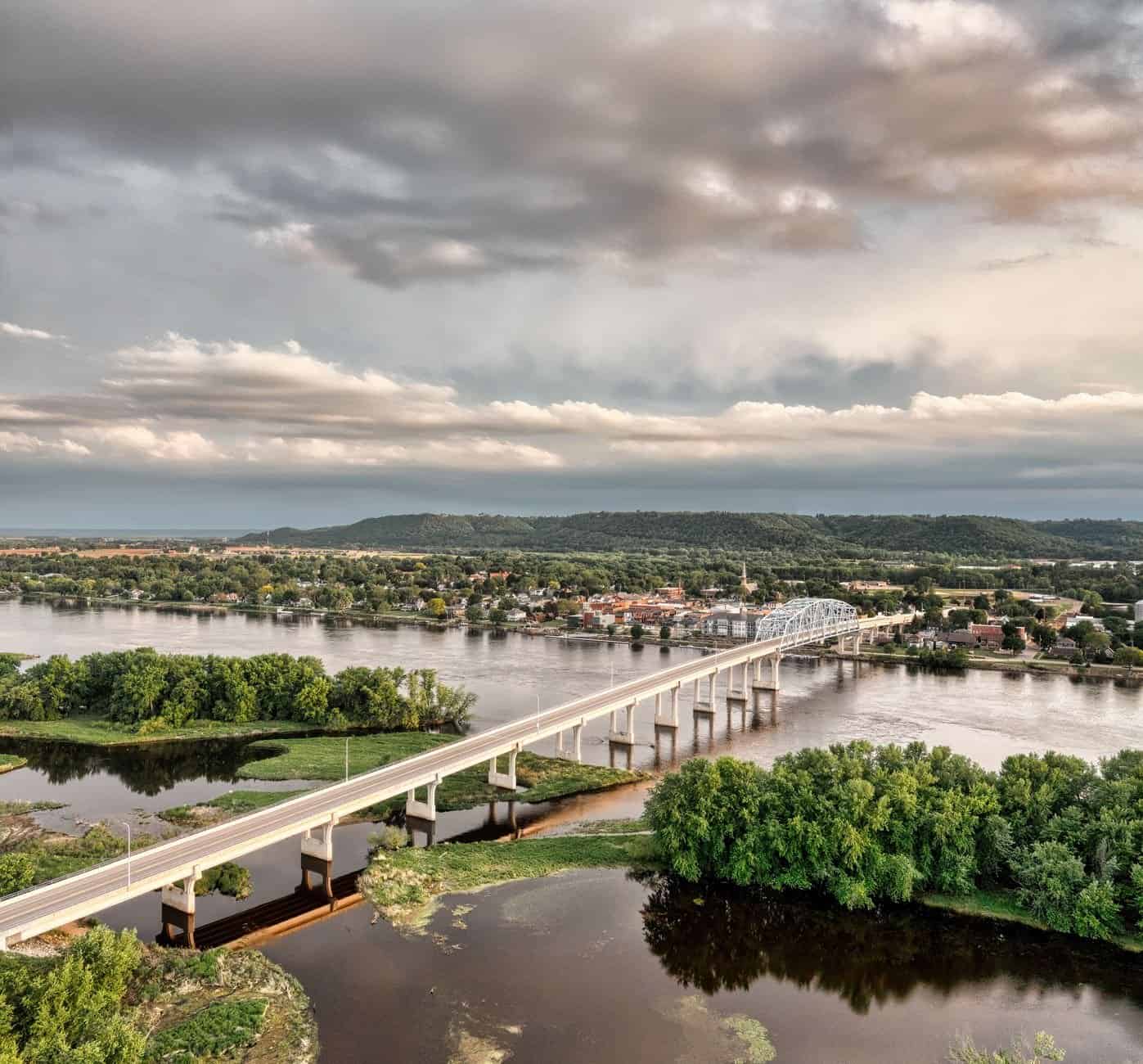
The surrounding Delta landscape — flat, intensively farmed, dotted with small towns that have shrunk for decades as agriculture mechanized — makes Starkville’s relative vibrancy stand out sharply by comparison. Towns an hour away without a university anchor have lost population steadily since the 1980s; Starkville has grown almost every decade instead, because the university guarantees a customer base that doesn’t depend entirely on the regional farm economy’s ups and downs.
The Numbers Behind Game Day
Davis Wade Stadium holds a capacity well over 60,000 people, roughly two and a half times the city’s entire year-round population, and on a handful of Saturdays each fall the stadium and the surrounding Junction tailgating grounds transform into what is functionally a temporary city built entirely out of tents, RVs, and portable grills. Local hotels book out months in advance for marquee games, and short-term rental listings across the city spike dramatically in price during the same weekends.
City services plan around this cycle as deliberately as any business does — additional police staffing, expanded parking enforcement, and traffic pattern changes around campus are all standard operating procedure on game weekends, treated with the same seriousness as severe weather planning by the city’s public safety departments.
- Davis Wade Stadium capacity: over 60,000, roughly two and a half times the city’s year-round population
- Mississippi State enrollment: over 22,000 students, split between undergraduate and graduate programs
- The Junction tailgating grounds: transforms into what’s essentially a temporary city of tents and RVs on fall Saturdays
- Oktibbeha County population: concentrated overwhelmingly in and around Starkville itself
What Happens When the Students Leave for Summer
Downtown occupancy and foot traffic drop noticeably each May once the spring semester ends, and restaurant owners along Main Street describe summer as the season they either brace for with reduced hours or use to make repairs and renovations before the fall rush returns in August. Some businesses close entirely for stretches of the summer, a pattern that would be unusual in a city of similar size without a university anchoring its economic calendar so completely.
Summer session enrollment and a growing population of graduate students and research staff who stay year-round have softened this seasonal dip somewhat in recent years, but the difference between a September Saturday and a July Tuesday in downtown Starkville remains stark enough that longtime residents can tell you the date within a week or two just by how full the parking spaces on Main Street happen to be.
Landlords across Starkville build leases around the academic calendar rather than the standard twelve-month cycle used in most American cities, with a large share of rental housing turning over each August to coincide with the start of the fall semester. This creates a distinctive rhythm to the local rental market that shows up in everything from moving truck traffic clogging certain streets for a single frantic week to furniture stores timing their biggest sales to match student move-in.
Local restaurants and bars have adapted to the seasonal swings by leaning heavily on catering and event business during the summer lull, supplying wedding receptions and family reunions across the surrounding Delta counties to make up for the drop in daily student traffic, a workaround that has become such an established part of the local hospitality economy that several Starkville catering operations now generate more summer revenue than they do during a typical fall week downtown.