A Real Week in Alaska Costs About $2,750 Per Person. A Cruise Costs About the Same and Shows You Almost None of the Interior.
We may earn money or products from the companies mentioned in this post. This means if you click on the link and purchase the item, I will receive a small commission at no extra cost to you ... you're just helping re-supply our family's travel fund.
Most people’s mental model of an Alaska trip is a cruise ship gliding past a glacier while a naturalist narrates over the intercom. That’s a real and popular way to see Alaska’s coastline, and a seven-day cruise fare alone can run $900 to $1,800 per person for an inside cabin before airfare, gratuities, and excursions push the realistic total to $1,500 to $5,000. But it shows you almost none of the interior, Denali, Fairbanks, the Kenai Peninsula’s road-accessible wilderness, because cruises are built around ports, not highways.
What an Independent Week Actually Costs
A realistic independent trip, flying into Anchorage, renting a car, and mixing budget motels with a couple of splurges, lands in a fairly consistent range across multiple travel-cost analyses: roughly $2,500 to $4,000 per person for a comfortable but not lavish seven-day trip, with a tighter budget version landing closer to $1,500 to $2,500 for travelers willing to camp or use hostels. One detailed real-world breakdown puts a mid-range trip at about $4,000 total, covering round-trip flights from the West Coast at $600, a one-way rental car between Anchorage and Fairbanks at $1,000, roughly 800 miles of gas at $200, seven nights split between hostels, public-use cabins, and roadhouses at $700, food at $500, one flightseeing trip at $600, a half-day Kenai Fjords cruise for two at $300, and park fees and incidentals at $100.
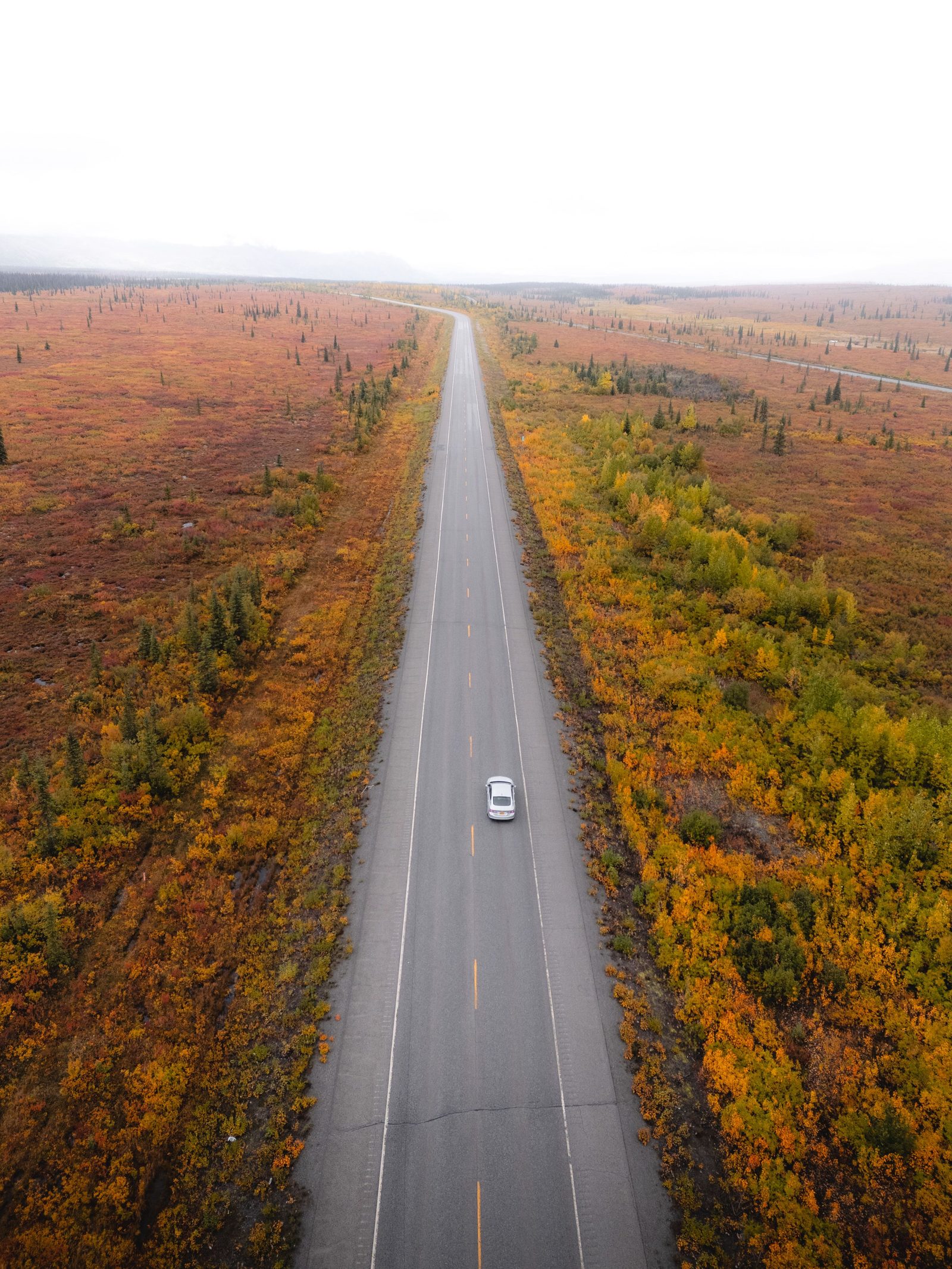
That works out to roughly $285 a day per person, including one marquee experience. Cutting the flightseeing trip and camping instead of using cabins brings the same itinerary down closer to $2,800 total. Either way, the trip covers ground a cruise physically cannot: the Parks Highway corridor toward Denali National Park, the drive down the Kenai Peninsula to Seward or Homer, and towns like Talkeetna that only exist off the cruise circuit entirely.
Where the Money Actually Goes
The Big Line Items
- Rental cars run $100 to $200 a day in peak summer season, the single biggest controllable cost after flights
- Lodging ranges from $35-a-night hostel dorm beds to $250-plus-a-night mid-range hotel rooms in Anchorage or near Denali
- One splurge activity, whether it’s a glacier flightseeing trip at $150 to $550 or a Kenai Fjords boat tour at $120 to $300, is usually worth the budget hit
- Denali National Park’s entry fee is a flat $15, one of the cheapest marquee experiences in the entire trip
Timing changes the math substantially. Traveling in May or September, just outside the June-through-August peak, can cut lodging and flight costs by 10 to 25 percent while still delivering good weather and long daylight hours. The Alaska Marine Highway, the state-run ferry system, is also a legitimate budget option for coastal travel that most visitors never consider, with fares like $140 for the 19-hour route between Ketchikan and Juneau, a fraction of what a comparable cruise segment would cost.
Seasonality changes the Alaska cost equation more dramatically than in almost any other U.S. destination, because the state’s entire tourism infrastructure, hotels, tour operators, restaurants, effectively shuts down or scales back severely outside the May-through-September window. That means the budget ranges above apply specifically to peak season travel; a winter trip to see the northern lights around Fairbanks operates on an entirely different cost structure, often cheaper on lodging but requiring specialized gear and tour operators built around aurora viewing rather than glacier and wildlife tourism.
Grocery costs deserve a specific mention because they surprise almost every first-time visitor. Alaska imports the overwhelming majority of its food from the Lower 48, and the added shipping cost shows up directly on shelf prices, a gallon of milk or a head of lettuce in a remote town can run two to three times what the same item costs in Seattle. Travelers doing the self-catering budget strategy should build in that markup rather than assuming grocery costs will mirror what they pay at home, since the savings from cooking rather than eating out are real but smaller than the same strategy would produce in most other states.
The distances involved also change how travelers should think about their week. Anchorage to Fairbanks is roughly 360 miles, about six hours of driving each way, and Anchorage to Homer on the Kenai Peninsula is another four and a half hours in the opposite direction. A seven-day trip genuinely cannot cover both the interior and the Kenai Peninsula without either an internal flight or accepting that several days will be consumed almost entirely by driving. Most successful budget itineraries pick one region, interior toward Denali and Fairbanks, or coastal toward the Kenai Peninsula, rather than trying to do both, which is the single most common planning mistake that blows up an otherwise well-budgeted trip.
Ferry and small-boat access adds a final cost variable that trips up budget planning for anyone hoping to see coastal glaciers or whale activity without a large cruise ship. Day-long boat tours out of Seward or Whittier into Kenai Fjords National Park typically run $150 to $250 per person, a significant single-day expense but often the only realistic way to see tidewater glaciers and marine wildlife up close without booking a multi-thousand-dollar cruise itinerary, and most budget-conscious Alaska itineraries treat one such boat tour as a justified splurge within an otherwise frugal week.
Fuel costs deserve their own line item in any honest Alaska budget, since gas prices routinely run well above the national average and long driving distances between towns mean a rental car trip can rack up fuel spending that would be negligible on a comparable mileage trip almost anywhere else in the country, a detail that catches first-time visitors who budget for the rental itself but not for the actual cost of driving it the distances an Alaska itinerary requires.
The honest comparison isn’t cruise versus no Alaska trip, it’s cruise versus a genuinely different trip that costs roughly the same amount of money but delivers an entirely different Alaska. Cruises are efficient, low-effort, and see real glaciers up close from the water. Independent road trips take more planning and more driving, but they reach the state’s interior, its wildlife-dense road corridors, and its small towns in a way no itinerary built around port calls ever will.