Seattle, Olympic Peninsula, and Mount Rainier in One Week Sounds Easy. Here’s Why the Order Matters More Than You Think
We may earn money or products from the companies mentioned in this post. This means if you click on the link and purchase the item, I will receive a small commission at no extra cost to you ... you're just helping re-supply our family's travel fund.
Seattle, the Olympic Peninsula and Mount Rainier look close together on a map, so a week seems like plenty. It is, if you sequence the trip well. The short answer is to start in Seattle, spend the middle of the week on the Olympic Peninsula and finish at Mount Rainier, which sits closest to the airport. Reverse that order or mix it up, and you spend hours on ferry lines and backtracking.
The rest of this guide explains why the order matters for the Olympic Peninsula and Mount Rainier, how to schedule each stop and when the best answer changes with the season.
Why the Order Matters for the Olympic Peninsula and Mount Rainier
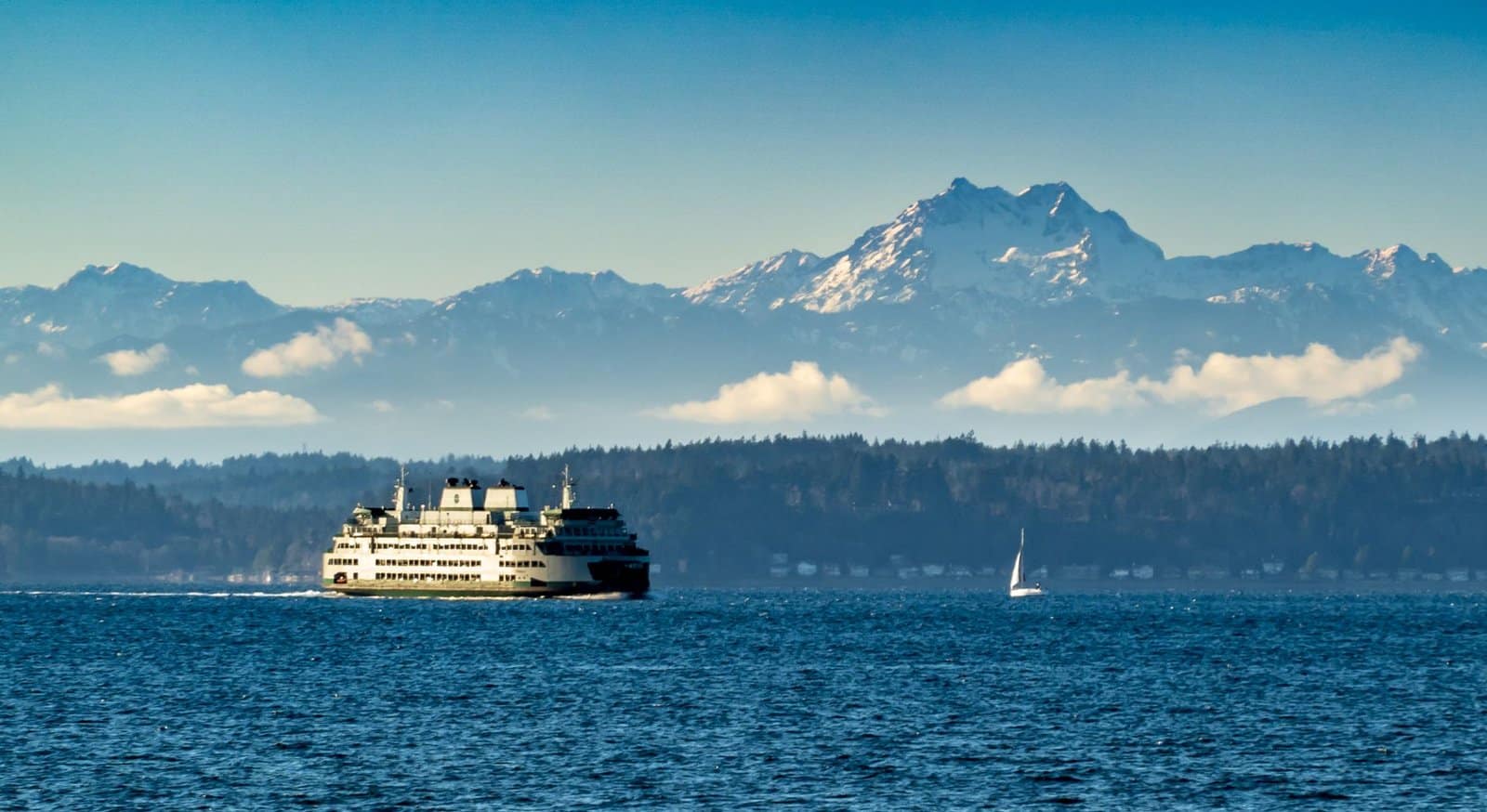
Three facts drive the sequence. First, the Olympic Peninsula is separated from Seattle by Puget Sound, so you reach it by ferry or by a long drive around the south end. Second, Mount Rainier is a drive of about two hours from Seattle in the other direction, to the southeast, and it is close to Sea-Tac Airport. Third, the weather and road conditions at each place change by season and by day, so the activities that depend on them should come when you can be flexible.
If you do Seattle first, you can adjust to the time zone, pick up groceries and gear, and confirm reservations. If you do the Olympic Peninsula second, you can use a ferry on a weekday morning, spend several days in the national park and return through Tacoma or Olympia on the south loop. If you do Rainier last, you finish near the airport, which cuts the risk of missing a flight after a long drive.
The geography in plain terms
Seattle sits on the east side of Puget Sound. The Olympic Peninsula lies to the west, and the usual route is a ferry from Seattle to Bainbridge Island, which takes about 35 minutes, followed by a drive north and west toward Port Angeles, roughly two to two and a half hours from the dock without traffic. Another option is the Edmonds to Kingston ferry, which is about 30 minutes and lands closer to the northern route. Both ferries can have long lines on summer weekends, so reservations, where offered, or an early start help.
Mount Rainier National Park is about 90 miles from Seattle by road. The Nisqually entrance on the southwest side is the most common and is open year-round, and the drive to Paradise takes around two hours plus stops. The Sunrise area on the northeast side opens later in the summer, usually in July, when snow melts.
The Best Order for Most Summer Trips
For a week in July through September, a good plan looks like this.
- Days one and two: Seattle. Visit Pike Place Market, the waterfront, Pioneer Square and a neighborhood such as Capitol Hill or Ballard. Take a ferry ride for the views if you have time.
- Day three: Ferry to the peninsula. Drive to Port Angeles, with a stop at Sequim for lavender in July if you are interested, and spend the night near Lake Crescent or in Port Angeles.
- Day four: Olympic National Park. Visit Hurricane Ridge if the road is open, hike near Lake Crescent and consider the Sol Duc area.
- Day five: Drive west and south on Highway 101 to the Hoh Rain Forest or the Pacific coast at Rialto Beach or Kalaloch. Stay near the coast.
- Day six: Return around the south side of the peninsula through Olympia, then continue to the Mount Rainier area. Stay in Ashford or another nearby town.
- Day seven: Mount Rainier. Visit Paradise and a few short trails, then drive to the airport.
Why not start with Rainier
Beginning at Rainier is possible, but it adds a long drive between Rainier and the peninsula, and you then have to take a ferry or drive around the sound to get back to Seattle for a flight. It also puts the hardest weather decisions at the start of your trip, when you have the least information about conditions.
How Season Changes the Answer
The order shifts with the time of year.
Early summer: snow at Rainier
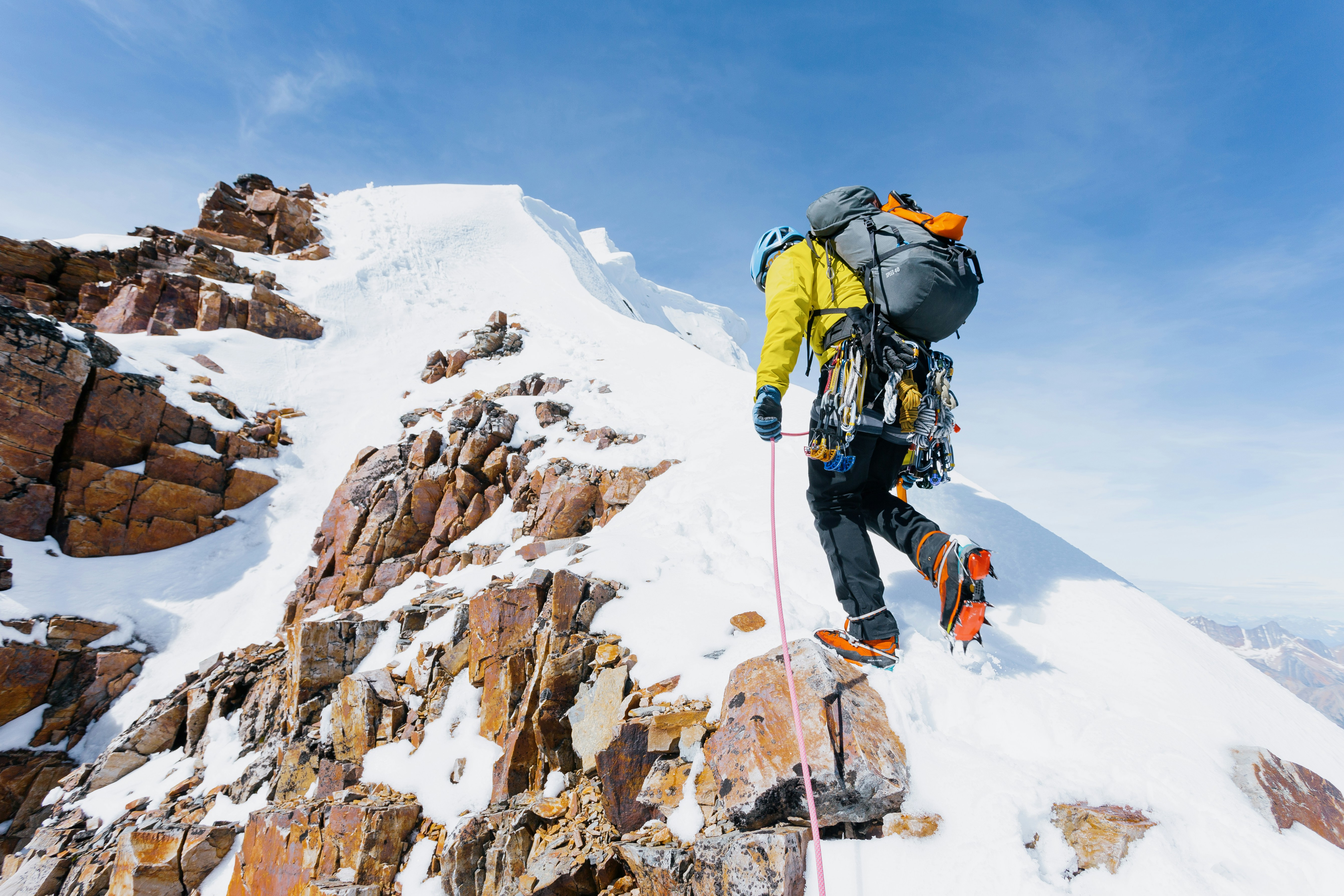
At Mount Rainier, snow can linger into July at higher elevations. Wildflowers typically peak from late July through mid-August, and early in the season many trails above 5,000 feet remain snow-covered. If you visit in June or early July, you might do the Olympic Peninsula first, because its low-elevation forests and beaches are accessible earlier, and finish at Rainier later in the trip when more trails have melted. In early summer, check the park’s road and trail conditions page before committing.
Late summer and fall
In August and September, Rainier is at its best, with clear trails and wildflowers, and the Olympic coast is warm enough for tide pooling. This is the standard schedule. In October and later, weather becomes unpredictable. The Hoh Rain Forest is lush and quiet, and storms can bring heavy rain and high surf. Higher roads can close for snow.
Winter and spring
Winter trips need flexibility. Paradise is open for snow play and snowshoeing when roads are clear, and chains may be required. Hurricane Ridge access is limited in winter and has changed in recent years, so verify. Many visitors skip the high country and focus on lower trails and the coast.
Timed Entry, Reservations and Closures
Popular parks have started using timed entry and reservations. Mount Rainier has tested timed entry for some areas during summer, and you may need a reservation to drive into certain corridors at peak times. Rules vary by year, so check the National Park Service page for Mount Rainier before you go. Olympic National Park has generally relied on standard entry, but the Hurricane Ridge area has had road and facility changes, including the loss of its visitor center to fire in 2023, so confirm what is open.
- Check park entry fees, which are typically around 30 dollars per vehicle for a multi-day pass. Confirm current prices.
- Book lodging early, particularly inside parks, such as Lake Crescent Lodge or Paradise Inn, which often sell out months ahead.
- Reserve campsites at recreation.gov if you plan to camp.
- Look at the Washington State Ferries website for fares and schedules. Reservations on some routes are limited.
Lodging outside the parks
Port Angeles, Sequim and Forks on the peninsula, and Ashford, Packwood and Eatonville near Rainier, have hotels, cabins and motels. They are less expensive than in-park lodging and give you more flexibility. They also have fewer restaurants, so plan dinners.
Drive Times and Pacing
A common mistake is to assume the short distances on the map equal short drive times. Mountain roads, ferries and slow traffic add up.
- Seattle to Port Angeles with a ferry: about 2.5 to 3 hours.
- Port Angeles to Hurricane Ridge: about 45 minutes to an hour.
- Port Angeles to the Hoh Rain Forest: about 2 hours.
- Hoh to Olympia on the south loop: about 3 hours.
- Olympia to Ashford: about 1.5 hours.
- Ashford to Paradise: about 30 to 45 minutes.
- Paradise to Sea-Tac: about 2 hours.
Allow extra time in summer, when traffic on Interstate 5 and on Highway 101 can be heavy. Keep daily driving under four hours when you can, so you still have energy for walks and meals.
Gas, food and cell service
Services are limited in remote parts of both parks. Fill your tank in larger towns, bring snacks and water, and download offline maps because cell coverage fades in forests and canyons. Pack layers, since weather can change quickly, and rain gear even in summer.
What to Skip if You Are Short on Time
If a week feels too tight, drop something. A common compromise is to skip the western coast of the peninsula and focus on the northern part, with Lake Crescent, Hurricane Ridge and Port Angeles. Another is to spend only one day at Rainier. It is better to do fewer places well than to rush through all of them. A smaller loop also gives you time for a slow breakfast, a long walk or a day when rain keeps you indoors.
A Day-by-Day Check on What Can Go Wrong
Even a well-ordered plan meets surprises, and it helps to know where the weak points are. The most common problem is the ferry. Washington State Ferries runs frequent service on the Seattle to Bainbridge route, but summer weekends, holidays and mechanical problems can create waits of an hour or more. If you are driving a car onto the ferry, arrive early, check the vessel watch tool on the ferry website and consider a weekday crossing. If you are a foot passenger, the ride is simple, but you would need a rental car on the other side, and many travelers pick up a car in Seattle and take it across.
Weather and visibility
Rain on the Olympic Peninsula is not a surprise, but low clouds and fog can hide the mountain views at Hurricane Ridge. If the forecast is poor, switch your plan: do the rain forest and coast on the wet day, since the Hoh looks its best in the rain, and save Hurricane Ridge for a clear day. At Mount Rainier, the mountain itself is often hidden by clouds, even in summer. Check the webcams on the park website in the morning before you drive up, and be ready to shift your Rainier day by 24 hours if you can.
Smoke and wildfire
Late summer smoke from regional wildfires can reduce visibility and air quality, sometimes for several days. Check air quality forecasts. If smoke is heavy, the coast tends to be clearer than the interior, and the ocean beaches may be a better choice than mountain overlooks.
Fatigue
A week that includes ferries, long drives and hikes can wear you down. Build in at least one easy day, such as a long breakfast in Port Angeles or an afternoon at a museum in Tacoma or Olympia. Do not plan more than one big hike per day, and keep your last evening free so that a flight home is not a rush.
Where Seattle Fits Best
Some travelers wonder if Seattle belongs at the start or the end. Starting there works for most people, because international and domestic flights often arrive in the afternoon or evening and a night in the city makes a gentle landing. It also lets you pick up groceries, camping gear, rain layers and a rental car, and Seattle’s selection and prices are better than in the small towns ahead.
What to do with your Seattle days
Two days is enough for the highlights. Spend one morning at Pike Place Market and the waterfront, then visit the Museum of Pop Culture, the Space Needle or the Chihuly Garden and Glass if you like. Take an afternoon in a neighborhood, such as Fremont, Ballard with its locks and fish ladder or Capitol Hill. Use the ferry to Bainbridge Island for a short sail with skyline views. Save the heavy planning for the next days, and eat well, because the small towns ahead have limited choices.
Ending in Seattle instead
If you can only book a one-way flight into Seattle and out of another city, you may reorder. If your flight home leaves from Sea-Tac early in the morning, spend your final night near the airport or in Tacoma, rather than driving in from the mountain at dawn. Whichever order you choose, avoid a long drive on the final day.
The Takeaway
Seattle, then the Olympic Peninsula, then Mount Rainier is the most efficient order for most visitors, because of ferries, drive times and the proximity of Rainier to the airport. Adjust for season, reserve lodging and park access and leave room in the plan for weather. The order matters because it turns three famous destinations into a trip that flows, rather than one that fights the map.