Woodstock Has Just 6,000 Residents — Here’s What the Famous Festival Myth Misses About the Town Visitors Can Actually Explore
We may earn money or products from the companies mentioned in this post. This means if you click on the link and purchase the item, I will receive a small commission at no extra cost to you ... you're just helping re-supply our family's travel fund.
The most famous music festival in American history did not happen in Woodstock. The 1969 Woodstock Music and Art Fair took place in Bethel, about 60 miles southwest, on a dairy farm owned by Max Yasgur. The town of Woodstock, New York, has about 6,000 residents, and it was an artists’ colony decades before the festival borrowed its name.
That gap between myth and place is the best reason to visit. Woodstock New York is a small Catskills town with a long creative history, and it rewards visitors who come for more than a photo with a tie-dye shop.
What the Woodstock Festival Myth Misses About the Town
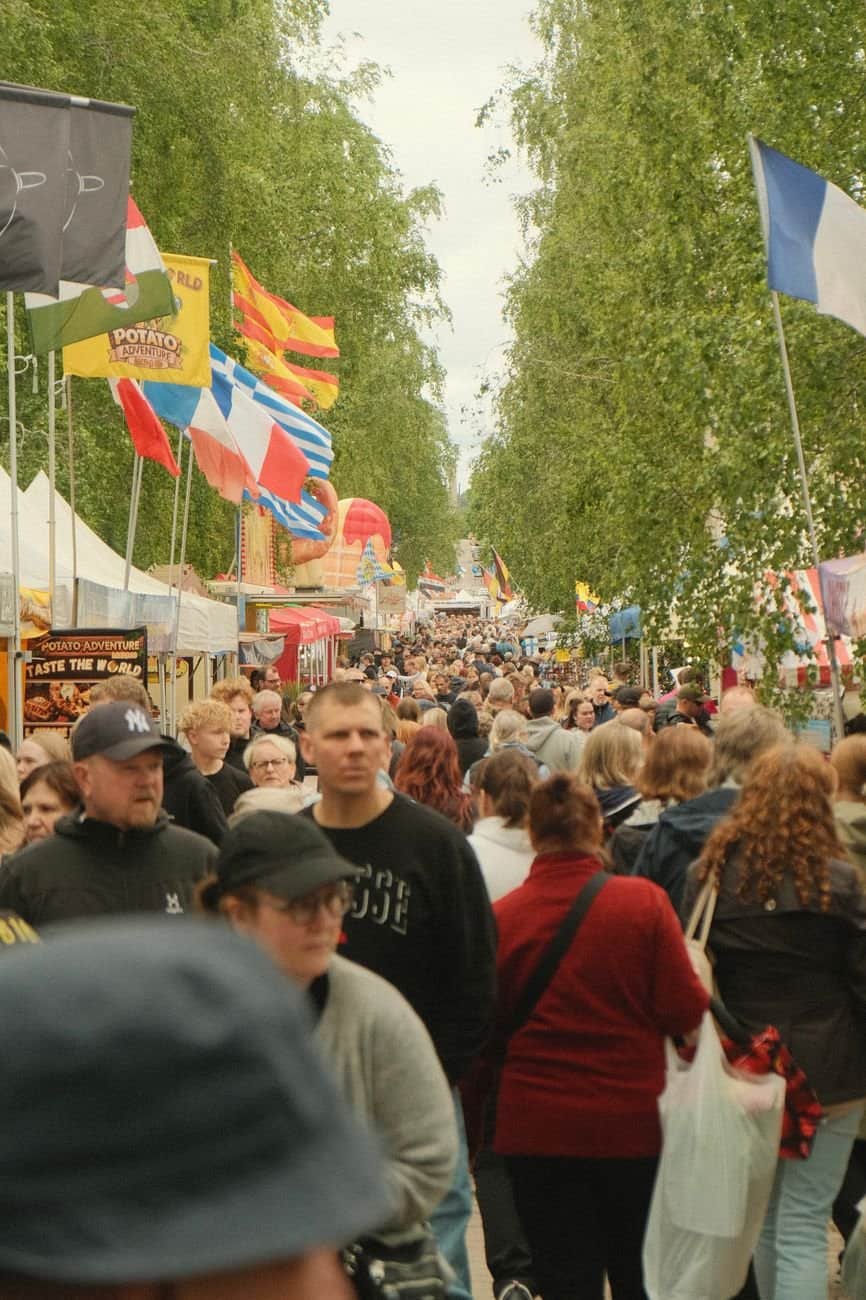
The festival organizers originally wanted to hold the event near Woodstock, where Bob Dylan and other musicians lived. They could not find a site there, and after being turned away by the town of Wallkill, they moved the festival to Yasgur’s farm in Bethel. The name stuck anyway, because Woodstock already stood for music, art and a counterculture that welcomed outsiders. Today the festival site in Bethel is home to the Bethel Woods Center for the Arts, which has a museum and a concert venue.
The town itself, in Ulster County, sits at the foot of the Catskill Mountains, about 100 miles north of New York City. It has a compact center, a creek and a ring of wooded hills. According to the Census Bureau, it had about 5,900 residents at the 2020 count. Many are artists, musicians, craftspeople or retirees, and the town has a mix of year-round residents and second-home owners from New York City.
A colony before the concert
In 1902, Ralph Radcliffe Whitehead, along with Bolton Brown and Hervey White, founded Byrdcliffe, an arts and crafts colony on a hillside outside town. The colony produced furniture, pottery and paintings, and it still operates as an arts center with studios, residencies and a gallery. Visitors can tour the historic buildings and see exhibitions. A few years later, Hervey White founded the Maverick colony, which became the home of Maverick Concerts, a chamber music series that has run since 1916 in a wooden concert hall in the woods. Together, these places made Woodstock an artistic center long before 1969.
In 1920, local artists founded the Woodstock Artists Association, which still runs a gallery in town, now known as the Woodstock Artists Association and Museum. Over the decades, painters, writers and musicians arrived. Bob Dylan lived nearby in the mid-1960s, and members of The Band recorded Music from Big Pink in a house in nearby Saugerties. The town became associated with the folk and rock scene, which is why the festival organizers chose its name.
What to Do in Town
Walk Tinker Street
The main commercial street, Tinker Street, is lined with small shops, galleries, cafes and restaurants. You will find tie-dye shirts, crystals and records, as well as bookshops, clothing boutiques and local crafts. On summer weekends, the street is crowded, and parking is limited, so arrive early or use the public lots. The Village Green, a small park in the center, hosts a farmers market and gatherings. The atmosphere is relaxed, though prices in tourist shops can be high.
See the art
The Woodstock Artists Association and Museum shows work by regional artists. The Center for Photography at Woodstock runs exhibitions of contemporary photography and is a respected institution. The Byrdcliffe Arts Colony offers tours and shows, and the nearby Woodstock Guild and Kleinert/James Arts Center run exhibitions and events. Check hours, since many smaller galleries open only Thursday through Sunday.
Hear music
Music is still central. Levon Helm Studios, the barn of the late drummer of The Band, hosts concerts known as Midnight Rambles, where tickets are limited and sell out. Bearsville Theater, a few minutes away, is a longtime venue. Maverick Concerts offers chamber music in summer. Smaller bars and restaurants host local bands. Check schedules and buy tickets in advance when possible.
Outdoors Around Woodstock
The hills around Woodstock are part of the Catskill Park, a protected area of forest preserve. Hiking, swimming and fishing are popular.
- Overlook Mountain: A trail of about 2.5 miles one way climbs to a fire tower and the ruins of a grand hotel that was never finished. The tower offers views over the Hudson Valley. The trail is steep in places and takes about two hours each way.
- Cooper Lake and Echo Lake: Quieter spots for a walk or swim, with local rules to check.
- Sawkill and Mink Hollow: Streams and trails for shorter outings.
- Opus 40 in Saugerties: A hand-built stone sculpture environment created by Harvey Fite, about 20 minutes away.
- Woodstock Farm Sanctuary: A rescue farm in nearby Willow, open to visitors by reservation on certain days.
Pack for the weather
Summer days are warm, and thunderstorms are common in the afternoon. Fall is popular for foliage, with peak color generally in October. Winters are cold, and some businesses reduce hours. Spring brings mud and flowing streams.
Eating and Staying
Woodstock has a range of restaurants, from casual cafes to farm-to-table dinner spots. Many source ingredients from Hudson Valley farms. Menus lean toward vegetarian and local options, and many places close early on weeknights. Reservations are advisable for dinner on weekends.
Lodging includes small inns, bed-and-breakfasts, motels and cabins. Prices rise on summer and fall weekends, and many places have minimum stays. Consider staying in nearby Saugerties, Phoenicia or Kingston if Woodstock is booked, and check rates before you go.
How to Visit Thoughtfully
Woodstock draws a lot of day visitors, and the town can feel stretched on busy weekends. Weekdays are quieter, and spring and early fall are easier. Park in the lots rather than on residential streets, buy from local businesses and respect private property. Many visitors expect a living museum of the sixties, but residents live here year-round, and they would prefer that you treat the town as a real place.
What about the festival?
If you want to see the festival site, drive to Bethel Woods, about 1.5 hours from Woodstock. The museum covers the festival and the decade, and the field where the stage stood is open to visit. It makes sense to pair the two places, but to treat them as separate. One is a historic event, the other is a community with its own continuing story.
A Weekend Plan
On Saturday morning, walk Tinker Street and visit the Woodstock Artists Association. After lunch, tour Byrdcliffe or hike Overlook Mountain. In the evening, attend a concert at Bearsville or Levon Helm Studios if tickets are available. On Sunday, visit the farmers market on the Village Green, then drive to Opus 40 or Bethel Woods before heading home.
Planning a Trip to Woodstock, New York
Woodstock is easy to reach by car from New York City in about two hours, taking the New York State Thruway to exit 19 at Kingston and then Route 28 and Route 375 to town. Public transit is limited. Trailways buses run from the Port Authority in Manhattan to Woodstock, and the trip takes around two and a half hours. Many visitors combine the town with a weekend in the Hudson Valley, with stops in Kingston, Saugerties, Phoenicia and Hudson.
The best times to go
Summer is busy, with outdoor music, swimming holes and long days, but traffic and parking can be frustrating on Saturdays. Fall brings foliage and a steady stream of visitors, particularly in October. Winter is quiet and cold, and the town offers a cozy atmosphere with fireplaces, local theater and the occasional snow day. Spring is muddy but affordable. Many people consider early September and late May the sweet spots.
Annual events worth knowing
Woodstock hosts events throughout the year, including the Woodstock Film Festival in October, with screenings at several venues, the Woodstock Writers Festival, Maverick Concerts in summer and the Woodstock Playhouse, a historic theater with summer productions. Check each event’s website for current dates and tickets.
A Short History of Woodstock’s Music Scene
The musical identity of the town is older than the festival. Chamber music at Maverick began in 1916. In the 1960s, Bob Dylan lived in the area, and he recorded the basement tapes with members of The Band in a house in West Saugerties known as Big Pink. Many other musicians visited or recorded nearby, drawn by the studios and the relaxed atmosphere. Albert Grossman, Dylan’s manager, owned the Bearsville studios and theater, which became a center of the local industry.
The legacy today
Many musicians still live in the area, and live music is available most nights in summer. You might hear folk, blues, jazz or rock in a small restaurant or bar, and some venues have open mic nights. The Woodstock Library and local record stores are good places to learn what is on. Because the town is small, performers and audiences often know each other, which gives shows a friendly atmosphere.
The 1969 connection
The festival’s organizers, Michael Lang, John Roberts, Joel Rosenman and Artie Kornfeld, had looked at the Woodstock area for a recording studio and a festival, and the name reflected their original idea. After local opposition in Woodstock and in Wallkill, they found a site in Bethel. Between 400,000 and 500,000 people are commonly said to have attended over four days in August 1969. The event had a lasting influence on music and culture, but the town of Woodstock hosted only a handful of related gatherings. Residents sometimes joke that they have spent decades explaining that the festival was not here.
Respecting the Place
Woodstock residents value their quiet, and some are weary of visitors who come looking for a theme park. A few habits help.
- Do not trespass on private land, including the grounds of artist studios.
- Keep noise down in residential areas, especially at night.
- Ask before photographing people or their property.
- Stay on marked trails, and follow Catskill Park rules for fires and camping.
- Take your trash with you, and keep your dog leashed if allowed.
Buying local
The best way to support the town is to shop at independent businesses. Look for pottery, textiles, books and art made by regional artists, rather than imported items. Eat at restaurants that buy from nearby farms. If you attend a concert or exhibit, consider making a donation to the organization that runs it, since many of them are nonprofits.
Nearby stops that round out a trip
Saugerties has a lighthouse on the Hudson River, which can be reached by a short trail, as well as a historic downtown and Opus 40. Phoenicia, in the Esopus Valley, offers tubing on the creek in summer. Kingston has a historic Stockade District and the Hudson River Maritime Museum. Hunter and Tannersville, to the northwest, have mountain scenery and skiing in winter. Any of these can add a day to a trip.
The Takeaway
Woodstock New York is a small town with a large reputation, and it is both more modest and more interesting than the myth suggests. The festival belongs to Bethel, but the art colonies, music venues and mountain trails belong to Woodstock. Come for the town itself, and you will find an artists’ community that has been working for more than a century.