Sitka’s Cruise Ships Are Gone by October—Here’s What Travelers Visiting After the Rush Actually Find
We may earn money or products from the companies mentioned in this post. This means if you click on the link and purchase the item, I will receive a small commission at no extra cost to you ... you're just helping re-supply our family's travel fund.
Sitka after cruise season is a different town. Sitka is a cruise port from spring through early fall, and then the ships leave. The 2026 cruise season ran from late April to the end of September, and by October the docks are quiet. Travelers who come after the rush find a small Alaska town of about 8,000 residents that feels like itself again, with fewer crowds, lower prices, shorter hours at some attractions and a lot of rain.
Here is what Sitka after cruise season looks like, what is still open and how to plan a trip.
What Travelers Find in Sitka After Cruise Season
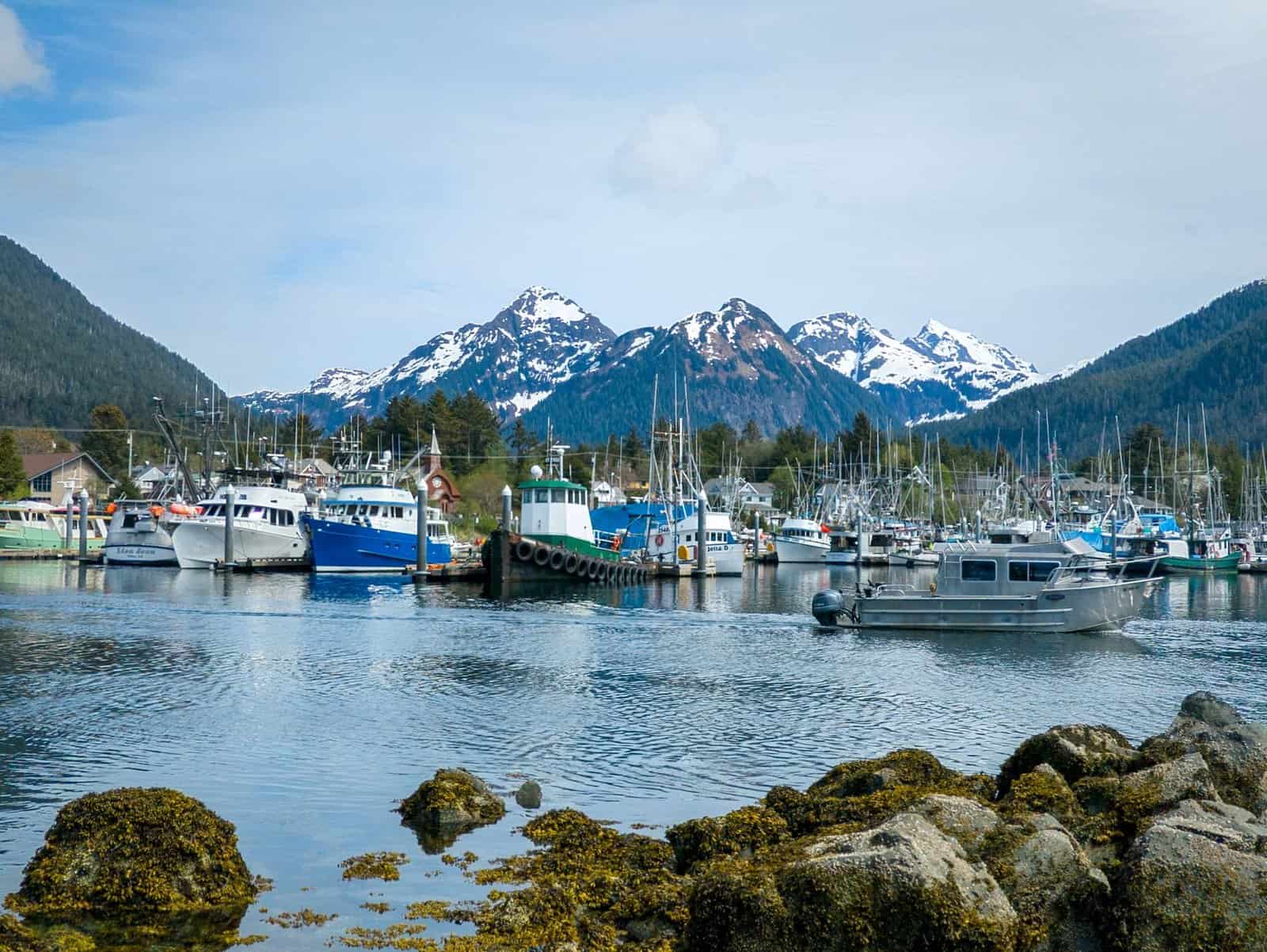
On summer days with several ships in port, Sitka can host thousands of passengers in a few hours, and the downtown streets fill with tour buses and shuttles. When the last ship sails, usually at the end of September, the pace changes. Restaurants that served crowds become locals’ hangouts, and shops that sold souvenirs close for the winter or cut hours. Residents return to a calmer routine, with fishing, school and community events.
For visitors, the change is mostly welcome. Lodging rates fall, and rooms that were booked months ahead become easy to reserve. Trails are quiet. You can walk through the historic park and often meet only a few other people. The trade-off is that some attractions close or reduce their hours, and the weather is less cooperative.
The weather
Sitka sits on the outer coast of Southeast Alaska, in the temperate rainforest, and it receives roughly 85 to 100 inches of precipitation a year. Fall is among the wettest seasons, with frequent rain and wind, and temperatures in October typically range from the 30s to the 50s Fahrenheit. Days shorten quickly, so plan outdoor activities for the middle of the day. Good rain gear, waterproof boots and layers are essential. On clear days, the views of Mount Edgecumbe, a dormant volcano across the sound, are superb.
What Stays Open
Sitka’s main historic and cultural sites are open year-round or most of the year, although hours may be reduced. Check each site before you go.
- Sitka National Historical Park: Run by the National Park Service, the park protects the site of the 1804 Battle of Sitka between the Tlingit and Russian forces. A trail of about a mile winds through forest past totem poles. The visitor center has exhibits and Tlingit artists working in the cultural center.
- Russian Bishop’s House: A restored 1840s building that is part of the park, it offers a look at the Russian colonial period. Tours may be limited in the off-season.
- St. Michael’s Cathedral: The Russian Orthodox cathedral, rebuilt after a 1966 fire, stands in the middle of downtown, and visitors can usually enter during set hours. Check times.
- Sheldon Jackson Museum: A collection of Alaska Native artifacts, on a campus near the water. Hours often shrink in winter.
- Alaska Raptor Center: A rehabilitation center for eagles, owls and other raptors, with a visitor program. It may offer reduced hours after the season, so confirm.
- Sitka Sound Science Center: Includes an aquarium and a hatchery, and is a good rainy-day option.
Alaska Day
On October 18, Sitka celebrates Alaska Day, which marks the 1867 transfer of Alaska from Russia to the United States, with a festival that includes a parade, historical reenactments and events. It is a signature fall occasion, and it draws visitors from around the state. Book early if you plan to attend.
Outdoor Options in Fall
Sitka has trails from easy to demanding. Fall has fewer bugs, fewer people and good chances of seeing wildlife.
- Sitka Cross Trail and the Indian River Trail: Easy to moderate walks through spruce and hemlock forest, with salmon in streams in early fall.
- Mount Verstovia: A steep, strenuous trail that gains elevation quickly and offers views on clear days.
- Harbor Mountain Road: A gravel road to a trailhead with views over the sound.
- Beaches and parks around the town: Good for walking and watching birds.
Humpback whales may stay in the region into November, and some boat operators offer wildlife tours in the fall, though schedules are limited. Brown bears can be present near streams, so carry bear spray, make noise and follow local guidance. The town’s Sitka Whalefest in November celebrates whales with talks and events.
Boats and fishing
Fishing continues for locals, and charter operators offer trips for salmon and halibut into early fall, with fewer options later. Check with the charter office and ask about winter weather.
Getting There and Getting Around
Sitka is on Baranof Island and is reached by air or by ferry. Alaska Airlines operates scheduled flights, typically from Juneau or Seattle, and the Alaska Marine Highway System has ferry service, though schedules are reduced in winter. Weather can cause flight delays, so build extra days into your plan. The downtown core is compact and walkable, and rental cars are available but limited. Taxis and a local bus can help.
Eating and Staying
Restaurants in Sitka serve local seafood, including halibut, salmon, black cod and crab, and a handful of cafes and bakeries stay open year-round. Some places close for a few weeks in the fall or winter, so call ahead. Lodging includes small hotels, bed-and-breakfasts and vacation rentals. Prices in the off-season are often lower than summer rates, but check before you book.
Is Sitka After Cruise Season Right for You?
This season suits travelers who value quiet, culture and weather that matches the setting. It is not for people who want long, sunny days, full tour schedules or guaranteed wildlife. If you are flexible and enjoy rain, you may find Sitka more rewarding after the ships leave.
Packing list
- Waterproof jacket and rain pants
- Waterproof boots
- Warm layers and a hat
- A small daypack with a dry bag
- Bear spray if you plan to hike
- A flashlight or headlamp, for early dark evenings
A Look at Sitka’s History
Sitka’s history explains much of what you see. The Tlingit people have lived in the area for thousands of years, and they call the place Sheet’ká. In 1799, the Russian-American Company established a settlement, which was destroyed by the Tlingit in 1802 and rebuilt by Alexander Baranov in 1804 after the Battle of Sitka. Sitka, then called New Archangel, became the capital of Russian America. In October 1867, the Russian flag was lowered at Castle Hill and the American flag raised, and the town became part of the United States.
The Tlingit presence today
Tlingit culture is visible in the town. The Sitka Tribe of Alaska is an active government, and Tlingit art, language and dance are part of public life. Totem poles stand in the national park, and the Sheet’ka Kwaan Naa Kahidi Community House hosts dance performances in the summer, sometimes with reduced offerings after the cruise season. Visitors can see Alaska Native artists at the park’s cultural center and at local galleries. Treat these places with respect, and ask before taking photographs of people or sacred objects.
Russian traces
The Russian legacy appears in St. Michael’s Cathedral, the Russian Bishop’s House and the Russian cemetery. Castle Hill, where the transfer took place, has a short path and a view of the harbor. The Russian Orthodox church remains active in the town. You might hear bells and see a small number of parishioners at services.
Practical Notes for a Shoulder-Season Trip
October and November are not for everyone, but they can be rewarding with preparation.
- Confirm hours by phone or email. Many attractions publish seasonal hours that shift in October.
- Make a rain plan. Choose a museum, a cafe and a short trail you can do between showers.
- Carry cash for small shops that may not accept cards, though most do.
- Book a rental car early, because the fleet is small, or plan to rely on walking and taxis.
- Check flight schedules, since weather delays are common.
- Consider travel insurance, since cancellations are more likely.
Money and savings
Lodging rates fall in the shoulder season, sometimes by a third or more compared with July, though you should check specific properties. Meals cost about the same year-round, since seafood and groceries are shipped. Tours may be fewer, but private guides often remain available at lower rates. Because there are fewer visitors, you may find more attention from staff and more time to talk.
Daylight and photography
By late October, daylight in Sitka lasts about nine to ten hours, and it shortens to around six in December. Low light gives long shadows and warm tones. Overcast skies can flatten photos, but mist over the mountains and sea can be dramatic. Photographers should bring a rain cover and extra batteries, which drain faster in the cold.
What Locals Do in the Fall
Sitka residents continue their routines. They fish for coho salmon in the rivers, hunt deer, gather firewood and make plans for winter. The community stays connected through the school sports calendar, the Sitka Fine Arts Camp programs, the library and small concerts. The Sitka Music Festival is in June, but smaller performances occur during the year. Visitors can join in the community by attending lectures, trying local food at potlucks if invited and talking with shopkeepers.
Food to try
Look for smoked salmon, halibut fish and chips, reindeer sausage, Alaskan king crab when it is in season, local beer and baked goods. Some cafes serve soup and chowder that suit a rainy day. Ask what is local, because many items are caught or made nearby.
Staying safe
Sitka is a safe town, but the environment demands care. Trails can be slick, streams can flood after heavy rain and bears can be present. Let someone know your hiking plans, carry a map or offline route and turn back if conditions worsen. If you drive on the few roads, watch for deer, especially at dusk. Have a plan for health care, since the local hospital is small and serious cases may be flown to larger cities.
The Takeaway
Sitka after cruise season is quieter, cheaper and wetter. The big sites remain open, though hours may shrink, and the town feels like the community it is. Visit the historical park, the cathedral and the raptor center, hike on a dry day and consider timing your trip around Alaska Day. Check hours, expect rain and enjoy the calm.