8 Mistakes Visitors Make on Oahu’s North Shore During Big-Wave Season
We may earn money or products from the companies mentioned in this post. This means if you click on the link and purchase the item, I will receive a small commission at no extra cost to you ... you're just helping re-supply our family's travel fund.
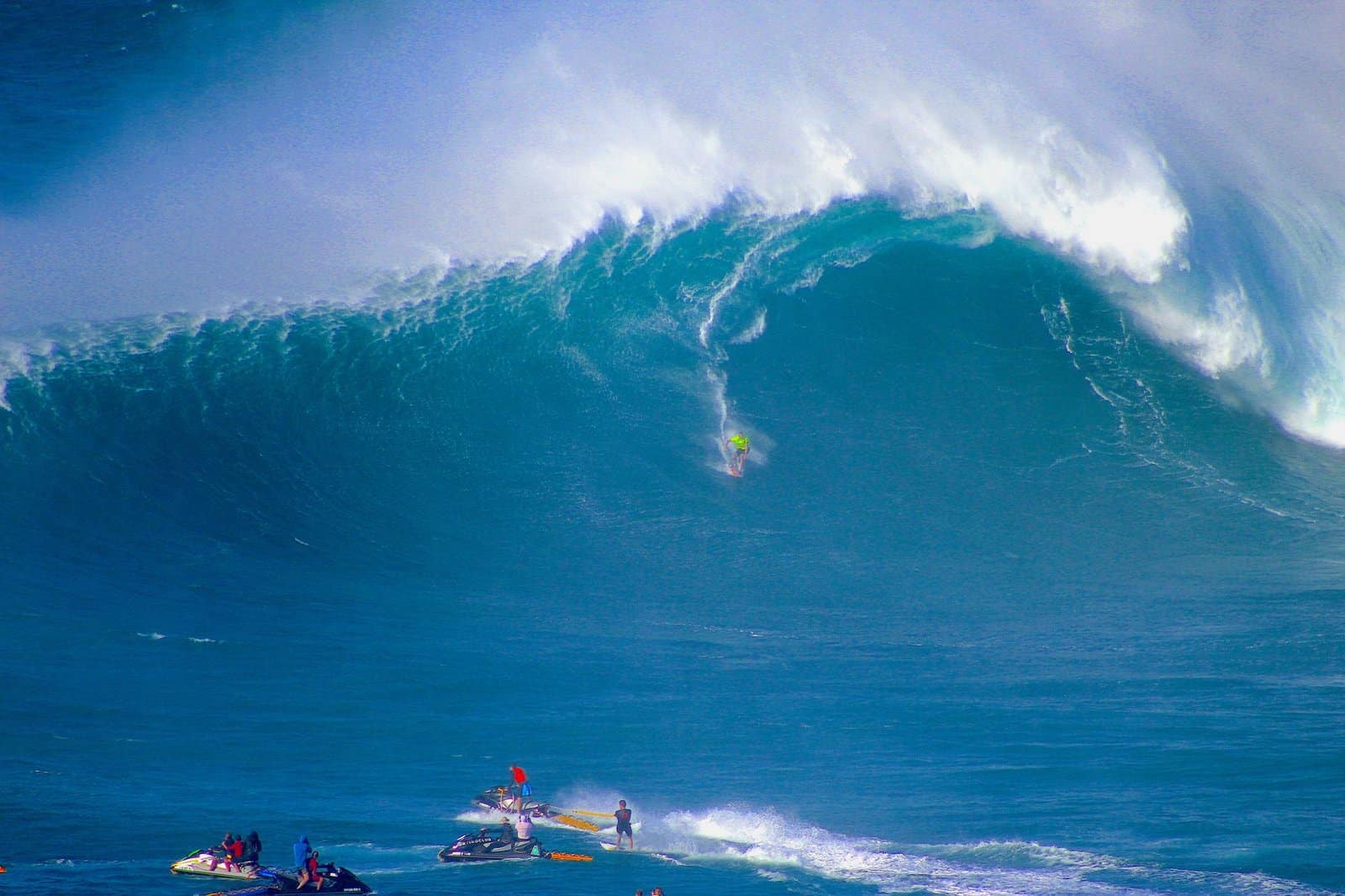
In summer, the beaches along Oahu’s North Shore can look like a swimming pool. In winter, the same water turns into some of the most powerful surf on Earth. The Oahu North Shore winter season, roughly November through February, draws the world’s best surfers and huge crowds of spectators, and it catches a lot of visitors off guard.
The stretch of coast between Haleiwa and Sunset Beach, along Kamehameha Highway, includes famous breaks like Waimea Bay, Banzai Pipeline at Ehukai Beach, and Sunset Beach. When a big north swell arrives, waves can reach faces of 20 to 40 feet or more at outer reefs and Waimea Bay. The Hawaii Department of Land and Natural Resources and county lifeguards warn every year that visitors underestimate these conditions.
Watching big-wave season is one of the great free spectacles in Hawaii. Doing it well means avoiding a handful of common mistakes. Here are eight of them.
8 Oahu North Shore Winter Mistakes to Avoid
1. Treating Winter Beaches Like Summer Beaches
Summer photos of Waimea Bay show families floating on calm turquoise water and kids jumping off the big rock. In winter, that same bay can produce waves big enough to host a big-wave contest. Shark’s Cove, a popular summer snorkel spot, becomes dangerous when surf wraps into the tide pools.
The ocean on the North Shore changes from day to day. Check the surf forecast and posted warning signs before you go in. On big days, the best place for you is on the sand, well back from the water’s edge.
2. Standing Too Close on the Rocks
Some of the most dramatic viewing spots are lava rock points, like the outcrops at the edges of Waimea Bay. Those are also the places where people get knocked down and dragged by surges. Big sets arrive in groups, and the largest waves can wash far beyond where the previous ones reached.
Stay well back from wet rocks, never turn your back on the ocean, and keep children close. If the rocks are wet, the waves have been there recently.
3. Ignoring the Lifeguards
City and County of Honolulu Ocean Safety lifeguards staff towers at major North Shore beaches. They know the currents, the rip channels, and the shore break. When they close a beach or post signs, they mean it. On the biggest days, they may warn people off the sand entirely at some spots.
Ask a lifeguard where it is safe to swim, if anywhere. Swim only near a staffed tower, and never swim alone. If you do not know whether you should go in, you shouldn’t.
4. Parking Illegally on Kamehameha Highway
Parking near famous breaks is limited, and on a big swell day it fills by early morning. Visitors often park on the shoulder of Kamehameha Highway in tow-away zones, block driveways, or stop in traffic to take photos. That creates dangerous conditions on a narrow two-lane road and annoys residents who live there year-round.
Arrive early, use designated lots, and be prepared to walk. If a lot is full, keep driving and come back later. Tickets and towing are common on the North Shore on contest days.
5. Crowding the Sea Turtles
Laniakea Beach, sometimes called Turtle Beach, is famous for Hawaiian green sea turtles that haul out on the sand. Green sea turtles are protected under federal and state law. NOAA guidelines recommend staying at least 10 feet away from sea turtles on land and in the water.
Volunteers often set up rope lines around turtles. Stay behind them, do not touch or feed the turtles, and do not use a flash. Laniakea is also notorious for traffic jams, because it sits right on the highway, so park legally and cross the road carefully.
6. Assuming Every Contest Will Run on Schedule
Winter brings major professional surf events to the North Shore, including contests at Haleiwa, Sunset Beach, and the Pipeline. The Eddie Aikau Big Wave Invitational at Waimea Bay is the most famous of all, but it runs only when waves reach a very high threshold, and in many years it does not run at all.
Contests use waiting periods and call days based on surf. Do not book a trip around one specific day. Follow event websites and social media for calls, and know that you can watch top surfers free at Pipeline or Sunset on many big days, contest or not.
7. Underestimating Traffic
Kamehameha Highway is the only main road along the North Shore, and it is two lanes for much of its length. On big swell weekends and holidays, the drive from Haleiwa to Sunset Beach, only about 7 miles, can crawl. From Waikiki, the North Shore is roughly an hour’s drive in good conditions and much longer when everyone has the same idea.
- Leave Honolulu early in the morning.
- Pick one or two beaches rather than trying to see every break.
- Avoid stopping in traffic for photos.
- Head back before the afternoon rush.
8. Missing the Food Between the Waves
The North Shore’s food scene is part of the experience. Haleiwa town has shave ice stands, including Matsumoto Shave Ice, which has been in business since the 1950s, plus cafes, food trucks, and acai bowl shops. Kahuku, to the east, is famous for garlic shrimp trucks that serve plates of shrimp in butter and garlic over rice. Ted’s Bakery near Sunset Beach is known for chocolate haupia pie.
Plan your day around a long lunch. Watching waves burns more time than you expect, and the food stops are a natural break from the sun.
How to Read a Surf Forecast
You do not need to be a surfer to use a surf forecast, and it will make your trip far better. Forecast sites and the National Weather Service list swell height, swell period, and direction.
- Height: the number most people look at. Bigger numbers mean bigger waves, but face heights on the North Shore can be much larger than the listed swell height.
- Period: the time between waves, in seconds. Long-period swells, around 15 seconds or more, carry more power and produce the biggest surf at Waimea and Pipeline.
- Direction: the North Shore lights up with swells from the northwest and north. A south swell does little here.
- Wind: light or offshore winds produce clean waves. Strong onshore winds make the surf choppy and messy.
When you see a large, long-period northwest swell with light winds in the forecast, that is the day to drive out early.
Where to Stay on the North Shore
Lodging is limited. Honolulu tightly restricts short-term vacation rentals outside resort-zoned areas, and the rules have changed in recent years, so many listings you find online may not be legal. Turtle Bay Resort near Kahuku is the main resort on the North Shore, and a few legal rentals and small properties exist. Many visitors simply stay in Waikiki and make a day trip, which is easy if you leave early.
When the Biggest Waves Arrive
North Shore surf season runs roughly November through February, with big swells arriving from storms in the North Pacific. Swells come in pulses lasting a day or two, followed by smaller days. The biggest days are unpredictable more than a few days out.
Follow surf forecasts and the National Weather Service in Honolulu, which issues high surf advisories and warnings. A high surf warning is the signal for spectacular viewing and for staying out of the water.
What to Do on a Small-Surf Day
Swells come and go, and some days in winter are surprisingly calm. Use those days for the rest of the North Shore.
- Walk around Haleiwa town, with surf shops, galleries, and the historic Anahulu Stream bridge.
- Hike to the Kaena Point area from the Mokuleia side, where Laysan albatross nest in winter inside a protected reserve.
- Visit Waimea Valley, a botanical garden and cultural site with a paved path to a waterfall.
- Tour a working farm or stop at roadside fruit stands near Kahuku.
- Watch for humpback whales offshore, which arrive in Hawaiian waters in winter.
Respecting the Neighborhood
The North Shore is a residential community of small towns, farms, and surf families, not a resort strip. Many residents feel winter crowds strain their roads and beaches. Pack out your trash, keep noise down near homes, buy from local businesses, and slow down on Kamehameha Highway where kids and dogs cross. Courtesy goes a long way toward keeping the welcome warm.
Where to Watch Safely
- Waimea Bay: a large beach park with a wide sandy viewing area and limited parking.
- Ehukai Beach Park: a short walk to the sand in front of the Banzai Pipeline, where the waves break close to shore.
- Sunset Beach: wide sand and long views of big, shifting surf.
- Haleiwa Alii Beach Park: a good spot to watch contests and grab food in town.
Bring water, sunscreen, a hat, and something to sit on. Watching big surf is free, but the shade is not.
The Bottom Line
The Oahu North Shore winter season is a gift for spectators, but the ocean sets the rules. Stay on the sand when the surf is big, park legally, give turtles their space, and treat contest dates as possibilities. Do that and you will see some of the biggest waves on the planet without becoming one of the season’s rescue stories.