We may earn money or products from the companies mentioned in this post. This means if you click on the link and purchase the item, I will receive a small commission at no extra cost to you ... you're just helping re-supply our family's travel fund.
Flights from the U.S. to Europe do not move in a straight line. Some fare trackers showed softer pricing in parts of 2025, but the cost pressure rebuilt heading into 2026. Fuel spiked, airlines stayed short on aircraft, European climate rules got more expensive, and governments added or raised taxes that eventually flow into tickets. What once felt like a seasonal splurge is starting to look more structural. The pain is not coming from one dramatic cause. It is coming from several cost layers landing on the same fare at once.
Jet Fuel Became A Bigger Problem Again
Long-haul tickets get hit hard when fuel jumps, because Europe routes burn a lot more of it than short domestic hops. AP reported that U.S. jet fuel climbed to $3.99 per gallon from $2.50 in the two weeks after the war-linked supply shock began, and experts said fare increases were a matter of when, not if. Reuters then reported that Air France-KLM would raise long-haul economy fares by about 50 euros round-trip, while other carriers also warned that higher fuel costs were forcing price moves. That kind of cost does not stay parked on an airline spreadsheet for long.
Airspace Disruptions Make Flights Cost More To Operate

Even before the newest Middle East disruptions, airlines were already flying through a more complicated map than they used to. Reuters reported that tightening airspace in the Middle East forced rerouting and schedule changes, while European carriers were still dealing with the longer operating patterns created by the war in Ukraine and the avoidance of Russian airspace. Longer routings mean more fuel burn, more crew-time pressure, and less flexibility when networks get crowded. A ticket does not have to say rerouting fee for travelers to end up paying for it anyway.
Airlines Still Do Not Have Enough Aircraft
One of the least glamorous reasons for expensive airfare is also one of the most powerful: airlines cannot grow seats as fast as they want to. IATA says aviation’s supply chain remains under intense pressure, with aircraft deliveries in 2024 about 30% below pre-COVID peaks, a record backlog of 17,000 jets, and engine issues grounding hundreds of aircraft. It also says demand is expected to outstrip the availability of aircraft and engines for years. When supply stays tight and planes arrive late, cheap fares become harder to keep in the market.
Strong International Demand Gives Airlines Pricing Power
Airlines raise prices more easily when planes are already filling up. IATA said international demand grew 7.1% in 2025, while OAG said outbound international markets remained strong, with Europe standing out even as parts of the domestic U.S. market softened. Reuters also reported that U.S. airlines were leaning on strong passenger traffic and limited seat growth to absorb higher fares. That matters because airfare is not set by cost alone. It is set by what carriers think the market will tolerate, and Europe remains one of the long-haul markets they still trust to spend.
Airlines Are Prioritizing Premium Revenue Over Cheap Seats
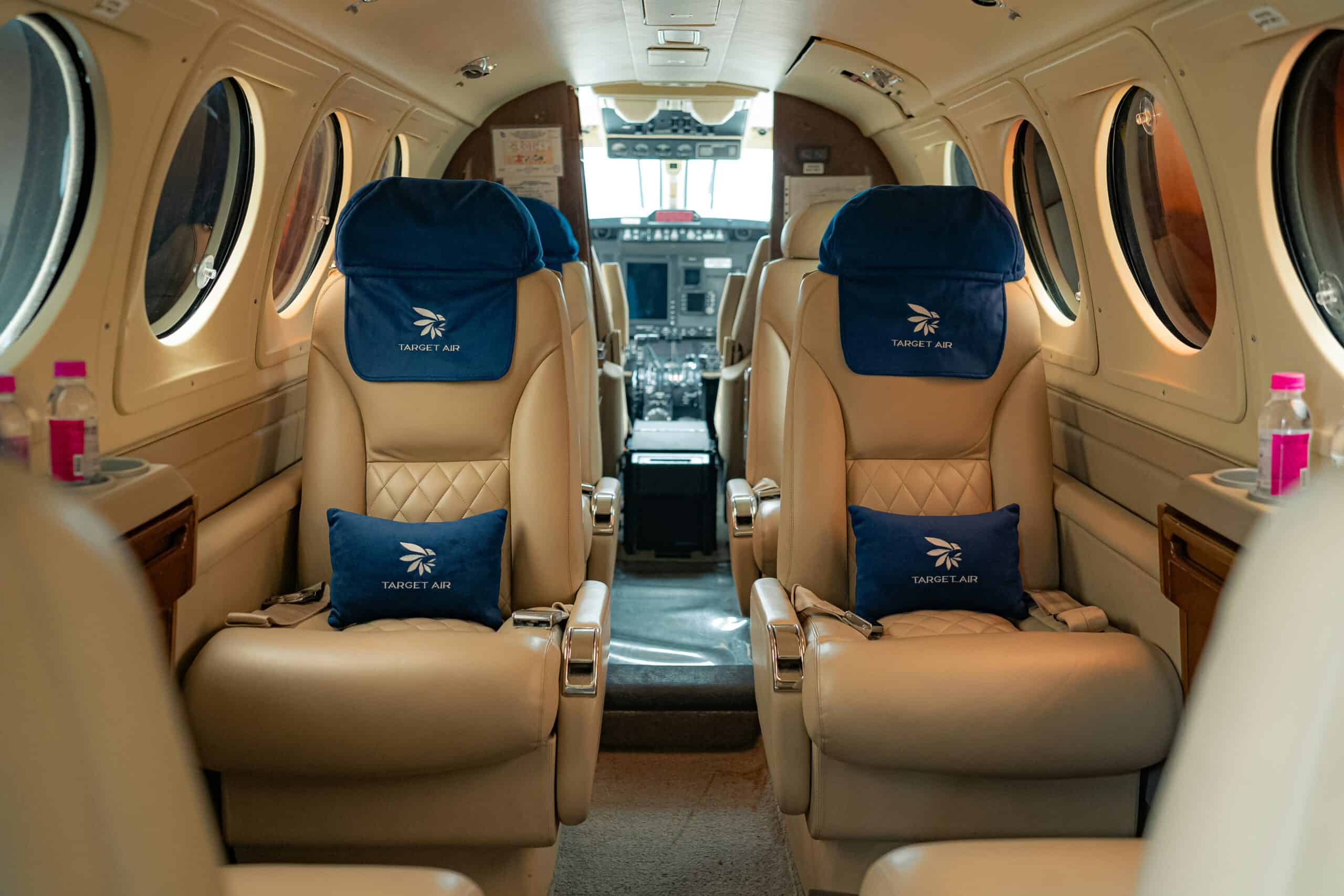
The seat map has changed, and so has the logic behind pricing. Reuters reported that Delta expects 2026 growth to be driven mainly by higher-income and corporate travelers, while a separate Reuters report said premium-seat growth has outpaced main-cabin sales growth since 2019 as airlines push higher-end travel as a profit differentiator. What that means in practice is simple: carriers are putting more energy into selling expensive cabins and branded fare bundles, not into flooding transatlantic routes with bargain inventory. When the revenue strategy shifts upward, the floor under economy fares tends to rise with it.
Europe’s New Sustainable Fuel Rules Carry Real Costs
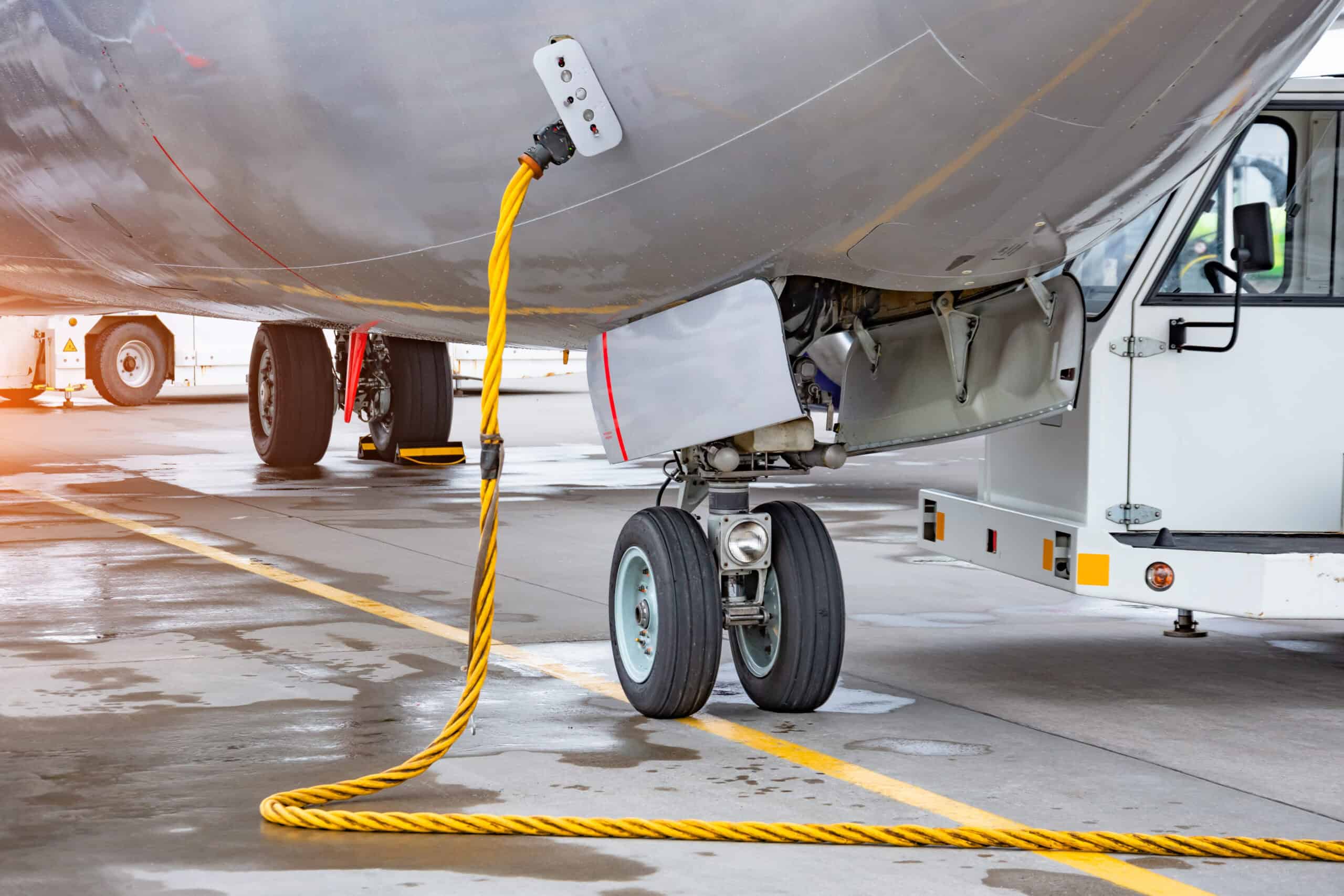
The climate bill is no longer theoretical. Under ReFuelEU Aviation, fuel suppliers at covered EU airports must now supply a minimum 2% share of sustainable aviation fuel starting in 2025, and that share rises over time. Sustainable aviation fuel is central to decarbonization, but it is also more expensive than conventional jet fuel, which means airlines and fuel suppliers are absorbing a transition cost that was not built into the old cheap-flight era. For routes from the U.S. into Europe, that policy shift becomes part of the operating environment the moment the plane lands and prepares to depart again.