Why Canadians Are Avoiding the U.S. (And It’s Not Just About the Prices)
We may earn money or products from the companies mentioned in this post. This means if you click on the link and purchase the item, I will receive a small commission at no extra cost to you ... you're just helping re-supply our family's travel fund.
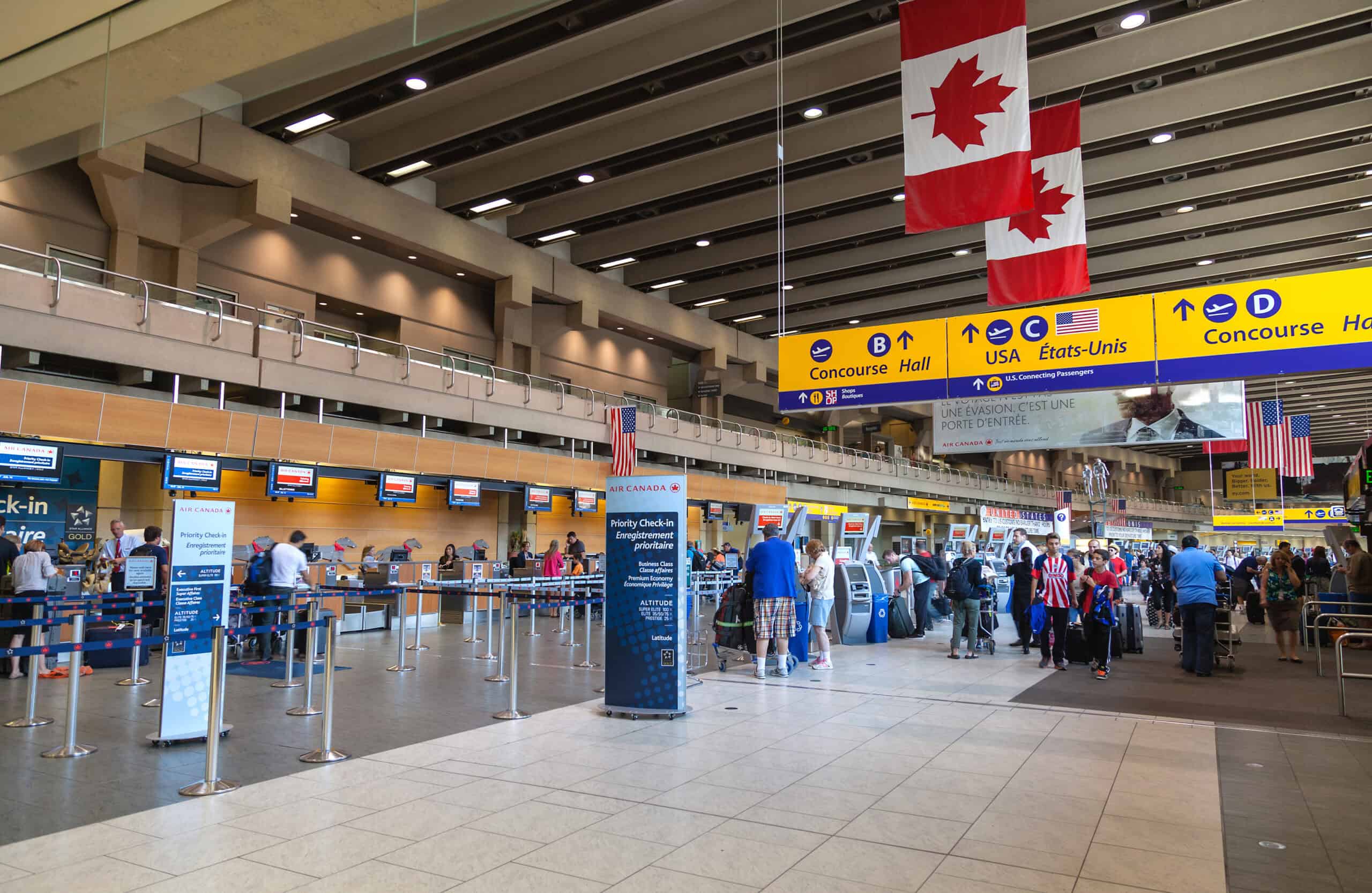
For generations, trips across the border felt like a casual extension of Canadian life, a quick drive to outlet malls or a getaway in a familiar city. Recently, that rhythm has shifted. Surveys now show fewer Canadians see the United States as a natural default for vacations or shopping runs. Concerns about politics, safety, money, and basic comfort are reshaping habits. Behind the headlines about tariffs and boycotts sits a quieter story about trust, identity, and where people feel genuinely at ease.
Cross-Border Trips Falling Fast
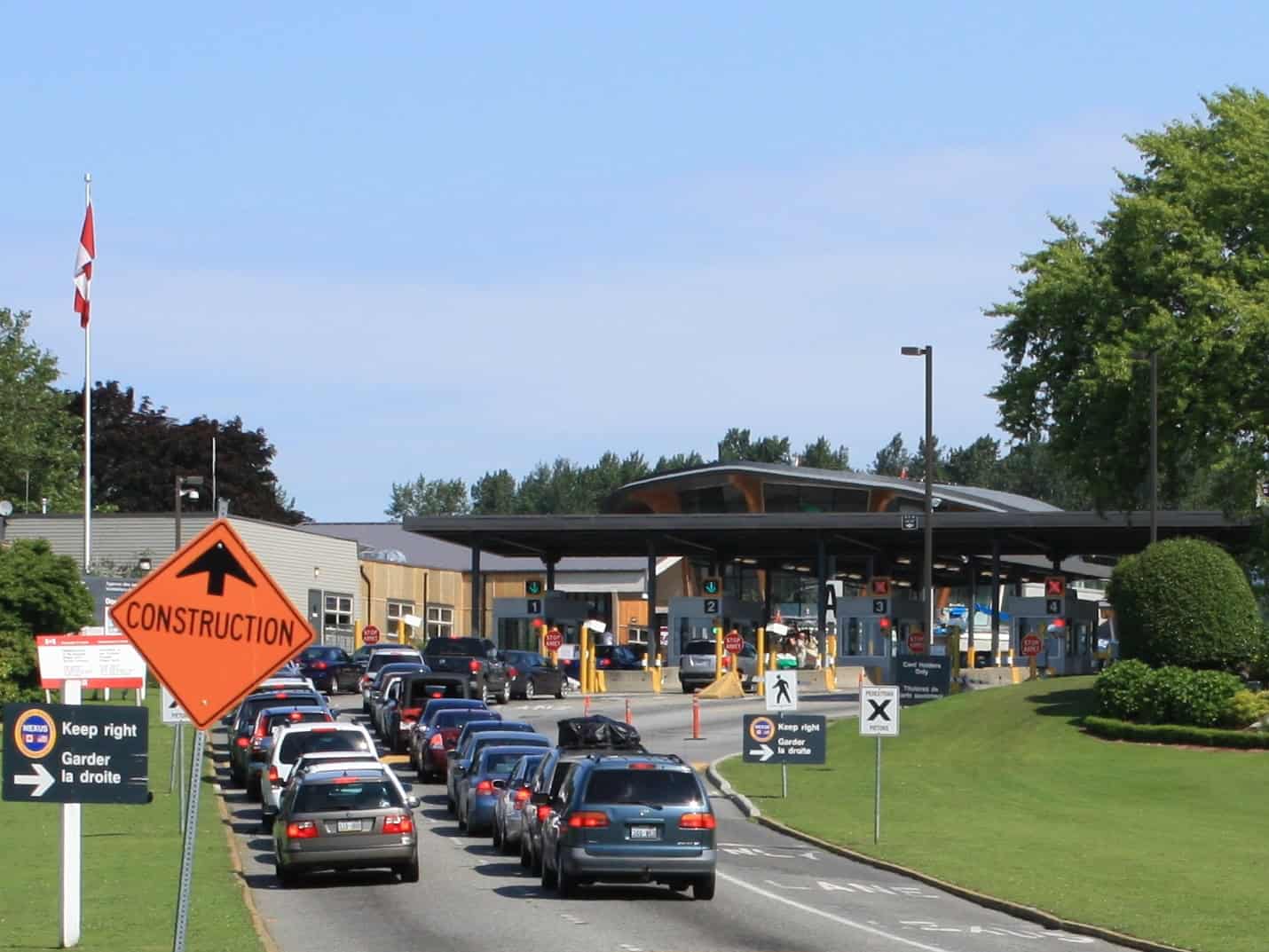
Border traffic tells the story before anyone says a word. Recent data shows a clear drop in Canadian visits by car and air, with some months slipping dramatically compared with just a year ago. Weekend runs for hockey games, cheap gas, or outlet hauls happen less often, and many families now skip automatic renewals of old traditions. The pattern suggests less of a brief mood swing and more of a reset in how often the United States feels worth the effort.
Politics And Rhetoric Wearing Thin
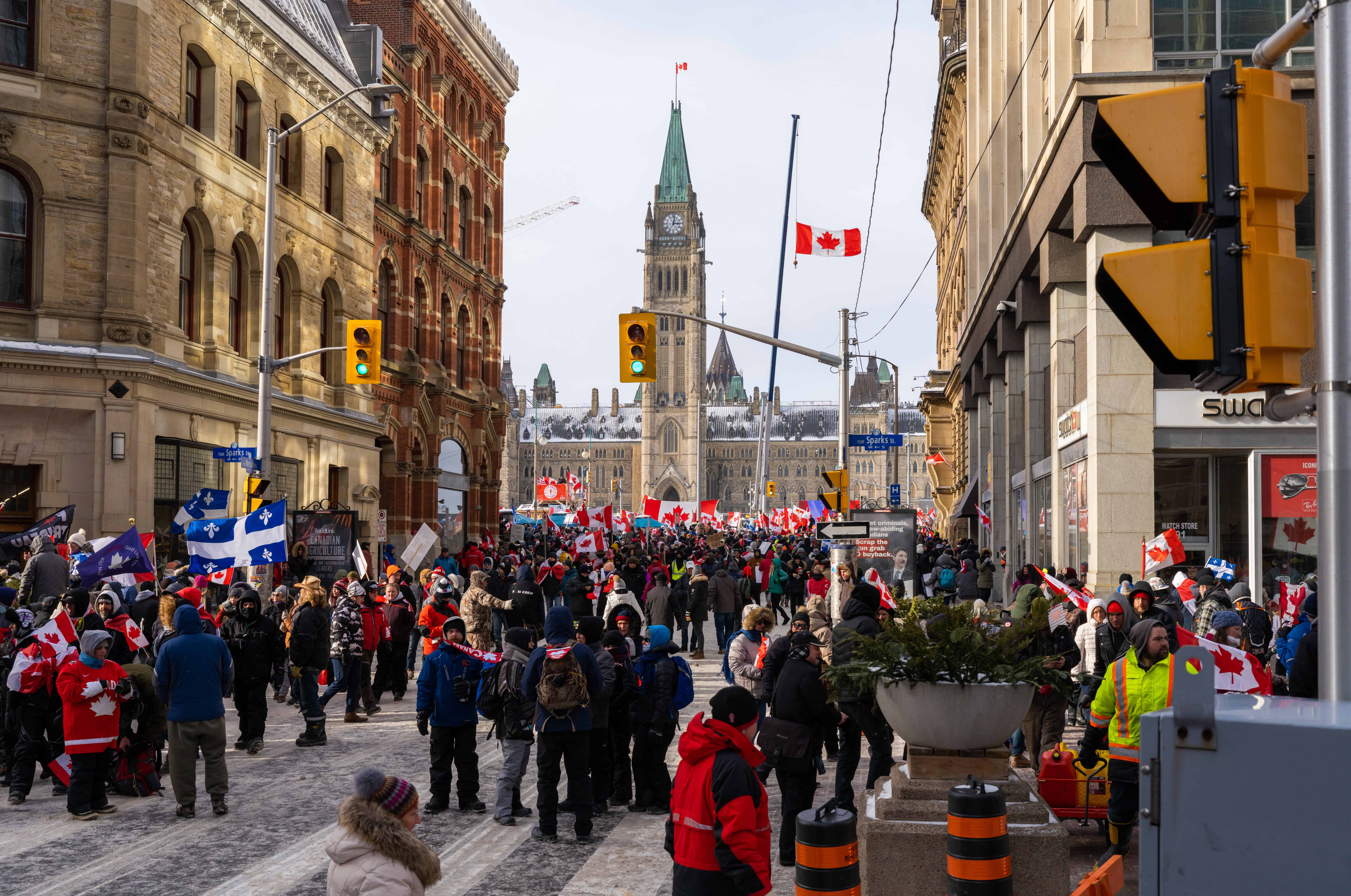
Political noise used to feel like background chatter that did not touch a casual shopping trip. That has changed. Remarks about allies, trade fights, and even talk of absorbing Canada have left a mark that is hard to shrug off. Many Canadians now feel that spending vacation money in the United States carries a small moral weight. Choosing other destinations becomes a way to protect a sense of respect, without needing slogans or boycotts to explain the choice.
Safety Fears Fueled By Headlines

News from the south increasingly arrives in the form of emergency alerts and shaky phone videos. Stories about mass shootings, tense protests, and street violence create a steady drip of unease. Even if the real risk to a short term visitor stays relatively low, people do not run the math in a spreadsheet. They picture kids in a crowded mall or stadium and decide that peace of mind is easier to find in places that rarely lead the evening broadcast.
Health Care Anxiety In The Background

One of the quietest but strongest concerns is what happens if something goes wrong. Canadians who rely on public health care at home listen closely to tales of high deductibles, ambulance fees, and surprise invoices. Travel insurance for the United States is often pricier than for many other destinations, and the fine print rarely feels comforting. Every hike, highway drive, or hotel slip carries a faint financial echo, turning a simple trip into a calculation about medical risk.
Prices And The Weak Canadian Dollar

Money does not explain everything, but it sets the stage. A softer Canadian dollar buys less in American restaurants, hotels, and shops than it did in earlier decades. Those once legendary cross border shopping sprees, with trunks stuffed full of bargains, are harder to pull off. By the time fuel, fees, and exchange rates are tallied, a couple of nights in a U.S. city can rival the cost of a longer stay somewhere else that feels more exciting or relaxing.
Border Friction And Detention Worries

The actual crossing has become a point of tension on its own. Stories circulate about long interviews, secondary inspections, and searches of phones or laptops that feel deeply personal. Even travelers who have never had a rough experience often know someone who has, and those stories stick. When vacation time is scarce, the idea of starting or ending it in a fluorescent room with an anxious wait makes other routes and destinations look much more appealing.
Tariffs And A Growing Boycott Mood

Trade fights rarely stay abstract once they are linked to daily life. Tariffs on Canadian products and sharp remarks about turning Canada into another state have stirred more emotion than earlier policy disputes. Some Canadians respond in a quiet, practical way. They keep their wallets closed across the border and spend inside Canada or overseas instead. It is not always loud or organized, but the mood has shifted toward a sense of protecting national pride with everyday choices.
Staying Home To Support Local Destinations
As frustration with U.S. politics and policy has risen, Canadian regions have stepped forward with a stronger pitch. Provinces market lakes, coastal drives, wine country, and festivals as direct alternatives to American city breaks. Families frame the decision as both escape and investment, trading a road trip south for a cabin, a rail journey, or a downtown stay in another Canadian city. Those trips build new traditions that feel rooted in local landscapes and stories.