We may earn money or products from the companies mentioned in this post. This means if you click on the link and purchase the item, I will receive a small commission at no extra cost to you ... you're just helping re-supply our family's travel fund.
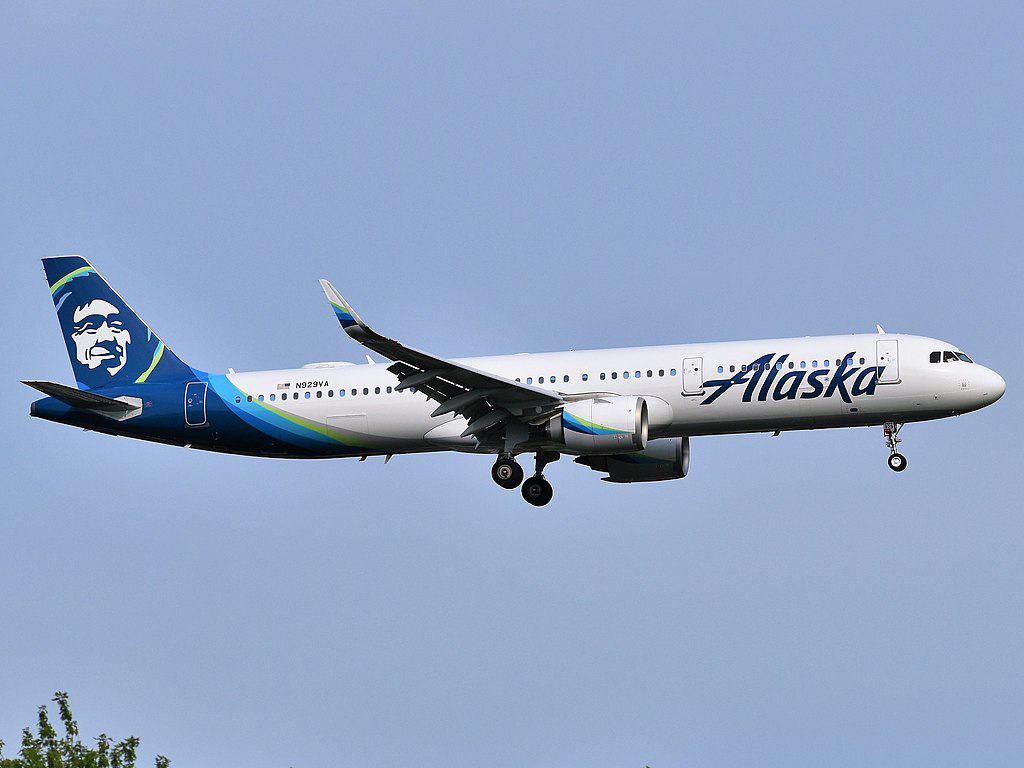
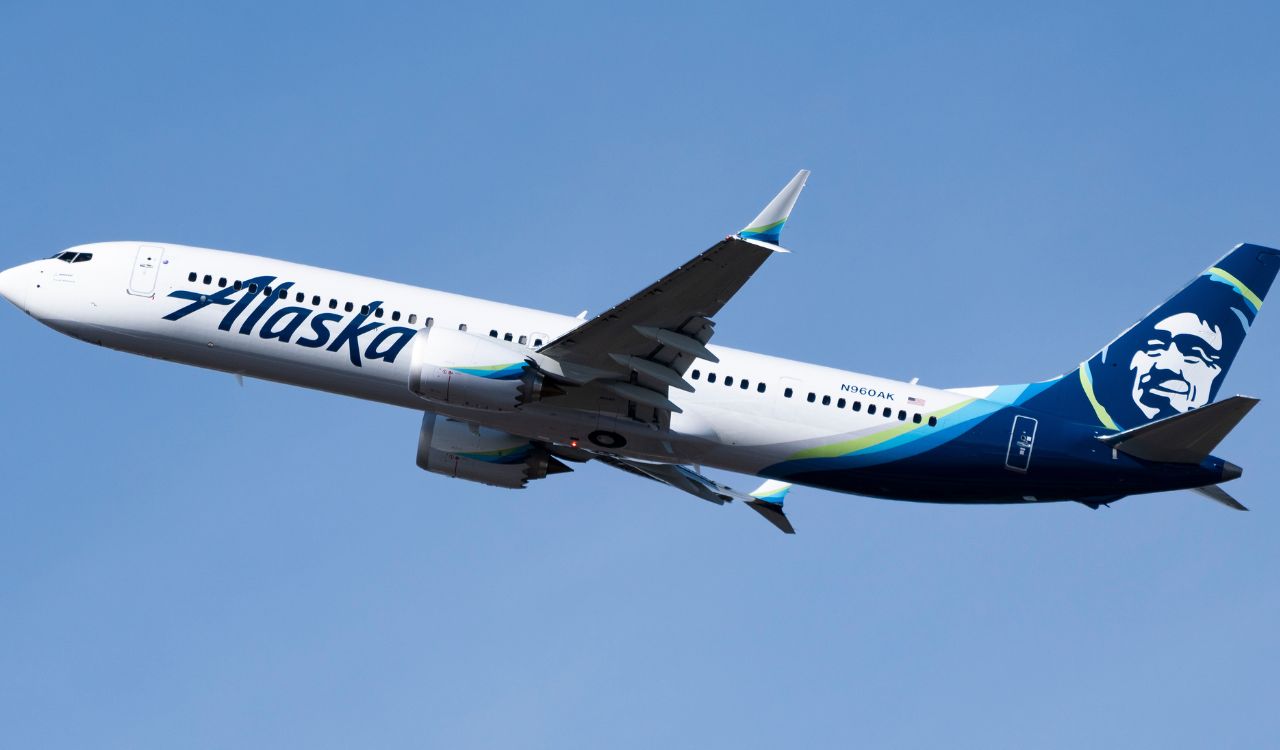
Air travel can feel seamless until it suddenly isn’t. In a recent incident involving Alaska Airlines, a confirmed first-class traveler was reassigned to economy just before departure on a long international route. The decision sparked frustration and debate, especially given the flight’s nearly eight-hour duration. Below is a detailed breakdown of what happened, why it occurred, and what it reveals about airline operations and passenger rights.
1. The Route, The Upgrade, and The Sudden Change
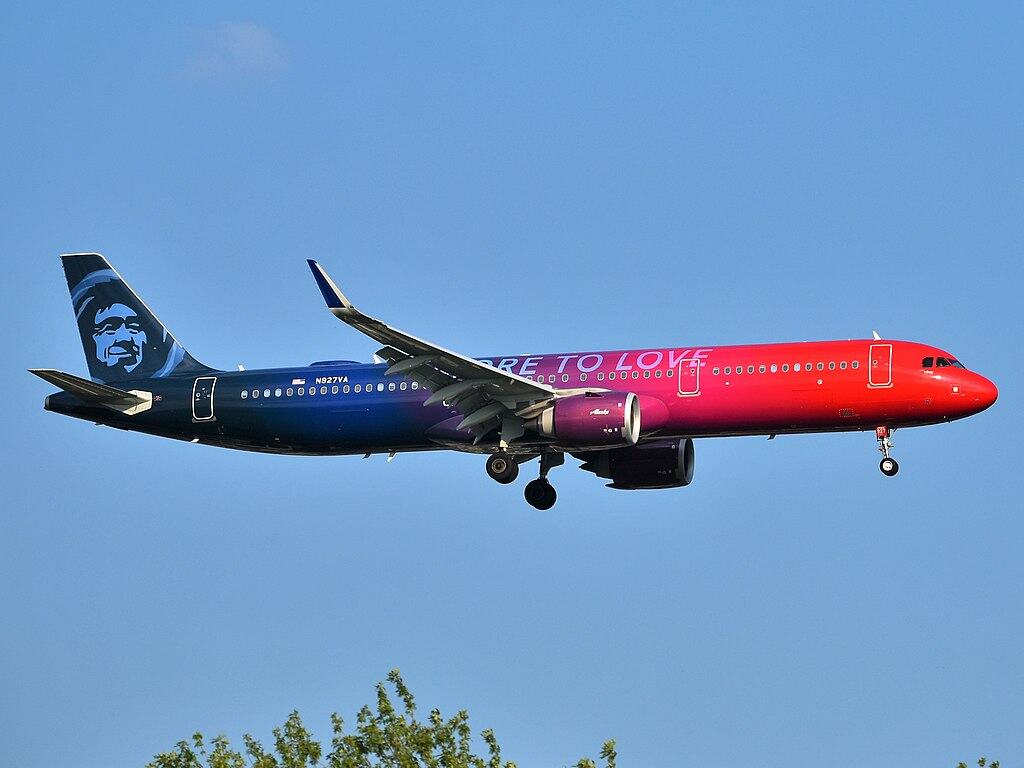
The passenger had purchased a confirmed first-class ticket on an approximately 7 hour and 50 minute flight from Liberia, Costa Rica to Seattle, Washington. First class on this route typically includes wider seats, priority boarding, complimentary premium meals, and 2 free checked bags. However, moments before boarding closed, the traveler was informed at the gate that the seat assignment had changed. Despite holding a paid premium fare, the passenger was reassigned to standard economy, losing the enhanced legroom and service expected for a long-haul journey of nearly 4,000 miles.
2. The Operational Reason Behind the Downgrade
The key reason was the transportation of “deadheading” pilots, crew members traveling as passengers to operate another flight segment. Airlines must legally position pilots to maintain schedules and avoid cancellations. On this nearly full international flight, 2 pilots required first-class seats due to contractual rest and cabin placement rules. With no empty premium seats available, the airline reassigned a paying customer instead. Though frustrating, such operational moves are permitted under airline carriage contracts when crew logistics directly affect flight continuity and safety compliance.
3. Why Crew Positioning Can Override Paid Seats
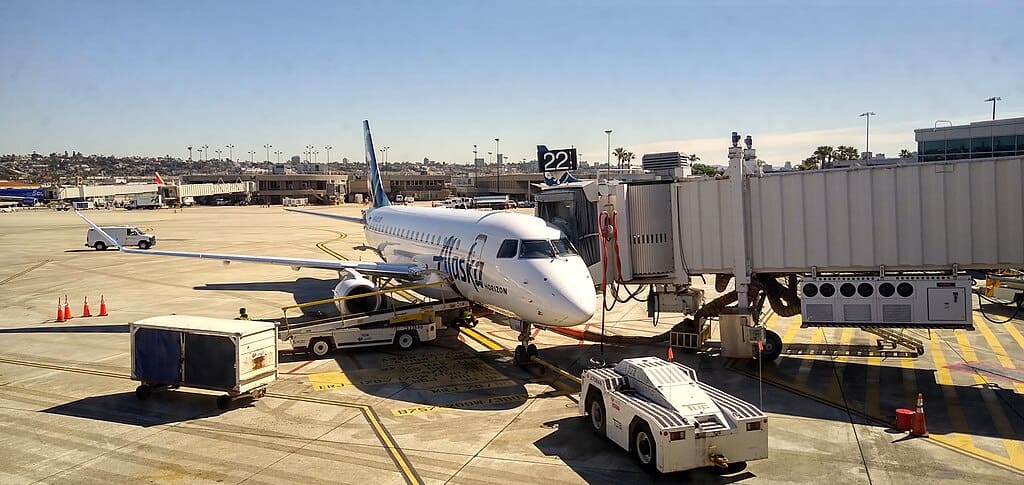
Airlines operate under strict federal duty-time regulations. If a pilot exceeds maximum working hours, often capped near 8 to 9 flying hours internationally, the airline may face delays or cancellations affecting hundreds of passengers. By ensuring pilots arrive rested and positioned correctly, carriers protect future departures that may carry 150 to 180 travelers per aircraft. While first-class cabins often have only 12 to 16 seats, operational priority can outweigh individual bookings when broader scheduling risks are involved. In rare cases, premium customers are displaced to maintain system-wide reliability.
4. Compensation and Customer Impact
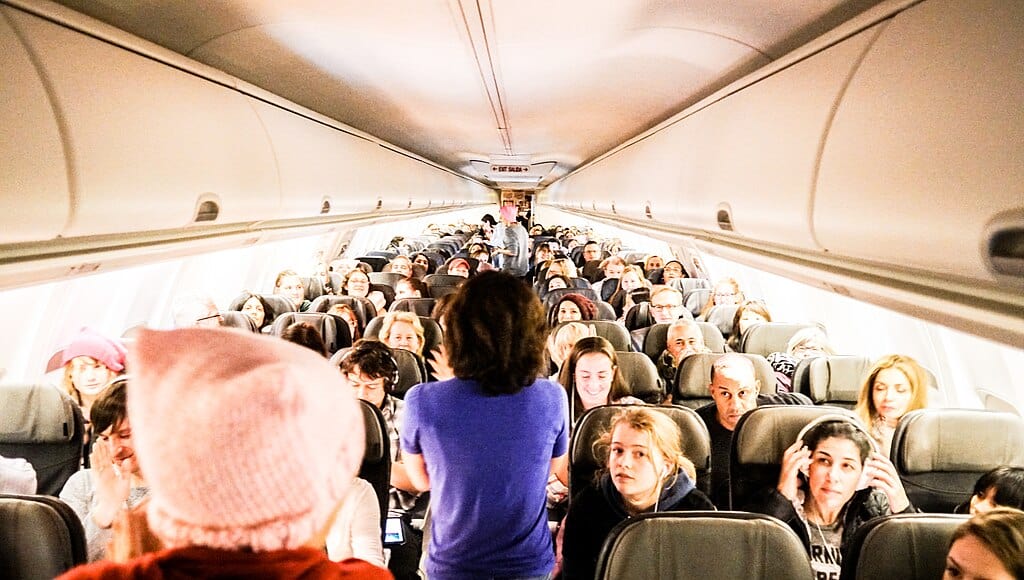
When a passenger is downgraded from first class to economy, airlines generally refund the fare difference between cabins. On long routes like this one, that gap can range from $400 to over $1,000 depending on booking class. However, compensation beyond the refund varies. The traveler reportedly lost access to priority services, upgraded dining, and additional baggage benefits. For an eight-hour flight, reduced seat pitch often 31 inches in economy versus 40+ inches in first class can significantly affect comfort. Even when policies are followed, the experience often feels deeply unfair to customers.
5. How Common Is This Scenario?
Involuntary downgrades in premium cabins are uncommon but not unheard of. Industry data suggests denied boarding events occur in fewer than 0.5% of U.S. flights annually, though most involve oversold economy seats rather than first class. Crew-related seat reassignment happens far less frequently but becomes more likely on full flights during peak travel seasons. International departures are especially sensitive because replacement crews may be limited. While airlines strive to avoid such incidents, operational disruptions, weather delays, or crew misalignments can increase the likelihood of last-minute seating changes.
6. What Travelers Should Know Before Flying
Passengers should review the airline’s contract of carriage before travel, as it outlines seating reassignment rights and compensation rules. Even paid first-class tickets do not guarantee absolute cabin placement if operational necessity arises. Booking earlier, choosing flights with multiple daily frequencies, and maintaining elite loyalty status may reduce risk. Travelers can also request written confirmation of compensation at the gate. Although rare, situations like this highlight a central truth of aviation: safety and scheduling logistics involving crew positioning can sometimes override premium comfort expectations.