We Found Kyoto’s Most Romantic Hidden Spot (And No, It’s Not the Bamboo Forest)
We may earn money or products from the companies mentioned in this post. This means if you click on the link and purchase the item, I will receive a small commission at no extra cost to you ... you're just helping re-supply our family's travel fund.
For the most intimate romantic Kyoto experience, trade the crowded bamboo path for a dusk walk through Gion’s quieter lanes, or take a traditional rickshaw through hidden streets. The best choice gives you space to talk, notice the light, and enjoy the city together without rushing.
Arashiyama’s bamboo grove still makes a striking daytime stop, but its busiest stretch can feel far removed from a private date. Gion offers another pace, with lantern-lit lanes and the chance to share a local story, a cup of tea, or a gentle ride.
Key Takeaways
- Choose a Gion dusk walk for a slower evening on foot.
- Try a traditional rickshaw ride if you would rather sit close and see more lanes.
- Visit Arashiyama’s bamboo path as one scenic stop, not the full date.
- Consider a tea ceremony or kimono walk for a shared cultural activity.
- Leave open time for a quiet pause beside the water.
Kyoto can suit both a full day of sightseeing and a short, meaningful evening. This post offers practical ideas for couples who want the shared moment to matter as much as the destination.
Choose the evening that suits the two of you best: a story-rich walk or a gentle ride.
Why the Bamboo Forest Can Feel Less Romantic Than Expected
The bamboo path is beautiful, but its busiest stretch can feel more like a selfie-stick forest than a private stroll. Even striking scenery may not feel intimate when couples have little room to pause or talk.
The end-to-end walk takes about 10-15 minutes, so the bamboo grove is a brief experience rather than a long escape. Crowd levels can change the mood in far less time than the scenery does.
| What you’re measuring | Time | What the spot looked like |
|---|---|---|
| End-to-end path walk | About 10-15 minutes | A short scenic walk |
| Weekday photo | 7:40 a.m. | Two people at the spot |
| Same spot later | Two hours afterward | Forty people at the spot |
A weekday morning photo captured two people at one spot at 7:40 a.m. Two hours later, forty people stood in that same place. That sharp shift helps explain why couples can find the arashiyama bamboo less peaceful than expected.
The bamboo grove remains a memorable sight, and its tall green stalks create a rare sense of scale. Yet a romantic atmosphere needs more than a beautiful view; it also needs time to settle into the moment.
When the path is packed, pause for the scenery without expecting a private stroll.
For couples who want an unhurried experience, the difference between a quick photo stop and a slow walk matters. Treat the grove as a short scenic stop rather than the whole romantic plan.
When to Visit Arashiyama for a Quieter Walk
For a quieter bamboo walk, aim for a weekday morning and arrive by 8:30. Early hours give couples a better chance to enjoy the path before more visitors arrive.
Tuesday through Thursday are the quietest days described for visiting Arashiyama’s bamboo grove. A Kyoto couples’ activity guide also suggests going just after sunrise.
Use these timing choices to plan your visit:
- Go just after sunrise for the earliest start.
- Arrive by 8:30 a.m. to get ahead of later crowds.
- Choose Tuesday through Thursday for the quietest days described.
These choices can help you avoid the busiest periods, but they cannot promise an empty path. Weather, holidays, and other visitors still shape the experience on any given day.
Arriving early also gives you more room to enjoy the wider Arashiyama area afterward. You can keep the morning relaxed instead of making one short path carry the whole day.
Think of the time as a practical crowd-avoidance plan, not a guarantee of solitude. A calm start can still make the rest of the visit feel easier.
Keep the rest of the morning flexible for the wider Arashiyama area.
Why a Romantic Kyoto Experience Is Better in Gion at Dusk
Gion gives couples a more personal way to encounter Kyoto’s traditions than trying to find a quiet moment in the city’s most photographed grove. At dusk, narrow lanes and hidden alleys make the walk feel slower and more connected.
A guided evening walk brings local history into the streets as you explore them. An English-speaking guide explains geisha history and traditions while leading guests through Gion’s lanes.
A maiko is an apprentice geisha in Kyoto’s geisha tradition. Depending on who is out during the walk, you may see a geisha or maiko traveling to an appointment.
Please give residents and performers space. Kyoto’s official responsible travel guidance says not to stop, touch, follow, or take unauthorized photos or videos of geiko and maiko.
What a guided Gion walk brings into focus
The guide’s stories help you notice how daily life and tradition share the same streets. A possible sighting can add interest, but it is never the point to chase or expect.
Guided evening food-and-tea walks offer a bookable way to share local flavors and context. A traditional rickshaw tour creates a different experience, with a seated ride through the district.
How to choose a gentle evening pace
Couples comparing romantic Kyoto experience packages can start with one question: would you rather walk and listen, ride together, or sit for a cultural activity? A tea ceremony offers a slower afternoon, while a self-guided stroll leaves more freedom.
| Option | How you move | What you share | Best light |
|---|---|---|---|
| Guided Gion dusk walk | On foot | Local history and traditions | Dusk |
| Traditional Gion rickshaw | Seated ride | Hidden secondary lanes | Daytime or evening |
| Self-guided Shirakawa stroll | On foot | Water and willow-lined banks | Dusk |
| Tea ceremony | Seated cultural experience | Deliberate tea preparation | Afternoon |
For a bookable evening culture or traditional rickshaw tour, compare options at viator.tpk.lv. A romantic setting in Kyoto can also be about a quiet shared moment, not a grand gesture.
Let the guide’s stories, rather than a hoped-for sighting, be the heart of the walk.
What a Traditional Rickshaw Ride Through Gion’s Back Lanes Feels Like
A rickshaw changes the pace of a Kyoto evening: you can sit close together while the city’s smaller lanes pass by. Side by side, you have time to take in the street without managing every turn yourself.
A Gion rickshaw service announced its opening for March 21, 2026. Its rides include quiet secondary alleys away from crowds and photography using guests’ own devices.
The appeal is simple: a local driver guides the way while you share the ride. Smaller streets can make the outing feel more tucked away than a busy main road.
Ask yourselves what kind of time together you want before choosing a ride. A short loop may suit a date with other plans, while a longer outing can leave more room for sightseeing.
Use this checklist when comparing a traditional rickshaw tour:
- Whether the route uses secondary alleys.
- How long the ride lasts.
- How passengers are arranged.
- Whether guests take their own photos.
Photography using your own device gives you control over what you keep. Still, let the route and pace shape the memory rather than stopping often to take pictures.
Consider how the ride fits the rest of your evening, including walking time and dinner plans. The best match is the one that feels comfortable for both passengers.
Agree on whether you want a gentle ride or a longer sightseeing loop before booking.
Where to Pause Beside the Shirakawa Canal
For a quieter Gion pause, head toward the Shirakawa Canal rather than staying on Hanamikoji-dori. Beside the water, the pace can feel calmer than on the district’s busier street.
Gion is open year-round, 24 hours a day, and admission is free. That makes a short stroll easy to fit around a meal or other plans.
The canal banks are lined with willows, with teahouses and restaurants beside the water. Their presence gives this area a quieter feel, especially when you want a simple pause rather than another scheduled activity.
Walk slowly and notice how the trees soften the street’s edges. The water and the low evening light can make a brief stop feel like a date in its own right.
Gion’s access does not mean every lane is a public place for loud groups or close-up photos. Keep your voices low, leave room for people passing, and respect the homes and businesses around you.
The canal works well as a short stretch between other plans. You do not need a long route to share a calm moment together.
Build in a few unhurried minutes beside the water before continuing through the area.
Share a Tea Ceremony or Kimono Walk for a Slower Date
A tea ceremony gives a couple a deliberate pause after a day spent moving through Kyoto. Each small gesture asks you to slow down and share attention rather than hurry toward the next sight.
A traditional tea ceremony suits couples who want a quiet, hands-on cultural experience. The careful preparation of tea turns a simple drink into a shared ritual.
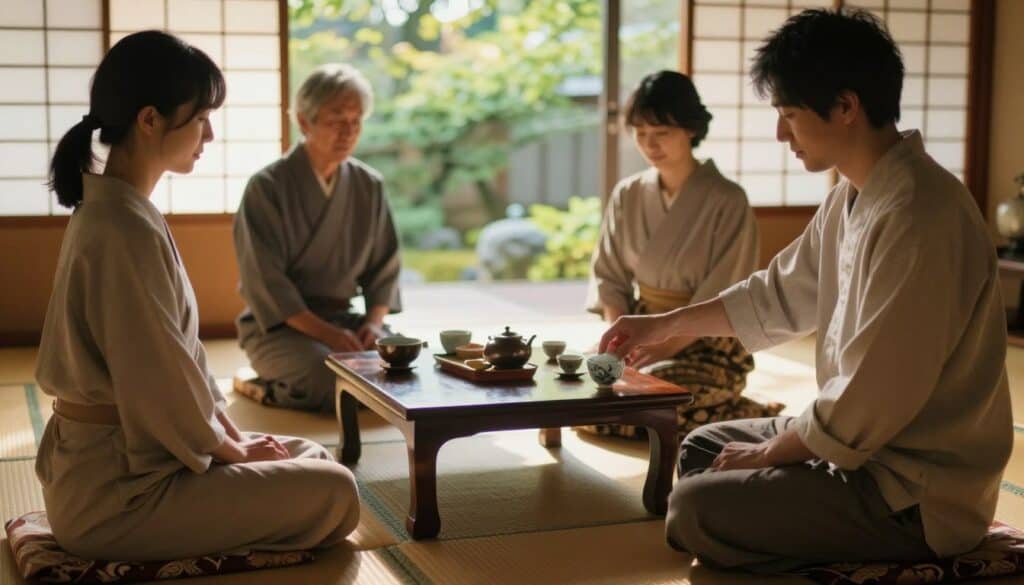
You can also choose a morning kimono rental with a photoshoot for a more visual date. Getting dressed in traditional clothing and walking together can make the streets feel different from an ordinary sightseeing day.
Think about comfort and pace before you choose. A tea ceremony keeps you in one place, while a kimono outing involves more time outdoors and moving through the city.
Nishiki Market offers another kind of shared experience. Its food stalls and regional specialties give couples a chance to taste and talk as they explore.
That lively food wander may suit you better than a quiet room, especially if you like choosing small bites together. Keep the plan flexible so you can stop when something catches your interest.
Each option changes the feel of the day without requiring a long list of sights. A shared activity can become the part you remember because you did it together.
Choose the activity that matches your shared energy, quiet attention or a lively food wander.
Which Kyoto Walk Fits Your Kind of Couple?
Kyoto’s romantic walks have different moods, from the Philosopher’s Path’s canal-side conversation to a relaxed evening on the Kamo River. Choose by mood: trees, open space, or historic lanes each create a different date.
The Philosopher’s Path suits couples who want a tree-lined canal walk, while the Kamo River offers more open riverside space. Shirakawa Canal brings a quieter stroll through Gion.
| Walk | Setting | Best time | Date feel |
|---|---|---|---|
| Philosopher’s Path | Eastern canal and cherry trees | Late afternoon and spring | Unhurried conversation |
| Kamo River | Central riverside banks | Evening, especially summer | Casual local pause |
| Shirakawa Canal | Willow-lined Gion waterway | Dusk | Quiet lantern-lit stroll |
The Philosopher’s Path is a canal-side walk in Eastern Kyoto, with cherry trees that make it especially appealing in spring. The setting gives you a natural reason to walk side by side and talk.
The Kamo River runs through central Kyoto and offers a relaxed place to sit in the evening, especially in summer. Choose it when you want room to pause without following a set route.
Shirakawa Canal suits couples who want water and a historic district in the same outing. Its setting feels different from a broad riverbank or a tree-lined eastern canal.
Think about the sound and space you enjoy most. A canal invites conversation, a riverbank allows a casual break, and Gion’s lanes bring a sense of history.
Match the route to the atmosphere you want, rather than trying to fit every walk into one day.
Make an Arashiyama Day More Than the Bamboo Grove
Arashiyama can feel more rewarding when the bamboo path is one stop in a broader day outdoors. More than one view gives couples a fuller sense of the area.
A private Arashiyama rickshaw experience with the bamboo grove is listed at 3 hours 45 minutes and €43. Other Arashiyama rides last from 30 minutes to 2 hours for one or two passengers.
Add a rickshaw ride through Arashiyama
A private ride can include the bamboo grove and wider scenery, giving the outing more range than a walk along one path. Free cancellation is offered where shown, so check the terms attached to the option you choose.
Rides can vary in length, which makes it easier to fit one into a day with other plans. Think about whether you want a shorter look around or a longer, slower outing.
Pair the scenery with the Sagano Romantic Train
The Sagano Romantic Train looks onto the Hozu River Valley in all four seasons. A train ride paired with the Hozugawa boat ride makes a full-day option for couples who want to spend more time outdoors.
Possible day components include:
- A rickshaw ride through Arashiyama.
- The Sagano Romantic Train.
- A Hozugawa boat ride.
Choose the mix that fits your energy and interest in the landscape. The day can center on a quiet ride, or combine rail and river views.
Choose either the slower rickshaw pace or the train-and-river combination as the day’s centerpiece.
Where to Share a Romantic Dinner in Kyoto
For a date-night atmosphere, Pontocho pairs a narrow lantern-lit alley with dinner choices ranging from casual counters to kaiseki. The contrast lets couples choose between an easy meal and a more formal evening.
Upmarket restaurants are best reserved ahead. Planning early matters even more if you hope to dine on a seasonal riverside platform.
Pontocho runs parallel to the Kamo River, with options that range from yakitori counters to kaiseki restaurants. The variety gives the area a natural role in a romantic dinner plan, without requiring one fixed style.
Some restaurants open riverside dining platforms in summer. These seasonal spaces bring dinner closer to the river and can shape the feel of the night.
Gion offers a more formal dining area, while the Kamo riverbank gives you a relaxed place to pause. Each works for a different kind of evening, whether you want a reserved table or a casual stop outdoors.
Choose the meal to fit the mood you want after the day’s walk. A quiet dinner can be a fitting end to a slower date, while an informal counter keeps things easy.
Reserve ahead for an upmarket dinner, especially if the riverside setting is part of the plan.
How to Build a Romantic Kyoto Experience Itinerary
A first-time Japan trip can give Kyoto 2-4 days, depending on how many other destinations are on the route. Two to four days leaves room for major sights and quieter shared time.
Plan one main outing per day, then group nearby walks and meals around it. That gives couples a clear shape without filling every hour.
For more ways to balance attractions with downtime, use this practical itinerary-planning approach as a starting point. The same idea works well when you decide how to move between Kyoto activities.
A two-day Kyoto stay
On one day, choose a Gion dusk walk or an eastern Kyoto walk, then share a tea activity and dinner. Keep some open time between the cultural activity and the meal.
Use the other day for Arashiyama, with a rickshaw ride or the Sagano Romantic Train as the main outing. This pairing gives you a different setting from the city lanes.
A four-day Kyoto stay
With four days, leave room for a slower Gion evening and a separate riverside walk. Set aside another full day for Arashiyama rather than trying to squeeze it around several city stops.
Use these pacing choices to keep the plan workable:
- Group nearby walks so you spend less time crossing the city.
- Keep one evening open for a meal or quiet stroll.
- Choose one major outing per day.
A couple’s itinerary should reflect both people’s energy, not just a list of landmarks. A short tea stop or a quiet bench can matter as much as another scheduled attraction.
Leave at least one open stretch in the plan for an unplanned tea stop or quiet walk.
Which Season Makes Kyoto Feel Most Romantic?
Spring blossoms and autumn foliage offer the strongest seasonal color, while early summer and winter bring a quieter mood. Scenery or breathing room can guide your choice.
Kyoto’s cherry blossoms usually bloom from the last week of March through the first two weeks of April. The approximate window is March 20 to April 14, and weather shifts the timing.
| Season | Typical window | What couples come for | Planning tradeoff |
|---|---|---|---|
| Spring | Last week of March through first two weeks of April | Cherry blossoms | Weather-dependent timing |
| Autumn | Mid-October through mid-December | Autumn colors | Peak timing varies |
| Early summer and winter | Quieter periods | More breathing room | Less focus on peak blossoms or foliage |
For the usual Kyoto bloom window, plan around roughly March 20 to April 14, while leaving room for a shift. If you are planning for Apr 2026, the blossoms still depend on the weather.
Autumn colors can appear between mid-October and mid-December, though the peak changes from year to year. An Aug 2026 trip falls outside both peak windows, but early summer offers a quieter mood.
Spring and autumn bring their own seasonal pull, while quieter periods can leave more space for a relaxed date. Consider whether you value peak color more than a calmer pace.
Build flexibility into a blossom-season visit because the bloom window shifts with the weather.
Could a Machiya or Ryokan Make the Evening More Intimate?
A traditional townhouse or inn can make the end of a Kyoto day feel as considered as the outing itself. Your home base shapes whether the evening stays close to city lanes or slows down into a retreat.
Choose a city stay for easy access to Gion or Higashiyama, or a ryokan outside Kyoto for a countryside extension. Each setting offers a different kind of quiet.
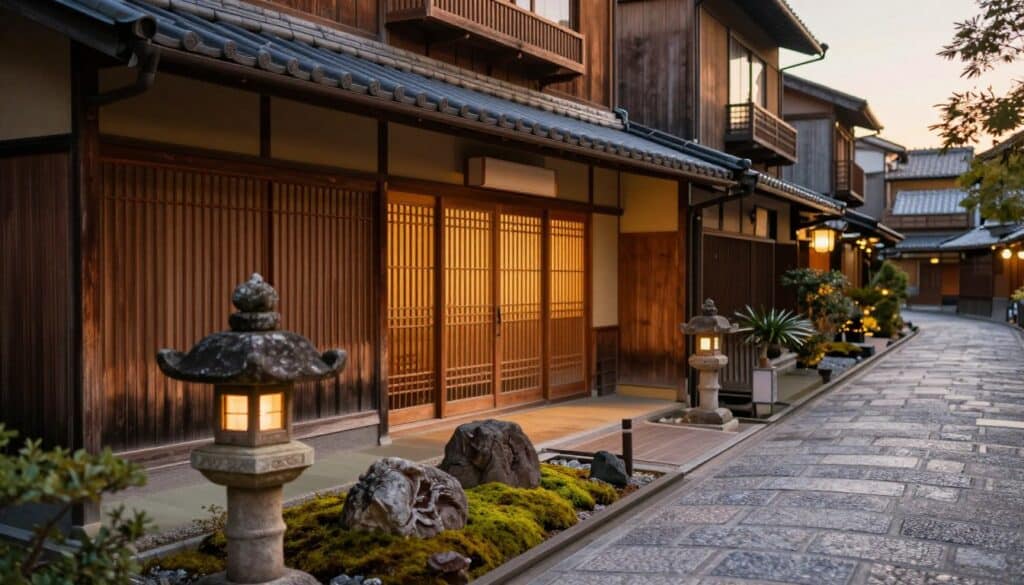
A machiya stay in the city
A machiya is a traditional wooden townhouse in Kyoto. In Gion and Higashiyama, a stay in one can keep you near traditional streets and the city’s historic atmosphere.
When comparing romantic hotels in Kyoto, look beyond the room and consider location, privacy, and the setting you will return to after dinner. A machiya may suit couples who want a home-like base close to the old streets.
A ryokan stay for a slower retreat
A ryokan emphasizes a traditional inn setting. A city ryokan keeps you near Kyoto’s neighborhoods, while an inn outside Kyoto can suit a countryside extension.
For top 10 ryokan in Kyoto or the best machiya in Kyoto, compare location, privacy, garden setting, and meal style instead of relying on rankings alone. Those details help you find an option that fits your shared pace.
Four Seasons Hotel Kyoto offers a tea ceremony at Shakusui-tei beside a historic pond garden. It is one example of a hotel-based cultural activity, rather than a reason to choose a stay by name alone.
Think about how much time you want to spend in the room, the grounds, and the nearby area. A good setting can make the transition from sightseeing to rest feel natural.
Choose the stay by the atmosphere you want to return to after the evening walk.
What a Weeklong Japan Trip Can Cost
A one-week Japan trip is estimated at $700-$3,500 per person before individual flights, so think of that figure as a whole-trip frame. Kyoto is one part of the larger budget, not the whole calculation.
Use the range for the full trip rather than a Kyoto-only budget. The amount you set aside for the city depends on the balance between lodging, transport, meals, and paid activities.
Keep the full-trip frame in view before choosing how much to spend on Kyoto.
Start by listing the main parts of your travel budget. These categories help couples compare the cost of a slower stay with a schedule packed with paid outings.
- Lodging.
- Local transport.
- Meals.
- Paid experiences.
Hotel choices can take a large share of a couple’s plans, while local transport connects Kyoto to the other stops. Meals can range from casual stalls to formal dinners, so make space for the style you both want.
Paid experiences may include a guided walk, a rickshaw outing, or another shared activity. Set priorities together before adding several options to the same day.
Some couples highly recommend making room for one special experience, while others prefer a flexible plan with fewer bookings. Choose based on what you value, not on how many items you can fit.
Set the overall trip budget first, then decide which shared Kyoto experiences matter most.
Conclusion
The most memorable Kyoto date may be the one that gives you room to notice the details together. A slower pace can turn an ordinary evening into a moment you both carry home.
A dusk walk through Gion suits couples who want stories, lantern light, and time on foot. A traditional rickshaw ride offers a gentler way to move through smaller streets.
Choose the setting that feels right for both of you, then reserve the experience that matches your pace. Pick your preferred evening, then make space in the itinerary to enjoy it without rushing.