The Most Underrated Winter Destinations in Every US Region — Not Skiing, Not Christmas Markets, Actually Magical
We may earn money or products from the companies mentioned in this post. This means if you click on the link and purchase the item, I will receive a small commission at no extra cost to you ... you're just helping re-supply our family's travel fund.
Winter travel in America has been captured by two categories: ski towns and holiday-themed cities. Aspen, Park City, NYC at Christmas, Chicago’s Christkindlmarket, Leavenworth looking like a snow globe. These places are fine. They’re also expensive, crowded, and photographed to the point of cliché.
What most people don’t realize is that the same months that make those destinations popular create genuinely spectacular conditions elsewhere — places where crowds disappear, prices drop, and the actual landscape or culture is at its best precisely because it’s winter. These are those places, by region.
The South in Winter: Finally the Right Temperature
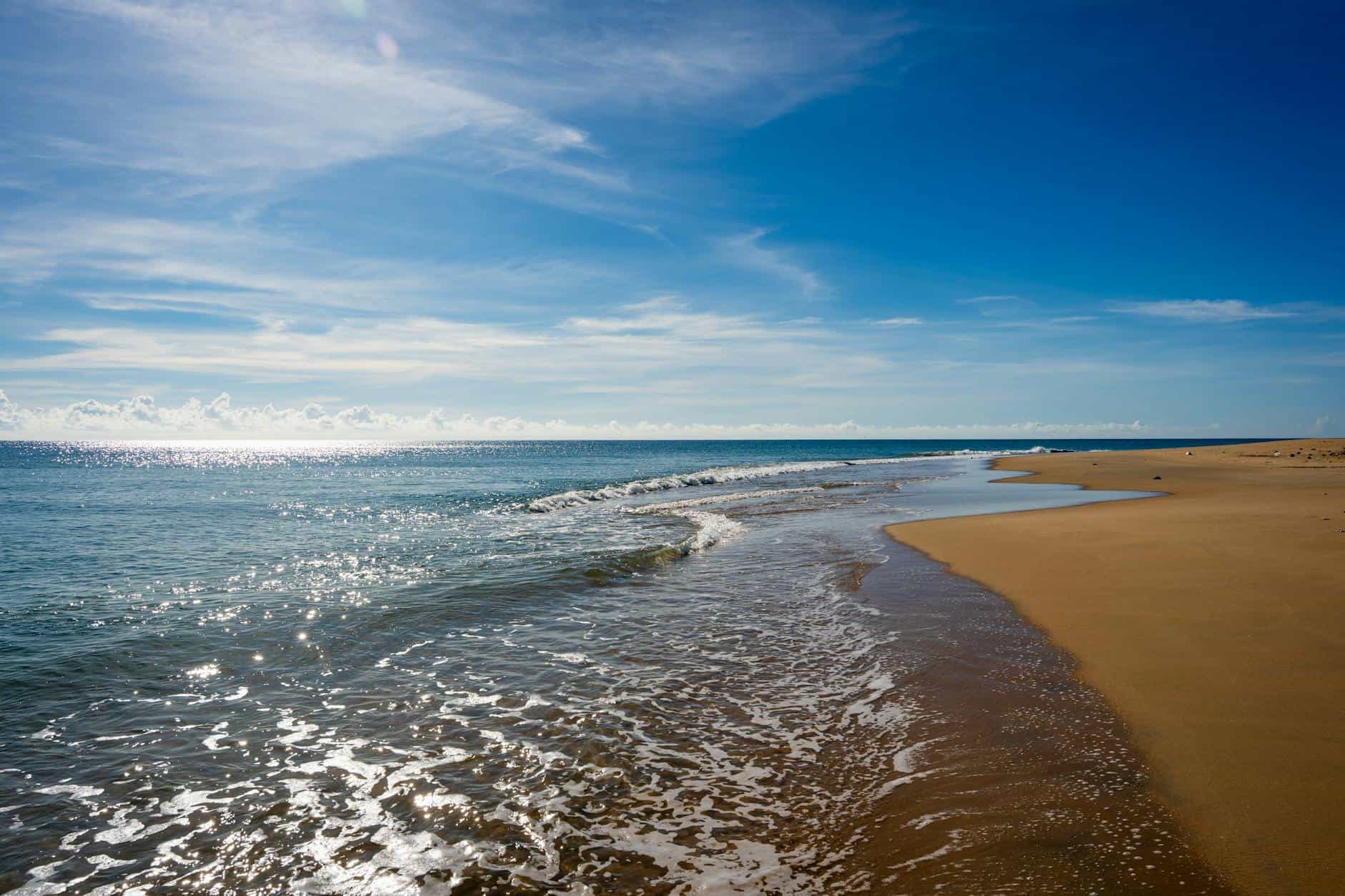
Natchez, Mississippi
Natchez is one of the most historically significant small cities in America — the oldest city on the Mississippi River, home to more antebellum mansions per capita than anywhere in the country. In summer, touring those plantations in 95° heat is oppressive. In January, it’s 55° and beautiful, the crowds are gone, and the bed-and-breakfasts that run $200/night in spring are half that. The Natchez Trace Parkway in winter, with bare trees and morning fog over the river, is genuinely haunting and beautiful.
Savannah, Georgia
Savannah in summer is hot, humid, and packed with bachelorette parties. Savannah in December and January is 50–60° during the day, the Spanish moss looks best in the low winter light, the restaurants are easier to get into, and the entire city’s reputation for being gracious and slow is easier to access when half the tourists are gone. New Year’s Eve in Savannah is an underrated celebration.
New Orleans, Louisiana (January–February)
Post-Christmas, pre-Mardi Gras New Orleans is a different city. The temperatures are mild (55–65°F), the French Quarter is walkable without sweating, and the food scene — which is never bad — is at its most accessible and local-feeling when tourists are thinner on the ground. Mardi Gras itself draws massive crowds, but the weeks before are ideal.
The Desert Southwest in Winter: Empty and Perfect
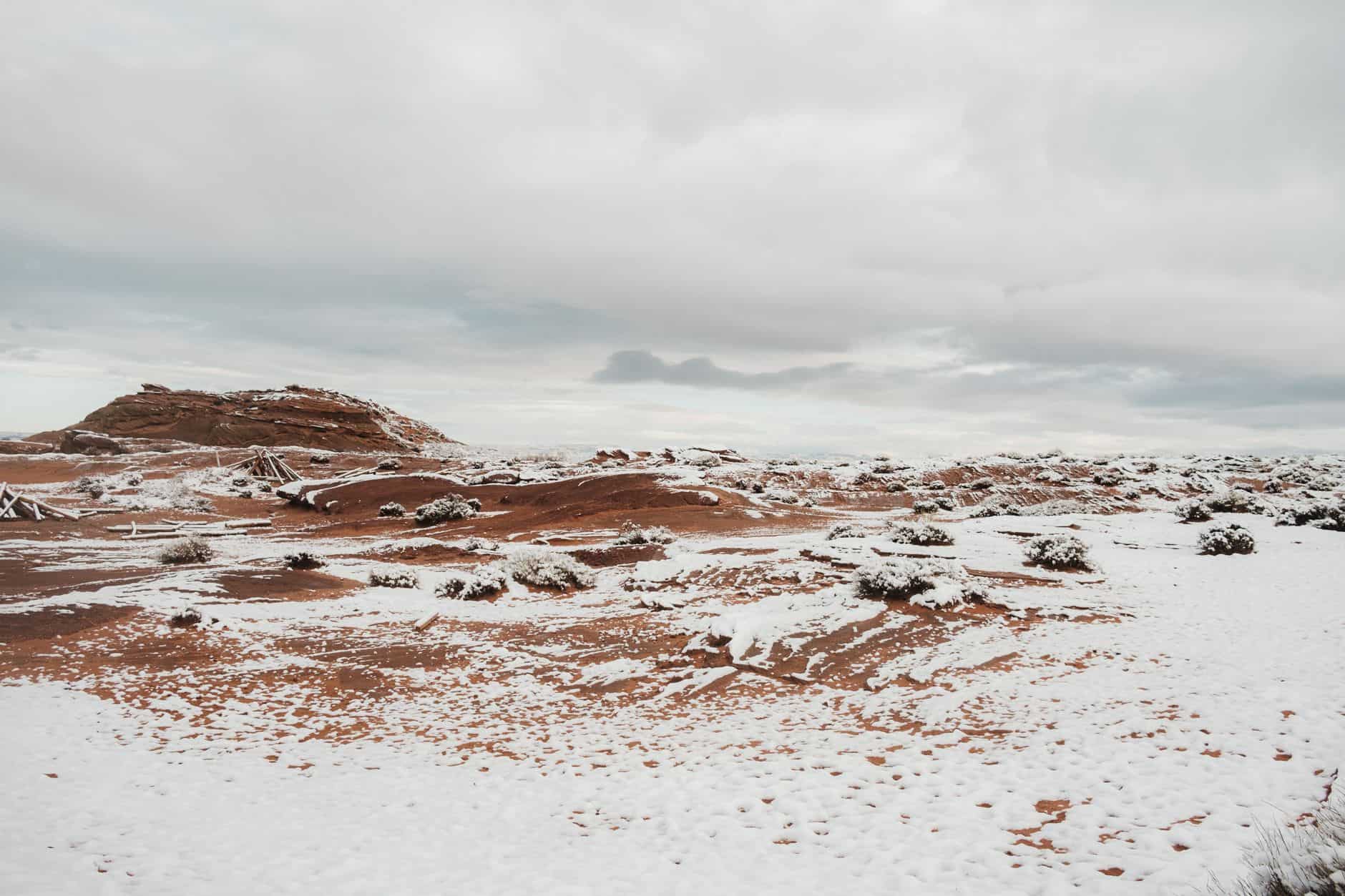
Sedona, Arizona
Sedona has the most spectacular red rock scenery in the country, and the best time to see it is November through February. Daytime temperatures are 50–65°F — perfect hiking weather. The summer crowds and heat are completely absent. The pink and orange light on the rocks during a winter sunset hits differently than any other time of year. Hotels that go for $400/night in October are $150–$200 in January.
Big Bend National Park, Texas
Big Bend is famously brutal in summer — 105°+ heat makes most trails dangerous or impossible. Winter (December through February) is the park’s peak season internally — temperatures are perfect at 60–75°F during the day — but most Americans don’t think of national parks as winter destinations. The Chisos Basin hike in January, with snow on the peaks and nobody else on the trail, is one of the most remarkable experiences in American travel.
Tucson, Arizona
While Scottsdale gets all the snowbird attention, Tucson offers the same winter sun at about 60% of the cost. Saguaro National Park has two units that can be hiked in T-shirts in January. The food scene (Tucson is a UNESCO City of Gastronomy) is genuinely excellent. The University of Arizona keeps the city young. Winter evenings are cool but evenings on a patio in a hoodie beats summer evenings anywhere in the country.
The Pacific Coast in Winter: Moody, Dramatic, Uncrowded
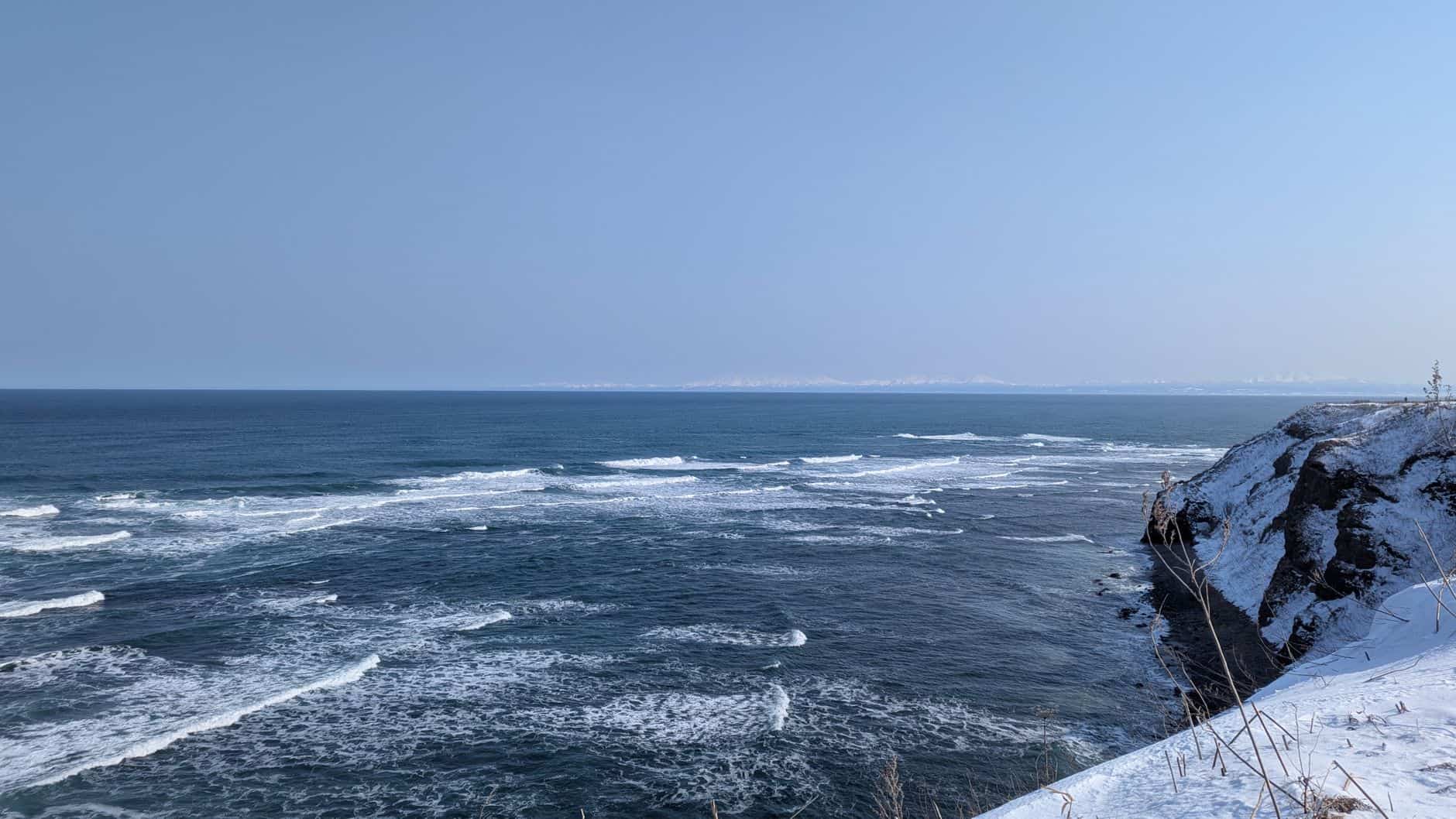
The Oregon Coast
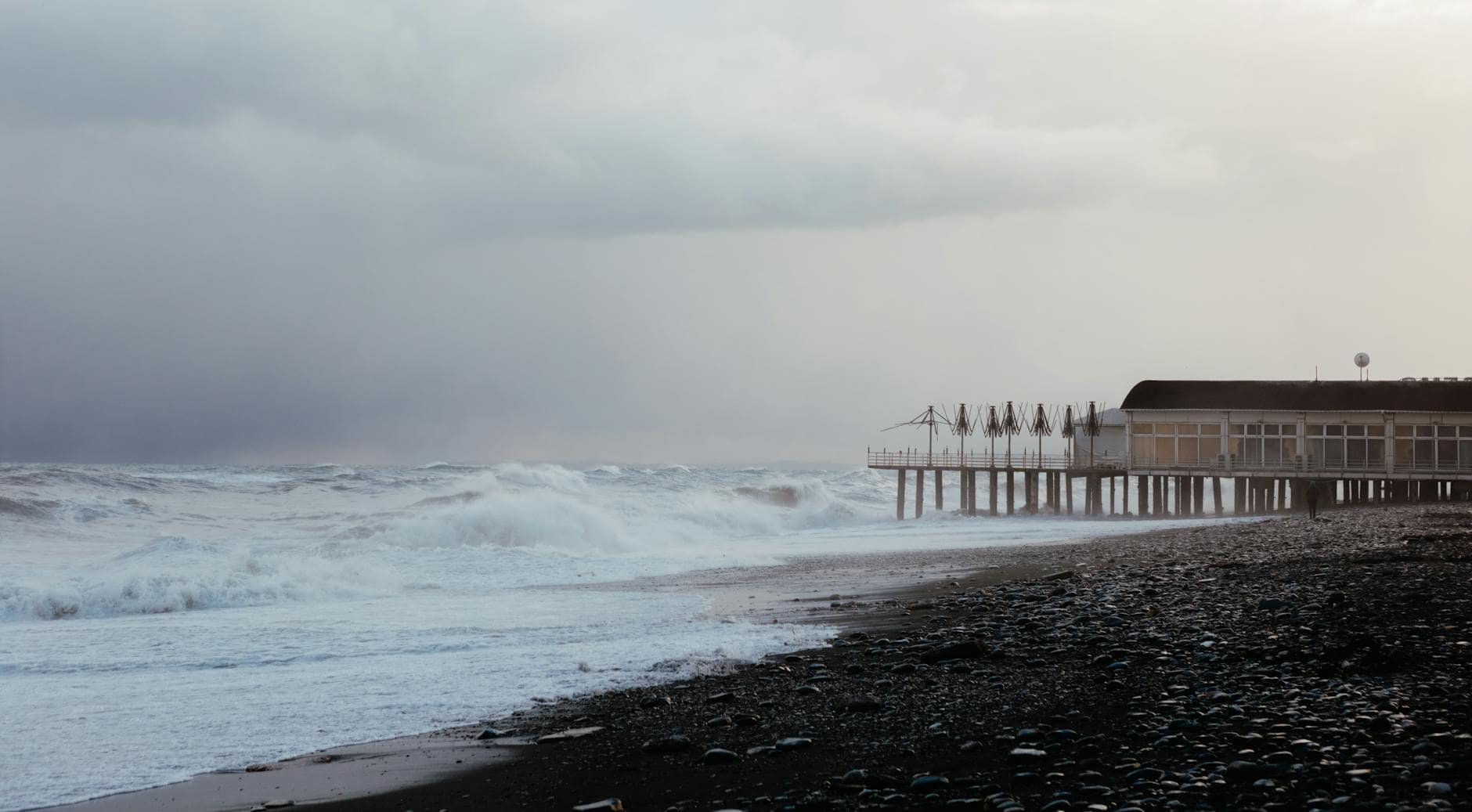
Everyone knows the Oregon Coast is beautiful. Almost nobody goes in winter, which is the whole point. The winter coast is storm-watching season — legitimate cultural activity on the central Oregon coast, where towns like Cannon Beach, Lincoln City, and Depoe Bay market themselves to people who actually want to watch 20-foot waves roll in from the Pacific. The beaches are empty. The seafood restaurants are open and have tables available. Whale migration is at its peak December through January.
Mendocino, California
Mendocino in winter is the Pacific Northwest aesthetic without the Oregon rainfall. The Victorian town on the bluffs, the whale watching (gray whale migration peaks January–March), and the wildflower-adjacent coast walks in February. Rooms at the iconic Mendocino Hotel that are $300+ in summer are $150 in January. The fog is part of the experience.
Olympic Peninsula, Washington
The Hoh Rainforest in winter is objectively one of the most beautiful places in North America — the moss-draped trees under low grey light, often with light snowfall or mist, completely empty of people. The nearby coast (Ruby Beach, Kalaloch) is dramatic in winter storms. Port Angeles makes a good base. This is a genuinely underrated domestic winter experience.
The Great Plains and Midwest in Winter: Quiet in the Best Way
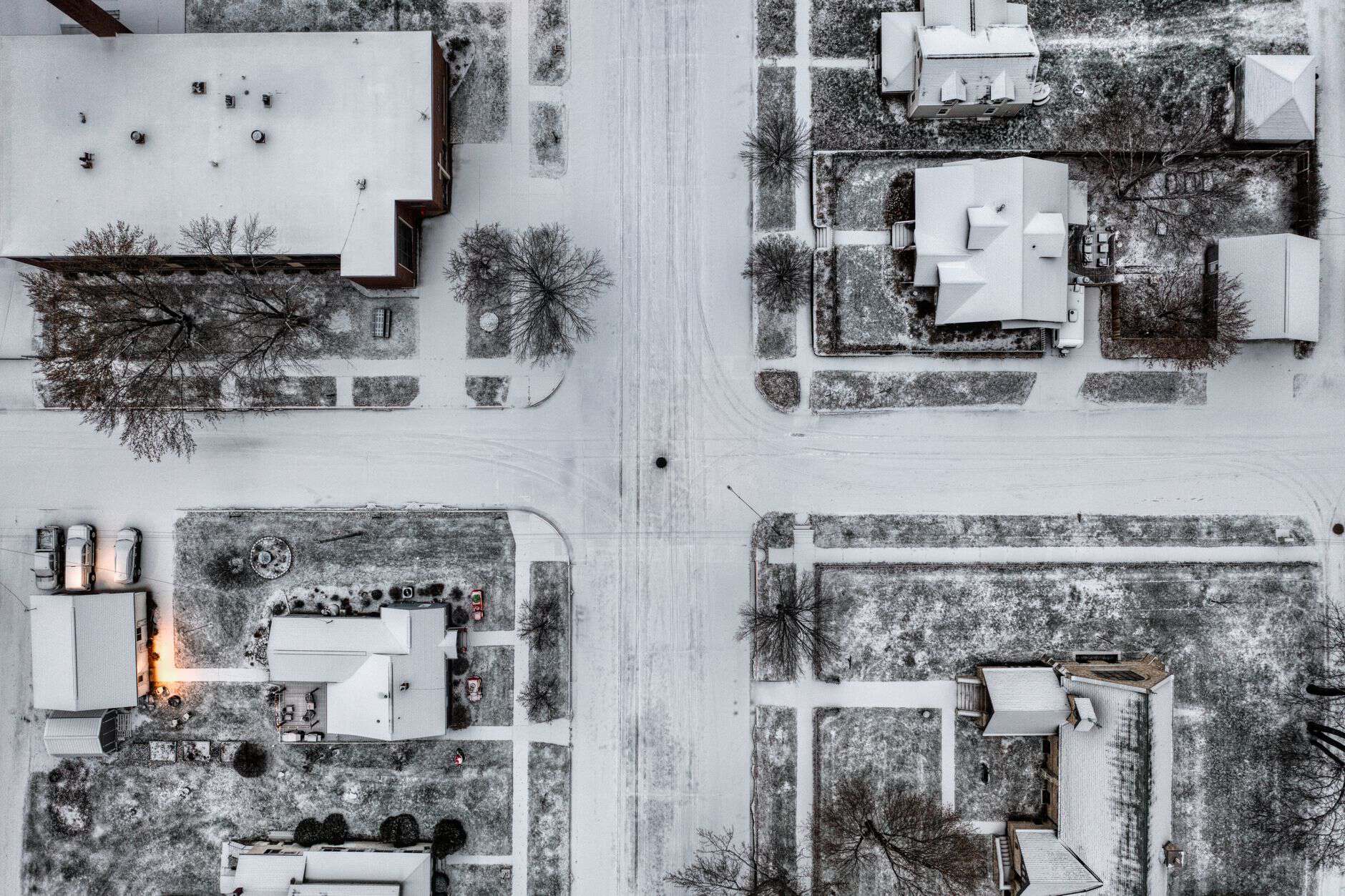
Door County, Wisconsin
Door County is slammed in summer — cherry blossoms draw crowds in spring, fall foliage in October. Winter strips it bare in the best way. The small fishing villages on the peninsula are quiet. Ice fishing is genuine local culture. Several resorts offer “winter escape” packages at dramatically reduced rates. The Lake Michigan views in winter have a severity and beauty that summer’s photogenic pleasantness can’t match.
Galena, Illinois
A remarkably preserved 19th-century river town in Illinois’s northwest corner — the kind of place that looks like a movie set without trying. In summer and fall it’s busy with Chicago day-trippers. In January and February, the town is quiet, the independent restaurants are still open, and the surrounding rolling landscape under snow looks like a painting. Ulysses S. Grant’s home here is one of the best-preserved presidential sites in the country.
Hot Springs, South Dakota
Not to be confused with Hot Springs, Arkansas. The South Dakota version is a small town near Wind Cave National Park in the southern Black Hills — away from the Mount Rushmore tourist vortex. The Mammoth Site here (an active paleontological dig of fully articulated mammoth skeletons) is open year-round. The town itself is a genuine architectural gem of sandstone buildings from the 1890s. Winter visits feel like stepping into a preserved chapter of western history.
The Southeast Coast: The Open Secret
Amelia Island, Florida
Northeast Florida doesn’t get the same snowbird attention as the Gulf Coast or South Florida. Amelia Island in January and February has temperatures of 55–68°F, beaches that are walkable and uncrowded, and a genuine small-town infrastructure rather than resort-land sprawl. The Ritz-Carlton Amelia Island runs at significantly reduced rates in winter. The state parks on the island — Fort Clinch especially — are exceptional.
St. Augustine, Florida
The oldest city in the United States (founded 1565, predating Plymouth Rock by 55 years) is most pleasant in winter. Summer heat and humidity make the historic district hard to enjoy on foot. In January, 60–70°F days make it ideal for walking the 450-year-old grid of streets. The tourism infrastructure is fully operational, the restaurants are excellent, and the cost is 30–40% lower than peak season.
Cumberland Island, Georgia
This is the secret. Cumberland Island is a National Seashore accessible only by ferry — no cars, minimal development, wild horses on the beach, and the ruins of the Carnegie family’s Dungeness mansion slowly being reclaimed by the forest. In summer, getting a permit is competitive and hot. In winter, permits are easier, the beach is empty, and the island’s otherworldly quality — ancient live oaks, wild horses, abandoned mansions — is enhanced by the solitude.
Winter travel in America rewards the people willing to go against the current. The lines are shorter, the prices are lower, and the places themselves often show you something they can’t in summer — a quietness, a severity, a quality of light that only comes when the crowds are somewhere else.