Twin Falls, Idaho Became Famous for a Waterfall. Here’s What Happened to the Town After the TikToks
We may earn money or products from the companies mentioned in this post. This means if you click on the link and purchase the item, I will receive a small commission at no extra cost to you ... you're just helping re-supply our family's travel fund.
Shoshone Falls on the Snake River in Twin Falls, Idaho drops 212 feet — 36 feet higher than Niagara Falls. When water releases are timed correctly in spring, it’s one of the most spectacular waterfalls in North America. When TikTok discovered it around 2021, Twin Falls became one of those overnight social media destinations — suddenly crowded, suddenly scrutinized, and suddenly interesting to people who’d been driving past it on I-84 for decades. What the attention revealed was a city that had more going for it than anyone was talking about.
What Shoshone Falls Is (And When to Go)
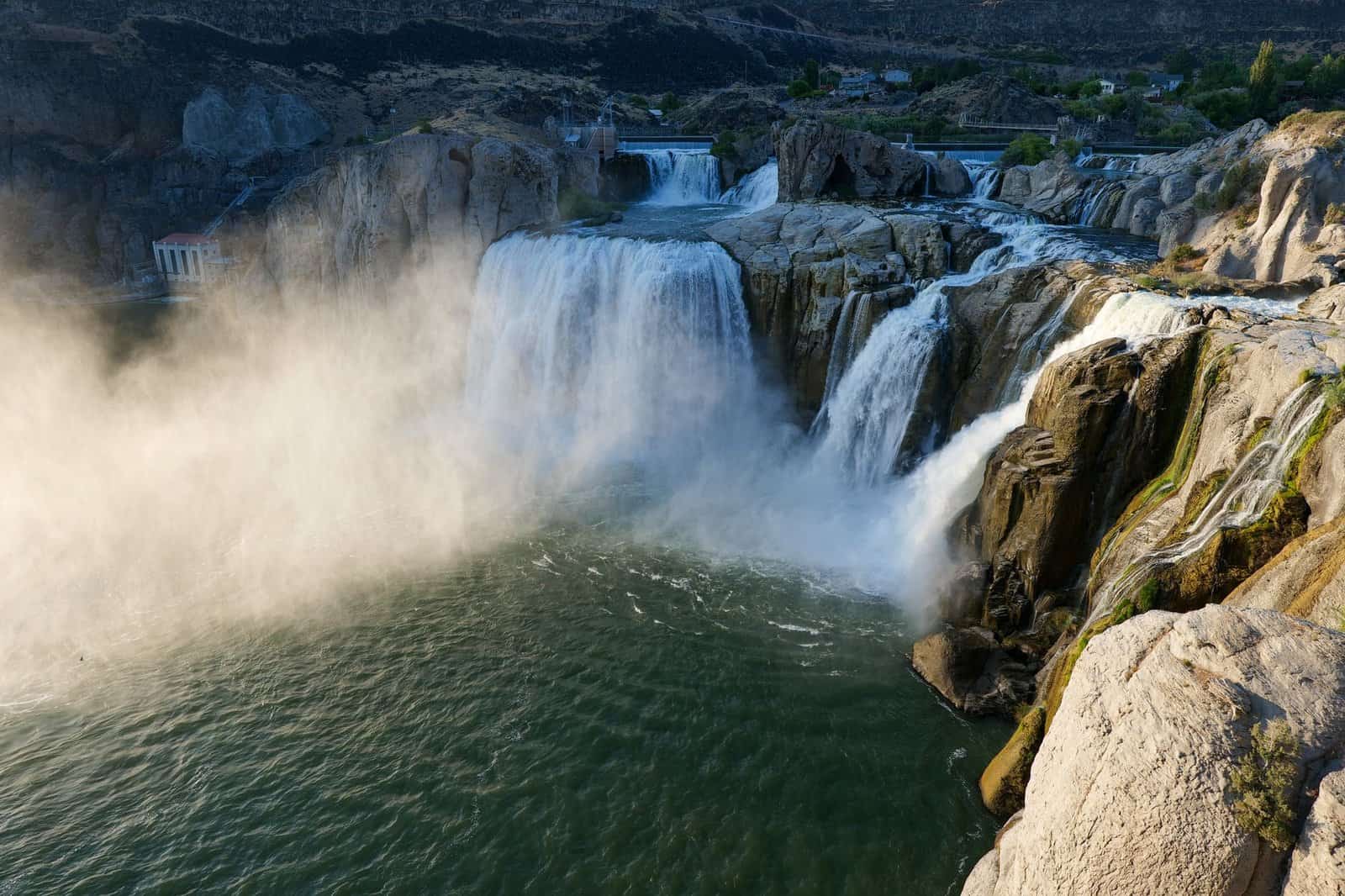
Shoshone Falls is fed by irrigation releases from upstream and by snowmelt. The timing matters enormously. Late April through early June, when snowmelt is running and Idaho Power has less need to retain water upstream, produces the most dramatic flow. By August, the falls are often reduced to a trickle or dry completely. The social media photos that went viral were almost always taken in April or May. Anyone arriving in late summer expecting the same spectacle will be disappointed.
The $5 vehicle entrance fee to Shoshone Falls Park is among the better deals in Idaho state parks. The park has developed significantly since the attention — improved parking, better trail access to the canyon overlooks, and a legitimate visitor experience that handles the increased traffic without feeling overwhelmed. The canyon itself, apart from the falls, is worth seeing: the Snake River Canyon through this section has dramatic basalt walls that extend miles in both directions.
The Twin Falls Canyon That Goes Beyond the Falls
The Perrine Bridge over the Snake River Canyon within Twin Falls city limits is one of the few bridges in the US where BASE jumping is legal year-round without a permit. The 486-foot span draws BASE jumpers from across the world and provides a legitimate spectacle on weekends — watching jumpers exit the bridge from the canyon rim viewing area is a genuinely unusual experience available at no cost. The canyon rim trail connecting the bridge to Shoshone Falls east provides 3+ miles of rim walking with continuous canyon views.
What Twin Falls Offers Beyond the Waterfall
Worth time in and around Twin Falls:
- Perrine Bridge BASE jumping viewing: free, regularly active on weekends
- Centennial Waterfront Park and canyon rim trail: free, underused by visitors
- Thousand Springs area (45 minutes west): springs emerging from basalt cliffs above the Snake River — an Idaho geological curiosity
- City of Rocks National Reserve (2.5 hours south): granite boulders with Oregon Trail inscriptions, excellent climbing
The Cost of Living That’s Attracted a New Population
Twin Falls has experienced the same population growth pressure seen across southern Idaho. The median home price crossed $400,000 by 2025 — dramatically above where it was in 2019 but still below Boise and dramatically below the coasts. The city has real amenities: a growing food scene anchored by local agriculture, a college (College of Southern Idaho), and a service sector supported by the Snake River Plain dairy and agricultural economy. No state income tax in Idaho remains a draw for higher earners comparing relocation options.
As a visitor destination, Twin Falls is a legitimate stop on any Pacific Northwest to Utah road trip itinerary. The waterfall at peak flow, the BASE jumping bridge, and the canyon rim together make for a full half-day that rewards anyone who slows down enough to take it seriously rather than just taking the photo and leaving.
Twin Falls Beyond Shoshone Falls
Shoshone Falls, the anchor attraction that put Twin Falls on the national landscape photography map, drops 212 feet from the Snake River canyon rim — 45 feet higher than Niagara Falls. The falls are at maximum water volume in spring (April–June) and drop significantly by late summer when irrigation upstream reduces the river’s flow. The Twin Falls city park system has invested significantly in Shoshone Falls access infrastructure since 2018; the viewing area, accessible by a $5 vehicle day-use fee, has been expanded with new viewing platforms that improve the scale perception of the canyon.
The broader Snake River Canyon that runs through Twin Falls provides more than Shoshone Falls. The canyon’s rim trails on both the north and south sides have 15+ miles of hiking and mountain biking access with canyon views that are less crowded than the Falls parking area. The Twin Falls area is also known for BASE jumping — the Perrine Bridge, which crosses the Snake River Canyon on US-93, is one of the few places in the United States where BASE jumping from a fixed structure is legal year-round without a permit. Watching BASE jumpers exit the 486-foot bridge and open their parachutes above the river on a Saturday morning is a specific Twin Falls experience available nowhere else in the mountain west.