Cape Breton Island Is 5 Hours From Halifax and Barely on Most Americans’ Radar. Here’s What They’re Missing
We may earn money or products from the companies mentioned in this post. This means if you click on the link and purchase the item, I will receive a small commission at no extra cost to you ... you're just helping re-supply our family's travel fund.
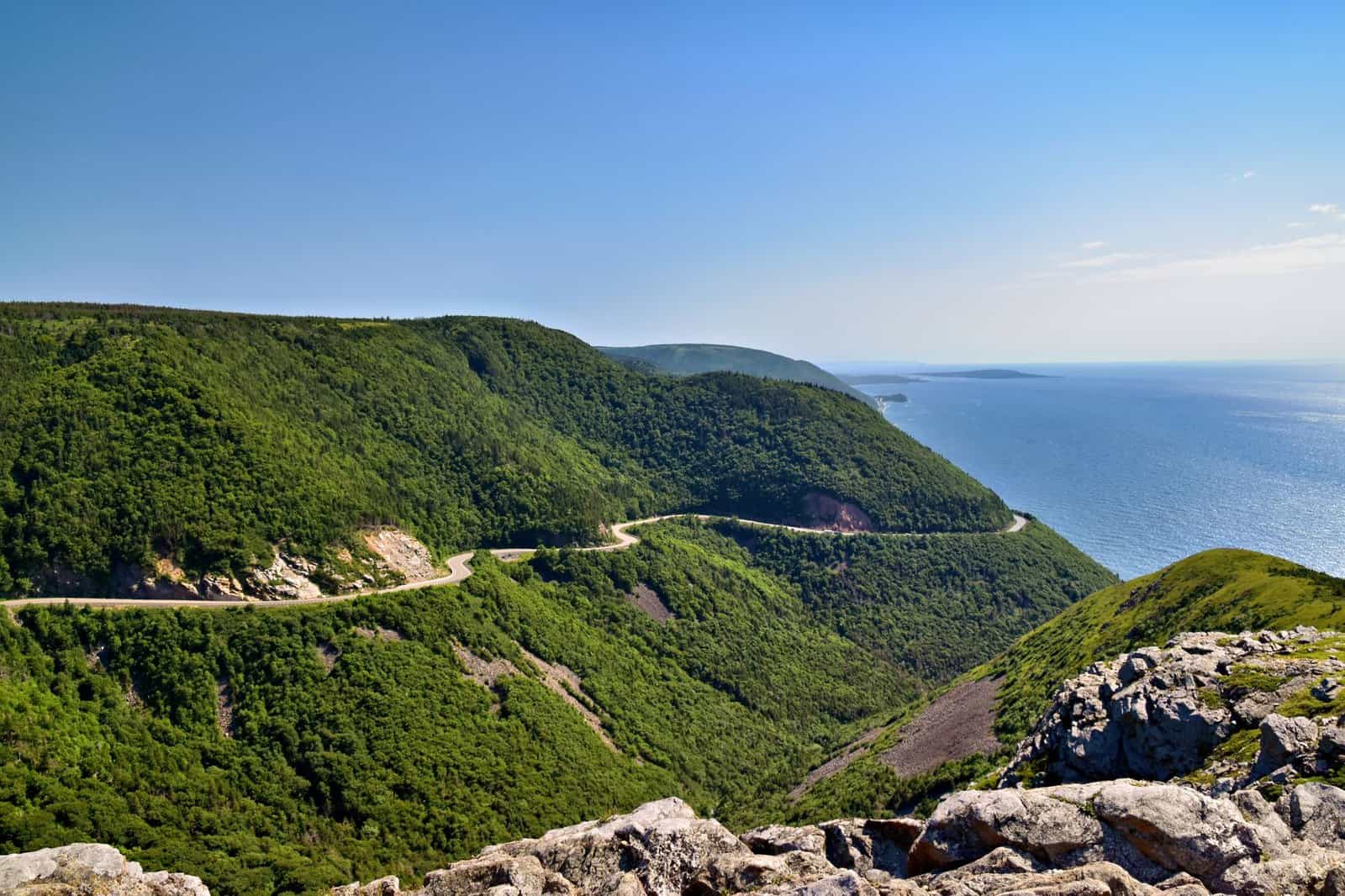
The Cabot Trail on Cape Breton Island, Nova Scotia is consistently ranked among the most scenic drives in the world. The island has a living Celtic musical tradition that didn’t fade or become a performance for tourists — it’s still practiced in living rooms and community halls. The hiking, the fjord-like Cape Breton Highlands, and the seafood are all at the level that major travel publications describe when they include it in their “before you die” lists. The catch: most Americans don’t know where Cape Breton is, and getting there requires some commitment. Here’s the case for making it.
Where Cape Breton Is and How to Get There
Cape Breton is the northern half of Nova Scotia, connected to the mainland by the Canso Causeway. Halifax, Nova Scotia’s capital, is the practical gateway — 5 hours south of the Cabot Trail by car. Sydney, Cape Breton (J.A. Douglas McCurdy Airport) has direct flights from Toronto and Halifax and is the on-island airport for travelers who want to minimize driving.
The most practical American approach: fly into Halifax (direct from Boston, New York, Toronto, and several other US cities), spend one night in Halifax, then drive north. The Cabot Trail is a 185-mile loop through Cape Breton Highlands National Park — done in a full day by people who want to check it off, done over 3–4 days by people who actually experience it. The highland scenery, the Margaree River Valley, and the coastal cliff sections of the trail require time rather than speed.
The Cabot Trail in Detail
The trail peaks at the Cabot Trail highlands, where the road climbs to plateau level above the Gulf of St. Lawrence with panoramic views of the coastline below. The Skyline Trail hike within the national park — a 9.5 km loop with sunset views over the gulf that frequently includes moose sightings — is considered one of the best day hikes in Canada. October foliage on the trail is exceptional; the combination of highland and coastal colors makes it one of the continent’s premier fall foliage drives.
The Celtic Music Culture That’s Not a Performance
Cape Breton’s Gaelic and Acadian heritage produced a fiddle tradition that’s distinct from Irish or Scottish fiddle — faster, more rhythmic, built for step dancing. The tradition is maintained not in restaurants performing for tourists but in community ceilidhs, kitchen parties, and regular pub sessions in small towns like Judique and Mabou. Arriving in Cape Breton on a Saturday evening and finding a kitchen party is genuinely possible with local knowledge or willingness to ask at the general store. This is rare in any cultural travel context — a living tradition accessed on its own terms rather than packaged for visitors.
What a Cape Breton Trip Costs
Approximate costs (CAD to USD conversion varies; these in USD approximate):
- Accommodation: $100–$175 USD/night at inns along the Cabot Trail
- Cape Breton Highlands National Park entry: approximately $12 USD/adult/day
- Lobster roll: $18–$26 USD at local restaurants (genuine Maritime lobster is worth the stop)
- Gas: slightly above US prices, converted to the favorable exchange rate
The Canadian dollar’s favorable exchange rate relative to USD in 2026 makes Cape Breton meaningfully more affordable for American travelers than the sticker price in Canadian dollars suggests. A trip that costs $1,800 CAD per person runs approximately $1,300 USD at recent exchange rates. For Atlantic coastal scenery, genuine cultural depth, and world-class hiking at Nova Scotia prices, Cape Breton competes with any comparable destination in the world — and most American travelers still haven’t been there.
Cape Breton’s Cabot Trail — The Logistics
The Cabot Trail loop — 185 miles of highway through the Cape Breton Highlands that’s consistently ranked among the world’s best scenic drives — is structured for a 2-day clockwise circuit from Baddeck with overnight stops at Cheticamp on the west coast and Ingonish on the east coast. The highlands section between Cheticamp and Pleasant Bay passes through subarctic terrain at 1,500 feet elevation with cliff-edge views of the Gulf of St. Lawrence; the eastern descent through the Ingonish valley has the softer Acadian Forest quality that makes the two sides of the trail feel like different countries.
The practical logistics that first-time Cabot Trail visitors miss: the Trail is doable in a single long day but shouldn’t be. The whale watching tours out of Pleasant Bay (accessible from a parking area near the Meat Cove road junction) depart at 10am and 2pm from May through October and observe the pilot whales, minkes, and fin whales that feed on mackerel in the Gulf of St. Lawrence. Missing the whale watching in Pleasant Bay because you’re driving the Trail as a single-day circuit is the most common Cabot Trail mistake. The best Cabot Trail experience spends the night in Cheticamp, does the whale watching on day two, and completes the eastern circuit on day three from Ingonish back to Baddeck.