TSA Allows Medically Necessary Liquids Over 3.4 Ounces. 9 Rules for Flying With Prescription Medication Over the Holidays
We may earn money or products from the companies mentioned in this post. This means if you click on the link and purchase the item, I will receive a small commission at no extra cost to you ... you're just helping re-supply our family's travel fund.
The 3-1-1 liquids rule does not apply the same way to medicine. When flying with prescription medication, you are allowed to bring medically necessary liquids, gels, and creams in amounts larger than 3.4 ounces in your carry-on bag, as long as you tell the officer and let the items be screened separately.
The Transportation Security Administration explains this in its FAQ on traveling with medication. TSA says you can bring medication in pill or other solid form in unlimited amounts as long as it is screened, and that medically necessary liquids, medications, and creams are allowed in excess of 3.4 ounces, or 100 milliliters, in your carry-on bag. You must remove them from your carry-on bag to be screened separately from your belongings. TSA also says medication should be clearly labeled to help the screening process go faster.
That one rule solves a lot of holiday travel worries, but there is more to know. Here are the nine rules that keep your medication safe and your screening smooth.
9 Rules for Flying With Prescription Medication
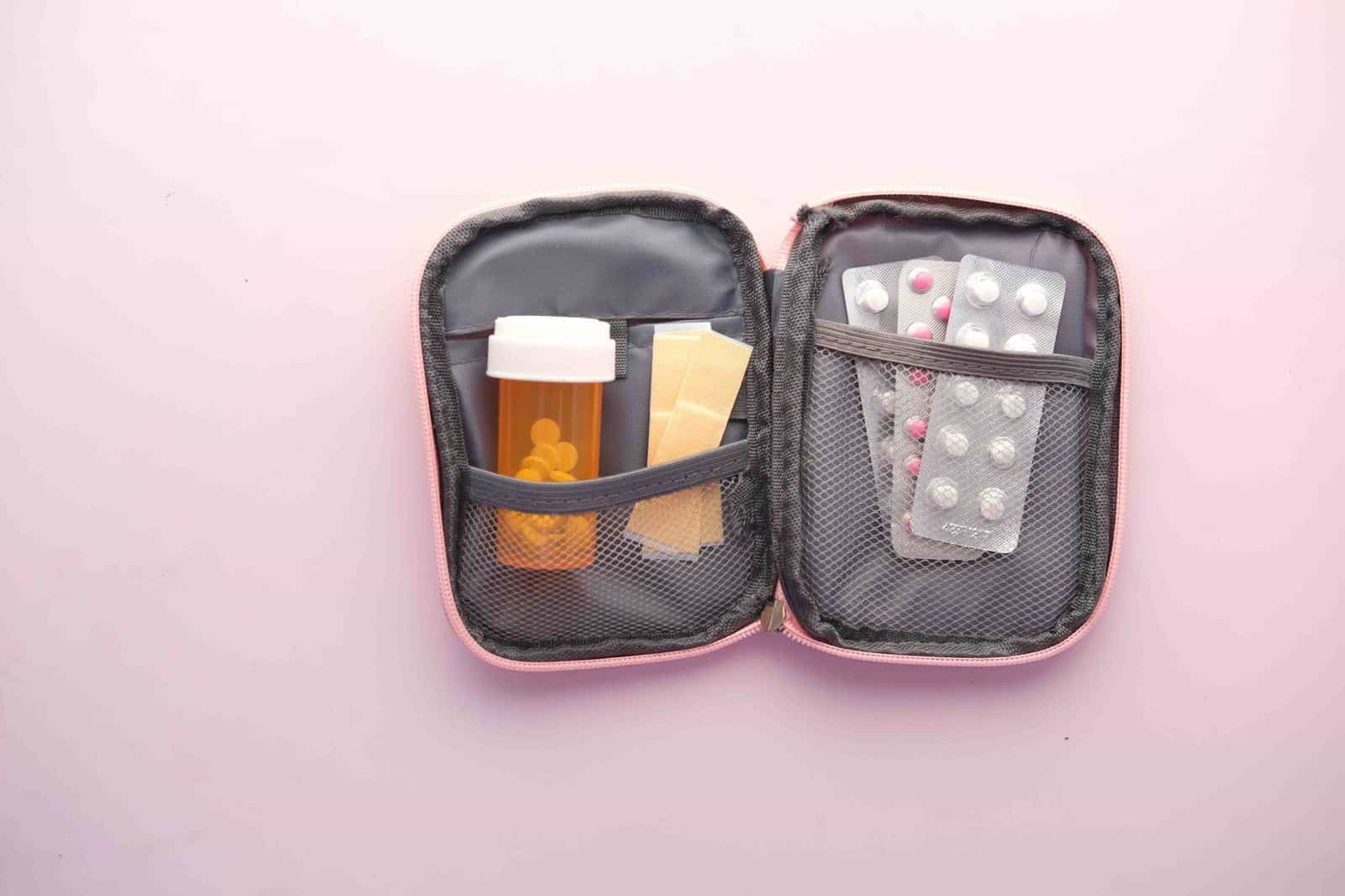
1. Keep Medication in Your Carry-On
Never pack essential medication only in checked luggage. Checked bags get delayed, lost, and exposed to extreme temperatures in cargo holds. During the holidays, missed connections and weather delays are common, and if your bag goes to the wrong city, your medicine goes with it. Keep all prescription medications, plus a few days of extra supply, in your carry-on or personal item.
2. Declare Liquid Medication Over 3.4 Ounces
Liquid medications, gels, and creams that are larger than 3.4 ounces are allowed in your carry-on, according to TSA, but you must take them out of your bag and tell the officer at the start of screening. They will be screened separately. Officers may test the liquid or ask you to open the container. You do not have to put medically necessary liquids in your quart-size bag. Smaller medications under 3.4 ounces can go in your 3-1-1 bag, but declaring them is still a good idea.
3. Label Everything Clearly
TSA says medication should be clearly labeled to facilitate the screening process. TSA does not require medication to be in its original prescription bottle, but many states have their own laws about how prescription medications must be labeled. The simplest approach is to travel with medications in their original pharmacy-labeled containers. If you use a pill organizer for convenience, bring the original bottles or a printed list of your prescriptions as backup.
4. Bring Extra Supply
Holiday travel brings delays, cancellations, and changes of plan. Bring at least a few extra days of medication beyond your planned trip, more for longer trips or international travel. Before you go, ask your pharmacy or insurer about early refills for travel. Many plans allow a vacation override if you ask.
5. Carry a Medication List and Your Doctor’s Contact Information
Keep a written or printed list of your medications, including the generic and brand names, doses, and the prescribing doctor’s contact information. It helps if:
- You lose your medication and need an emergency refill
- You need medical care while traveling
- Security or customs officers ask questions
- A family member needs to help you in an emergency
A photo of your prescription labels on your phone also helps.
6. Know the Rules for Needles, Syringes, and Medical Devices
TSA allows unused syringes when accompanied by injectable medication, such as insulin. Used syringes must be in a sharps disposal container. Tell the officer at the start of screening about any needles, pumps, or medical devices you carry.
- Insulin pumps and continuous glucose monitors: Ask the manufacturer whether the device can go through X-ray or body scanners. You can request a pat-down instead.
- Inhalers and nebulizers: Allowed in carry-on bags.
- CPAP machines: Allowed as carry-on and usually do not count toward your carry-on limit with most airlines, but check with your airline.
- TSA Cares: Travelers with disabilities and medical conditions can call the TSA Cares helpline at least 72 hours before travel to ask questions and request assistance at the checkpoint.
7. Plan for Medications That Need Cold Storage
Some medications, such as insulin and certain injectables, need to stay cool. TSA allows ice packs, gel packs, and frozen gel packs needed to cool medically necessary items, even if they are partially melted or slushy, but you should tell the officer. Use an insulated medication travel case. Do not put medications in an airplane’s overhead bin cooler or ask for them to be stored in the galley unless the airline confirms it is safe.
8. Check Rules for Controlled Substances and International Trips
Some medications, such as opioids, stimulants for ADHD, and certain sleep and anxiety medications, are controlled substances. Domestically, carry them in their original labeled containers and bring only what you need for the trip.
International travel adds a layer:
- Check the destination’s rules: Some countries restrict or ban medications that are legal in the United States, including some ADHD medicines and certain painkillers.
- Contact the embassy: The U.S. State Department recommends checking with the foreign embassy of your destination country about medication rules.
- Bring a doctor’s letter: For controlled substances or injectable medicines, a letter explaining your condition and prescriptions can help at customs.
- Carry a reasonable amount: Many countries limit quantities to a 30-day or 90-day supply.
9. Adjust Doses Across Time Zones
If you take medication on a strict schedule, such as insulin or birth control, changing time zones can throw off your timing. Before your trip, ask your doctor or pharmacist how to adjust. Set phone alarms in your home time zone or your destination’s time zone, depending on what your doctor recommends.
What to Say at the Checkpoint
Declaring medication is simple. At the start of screening, tell the officer something like: “I have medically necessary liquids and medication in this bag.” Then:
- Take the items out of your carry-on and put them in a separate bin
- Keep labels visible
- Answer questions about what the items are
- Ask for a supervisor if you have concerns about how your medication is being handled
TSA officers may ask to test liquids or open containers. If you prefer that an item not be opened or X-rayed, tell the officer, and you may be offered additional screening instead.
Packing Tips
- Use a clear pouch: A see-through bag makes medications easy to remove and inspect.
- Keep medication in one place: Pack all of it together near the top of your carry-on.
- Pack a backup: If you travel with someone, consider splitting a small extra supply between bags.
- Protect from heat and cold: Do not leave medications in a hot or freezing car during road trips to and from the airport.
- Bring over-the-counter basics: Pain reliever, antacids, allergy pills, and motion sickness tablets can save you a pharmacy trip during the holidays.
During the Holidays
Pharmacies may have reduced hours on Thanksgiving, Christmas Eve, Christmas Day, New Year’s Eve, and New Year’s Day. Refill prescriptions at least a week before you leave. If you forget medication, ask your pharmacy whether it can transfer the prescription to a location near your destination. Many national chains can do this quickly.
Medication and Road Trips
If you are driving to holiday gatherings instead of flying, medication still needs care.
- Do not leave it in the car: Cars get very cold in winter and very hot in sun, both of which can damage medications.
- Keep it within reach: Pack daily medications in a bag you keep with you, not in the trunk.
- Plan for overnight stops: Bring what you need for the night in your overnight bag.
Medication and Family Visits
Staying with family brings its own risks, especially for homes with children or pets.
- Store medication out of reach: Kids and dogs can get into suitcases and nightstands.
- Use child-resistant containers: Original pharmacy bottles usually have them, pill organizers often do not.
- Keep a routine: Set phone alarms so busy holiday schedules do not make you miss doses.
Common Medication Questions
- Do I need a doctor’s note to fly with prescriptions domestically? TSA does not require one, but a note or prescription list can help.
- Can I bring pills in a pill organizer? Yes, TSA allows it, but check state labeling laws and bring backup documentation.
- Do I have to put liquid medication in my quart bag? No, medically necessary liquids can be declared separately.
- Can I bring breast milk or formula? Yes, TSA allows breast milk and formula in reasonable quantities over 3.4 ounces in carry-on bags. Declare them at screening.
The Bottom Line
TSA allows medically necessary liquids, medications, and creams over 3.4 ounces in your carry-on, as long as you take them out and declare them for separate screening. Keep all medication in your carry-on, label it clearly, bring extra, carry a list, know the rules for needles and cold packs, check international rules for controlled substances, and plan doses across time zones. A little preparation makes flying with prescription medication over the holidays easy.